Find the Best Composting & Food Waste Companies for Your Business
No obligation • Fast responses • Nationwide coverage

Why you can trust Restaurant Waste Disposal
Restaurant Waste Disposal is a leading U.S. resource for comparing restaurant composting, food-waste recycling, grease trap cleaning, and used cooking oil collection services. Our editorial team researches providers, checks credentials, and organizes unbiased information so operators can make informed decisions. Companies cannot pay to change ratings or placement.
Search providers near you
Top Composting & Food Waste Companies in Alhambra, California Ranked
For restaurants and food service businesses in Alhambra, managing organic waste is no longer just an environmental best practice-it's a legal requirement. California's SB 1383 mandates that all businesses, including every restaurant in the city, participate in organic waste collection to dramatically reduce landfill disposal of food scraps and other compostable materials. The City of Alhambra has partnered with Republic Services to implement this mandatory organics recycling program, providing a structured system using designated green carts. Successfully navigating these regulations involves understanding your obligations for internal sorting, customer-facing bins, approved materials, and avoiding contamination to ensure your food waste is transformed into valuable compost, not a compliance issue.

Griffith Park Composting Facility
5400 Griffith Park Dr, Los Angeles, CA 90027
Griffith Park Composting Facility provides food waste composting services primarily for restaurants in Glendale, CA. The facility specializes in processing organic waste to support sustainable waste management practices in the area.
TAWA compost green waste food recycling
4002 Drysdale Ave, Los Angeles, CA 90032
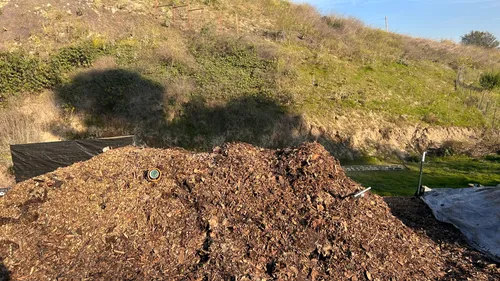
TAWA Compost Green Waste Food Recycling is based in Los Angeles, CA, providing food waste and composting services primarily for restaurants and commercial clients. They offer drop-off options for commercial food waste, green waste, and residential waste, as well as onsite waste management and emergency food waste pickup available 24/7. Founded during the COVID-19 pandemic, TAWA Compost began as a food rescue initiative to address food insecurity and now focuses on turning inedible food into nutrient-rich compost. They also conduct workshops to educate the community on reducing waste and maximizing resources.
Royal Pumping and Jetting
Los Angeles, CA
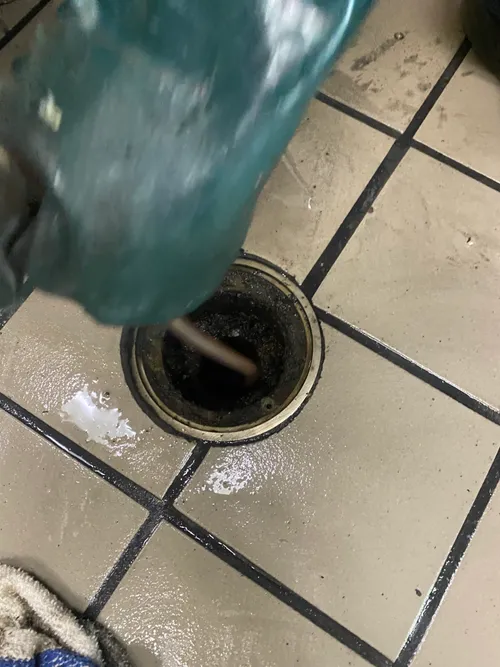
Royal Pumping and Jetting provides a comprehensive range of pumping and jetting services for restaurants and hospitality businesses in Los Angeles, CA. Their offerings include grease trap and interceptor cleaning, waste kitchen oil removal, hydro jetting, grease trap repair, high-pressure washing, and complete plumbing services. The company has been serving Los Angeles, Orange County, and San Bernardino since 2008, with a team of certified experts skilled in handling various pump and blast operations. They also offer 24/7 availability to meet urgent service needs.

CR & R Inc
12739 Lakeland Rd, Santa Fe Springs, CA 90670
CR & R Inc provides food waste and composting services for restaurants in La Mirada, CA. The company focuses on sustainable solid waste and recycling solutions, operating advanced materials processing centers and using alternative fuel vehicles to reduce environmental impact. With over three decades of experience, CR & R Inc has developed a state-of-the-art anaerobic digester to process organic waste and produce renewable natural gas, supporting cleaner air and greener practices in the region.
Understanding SB 1383 and Mandatory Participation
The cornerstone of Alhambra's organics recycling initiative is Senate Bill 1383, a statewide law aimed at reducing short-lived climate pollutants by diverting organic waste from landfills. For Alhambra restaurant owners, this translates to a non-negotiable requirement: you must subscribe to and actively use the city's organic waste collection service provided by Republic Services. This law is designed to capture food scraps, food-soiled paper, and yard trimmings to be processed into compost or renewable energy. The mandate applies universally, meaning there is no opt-out for businesses that simply find it inconvenient. The city and state view commercial food waste diversion as a critical component of California's climate strategy, placing the responsibility directly on food service generators.
Setting Up Your Restaurant's Internal Sorting System
Proper sorting begins behind the scenes. Alhambra requires businesses to provide clearly labeled, color-coded bins for employees in all back-of-house areas, such as kitchens, prep stations, and dish rooms. The standard color scheme is:
- Green Bins/Containers: For organics, including all food scraps (vegetable peels, meat, dairy, bones, coffee grounds), food-soiled paper (napkins, uncoated paper plates), and yard waste.
- Blue Bins/Containers: For recyclables like cans, bottles, and clean paper/cardboard.
- Gray/Black Bins/Containers: For landfill trash that is non-recyclable and non-organic.
You can use your existing bins if they are the correct colors and properly labeled; otherwise, you may need to acquire new ones 1. For kitchen food scrap collection, small, lidded pails are recommended for convenience and to control odors 2. Employee training on what goes where is not just helpful-it's a mandatory part of compliance to minimize contamination.
Customer-Facing Bin Requirements
Your responsibilities extend to the dining area depending on your service model. The rules are specific:
- Full-Service Restaurants: If you have waitstaff who bus tables, you are only required to provide organics and recycling collection bins for your employees in the back-of-house. Customers are not expected to sort their own waste in this setting.
- Quick-Service & Self-Service Restaurants: If customers dispose of their own waste (e.g., fast food, cafes with bus stations), you must provide clearly labeled and visible green (organics) and blue (recycling) bins for public use, placed right next to the landfill trash bins. These bins must have standardized labels so patrons can easily participate in correct sorting.
What Goes In the Green Organics Cart?
Knowing exactly what materials are accepted is crucial to avoid contamination, which can lead to entire loads being rejected. The following items are accepted in your commercial green cart:
- All food scraps (fruits, vegetables, meat, bones, dairy, bread, coffee grounds/filters)
- Food-soiled paper (napkins, paper towels, uncoated paper plates, pizza boxes)
- Yard trimmings (if your business generates them)
- BPI-Certified compostable foodware (see special note below)
Special Note on Foodware: If your restaurant serves food items that require containment (like burritos or take-out boxes), you must use either BPI-certified compostable foodware or, in specific cases like burritos, non-compostable aluminum foil is also an approved alternative 3. You cannot use conventional plastic or styrofoam containers.
Critical Contamination Rules: What to Keep Out
Contamination is the biggest hurdle for successful organics recycling. The following items are strictly prohibited in the green cart 4 5:
- Plastic Bags: Do not line your kitchen pails or green cart with standard plastic bags. Only certified compostable bags or simple brown paper bags are allowed.
- Liquids/Oils: Soups, sauces, and cooking oils should not be poured into the organics bin. Keep wet and dry waste separated; layering dry materials like soiled paper can help absorb moisture.
- Non-Compostable Plastics: This includes plastic wrap, utensils, straws, and any packaging not explicitly BPI-certified.
- Glass, Metal, or Foil: Unless specifically noted (e.g., foil for burritos), these belong in recycling or trash.
- Styrofoam: Always place in the landfill trash.
Find the perfect composting & food waste companies for your needs
Get personalized recommendations and expert advice
Service Logistics with Republic Services
Republic Services holds the exclusive franchise for solid waste and organics collection in Alhambra. As a restaurant, your collection schedule (frequency and day of pickup) will depend on your location, volume of waste, and service agreement. It is essential to contact Republic Services directly to confirm your specific pickup days and times, as well as to order the correct size and number of green, blue, and gray carts for your business needs 6. They are your primary point of contact for all service-related questions and adjustments.
Are There Any Exceptions or Waivers?
While participation is mandatory, the city does recognize two narrow pathways for a potential waiver, though they are granted rarely and require formal approval:
- De Minimis Waiver: If your business can demonstrate it generates a minimal amount of organic waste (typically less than a certain volume per week), you may apply. For most restaurants, this is an extremely high bar to meet.
- Physical Space Waiver: If your business has a legitimate, verifiable lack of physical space to accommodate the three required collection containers, you may apply. Obtaining a waiver involves submitting an application to Republic Services and undergoing an inspection by the City. It is not an automatic process and should not be assumed as an option for standard food service operations.
Costs and Compliance
The cost for organic waste collection in Alhambra is not a flat, publicly listed fee. Instead, it is integrated into your overall solid waste service bill from Republic Services and depends on factors like the size of your carts and the frequency of pickup 7. Because it is a mandatory service, there is no option to forego the charge. The most effective way to manage costs is to ensure proper sorting, which can potentially allow you to downsize your landfill (gray) cart as you divert more material to organics and recycling, often leading to cost savings. Contact Republic Services for a detailed quote tailored to your restaurant's operations 8.
The Importance of Employee Training and Education
Compliance is a team effort. The city mandates that businesses educate their employees on how to properly sort waste into organics, recycling, and trash 9. Effective training reduces contamination, avoids potential fines, and streamlines your back-of-house operations. Consider creating simple signage in relevant languages, holding brief training sessions, and placing reminder labels directly on or above bins. A well-trained staff is your first line of defense in meeting SB 1383 requirements and contributing to Alhambra's sustainability goals.
Frequently asked questions
Sources
Footnotes
-
Collection Systems, Container Colors, and Labeling - https://calrecycle.ca.gov/organics/slcp/collection/systems/ ↩
-
Organics Recycling Program | Alhambra, CA - https://www.alhambraca.gov/295/Organics-Recycling-Program ↩
-
Solid Waste and Recycling Regulations | Alhambra, CA - https://www.alhambraca.gov/701/Solid-Waste-and-Recycling-Regulations ↩
-
Statewide Mandatory Organic Waste Collection - CalRecycle - https://calrecycle.ca.gov/organics/slcp/collection/ ↩
-
FAQs • Recycling - Alhambra, CA - https://www.alhambraca.gov/faq.aspx?TID=32 ↩
-
City of Alhambra Introduces 'Compost Charlie' and Innovative ... - https://alhambraca.gov/DocumentCenter/View/4949/Alhambra-Recycles_PressRelease ↩
-
1 EXCLUSIVE COMMERCIAL FRANCHISE FREQUENTLY ASKED QUESTIONS AND ANSWERS Q: When will my new solid waste collection services star - https://pw.lacounty.gov/epd/swims/docs/ECFFAQs.pdf ↩
-
Organics Recycling Program - Alhambra, CA - https://alhambraca.gov/295/Organics-Waste-Recycling-Program ↩
-
Agenda Environmental Sustainability Commission September 8, 2022 - https://www.alhambraca.gov/AgendaCenter/ViewFile/ArchivedAgenda/_08082022-415 ↩