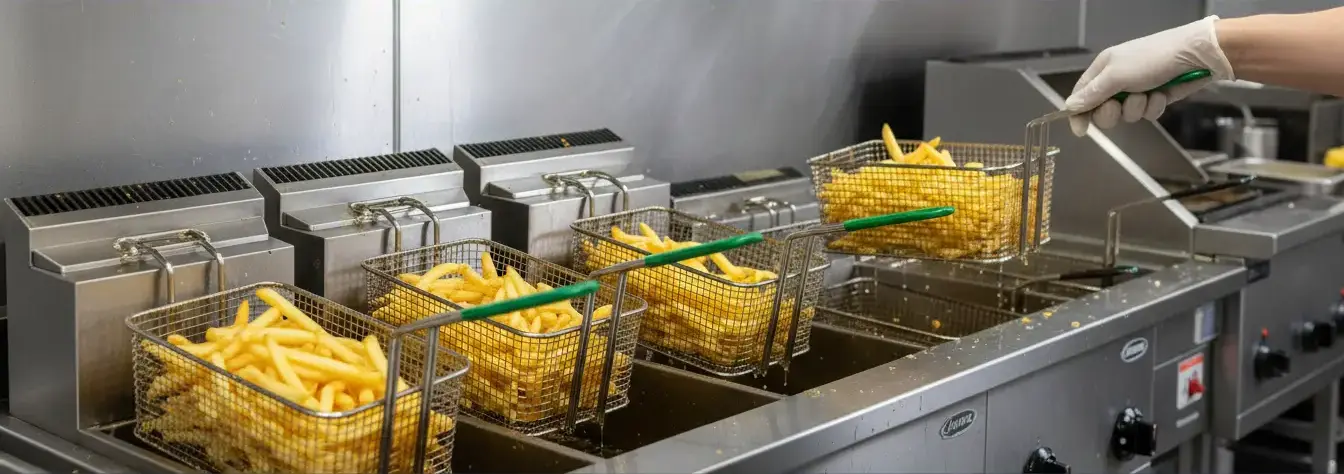
Find the Best Used Cooking Oil Collection Companies for Your Business
No obligation • Fast responses • Nationwide coverage

Why you can trust Restaurant Waste Disposal
Restaurant Waste Disposal is a leading U.S. resource for comparing restaurant composting, food-waste recycling, grease trap cleaning, and used cooking oil collection services. Our editorial team researches providers, checks credentials, and organizes unbiased information so operators can make informed decisions. Companies cannot pay to change ratings or placement.
Search providers near you
Top Used Cooking Oil Collection Companies in Rapid City, South Dakota Ranked
For restaurants and food service establishments in Rapid City, managing used cooking oil (UCO) is a critical operational task that intersects with local regulations, environmental responsibility, and operational efficiency. Proper grease disposal isn't just about cleanliness; it's a mandated part of preventing sewer system clogs and contributing to a circular economy where waste is transformed into valuable resources like biodiesel. In Rapid City, this process is facilitated by specialized collection services that provide the containers, schedule the pickups, and handle the complex logistics of recycling, ensuring your business stays compliant with local Fats, Oils, and Grease (FOG) policies. Partnering with a licensed provider turns a potential waste headache into a streamlined, sustainable practice.
Understanding Local Regulations for Grease Disposal
Navigating the rules for grease and oil disposal is the first step for any food service business in Rapid City. The local regulatory framework is designed to protect the municipal sewer infrastructure from blockages, which can lead to costly backups and environmental issues.
- Rapid City Solid Waste Division Rules: It's important to note that the City's residential solid waste services are not an option for commercial grease disposal. The Rapid City Solid Waste Division explicitly states it does not accept liquid oils1. For residents, the guidance is to solidify small amounts with absorbent materials before placing them in the trash, but this method is impractical and non-compliant for the volumes generated by a commercial kitchen 1.
- FOG Management Policies: Food Service Establishments (FSEs) must adhere to local Fats, Oils, and Grease management policies, which are often enforced by sewer districts. These policies mandate that establishments prevent FOG from entering the drain system, typically through the use of properly maintained grease traps or interceptors, and by ensuring all used fryer oil is collected by licensed haulers 2.
- Avoiding Violations: Common violations that can result in fines include pouring used oil down any drain (including floor drains), mixing it with regular commercial trash, or allowing it to enter storm drains. Proper documentation from a licensed collector is your best defense, serving as proof of compliant disposal.
The Professional Collection and Storage Process
A reliable used cooking oil collection service manages the entire process from your kitchen door to the recycling facility. This begins with safe, on-site storage.
Secure On-Site Storage Before pickup, oil must be handled correctly. After use, allow the oil to cool to a safe temperature (typically below 120°F) before transferring it to your designated collection container. Your service provider will supply specialized, sealable containers or bins. These are often stored on your property in sizes ranging from 40-gallon drums for indoor use to larger 110-300 gallon outdoor collection bins.
Best practices for storage include keeping containers in a secure, covered area to prevent contamination from rainwater or debris, and ideally near a loading dock or accessible area for the collection truck. Locking mechanisms are also recommended to prevent unauthorized access or tampering.
Scheduled Pickup and Handling You'll work with your provider to establish a pickup schedule based on your oil production volume-whether weekly, bi-weekly, or monthly. On collection day, a trained technician will pump the oil from your storage bin directly into their specialized collection truck. Many full-service providers also offer complementary services like grease trap cleaning, allowing you to manage all your FOG-related needs with a single point of contact. Always ensure you receive a documentation receipt or manifest for your records, which is crucial for regulatory compliance 3.
From Waste to Resource: The Recycling Journey
When you partner with a professional collector, your used cooking oil doesn't go to a landfill; it begins a new life as a raw material for various industries. This recycling process is a cornerstone of the service's value.
After collection, the oil is transported to a processing facility. Here, it undergoes filtration to remove food particles and water. The purified oil is then a prime feedstock for the production of biodiesel, a renewable, cleaner-burning fuel alternative to petroleum diesel. It can also be refined into Sustainable Aviation Fuel (SAF), contributing to greener air travel4.
Beyond fuels, recycled cooking oil is a key ingredient in the manufacturing of soaps, lubricants, and even components for animal feed. By choosing a recycling service, your Rapid City restaurant directly supports these sustainable industries, reducing overall carbon emissions and giving a waste product a productive second act.
Find the perfect used cooking oil collection companies for your needs
Get personalized recommendations and expert advice
Evaluating Service Providers and Cost Structures
Selecting the right grease collection partner in Rapid City involves understanding the services offered and how pricing works. Reputable national and regional companies like Mahoney Environmental, Baker Commodities, and local providers such as Grand Natural operate in the area5 6.
Services to Look For:
- Container Provision: Supply of appropriate, leak-proof storage bins.
- Reliable Scheduling: Pickups tailored to your volume to avoid overflows.
- Compliance Support: Provision of necessary pickup documentation.
- Additional Services: Many offer grease trap cleaning and maintenance7 8.
Understanding Costs: The cost for used cooking oil collection is highly volume-dependent. A common model is a "free pickup" service for establishments that generate a minimum amount of oil, as the value of the recycled commodity offsets the collection cost9. For lower-volume producers or in specific contract arrangements, fees may apply. These can sometimes be structured as a charge per gallon collected, with industry estimates ranging widely, or as a flat service fee9. In some cases, high-volume generators may even qualify for a small rebate. It's essential to discuss your specific needs and volume with providers to get a clear understanding of the financial arrangement.
Best Practices for Restaurant Kitchen Safety and Compliance
Integrating safe grease handling into your daily kitchen operations minimizes risk and ensures a smooth collection process.
- Cool Before Transferring: Never transfer hot oil. Allow it to cool completely in the fryer before moving it to your storage container to prevent burns and fires10.
- Use Designated Equipment: Have dedicated, clearly labeled funnels and containers for oil transfer to avoid cross-contamination with food or cleaning chemicals.
- Maintain a Clean Storage Area: Keep the area around your outdoor grease collection bin clear of debris, snow, and ice to ensure safe and easy access for collection drivers.
- Train Your Staff: Ensure all kitchen staff understand the "why" and "how" of proper oil disposal-especially the cardinal rule of never pouring it down the drain.
- Keep Records Organized: Maintain a file or digital folder for all collection manifests and service reports. This organized record-keeping is invaluable during regulatory inspections or if you decide to evaluate or change service providers.
By implementing these practices and maintaining a partnership with a licensed used cooking oil collector, your Rapid City establishment can efficiently manage this waste stream, meet all local environmental regulations, and contribute positively to regional sustainability efforts.
Frequently asked questions
Sources
Footnotes
-
Cooking Oil & Fats - RAPID CITY SOLID WASTE DIVISION - https://www.rapidcityrecycles.org/cooking-oil.html ↩ ↩2
-
Fats, Oils & Grease (FOG) Management Policy - SD1 - https://www.sd1.org/DocumentCenter/View/288/01-26-2012-Fats-Oils-and-Grease-Management-Policy-PDF ↩
-
Navigating Legal Requirements for Used Cooking Oil Disposal - https://bakercommodities.com/blog/2024/02/08/legal-requirement-used-cooking-grease/ ↩
-
Used Cooking Oil (UCO) Collection Service For Restaurants - https://thegreasecompany.com/blog/restaurant-used-cooking-oil-collection/ ↩
-
Restaurant Oil Disposal: Explained - Eazy Grease - https://eazygrease.com/how-do-restaurants-get-rid-of-their-oil/ ↩
-
Grease Collection Service: What is it - https://www.grandnaturalinc.com/blog/what-is-grease-collection-service.html ↩
-
Restaurant Used Cooking Oil Collection and Recycling ... - https://www.mahoneyes.com/restaurant-used-cooking-oil-collection-and-recycling-services-in-north-dakota/ ↩
-
Used Cooking Oil Disposal: Complete Guide to Grease Pickups - https://greaseconnections.com/used-cooking-oil-disposal-guide-grease-pickups/ ↩
-
Restaurant Used Cooking Oil Recycling & Disposal Guide - https://greaseconnections.com/restaurant-used-cooking-oil-disposal-recycling-revenue-guide/ ↩ ↩2
-
How To Dispose of Cooking Oil Properly - ACTenviro - https://www.actenviro.com/easy-ways-on-how-to-dispose-of-cooking-oil-safely/ ↩