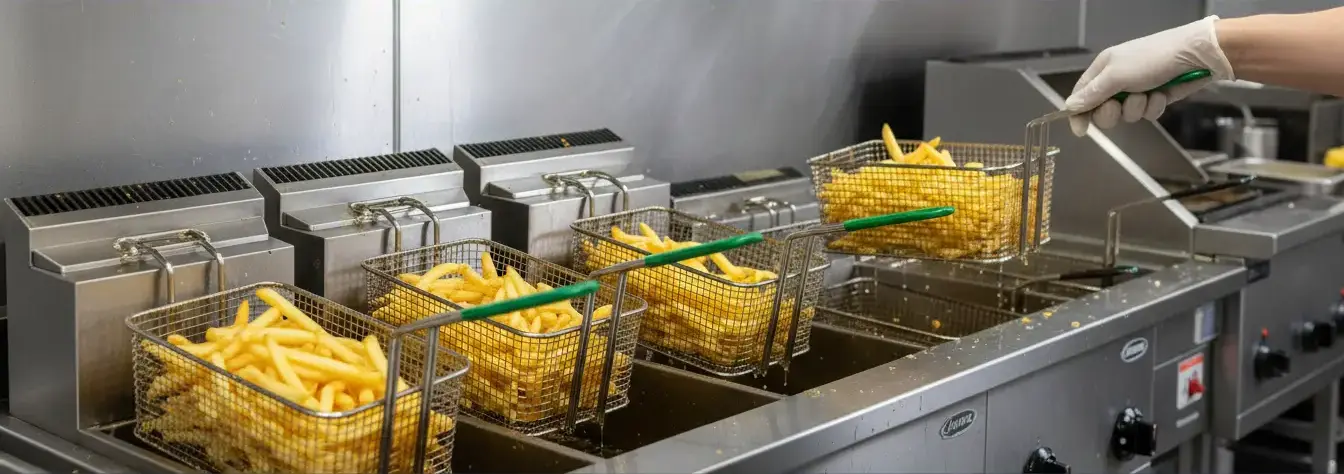
Find the Best Used Cooking Oil Collection Companies for Your Business
No obligation • Fast responses • Nationwide coverage

Why you can trust Restaurant Waste Disposal
Restaurant Waste Disposal is a leading U.S. resource for comparing restaurant composting, food-waste recycling, grease trap cleaning, and used cooking oil collection services. Our editorial team researches providers, checks credentials, and organizes unbiased information so operators can make informed decisions. Companies cannot pay to change ratings or placement.
Search providers near you
Best Used Cooking Oil Collection Companies in Nevada Ranked
For Nevada restaurants, managing used cooking oil (UCO) is a critical operational and environmental responsibility. Proper collection and recycling are not just best practices-they are legal requirements designed to protect the state's infrastructure and natural resources. By partnering with a licensed hauler, food service establishments can transform a waste product into valuable commodities like biodiesel, ensuring compliance and contributing to a circular economy. This guide outlines the essential regulations, processes, and benefits of professional used cooking oil collection in the Silver State.
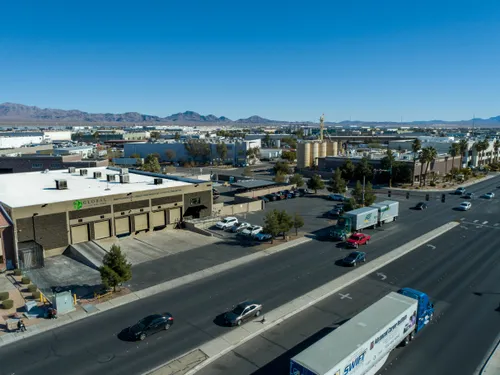
Baker Commodities Inc
5725 Range Rd A, Las Vegas, NV 89115
Baker Commodities Inc provides grease collection and recycling services in North Las Vegas, NV. They specialize in used cooking oil pickup and grease trap pumping and cleaning for restaurants and commercial kitchens. Their Total Grease Management® program offers customized solutions to meet various business needs while ensuring compliance with local regulations. With decades of experience serving the Las Vegas area, Baker Commodities focuses on sustainable grease disposal to support environmental conservation. The company also offers 24/7 availability for emergency grease management services.
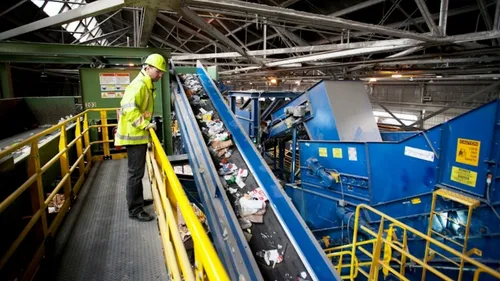
RenuOil of America
5435 S Valley View Blvd, Las Vegas, NV 89118
RenuOil of America is a family-owned business based in Las Vegas, NV, specializing in used cooking oil collection. With over 20 years of experience, they partner with hospitality companies to manage waste while promoting sustainability and environmental responsibility. They are recognized as the largest on-site recycling company in Las Vegas, handling over 8 million pounds of recycled material weekly. Their services focus on reducing environmental impact through effective waste management and recycling practices.
Restaurant Technologies
4413 McGuire St, North Las Vegas, NV 89081
Restaurant Technologies is a company based in North Las Vegas, NV, specializing in used cooking oil collection and management for commercial kitchens. They offer an end-to-end solution called Total Oil Management, which includes automatic cooking oil delivery, filtration, and recycling. Their system uses installed tanks and automated controls to safely deliver fresh oil and remove used oil without manual handling, reducing hazards and improving kitchen safety. The company supports sustainability initiatives by helping businesses reuse cooking oil and manage waste more effectively.
Nevada's Legal Framework for UCO Disposal
Nevada has clear regulations governing the disposal of grease and used cooking oil to prevent environmental damage and sewer system blockages. Understanding these rules is the first step toward compliance.
Key State Regulations:
- Prohibited Disposal Methods: State law (NAC 446.652) explicitly prohibits the disposal of used cooking oil into drains, onto the ground, or into dumpsters 1. This prevents sewer overflows, soil contamination, and fire hazards.
- Storage Requirements: UCO must be stored in sealed, clearly labeled, and leak-proof containers or tanks to prevent spills and accidents. Containers should be marked "Used Oil" and kept in good condition.
- Transport Mandates: Transporting used oil off-site requires the use of a licensed hauler. This ensures that the oil is tracked and delivered to a legitimate recycling facility, preventing illegal dumping.
- Grease Trap Maintenance: Food establishments are required to have and maintain grease traps or interceptors to capture fats, oils, and grease (FOG) before they enter the wastewater system. These must be cleaned regularly to remain effective.
Enforcement and Permits: Compliance involves coordination with state and local agencies. The Nevada Department of Environmental Protection (NDEP) requires registration for used oil collection centers. Additionally, local health authorities, such as the Southern Nevada Health District, may have specific permit requirements for food establishments regarding waste oil handling 2. Failure to comply can result in significant fines and operational disruptions.
The Professional Collection Process: From Fryer to Hauler
Establishing a reliable system for used fryer oil pickup streamlines kitchen operations and ensures consistent compliance. Here's how a typical service works.
Step 1: On-Site Storage and Preparation Before collection, oil must be properly prepared. Allow oil to cool completely after use. Filtering out food solids extends the life of the oil and improves its quality for recycling. The cooled, filtered oil is then transferred to a dedicated, lidded collection bin provided by your service company. Keeping this bin clean, clearly labeled, and in a designated area is crucial.
Step 2: Scheduling and Pickup Collection services typically operate on a scheduled basis-weekly, bi-weekly, or monthly-depending on your volume. Regular scheduling prevents overflow and maintains a clean, safe kitchen environment. A licensed hauler will arrive to pump or swap out your full container, leaving an empty, clean one in its place.
Step 3: Transportation and Tracking Licensed haulers transport the collected oil in dedicated vehicles to approved recycling or processing facilities. They maintain documentation, such as manifests, to track the oil's journey from your site to its final recycling destination, providing you with a chain of custody for your records 3 4.
Find the perfect used cooking oil collection companies for your needs
Get personalized recommendations and expert advice
The Importance of Proper UCO Management
Beyond legal obligation, responsible used cooking oil management offers tangible benefits for your business and community.
Environmental Protection: Improperly disposed UCO is a major pollutant. It can solidify in sewer pipes, causing costly backups and overflows into local waterways. By ensuring it is collected for recycling, you help protect Nevada's water resources and reduce strain on municipal treatment systems 5.
Safety and Sanitation: Accumulated grease and oil are significant fire hazards and can attract pests. A consistent, professional collection service removes this hazardous material from your premises, promoting a safer and more sanitary workplace 6.
Supporting the Circular Economy: Collected UCO is a valuable feedstock. It is primarily converted into biodiesel, a cleaner-burning renewable fuel that reduces dependence on fossil fuels 7. It can also be processed into ingredients for soap, animal feed, lubricants, or biogas, ensuring this resource is put to productive use.
Cost Considerations and Potential Revenue
The cost for used cooking oil collection services in Nevada varies based primarily on the volume your establishment generates and the frequency of service.
Typical Service Pricing:
- Low Volume (10-20 gallons/week): Services may cost between $60 and $120 per month. Some providers offer low-cost or even free pickup for smaller volumes, as the value of the recycled oil offsets the service cost 8.
- Medium Volume (30-50 gallons/week): Expect monthly costs in the range of $150 to $300 for regular scheduled service.
- High Volume (75+ gallons/week): For large restaurants, casinos, or institutional kitchens, monthly fees can range from $300 to over $600.
Volume-Based Rebates: Importantly, establishments that generate large, consistent volumes of clean, uncontaminated used oil may qualify for rebates or even direct payment from their collection company. Rates can vary but may range from $0.10 to $0.65 per gallon, effectively turning a waste expense into a small revenue stream 9. The key to maximizing value is maintaining oil quality by preventing contamination with water, food debris, or other substances.
Setting Up Your UCO Collection System
Implementing a successful used oil management program involves a few key steps.
- Assess Your Volume: Track how much oil you use and dispose of over a typical week to determine your service needs.
- Select a Licensed Provider: Choose a reputable, licensed hauler registered with the NDEP. Verify their insurance, safety record, and recycling partnerships.
- Establish a Routine: Work with your provider to set a pickup schedule that matches your production cycle. Designate a staff member to oversee the storage and handoff process.
- Train Your Staff: Ensure all kitchen employees understand the proper procedures for cooling, filtering, and storing used oil, as well as the importance of keeping contaminants out of the collection bin.
- Maintain Compliance: Keep records of pickups and hauler documentation. Schedule regular grease trap cleaning and stay informed about any updates to local or state regulations 10 11 12.
Frequently asked questions
Sources
Footnotes
-
Nev. Admin. Code § 446.652 - Disposal of grease and waste cooking oil | State Regulations | US Law - https://www.law.cornell.edu/regulations/nevada/NAC-446-652 ↩
-
Used Oil - Southern Nevada Health District - https://media.southernnevadahealthdistrict.org/download/solid-waste/restricted-waste/20190315-Used-Oil-Used-Oil-Filters.pdf ↩
-
Navigating Legal Requirements for Used Cooking Oil Disposal - https://bakercommodities.com/blog/2024/02/08/legal-requirement-used-cooking-grease/ ↩
-
Appendix 9 - Nevada State Environmental Commission - https://sec.nv.gov/uploads/mtg_1222/Appendix_9_-_Waste_Vehicle_Battery,_Tire,_and_Oil_Plan.pdf ↩
-
Managing Used Oil: Answers to Frequent Questions for Businesses - https://www.epa.gov/hw/managing-used-oil-answers-frequent-questions-businesses ↩
-
Grease Recycling Bins - Clark County - https://www.clarkcountynv.gov/adobe/assets/urn:aaid:aem:d59aa7e6-37a0-46c7-b863-6c96f4209847/original/as/grease-bins-best-management-practices-flyer-english.pdf ↩
-
Used Cooking Oil (UCO) Collection Service For Restaurants - https://thegreasecompany.com/blog/restaurant-used-cooking-oil-collection/ ↩
-
Used Cooking Oil Pickup vs Drop-Off-What's Best for Restaurants? - https://www.greaseprosrecycling.com/used-cooking-oil-pickup-vs-drop-off/ ↩
-
Restaurant Used Cooking Oil Recycling & Disposal Guide - https://greaseconnections.com/restaurant-used-cooking-oil-disposal-recycling-revenue-guide/ ↩
-
Recycling Tips for Cooking Oil Disposal in Food Courts - NW Biofuel - https://nwbiofuel.com/blog/used-cooking-oil-disposal-for-food-courts-responsible-recycling-tips/ ↩
-
Used Oil Collection Center Registration | NDEP - https://ndep.nv.gov/land/waste/used-oil-collection-center-registration ↩
-
Used Cooking Oil Disposal: Complete Guide to Grease Pickups - https://greaseconnections.com/used-cooking-oil-disposal-guide-grease-pickups/ ↩