
Find the Best Used Cooking Oil Collection Companies for Your Business
No obligation • Fast responses • Nationwide coverage

Why you can trust Restaurant Waste Disposal
Restaurant Waste Disposal is a leading U.S. resource for comparing restaurant composting, food-waste recycling, grease trap cleaning, and used cooking oil collection services. Our editorial team researches providers, checks credentials, and organizes unbiased information so operators can make informed decisions. Companies cannot pay to change ratings or placement.
Search providers near you
Top Used Cooking Oil Collection Companies in West Orange, New Jersey Ranked
For restaurants and food service establishments in West Orange, managing used cooking oil (UCO) is more than just a routine cleanup task-it's a regulated component of sustainable business operations. New Jersey's robust environmental laws require proper handling and recycling of this material, turning a potential waste stream into a valuable resource for biodiesel production. By partnering with a licensed grease collection service, local businesses can ensure compliance, enhance kitchen safety, and potentially benefit from the commodity value of their used oil. This guide outlines the essential steps, regulations, and local service options for effective grease trap and cooking oil management in West Orange.
Loeffels Waste Oil Services
43 Layton Ln, Sparta, NJ 07871
Loeffels Waste Oil Services is a family-owned company based near New York, NY, specializing in used cooking oil collection and grease trap cleaning. They serve commercial clients with reliable waste oil removal and grease trap maintenance, including emergency pump-out services. With over ninety years of experience, Loeffels Waste Oil Services emphasizes safety and efficiency in their operations.
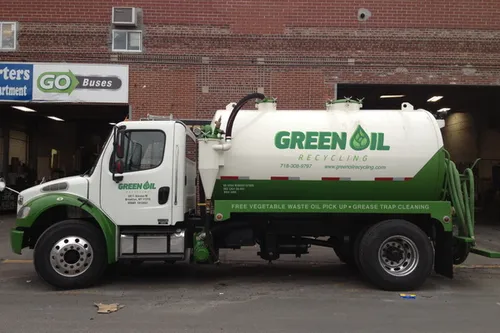
Green Oil Recycling
317 Liberty Ave, Brooklyn, NY 11207
Green Oil Recycling provides professional grease trap cleaning and used cooking oil collection services in New York, NY. They specialize in maintaining commercial kitchen grease traps, including passive hydro mechanical, large pre-cast concrete gravity traps, and auto-grease removal systems like Big Dipper. Their trained technicians thoroughly clean traps, scrape walls, and use bio-safe chemicals to break down waste oil, helping kitchens stay odorless and compliant with local regulations. Green Oil Recycling serves New York City, New Jersey, and Nassau County, ensuring all waste oil disposal meets BIC, DEC, and EPA standards. They also inspect gaskets and fittings to prevent violations and hazards, working closely with Done Right Hood & Fire Safety for comprehensive grease trap and kitchen exhaust maintenance.

New York Hood Cleaning
New York, NY
New York Hood Cleaning provides grease trap cleaning and used cooking oil collection services in New York, NY. They specialize in thorough cleaning of kitchen ducts, fans, hoods, and vents to maintain commercial kitchen operations. The company emphasizes sustainability by recycling used cooking oil for animal feed or fuel. With decades of experience, they offer skilled service using specialized tools to remove grease effectively. Their approach simplifies operations by combining multiple services under one provider, supported by responsive customer service.

NYC Clean Air Group
154-05 12th Ave, Beechhurst, NY 11357
NYC Clean Air Group is a family-owned business serving New York, NY, and New Jersey. They specialize in used cooking oil collection, grease trap cleaning, and cesspool maintenance for restaurants, stadiums, hospitals, and commissaries across all five boroughs. The company offers licensed and insured services with options for monthly contracts or per-incident work. They emphasize environmentally friendly practices and provide same-day service and free estimates.
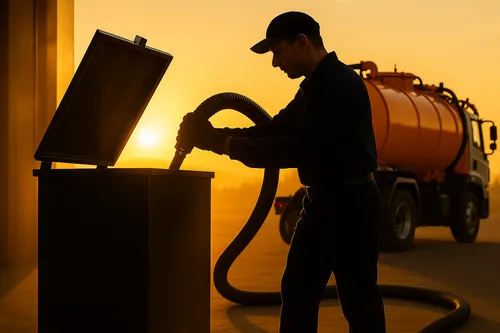
Grease Connections
150 Commerce Rd, Carlstadt, NJ 07072
Grease Connections is a used cooking oil collection company serving New York, NY, as well as Florida, Georgia, and New Jersey. They specialize in collecting used cooking oil from restaurants and industrial kitchens, which is then filtered, refined, and shipped to U.S. processors to create biodiesel and renewable aviation fuel. The company provides licensed, spill-free pickups with digital manifests and offers optional RFID-enabled containers for real-time tracking. Grease Connections complies with EPA regulations and state-specific requirements, ensuring proper documentation for audits and inspections. Their service helps clients reduce emissions and avoid fines related to improper grease disposal.
Understanding New Jersey's Regulatory Landscape
New Jersey mandates the recycling of food waste, including used cooking oil, for large generators, which encompasses most restaurants 1. This isn't merely a suggestion; it's a legal requirement under the state's food waste recycling rules (N.J.A.C. 7:26A-1.1 et seq.). The law establishes a "chain of custody" for used oil, requiring a uniform manifest document to track every transfer from your establishment to the recycling facility. This system ensures the oil is properly recycled and doesn't end up contaminating landfills or waterways. Non-compliance can result in significant fines, making it crucial for business owners to understand their obligations.
The state's used oil regulations classify UCO as a recyclable commodity, not a hazardous waste, when managed correctly. However, this distinction comes with the responsibility to use licensed haulers who follow specific procedures. For West Orange restaurants, this regulatory framework means that selecting a reputable, licensed grease collection partner is the first and most critical step in building a compliant and efficient oil management program.
Setting Up Your Kitchen for Efficient Oil Collection
A smooth collection process starts with proper on-site storage. Licensed haulers typically provide secure, locking storage bins for their clients. These containers, which can range from 40 to 300 gallons in capacity, are designed to be placed either inside your kitchen or in a secure outdoor area 2.
- Choosing the Right Size: Work with your provider to select a bin size that matches your weekly oil volume. An undersized bin will overflow, creating a safety and sanitation hazard, while an oversized one takes up unnecessary space. The goal is to have enough capacity to last between scheduled pickups without issue.
- Security is Paramount: Theft of used cooking oil is an unfortunate reality, as the oil has value on the commodities market. Always opt for locking bins, and consider an outdoor location with good lighting or even an alarm system if you have a high-volume setup. Providers like Grease Connections emphasize secure systems to protect your asset.
- Indoor vs. Outdoor Placement: Indoor bins are convenient for staff but require careful handling to prevent spills. Outdoor bins are common for larger operations and keep the oil and any associated odors outside the kitchen. Your hauler can advise on the best placement based on your kitchen's layout and volume.
The Step-by-Step Collection Process
Once your storage is set up, the collection process follows a standardized routine designed for compliance and efficiency.
- Scheduling a Pickup: Your service will establish a regular pickup schedule-weekly, bi-weekly, or monthly-based on your oil production. If you have an unexpected surplus, you can typically request an extra collection.
- The Collection Visit: On the scheduled day, a service truck arrives. The driver will use a pump to transfer the oil from your storage bin directly into the truck's tank. This is a clean, closed-system process that minimizes mess and odor.
- Documentation and Manifesting: This is the key compliance step. For each pickup, the hauler must provide a uniform manifest. This document records the date, the volume of oil collected, and the hauler's information, and it must be signed by both you and the driver 3. This manifest creates the official "chain of custody" required by New Jersey law 4. Always keep your copies on file as proof of proper recycling.
- Recycling and Repurposing: The collected oil is transported to a processing facility where it is cleaned and converted into biodiesel, a renewable fuel, or other industrial products. By using a licensed hauler, you are directly contributing to this circular economy.
- Record Keeping: Maintain a file with all your collection manifests. This documentation is your primary evidence of compliance during any regulatory inspection.
Find the perfect used cooking oil collection companies for your needs
Get personalized recommendations and expert advice
Understanding Costs and Potential Revenue
The financial model for used cooking oil collection can vary. It's important to discuss pricing and rebate structures clearly with any potential service provider.
- Free Pickup Services: Many haulers, especially those servicing restaurants with moderate volumes, offer free collection as a standard service. Companies like Eazy Grease promote no-fee pickups with no long-term contracts. Their revenue comes from selling the processed oil to biodiesel refiners.
- Volume-Based Rebates and Payments: If your establishment generates a high volume of used oil, you may qualify for a rebate program or direct payment. The value of UCO fluctuates with the commodities market, but rebates can range from $0.10 to $0.65 per gallon, with some reports of payments up to $0.55 per gallon for high-quality oil 5 6 7. This turns your used oil from a cost center into a minor revenue stream.
- Potential Fees: In some cases, fees may apply. This could be for establishments with very low volume, for those requiring less frequent pickups, or for additional services like emergency cleanouts or grease trap servicing. Always get a clear, written quote that outlines all potential charges.
Local and Regional Service Providers
West Orange restaurants have several reputable licensed haulers to choose from. It's advisable to contact a few to compare services, schedules, and financial terms.
- Eazy Grease: This provider highlights a free, no-contract used cooking oil recycling service for New Jersey restaurants, emphasizing ease and reliability 8.
- Grease Connections: Serving the broader Union County area, including nearby Elizabeth, they offer secure collection systems and promote volume-based rebate programs for qualifying restaurants 9.
- D&W Alternative Energy: A provider focused on the biodiesel lifecycle, offering collection services with an emphasis on converting UCO into renewable energy 10.
- Phibro RenewOil: While based in Morris County, they service surrounding areas and are an example of a company that may offer payment for used cooking oil, depending on volume and market conditions 11.
When evaluating providers, ask about their New Jersey waste hauler license, their manifesting process, bin security features, and their current rebate or payment schedule. A site visit from a representative can help them give you the most accurate assessment for your specific needs.
Best Practices for West Orange Restaurants
To optimize your used oil management program, follow these key practices:
- Never Pour Oil Down the Drain: This is the cardinal rule. It causes severe plumbing blockages, burdens municipal sewer systems, and can lead to expensive environmental violations.
- Cool Oil Before Transferring: Allow oil to cool completely before pouring it from fryers into your storage bin to prevent burns and damage to the container.
- Keep Contaminants Out: Avoid letting food scraps, water, or other liquids mix with the used oil in your collection bin, as this can lower its recycling value and cause spoilage.
- Maintain Clear Access: Ensure the path to your oil collection bin is always clear for the service driver, whether it's inside or outside your establishment.
- Audit Your Service: Periodically review your collection schedule. If your bin is consistently only half-full at pickup time, you might be able to reduce frequency. If it's overflowing, you need more frequent service or a larger bin.
By implementing a professional used cooking oil collection system, West Orange restaurants not only meet their legal obligations but also contribute to a cleaner local environment and the growing biofuel industry. The process, when set up correctly, runs seamlessly in the background, allowing you to focus on serving your customers.
Frequently asked questions
Sources
Footnotes
-
Food Waste Recycling rules - https://dep.nj.gov/dshw/swpl/fw/food-waste-recycling-rules/ ↩
-
Grease Collection Service: What is it - Grand Natural Inc - https://www.grandnaturalinc.com/blog/what-is-grease-collection-service.html ↩
-
Used Cooking Oil (UCO) Collection Service For Restaurants - https://thegreasecompany.com/blog/restaurant-used-cooking-oil-collection/ ↩
-
S2166 - NJ Legislature - https://pub.njleg.gov/bills/2014/S2500/2166_I1.HTM ↩
-
Used Cooking Oil Recycling & Grease Collection | Elizabeth - https://greaseconnections.com/locations/nj/union/elizabeth/ ↩
-
Restaurant Used Cooking Oil: Disposal, Recycling & Revenue Guide - https://greaseconnections.com/restaurant-used-cooking-oil-disposal-recycling-revenue-guide/ ↩
-
Recycling Used Oil in New Jersey - https://www.nj.gov/dep/enforcement/4%20Understanding%20the%20Used%20Oil%20Regulations%20-%20Flite%206-3-09.pdf ↩
-
Used Cooking Oil Recycling Service in New Jersey - https://eazygrease.com/used-cooking-oil-recycling-new-jersey/ ↩
-
NJ Franchise Grease Recycling & SOPs 2025 - https://greaseconnections.com/nj-franchise-grease-recycling-sop/ ↩
-
Used Cooking Oil Collection & Recycling - D&W Alternative Energy - https://dandwalternativeenergy.com/used-cooking-oil-collection/ ↩
-
Used Cooking Oil Collection in Morris County NJ - Phibro RenewOil - https://www.phibrorenewoil.com/service-locations/used-cooking-oil-collection-morris-county-nj ↩