
Find the Best Used Cooking Oil Collection Companies for Your Business
No obligation • Fast responses • Nationwide coverage

Why you can trust Restaurant Waste Disposal
Restaurant Waste Disposal is a leading U.S. resource for comparing restaurant composting, food-waste recycling, grease trap cleaning, and used cooking oil collection services. Our editorial team researches providers, checks credentials, and organizes unbiased information so operators can make informed decisions. Companies cannot pay to change ratings or placement.
Search providers near you
Best Used Cooking Oil Collection Companies in New Jersey Ranked
For restaurants in New Jersey, managing used cooking oil (UCO) is a regulated operational necessity with significant financial and environmental implications. Proper grease collection is not just about disposal; it's a structured process governed by state law to ensure safe handling, prevent environmental harm, and support the circular economy. Navigating the requirements for licensed transporters, proper storage, and manifest tracking is essential for compliance and can lead to tangible cost savings. This guide outlines the key regulations, best practices, and economic benefits of a professional UCO recycling program for New Jersey food service establishments.
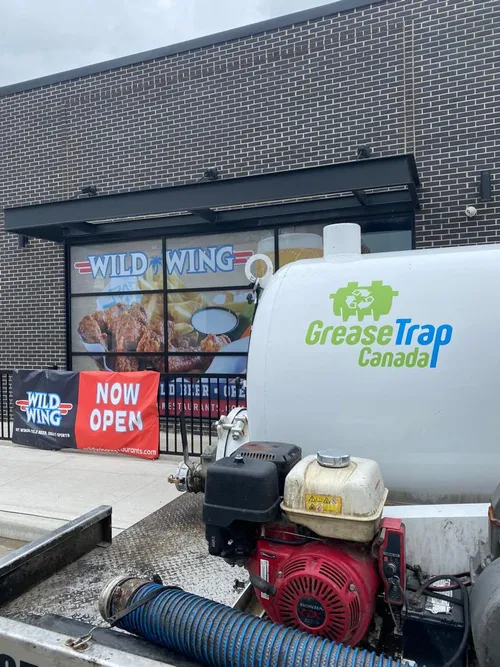
Grease Trap Canada Services
Jackson, NJ
Grease Trap Canada Services provides grease trap cleaning, installation, and used cooking oil recycling in Jackson, NJ. They serve commercial kitchens, restaurants, and food service businesses with eco-friendly grease disposal and advanced high-pressure jetting and snaking to clear blockages. The company offers 24-hour emergency response and detailed compliance reporting. Their technicians are available day and night to handle urgent grease trap issues, ensuring operations stay smooth and compliant.
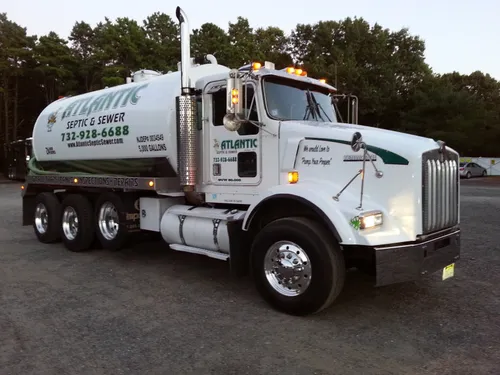
Atlantic Sitton Services, Inc.
647 Herman Rd, Jackson Township, NJ 08527
Atlantic Sitton Services, Inc. provides septic and sewer services, grease trap cleaning, and used cooking oil collection and recycling in Lakewood, NJ. They serve residential, commercial, and government clients throughout New Jersey, offering septic system installation, repair, maintenance, and grease tank pumping. The company is equipped to handle emergency services 24/7 and focuses on environmentally conscientious practices, including converting cooking oil into biofuel. With over 30 years of experience, Atlantic Sitton Services employs certified technicians who use modern technology to maintain and extend the lifespan of septic systems while protecting water quality.
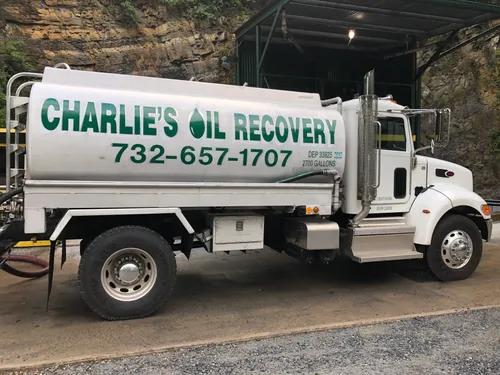
Charlie's Oil Recovery
119 Fairway Dr, Brick Township, NJ 08724
Charlie's Oil Recovery is a used cooking oil collection company based in Lakewood, NJ. The company specializes in collecting used cooking oil from various sources to support recycling and proper disposal efforts in the area.

Atlantic Septic & Sewer
Lakewood, NJ
Atlantic Septic & Sewer provides septic and sewer services, grease trap cleaning, and used cooking oil collection in Lakewood, NJ. They serve residential, commercial, and government clients throughout New Jersey, offering septic system installation, repair, maintenance, and grease tank pumping. The company also collects and recycles used cooking oil into biofuel and offers emergency services available 24/7. With over 30 years of experience, Atlantic Septic & Sewer employs certified technicians who focus on environmentally conscientious practices and septic system longevity.
Loeffel's Waste Oil Service LLC
Woodbridge, NJ
Loeffel's Waste Oil Service LLC is a family-owned business based in Woodbridge, NJ, specializing in used cooking oil collection. Serving the local area, the company focuses on providing clean, efficient, and professional waste oil services. With over ninety years of experience, Loeffel's has built a strong reputation for reliability and safety in handling waste oil collection. Their long-standing history reflects a commitment to maintaining expertise and meeting customer needs consistently.
New Jersey's Regulatory Framework for Grease Recycling
New Jersey classifies used cooking oil as a Class D recyclable material 1. This designation comes with specific legal responsibilities for generators and transporters to prevent improper disposal and ensure the oil is recycled properly. The regulatory framework is designed to keep fats, oils, and grease (FOG) out of the sewer system, where they can cause costly blockages and environmental damage.
Key state legislation, including bills like S3437 and S2166, establishes the rules for transportation and documentation 2. The cornerstone of compliance is working with a transporter who holds a valid New Jersey A-901 License and displays the required NJDEP decal on their collection vehicles. This license is mandatory for anyone transporting UCO on behalf of another party, providing assurance that the hauler meets state standards for environmental responsibility.
Every transfer of oil from your restaurant to a licensed hauler must be accompanied by a manifest. This document tracks the chain of custody, detailing the source (your restaurant), the licensed transporter, the receiving facility, and the volume and date of pickup. Proper manifesting is a critical record-keeping step that demonstrates your compliance with state recycling laws.
Restaurant Responsibilities: Storage and Maintenance
Before collection even occurs, restaurants have clear duties for on-site management of used cooking oil and related grease. Adhering to these practices is fundamental for safety, compliance, and operational efficiency.
Safe Storage Practices:
- Use Sealed Containers: Always store cooled UCO in sturdy, lidded containers provided by or approved by your collection service, such as drums or dedicated collection bins.
- Prevent Contamination: Keep storage containers away from food preparation areas and protected from the elements. Contamination with water or food debris can reduce the oil's recycling value and lead to service fees.
- Never Pour Down Drains: It is prohibited to dispose of UCO or grease into sinks, floor drains, or sewers. This practice is a primary cause of FOG violations and can result in significant fines from municipal sewer authorities 3.
Grease Trap Interceptor Maintenance: Your grease trap is your first line of defense against FOG entering the sewer system. A well-maintained trap is legally required. High FOG levels in effluent (over 70 mg/L) can trigger violations. Implementing a consistent UCO collection program directly reduces the burden on your grease trap, leading to fewer required pump-outs and lower maintenance costs.
Large Generator Mandate: Note that under New Jersey's food waste recycling law (P.L. 2020, c. 24), large food waste generators (producing 52 or more tons per year) are required to separate and recycle their food waste, which includes associated cooking oils4. Even for smaller generators, proactive recycling is a best practice.
The Professional Collection Process
Engaging a licensed professional service streamlines compliance and logistics. A typical service includes:
- Container Provision: The hauler supplies appropriate, labeled storage containers for your kitchen.
- Scheduled Pickups: Collections are arranged on a regular schedule (e.g., weekly, bi-weekly, monthly) based on your volume, often managed via online portals or apps for convenience.
- Licensed Transport: A driver with an A-901 licensed vehicle completes the pickup, providing you with a copy of the manifest for your records.
- Proper Recycling: The oil is transported to a permitted facility for processing.
Find the perfect used cooking oil collection companies for your needs
Get personalized recommendations and expert advice
Financial Implications: Costs, Rebates, and ROI
Understanding the economics of used cooking oil collection helps restaurants make informed decisions. The model is often designed to benefit establishments with consistent, higher volumes of quality oil.
Common Pricing Structures:
- Free Collection with Rebates: Many providers offer free pickup and container service for restaurants generating around 100 gallons or more of UCO per month. In some cases, restaurants may even receive a rebate based on the market value of the recycled commodity.
- Fee-Based Services: For smaller volumes or if the oil is heavily contaminated, services may charge a fee to cover the costs of collection and processing5.
Substantial Operational Savings: The most significant financial return often comes from reduced ancillary costs:
- Fewer Grease Trap Cleanings: By diverting most FOG into the UCO collection bin, the load on your grease trap is drastically reduced. This can extend the time between necessary pump-outs, potentially reducing cleanings by 2 to 4 times per year.
- Avoided Surcharges and Fines: Preventing FOG from entering the sewer system helps you avoid costly municipal sewer surcharges and fines for violations6 7.
- Improved ROI: Tools like ROI calculators demonstrate that the savings from reduced grease trap maintenance and avoided fees often far outweigh any costs associated with a UCO service, providing a clear positive return on investment8.
The Second Life of Used Cooking Oil
Proper collection is the first step in a valuable recycling journey. Once collected by a licensed hauler, New Jersey's used cooking oil is transformed into useful products, supporting a circular economy 9.
- Biodiesel: The primary end product. UCO is refined into a clean-burning, renewable diesel fuel alternative that powers vehicles and equipment.
- Animal Feed Supplements: Processed oil can be used as a high-energy fat supplement in livestock feed.
- Industrial Lubricants and Soaps: The base oils can be repurposed for various industrial applications.
By participating in a certified collection program, New Jersey restaurants directly contribute to reducing fossil fuel dependence and creating sustainable products from a former waste stream.
Frequently asked questions
Sources
Footnotes
-
New Jersey Legislature - https://www.njleg.state.nj.us/bill-search/2022/S3437/bill-text?f=S3500&n=3437_I1 ↩
-
S2166 - NJ Legislature - https://pub.njleg.gov/bills/2014/S2500/2166_I1.HTM ↩
-
6 Things You Need to Know About Disposing Cooking Oil - https://www.mahoneyes.com/how-to-dispose-of-cooking-oil-environmentally/ ↩
-
Food Waste Recycling rules - https://dep.nj.gov/dshw/swpl/fw/food-waste-recycling-rules/ ↩
-
Used Cooking Oil Disposal: Complete Guide to Grease Pickups - https://greaseconnections.com/used-cooking-oil-disposal-guide-grease-pickups/ ↩
-
How to Dispose of Cooking Oil in New Jersey 2025 Complete Guide - https://greaseconnections.com/nj-cooking-oil-disposal-guide/ ↩
-
NJ Franchise Grease Recycling & SOPs 2025 - https://greaseconnections.com/nj-franchise-grease-recycling-sop/ ↩
-
NJ Oil Recycling ROI Calculator | Grease Savings Tool - https://greaseconnections.com/nj-oil-recycling-roi-calculator/ ↩
-
What Happens To The Used Cooking Oil Once It Leaves Your Restaurant? - https://www.grandnatural.com/blog/what-happens-to-the-used-cooking-oil-once-it-leaves-your-restaurant.html ↩