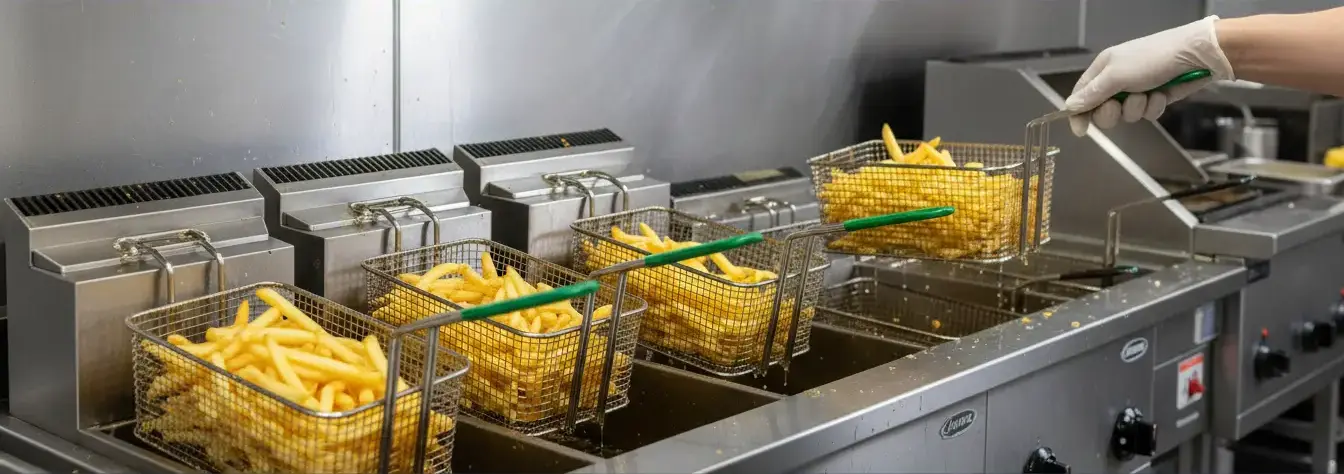
Find the Best Used Cooking Oil Collection Companies for Your Business
No obligation • Fast responses • Nationwide coverage

Why you can trust Restaurant Waste Disposal
Restaurant Waste Disposal is a leading U.S. resource for comparing restaurant composting, food-waste recycling, grease trap cleaning, and used cooking oil collection services. Our editorial team researches providers, checks credentials, and organizes unbiased information so operators can make informed decisions. Companies cannot pay to change ratings or placement.
Search providers near you
Top Used Cooking Oil Collection Companies in West New York, New Jersey Ranked
For restaurants and food service businesses in West New York, managing used cooking oil (UCO) is a critical operational task governed by specific state and local regulations. Proper grease collection and recycling not only ensure environmental compliance but can also turn a waste product into a potential revenue stream. Navigating this process involves understanding New Jersey's manifest laws, adhering to West New York's unique overnight pickup ordinance, and partnering with licensed haulers who can provide secure, compliant service. This guide outlines the essential steps for effective UCO management, from secure storage to final recycling into biofuels.
Envirogreen Solutions
New York, NY
Envirogreen Solutions provides grease trap cleaning and used cooking oil collection services in New York, NY, including the five boroughs and Nassau County. They help commercial kitchens comply with local environmental regulations by responsibly removing and recycling cooking oil and grease trap waste. Envirogreen is fully licensed and insured, offering compliance paperwork and stickers upon service completion. Their capabilities include grease trap cleaning, cooking oil recycling, and emergency grease trap waste collection. The company is known for maintaining grease traps to keep them flowing properly and offers prompt emergency services when needed.
Green Oil Recycling
317 Liberty Ave, Brooklyn, NY 11207
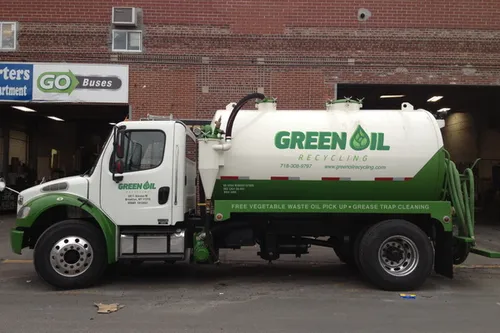
Green Oil Recycling provides professional grease trap cleaning and used cooking oil collection services in New York, NY. They specialize in maintaining commercial kitchen grease traps, including passive hydro mechanical, large pre-cast concrete gravity traps, and auto-grease removal systems like Big Dipper. Their trained technicians thoroughly clean traps, scrape walls, and use bio-safe chemicals to break down waste oil, helping kitchens stay odorless and compliant with local regulations. Green Oil Recycling serves New York City, New Jersey, and Nassau County, ensuring all waste oil disposal meets BIC, DEC, and EPA standards. They also inspect gaskets and fittings to prevent violations and hazards, working closely with Done Right Hood & Fire Safety for comprehensive grease trap and kitchen exhaust maintenance.
Citywide Grease Trap Maintenance | Cesspool Pumping Service Long Island
110 Voice Rd, Carle Place, NY 11514
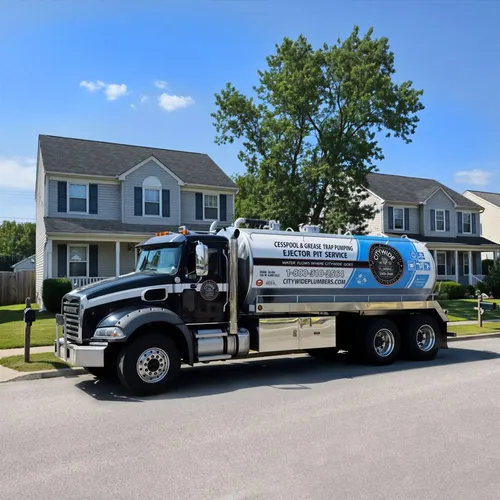
Citywide Grease Trap Maintenance | Cesspool Pumping Service Long Island provides comprehensive sewer, drain, cesspool, and grease trap services in New York, NY. Serving both residential and commercial clients in Long Island and the New York Metropolitan area, they offer pumping, cleaning, repairs, and new installations for cesspools and septic systems. Their skilled technicians use state-of-the-art equipment to ensure efficient service. With over 65 years of experience, Citywide also provides 24/7 emergency service to address urgent plumbing needs promptly.

New York Hood Cleaning
New York, NY
New York Hood Cleaning provides grease trap cleaning and used cooking oil collection services in New York, NY. They specialize in thorough cleaning of kitchen ducts, fans, hoods, and vents to maintain commercial kitchen operations. The company emphasizes sustainability by recycling used cooking oil for animal feed or fuel. With decades of experience, they offer skilled service using specialized tools to remove grease effectively. Their approach simplifies operations by combining multiple services under one provider, supported by responsive customer service.
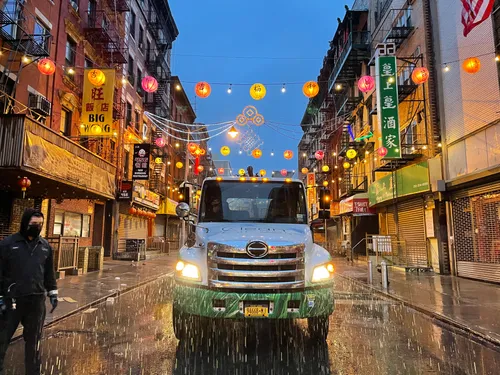
NYC Clean Air Group
154-05 12th Ave, Beechhurst, NY 11357
NYC Clean Air Group is a family-owned business serving New York, NY, and New Jersey. They specialize in used cooking oil collection, grease trap cleaning, and cesspool maintenance for restaurants, stadiums, hospitals, and commissaries across all five boroughs. The company offers licensed and insured services with options for monthly contracts or per-incident work. They emphasize environmentally friendly practices and provide same-day service and free estimates.
Understanding New Jersey's Regulatory Framework
New Jersey has established strict rules for the transport and recycling of used cooking oil to combat theft and ensure proper disposal. The cornerstone of this framework is the state's manifest law (S3437), which requires a detailed chain-of-custody form for every UCO transport. This manifest must document the oil's source, the licensed hauler, and its final destination, with records required to be kept for three years. Furthermore, transport vehicles must be specifically registered for moving grease 1. Non-compliance can result in significant fines, making it imperative for businesses to work with reputable, licensed providers.
West New York's Local Pickup Ordinance
In addition to state law, West New York enforces a local ordinance that directly impacts collection schedules. Commercial pickups for solid waste and recyclables-which includes used cooking oil-are restricted to the hours between midnight and 7 a.m. 2. This means your grease collection will typically occur overnight. Reputable haulers are familiar with this requirement and schedule their routes accordingly to ensure your business remains in compliance with municipal codes.
The Grease Recycling Process: From Fryer to Fuel
The journey of used cooking oil from your kitchen to its new life is a streamlined industrial process. It begins with proper on-site handling and ends with the oil being converted into valuable products.
Step 1: Secure On-Site Storage & Collection After filtering, staff should transfer cooled UCO into a dedicated, secure collection bin provided by your hauler. These bins are designed to be lockable, which is crucial for preventing theft and contamination. When the hauler arrives during the overnight window, they will pump the oil from your bin into their specially registered truck. At this point, the hauler is responsible for initiating the state-required manifest, documenting the quantity collected.
Step 2: Transportation & Processing The collected oil is transported to a recycling facility. There, it undergoes processing to remove food particles and water. The purified oil is then a feedstock for several industries. The primary end product is biodiesel, a renewable fuel. It can also be used in the production of animal feed, cosmetics, and industrial lubricants. This transformation is the core of the circular economy for restaurant grease.
Benefits of a Professional UCO Management Program
Partnering with a professional grease collection service offers advantages beyond mere regulatory compliance.
- Cost Offset and Potential Revenue: Many collection companies offer programs that can reduce your net disposal costs. This can take the form of direct payment for the oil or quarterly rebates, effectively turning a waste expense into a minor revenue line 3.
- Theft Prevention: Cooking oil theft is a documented issue. Professional services provide locked, durable containers and monitored collection, significantly reducing the risk of loss.
- Simplified Compliance and Reporting: Licensed haulers manage the complex paperwork, including the NJ manifest. Many now offer digital customer portals where you can access pickup records, volume reports, and compliance documentation for audits.
- Environmental Stewardship: Ensuring your UCO is recycled into biofuel directly supports renewable energy initiatives and diverts waste from landfills and sewers 4 5.
Find the perfect used cooking oil collection companies for your needs
Get personalized recommendations and expert advice
Implementing a Compliant UCO System in Your Restaurant
Establishing a reliable system for grease management requires proactive steps. Here's a practical checklist for West New York food service operators.
- Select a Licensed NJ Hauler: Your first and most important step is to contract with a hauler properly licensed in New Jersey. Verify their knowledge of the state manifest law (S3437) and their compliance with West New York's overnight collection ordinance 6 7.
- Install Secure Storage Infrastructure: Work with your provider to place lockable, spill-resistant collection bins in a secure, accessible location on your property. Never use makeshift containers.
- Develop and Train on Standard Operating Procedures (SOPs): Train kitchen staff on proper UCO handling: allowing oil to cool, filtering, and transferring it only into the designated secure bin. Clear SOPs prevent contamination and safety hazards.
- Verify and Retain Documentation: For every pickup, ensure your hauler provides a completed manifest or digital record. Maintain these files for the state-required three-year period 8.
- Explore Value-Added Services: Inquire if your hauler offers rebate programs, digital tracking, or comprehensive compliance reporting to maximize the benefit of your partnership 9 10.
Common Challenges and Solutions
- Challenge: Managing Overnight Pickups. Some businesses may be concerned about security or access during the mandated 12 AM - 7 AM window.
- Solution: Reputable haulers are experts in discreet, efficient overnight service. Discuss access protocols (gate codes, key placement) during your service setup to ensure a smooth process.
- Challenge: Avoiding Contamination. Contaminated oil (with water, soap, or other liquids) can be rejected by recyclers, leading to disposal issues and fees.
- Solution: Strict staff training and using dedicated, labeled containers only for UCO are essential. Emphasize that the grease bin is not for any other liquid waste.
- Challenge: Navigating Audit Requests. A city or state inspector may request proof of proper UCO disposal.
- Solution: This is where your hauler's digital portal or filed paper manifests become invaluable. A well-organized record-keeping system makes compliance verification quick and simple.
Frequently asked questions
Sources
Footnotes
-
S2166 - NJ Legislature - https://pub.njleg.gov/bills/2014/S2500/2166_I1.HTM ↩
-
Town of West New York, NJ Recycling - eCode360 - https://ecode360.com/7057930 ↩
-
S3437 - NJ Legislature - https://pub.njleg.gov/Bills/2022/S3500/3437_I1.HTM ↩
-
Recycling Used Cooking Oil With Green Grease Environmental - https://www.youtube.com/watch?v=KP05Yx-GkHk ↩
-
Restaurant Used Cooking Oil: Disposal, Recycling & Revenue Guide - https://greaseconnections.com/restaurant-used-cooking-oil-disposal-recycling-revenue-guide/ ↩
-
Used Cooking Oil Recycling Service in New Jersey - https://eazygrease.com/used-cooking-oil-recycling-new-jersey/ ↩
-
Used Cooking Oil Recycling & Grease Collection | Elizabeth - https://greaseconnections.com/locations/nj/union/elizabeth/ ↩
-
New Jersey Legislature - https://www.njleg.state.nj.us/bill-search/2022/S3437/bill-text?f=S3500&n=3437_I1 ↩
-
NJ Franchise Grease Recycling & SOPs 2025 - https://greaseconnections.com/nj-franchise-grease-recycling-sop/ ↩
-
Grease Collection & Rebates NJ - New Jersey - https://greaseconnections.com/locations/nj/ ↩