
Find the Best Used Cooking Oil Collection Companies for Your Business
No obligation • Fast responses • Nationwide coverage

Why you can trust Restaurant Waste Disposal
Restaurant Waste Disposal is a leading U.S. resource for comparing restaurant composting, food-waste recycling, grease trap cleaning, and used cooking oil collection services. Our editorial team researches providers, checks credentials, and organizes unbiased information so operators can make informed decisions. Companies cannot pay to change ratings or placement.
Search providers near you
Top Used Cooking Oil Collection Companies in Union, New Jersey Ranked
For restaurants and food service establishments in Union, proper used cooking oil (UCO) management is a critical operational, environmental, and financial responsibility. Far from being mere waste, used fryer oil is a valuable commodity that, when handled correctly, can generate revenue, ensure regulatory compliance, and contribute to a cleaner local environment. Navigating the specific rules of Union Township and New Jersey state law requires partnering with a licensed hauler who can provide secure collection, proper recycling, and essential documentation. This guide outlines the key steps, benefits, and local considerations for establishing a reliable and profitable waste oil recycling program.
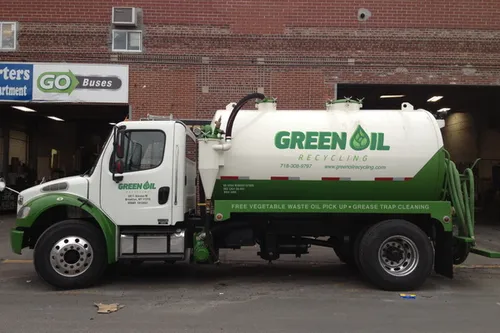
Green Oil Recycling
317 Liberty Ave, Brooklyn, NY 11207
Green Oil Recycling provides professional grease trap cleaning and used cooking oil collection services in New York, NY. They specialize in maintaining commercial kitchen grease traps, including passive hydro mechanical, large pre-cast concrete gravity traps, and auto-grease removal systems like Big Dipper. Their trained technicians thoroughly clean traps, scrape walls, and use bio-safe chemicals to break down waste oil, helping kitchens stay odorless and compliant with local regulations. Green Oil Recycling serves New York City, New Jersey, and Nassau County, ensuring all waste oil disposal meets BIC, DEC, and EPA standards. They also inspect gaskets and fittings to prevent violations and hazards, working closely with Done Right Hood & Fire Safety for comprehensive grease trap and kitchen exhaust maintenance.

New York Hood Cleaning
New York, NY
New York Hood Cleaning provides grease trap cleaning and used cooking oil collection services in New York, NY. They specialize in thorough cleaning of kitchen ducts, fans, hoods, and vents to maintain commercial kitchen operations. The company emphasizes sustainability by recycling used cooking oil for animal feed or fuel. With decades of experience, they offer skilled service using specialized tools to remove grease effectively. Their approach simplifies operations by combining multiple services under one provider, supported by responsive customer service.

NYC Clean Air Group
154-05 12th Ave, Beechhurst, NY 11357
NYC Clean Air Group is a family-owned business serving New York, NY, and New Jersey. They specialize in used cooking oil collection, grease trap cleaning, and cesspool maintenance for restaurants, stadiums, hospitals, and commissaries across all five boroughs. The company offers licensed and insured services with options for monthly contracts or per-incident work. They emphasize environmentally friendly practices and provide same-day service and free estimates.
Grease Sharks
New York, NY
Grease Sharks is a grease trap cleaning and used cooking oil collection company based in New York, NY. They serve the Greater New York City area, including New Jersey, Westchester, and Connecticut. Their services include grease trap cleaning and maintenance, used cooking oil pick up, grease trap installation and plumbing, sewer and line jetting, and drain cleaning. With over a decade of combined experience, Grease Sharks aims to help businesses stay compliant and running smoothly. They provide scheduled maintenance tailored to client needs and offer 24/7 emergency service throughout the year.
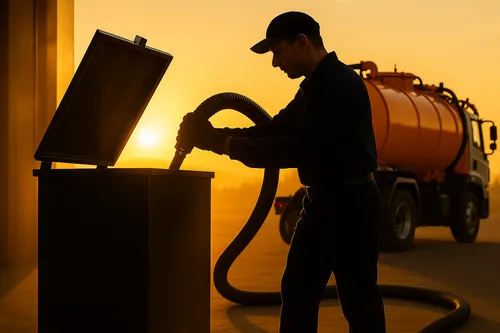
Grease Connections
150 Commerce Rd, Carlstadt, NJ 07072
Grease Connections is a used cooking oil collection company serving New York, NY, as well as Florida, Georgia, and New Jersey. They specialize in collecting used cooking oil from restaurants and industrial kitchens, which is then filtered, refined, and shipped to U.S. processors to create biodiesel and renewable aviation fuel. The company provides licensed, spill-free pickups with digital manifests and offers optional RFID-enabled containers for real-time tracking. Grease Connections complies with EPA regulations and state-specific requirements, ensuring proper documentation for audits and inspections. Their service helps clients reduce emissions and avoid fines related to improper grease disposal.
Understanding Local Regulations for Oil Disposal
Compliance is the foundation of any successful grease recycling program. In Union, food establishments are subject to both municipal ordinances and state environmental laws.
- Township of Union Sewer Use Rules: Local code, such as Section 375-5, mandates that any establishment with deep fryers must provide an exterior grease container for used cooking oil collection. This is part of broader Fats, Oils, and Grease (FOG) management designed to protect the public sewer system.
- New Jersey State Law: The collection and transportation of used cooking oil are regulated under the state's waste oil manifesting laws (N.J.A.C. 7:26A) 1. This means every transfer of oil from your facility to a hauler must be documented with a manifest for tracking purposes.
- Licensed Haulers are Required: To comply with these manifesting laws, you must work with a licensed rendering or recycling company. They provide the legally required paperwork, ensuring your facility avoids potential fines for improper disposal.
Best Practices for Kitchen Oil Storage & Handling
How you handle oil before pickup directly impacts safety, compliance, and the value of your material. Following these protocols streamlines the collection process.
- Use Secure, Designated Containers: Always store UCO in dedicated, leak-proof containers provided by or approved by your collection service. These are typically 55-gallon drums or locked slim carts placed in an exterior, accessible location. Secure, covered containers prevent spills, odors, and pests.
- Prevent Contamination: The value and recyclability of your oil depend on its purity. Never mix used cooking oil with water, food debris, motor oil, or other liquids. For optimal processing, some providers request that oils like lard or coconut oil be kept separate from standard vegetable oils 2.
- Integrate with Grease Trap Maintenance: A comprehensive kitchen grease management plan links UCO collection with regular grease trap or interceptor cleaning. This bundled approach is the most effective way to meet local FOG discharge limits and prevent costly sewer backups 3 4.
The Step-by-Step Collection & Recycling Process
Partnering with a professional service transforms used oil from a disposal headache into a streamlined operational task.
- Service Sign-Up: Contact a licensed provider servicing Union County to schedule an assessment and set up your account.
- Container Placement: Your provider will deliver secure collection containers, often equipped with locking mechanisms and wireless fill-level sensors to optimize pickup schedules.
- Scheduled Pickup: Trained drivers, typically holding Commercial Driver's Licenses (CDL) and security clearances, will visit your location on a regular schedule. They use specialized vacuum trucks to safely remove all oil from your containers and clean the service area.
- Digital Documentation: At each pickup, you will receive a digital manifest (often via email or a portal) detailing the volume collected. This serves as your legal record for compliance and auditing.
- Conversion to Biofuel: The collected oil is transported to a processing facility where it is cleaned and refined into biodiesel, a renewable, clean-burning fuel used for transportation and heating 5 6.
Find the perfect used cooking oil collection companies for your needs
Get personalized recommendations and expert advice
Financial Benefits: From Cost to Revenue
Modern used cooking oil collection is designed to benefit your bottom line. The old model of paying for waste removal is increasingly being replaced by partnerships that share the value of the recycled commodity.
- Rebates and Payments: Many services in New Jersey now offer rebates or direct payments for clean, uncontaminated used cooking oil. Rates can vary based on market conditions and volume, but can reach up to $1 per gallon, effectively turning a waste stream into a source of revenue 7 8.
- Cost Savings Analysis: Even if a service involves a fee, it often replaces a higher disposal cost. Providers offer ROI calculators that demonstrate how savings from bundled services (like grease trap cleaning) or avoided compliance fines can quickly offset any service fees. The key is to view the service as an operational investment.
- Theft Prevention as Savings: Used oil has significant value on the secondary market, making restaurant containers a target for theft. Professional services provide locked containers and tracking, which protect your asset and prevent the loss of potential rebate income 9.
Choosing a Service Provider in Union
Selecting the right partner is crucial. Look for a provider that offers more than just pickup; they should be a compliance and sustainability partner.
- Verify Licensing and Insurance: Ensure the company is fully licensed to collect and transport waste oil in New Jersey and carries appropriate insurance.
- Evaluate Container Security: Inquire about the type of containers provided. Locking mechanisms and theft-deterrent designs are essential in our area.
- Review Documentation Systems: Opt for a provider that offers seamless digital reporting. Instant access to pickup manifests, photos, and volume history simplifies record-keeping for health inspections and environmental audits 10.
- Ask About Bundled Services: Many kitchen oil collectors also offer grease trap cleaning and related services. A single provider for all your FOG management needs often leads to better pricing, scheduling coordination, and accountability 11.
- Understand the Pricing/Rebate Structure: Be clear on whether the program involves a service fee, a revenue share, or a hybrid model. Request a clear breakdown and use available tools to project your annual financial impact.
By implementing a professional used cooking oil recycling program, Union restaurants achieve a triple win: they meet strict environmental regulations, contribute to the production of renewable energy, and unlock financial value from what was once considered a operational expense.
Frequently asked questions
Sources
Footnotes
-
S2166 - NJ Legislature - https://pub.njleg.gov/bills/2014/S2500/2166_I1.HTM ↩
-
Used Cooking Oil Disposal - How to Dispose of= Used Cooking Oil - https://www.fcs-inc.org/used-cooking-oil-disposal/ ↩
-
Township of Union, NJ Use of Public Sewers - eCode360 - https://ecode360.com/37567253 ↩
-
How to Dispose of Cooking Oil in New Jersey | 2025 Guide - https://greaseconnections.com/nj-cooking-oil-disposal-guide/ ↩
-
Used Cooking Oil Collection in Union County NJ | Phibro RenewOil - https://www.phibrorenewoil.com/service-locations/used-cooking-oil-collection-union-county-nj ↩
-
Recycling Used Cooking Oil With Green Grease Environmental - https://www.youtube.com/watch?v=KP05Yx-GkHk ↩
-
Cooking Oil Recycling & Grease Pickup | Union County NJ - https://greaseconnections.com/locations/nj/union/ ↩
-
NJ Oil Recycling ROI Calculator | Grease Savings Tool - https://greaseconnections.com/nj-oil-recycling-roi-calculator/ ↩
-
NJ Used Oil Theft Prevention Guide - Grease Connections - https://greaseconnections.com/nj-used-oil-theft-prevention-guide/ ↩
-
NJ Franchise Grease Recycling & SOPs 2025 - https://greaseconnections.com/nj-franchise-grease-recycling-sop/ ↩
-
Used Cooking Oil Recycling & Grease Collection | Elizabeth - https://greaseconnections.com/locations/nj/union/elizabeth/ ↩