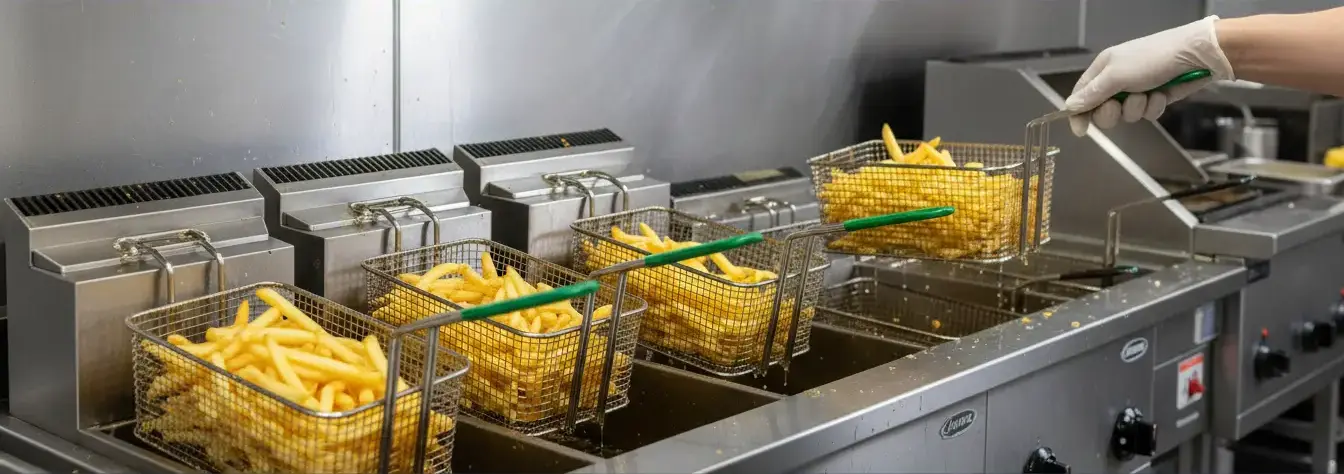
Find the Best Used Cooking Oil Collection Companies for Your Business
No obligation • Fast responses • Nationwide coverage

Why you can trust Restaurant Waste Disposal
Restaurant Waste Disposal is a leading U.S. resource for comparing restaurant composting, food-waste recycling, grease trap cleaning, and used cooking oil collection services. Our editorial team researches providers, checks credentials, and organizes unbiased information so operators can make informed decisions. Companies cannot pay to change ratings or placement.
Search providers near you
Top Used Cooking Oil Collection Companies in Trenton, New Jersey Ranked
For restaurants and food service businesses in Trenton, managing used cooking oil (UCO) is a critical operational and environmental responsibility. Proper collection and recycling of this waste stream not only ensures compliance with New Jersey's strict regulations but also transforms a potential liability into a resource for renewable energy. By partnering with licensed haulers, Trenton establishments can efficiently handle their UCO, keeping it out of sewers and landfills while contributing to the production of biodiesel and renewable diesel. This process is governed by state laws requiring meticulous tracking and mandates proper on-site storage to prevent contamination and theft.

Philadelphia Hood Cleaning Commercial Kitchen Cleaners
Philadelphia, PA
Philadelphia Hood Cleaning Commercial Kitchen Cleaners provides grease trap cleaning, used cooking oil collection, and kitchen exhaust hood cleaning services in Philadelphia, PA. They serve a variety of commercial kitchens including restaurants, bars, and fast-food establishments, focusing on grease removal and maintenance to prevent blockages and regulatory issues. Their experienced technicians use professional equipment to clean grease traps, exhaust hoods, and manage used cooking oil while ensuring compliance with environmental and safety regulations. The company has decades of experience and offers regular maintenance contracts to help clients avoid emergencies and pass inspections.
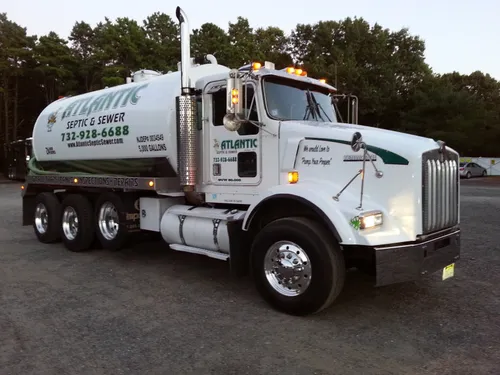
Atlantic Sitton Services, Inc.
647 Herman Rd, Jackson Township, NJ 08527
Atlantic Sitton Services, Inc. provides septic and sewer services, grease trap cleaning, and used cooking oil collection and recycling in Lakewood, NJ. They serve residential, commercial, and government clients throughout New Jersey, offering septic system installation, repair, maintenance, and grease tank pumping. The company is equipped to handle emergency services 24/7 and focuses on environmentally conscientious practices, including converting cooking oil into biofuel. With over 30 years of experience, Atlantic Sitton Services employs certified technicians who use modern technology to maintain and extend the lifespan of septic systems while protecting water quality.

Atlantic Septic & Sewer
Lakewood, NJ
Atlantic Septic & Sewer provides septic and sewer services, grease trap cleaning, and used cooking oil collection in Lakewood, NJ. They serve residential, commercial, and government clients throughout New Jersey, offering septic system installation, repair, maintenance, and grease tank pumping. The company also collects and recycles used cooking oil into biofuel and offers emergency services available 24/7. With over 30 years of experience, Atlantic Septic & Sewer employs certified technicians who focus on environmentally conscientious practices and septic system longevity.
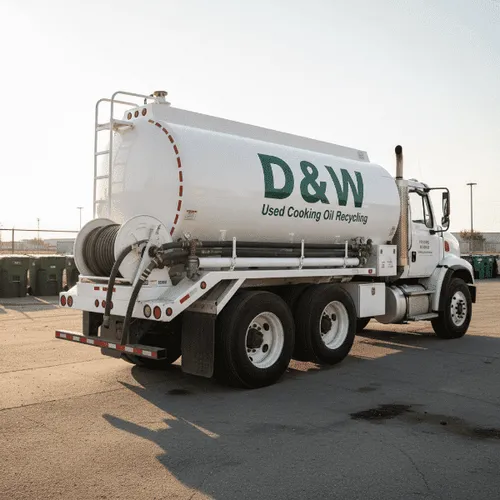
D&W Alternative Energy, Restaurant Oil Pick up and Recycling
220 Allen St, Trenton, NJ 08618
D&W Alternative Energy, Restaurant Oil Pick up and Recycling is a used cooking oil recycling company based in Woodbridge, NJ. They provide used cooking oil pickup and recycling services to restaurants in New Jersey, Pennsylvania, and Delaware. Their services include automated cooking oil management systems and power washing for receptacles and surrounding areas to help clients meet health regulations. Established in 2009, D&W has experience supporting local restaurants and works with law enforcement to prevent grease theft, which can cause environmental and safety issues.
Understanding Local and State Regulations
Navigating the regulatory landscape is the first step for any Trenton business. New Jersey law requires detailed documentation for the transport of grease. A mandatory manifest system tracks every gallon of used cooking oil from your establishment to the recycling facility, ensuring a legal chain of custody 1. This is not just bureaucratic paperwork; it's a crucial tool for environmental protection and combating the theft of valuable grease, which the state treats as a serious offense.
At the local level, Trenton and Mercer County rules emphasize proper source separation. This means the golden, relatively clean oil from your fryers (UCO) must be kept entirely separate from the brown grease and solids collected in your grease trap. Mixing these streams contaminates the UCO, making it less valuable for high-quality recycling into biofuels. Compliance starts with understanding these distinct waste streams and managing them accordingly.
The Collection and Recycling Process
A well-managed grease recycling program follows a clear, efficient cycle from your kitchen to new fuel.
Step 1: On-Site Storage After the oil has cooled, it should be poured into dedicated, sealed containers provided by your hauler. These are typically sturdy bins or drums designed to prevent leaks, contamination from food particles or water, and unauthorized access. Securing these containers is important, as used cooking oil has market value and theft can be a concern for businesses generating significant volume 2 3.
Step 2: Scheduled Pickup Licensed grease haulers, such as those servicing the Trenton area, will establish a pickup schedule based on your establishment's volume. Whether you produce 20 gallons a week or 200, they will provide a reliable service to ensure your storage doesn't overflow. These transporters are the only entities legally permitted to move your used oil under NJ's manifest law 4.
Step 3: Tracking and Processing Upon collection, the hauler will complete the required manifest. The oil is then transported to a processing facility where it undergoes filtering and purification. The end product is a clean feedstock for renewable fuels like biodiesel, closing the loop on a waste product and reducing reliance on fossil fuels 5 6.
Financial Considerations: Costs and Potential Revenue
The economics of used cooking oil collection in Trenton are not one-size-fits-all and are primarily driven by your monthly volume.
- For lower-volume operations (typically under 100 gallons per month), many collection services offer free pickup to secure the feedstock. In some cases, a small service fee may apply to cover transportation costs.
- For medium to high-volume producers (over 100 gallons per month), the dynamic often shifts. You may be eligible for a rebate based on the market value of the grease. These rebates can range from a few cents to over 65 cents per gallon, providing a small revenue stream or offsetting other waste management costs 7.
It's essential to discuss the specific pricing structure-whether it's a fee-for-service, a rebate program, or a combination-when evaluating local grease collection providers.
Find the perfect used cooking oil collection companies for your needs
Get personalized recommendations and expert advice
Best Practices for On-Site Management
Successful participation in a UCO recycling program hinges on proper internal handling. Implementing a few key practices will streamline operations and maximize the value of your oil.
- Designate a Storage Area: Choose a secure, accessible location for your collection bin, preferably near the kitchen but away from public access. This area should be clean and have spill containment measures.
- Train Your Staff: Ensure all kitchen staff know the procedure for disposing of cooled oil. Emphasize that only fryer oil goes into the UCO bin-no grease trap waste, food scraps, or water.
- Maintain Container Integrity: Keep the bin lid securely closed when not in use. This prevents odors, pests, and contamination from rainwater or debris, which can degrade the oil's quality.
- Monitor Fill Levels: Keep an eye on your bin's fill level to avoid overflows and to ensure you're ready for your scheduled pickup. Good communication with your hauler about changing volume needs can optimize your service schedule.
Choosing a Service Provider in Trenton
Selecting the right partner for your used cooking oil collection is a business decision. Look for a provider that is fully licensed and insured to operate in New Jersey, as this is non-negotiable for compliance. Transparency is key; a reputable hauler will clearly explain their fee or rebate structure, pickup schedule, and container provision. They should also be well-versed in the state's manifest requirements and able to provide you with the proper documentation for your records 8 9.
Consider the level of customer service and responsiveness. A provider that acts as a resource, offering guidance on theft prevention or best practices, can be more valuable than one that simply performs pickups. Starting the process is straightforward: reach out to local haulers for a consultation to assess your needs and receive a clear quote for service in Trenton 10.
Environmental and Community Impact
Beyond compliance and economics, responsible used cooking oil management has a positive local impact. When UCO is recycled into biodiesel, it burns cleaner than petroleum diesel, reducing greenhouse gas emissions and air pollutants. Diverting this grease from the waste stream also plays a vital role in protecting Trenton's infrastructure. Improperly disposed oil can clog sewer lines, leading to costly overflows and sanitary sewer backups that affect the entire community. By participating in a formal collection program, your business contributes to a cleaner city and a more sustainable regional economy.
Frequently asked questions
Sources
Footnotes
-
S2166 - NJ Legislature - https://pub.njleg.gov/bills/2014/S2500/2166_I1.HTM ↩
-
Used Cooking Oil Collection & Recycling - D&W Alternative Energy - https://dandwalternativeenergy.com/used-cooking-oil-collection/ ↩
-
NJ Used Oil Theft Prevention Guide - Grease Connections - https://greaseconnections.com/nj-used-oil-theft-prevention-guide/ ↩
-
NJ Franchise Grease Recycling & SOPs 2025 - https://greaseconnections.com/nj-franchise-grease-recycling-sop/ ↩
-
New Jersey Legislature - https://www.njleg.state.nj.us/bill-search/2022/S3437/bill-text?f=S3500&n=3437_I1 ↩
-
Recycling Used Cooking Oil With Green Grease Environmental - https://www.youtube.com/watch?v=KP05Yx-GkHk ↩
-
Restaurant Used Cooking Oil: Disposal, Recycling & Revenue Guide - https://greaseconnections.com/restaurant-used-cooking-oil-disposal-recycling-revenue-guide/ ↩
-
Used Cooking Oil Recycling & Grease Disposal | Trenton NJ - https://greaseconnections.com/locations/nj/trenton/ ↩
-
Used Cooking Oil Recycling Service in New Jersey - https://eazygrease.com/used-cooking-oil-recycling-new-jersey/ ↩
-
Where to Recycle Oil: Guide to Responsible Disposal | FL - https://greaseconnections.com/where-to-recycle-used-cooking-oil-in-florida/ ↩