
Find the Best Used Cooking Oil Collection Companies for Your Business
No obligation • Fast responses • Nationwide coverage

Why you can trust Restaurant Waste Disposal
Restaurant Waste Disposal is a leading U.S. resource for comparing restaurant composting, food-waste recycling, grease trap cleaning, and used cooking oil collection services. Our editorial team researches providers, checks credentials, and organizes unbiased information so operators can make informed decisions. Companies cannot pay to change ratings or placement.
Search providers near you
Top Used Cooking Oil Collection Companies in South Brunswick, New Jersey Ranked
For restaurants and commercial kitchens in South Brunswick, managing used cooking oil (UCO) is a critical operational and environmental responsibility. New Jersey state law mandates the recycling of food waste, which includes used fryer oil, for most large food waste generators. Properly handling this waste stream involves secure storage, working with licensed haulers, and maintaining detailed records through a manifest system. This process not only ensures compliance but transforms a waste product into valuable biofuels, contributing to a circular economy right here in Middlesex County.
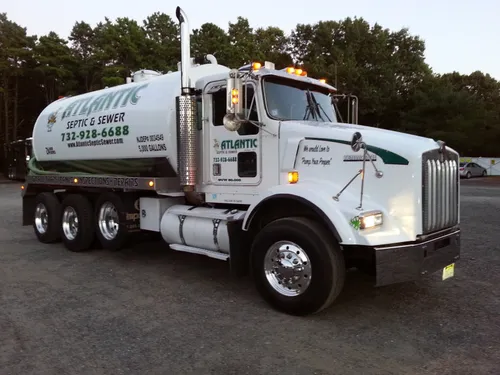
Atlantic Sitton Services, Inc.
647 Herman Rd, Jackson Township, NJ 08527
Atlantic Sitton Services, Inc. provides septic and sewer services, grease trap cleaning, and used cooking oil collection and recycling in Lakewood, NJ. They serve residential, commercial, and government clients throughout New Jersey, offering septic system installation, repair, maintenance, and grease tank pumping. The company is equipped to handle emergency services 24/7 and focuses on environmentally conscientious practices, including converting cooking oil into biofuel. With over 30 years of experience, Atlantic Sitton Services employs certified technicians who use modern technology to maintain and extend the lifespan of septic systems while protecting water quality.

Atlantic Septic & Sewer
Lakewood, NJ
Atlantic Septic & Sewer provides septic and sewer services, grease trap cleaning, and used cooking oil collection in Lakewood, NJ. They serve residential, commercial, and government clients throughout New Jersey, offering septic system installation, repair, maintenance, and grease tank pumping. The company also collects and recycles used cooking oil into biofuel and offers emergency services available 24/7. With over 30 years of experience, Atlantic Septic & Sewer employs certified technicians who focus on environmentally conscientious practices and septic system longevity.
NJ Oil Recyclers
New York, NY
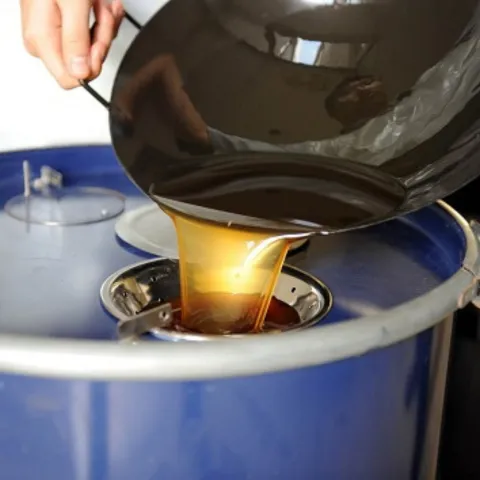
NJ Oil Recyclers provides used cooking oil collection and grease trap cleaning services in New York, NY. They specialize in collecting and recycling various types of restaurant cooking oils, including vegetable oil, fish oil, chicken fat, hog fat, and bacon grease. Their services include providing oil containers, regular oil pickup before containers are full, and thorough grease trap cleaning without chemicals. The company operates a licensed commercial oil recycling facility and uses specialized vehicles to ensure safe and compliant oil waste handling. NJ Oil Recyclers focuses on environmentally responsible recycling and sustainability in their operations.
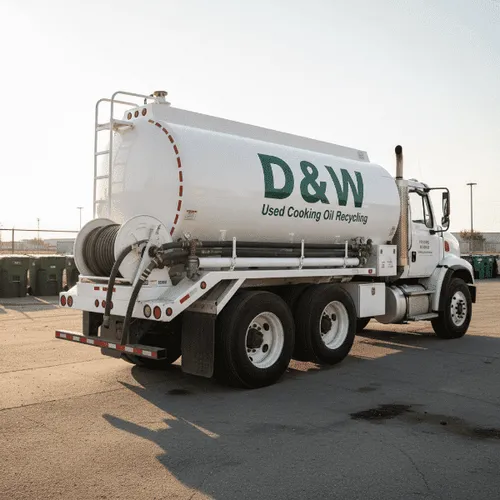
D&W Alternative Energy, Restaurant Oil Pick up and Recycling
220 Allen St, Trenton, NJ 08618
D&W Alternative Energy, Restaurant Oil Pick up and Recycling is a used cooking oil recycling company based in Woodbridge, NJ. They provide used cooking oil pickup and recycling services to restaurants in New Jersey, Pennsylvania, and Delaware. Their services include automated cooking oil management systems and power washing for receptacles and surrounding areas to help clients meet health regulations. Established in 2009, D&W has experience supporting local restaurants and works with law enforcement to prevent grease theft, which can cause environmental and safety issues.
Understanding New Jersey's Food Waste Recycling Law
New Jersey's Food Waste Recycling Law establishes clear requirements for businesses that generate significant amounts of food waste. Facilities, including many restaurants, that produce over 52 tons of food waste per year are required to separate and recycle this material 1 2. Used cooking oil is a key component of this regulated waste stream. The law is designed to divert organic material from landfills, reducing greenhouse gas emissions and supporting the state's sustainability goals. Compliance is not optional; it's a legal requirement for covered entities, and proper grease recycling is a fundamental part of meeting this mandate.
The Step-by-Step Process for Grease Recycling
Implementing a compliant and efficient used cooking oil collection system involves several key steps.
1. Secure On-Site Storage The first line of defense is proper storage. Used oil should be transferred from fryers into heavy-duty, lockable containers, typically made of steel and ranging from 55 to 300 gallons in capacity 3. These containers should be placed on a level, concrete surface and secured with a visible padlock. Some service providers equip bins with RFID tags for enhanced tracking and theft prevention. Ideally, containers are located in areas with security camera coverage to deter unauthorized access.
2. Scheduled Collection by Licensed Haulers A licensed grease hauler will schedule regular pickups based on your kitchen's oil production volume. During a collection, the service technician will pump the oil from your secure container into their specialized truck. It is crucial to work with a hauler licensed to operate in New Jersey, as they are familiar with state-specific manifest requirements.
3. Documentation and Manifesting This is a critical compliance step. For every pickup, the hauler must provide a manifest-a chain-of-custody document that tracks the oil from your site to its final recycling destination. This manifest details the quantity collected, the date, and the hauler's information. South Brunswick businesses are required to retain these manifests for a period of three years for regulatory review.
4. Conversion to Biofuel The collected oil doesn't go to waste. It is transported to a processing facility where it is filtered and purified. The end product is typically biodiesel, a renewable fuel that can power vehicles, heat buildings, or generate electricity 4. This process ensures your kitchen's waste is repurposed into a clean energy source.
Preventing Theft and Ensuring Security
Used cooking oil has become a commodity, making secure storage a top priority for cost control and operational integrity. Theft of grease can lead to lost potential revenue, messy spills, and container damage.
- Invest in Robust Containers: Lockable steel bins are the industry standard. While there is an upfront cost, providers note that for high-volume kitchens, this investment can pay for itself quickly through a strong return on investment (ROI) by securing your valuable oil.
- Strategic Placement: Position containers in well-lit areas, preferably within view of security cameras. A visible padlock acts as a deterrent.
- Partner with a Reputable Hauler: Established collection services often have systems to monitor container levels and pickups, helping to identify any irregularities that might indicate tampering or unauthorized siphoning.
Find the perfect used cooking oil collection companies for your needs
Get personalized recommendations and expert advice
Evaluating Service Providers and Cost Structures
When selecting a used cooking oil collection partner in the South Brunswick area, understanding service models and costs is essential. Pricing and structures can vary.
- Free Pickup Services: Some providers, like Eazy Grease, offer collection services with no fees or long-term contracts for qualifying businesses, including restaurants. Their model is based on the value of the recycled commodity.
- Fee-Based or Rebate Services: Other companies may charge a service fee for collection and container rental. However, they might also offer rebates based on the volume of oil collected, which can offset costs. Grease Connections, for example, provides instant quotes and discusses potential rebates per gallon.
- Key Selection Factors: Beyond cost, consider the provider's reliability, compliance expertise (especially with NJ manifest laws), container security features, and customer service. Getting a custom quote based on your specific weekly oil output is the best way to compare options 5 6.
Creating a Kitchen Standard Operating Procedure (SOP)
For a recycling program to run smoothly, clear internal procedures are vital. A Standard Operating Procedure (SOP) for used cooking oil ensures all staff members handle and document oil correctly.
A modern SOP might include:
- Designating specific staff responsible for transferring cooled oil to the secure outdoor container.
- Training on how to properly lock the container after each use.
- Implementing a digital tool, such as a QR code system, that staff can scan at the time of pickup to instantly generate and file the required manifest, replacing paper forms 7.
- Defining a chain of custody for reviewing and storing manifests for the required three-year period.
Getting Started with a Recycling Program
If you're establishing or reviewing your used cooking oil collection system in South Brunswick, follow these steps:
- Assess Your Volume: Track how much oil your kitchen uses in a typical week. This data is essential for determining the right container size and collection frequency.
- Research Licensed Haulers: Contact several providers that service Middlesex County. Ask about their service models, compliance procedures, container security, and cost structures 8 9.
- Request Quotes: Obtain detailed quotes based on your assessed volume. Inquire about any rebates, fees, or contracts.
- Implement Storage & Security: Install appropriate lockable containers in a secure location.
- Develop Your SOP: Train your team on the new procedures, emphasizing the importance of security and documentation.
Frequently asked questions
Sources
Footnotes
-
NJDEP| Division of Sustainable Waste Management | Food Waste Recycling rules - https://dep.nj.gov/dshw/swpl/fw/food-waste-recycling-rules/ ↩
-
Food Waste Recycling | Middlesex County NJ - https://www.middlesexcountynj.gov/government/departments/department-of-public-safety-and-health/office-of-health-services/solid-waste-management-program/food-waste-recycling ↩
-
Bill S3437 - NJ Legislature - https://www.njleg.state.nj.us/bill-search/2022/S3437/bill-text?f=S3500&n=3437_I1 ↩
-
Recycling Used Cooking Oil With Green Grease Environmental - https://www.youtube.com/watch?v=KP05Yx-GkHk ↩
-
NJ Used Oil Theft Prevention Guide - Grease Connections - https://greaseconnections.com/nj-used-oil-theft-prevention-guide/ ↩
-
Used Cooking Oil Recycling Service in New Jersey - https://eazygrease.com/used-cooking-oil-recycling-new-jersey/ ↩
-
NJ Franchise Grease Recycling & SOPs 2025 - https://greaseconnections.com/nj-franchise-grease-recycling-sop/ ↩
-
Cooking Oil Recycling & Grease Pickup | Middlesex County NJ - https://greaseconnections.com/locations/nj/middlesex/ ↩
-
Cooking Oil Removal Services | Central and South Jersey - https://www.atlanticsittonservices.com/services/cooking-oil-collection-recycling/ ↩