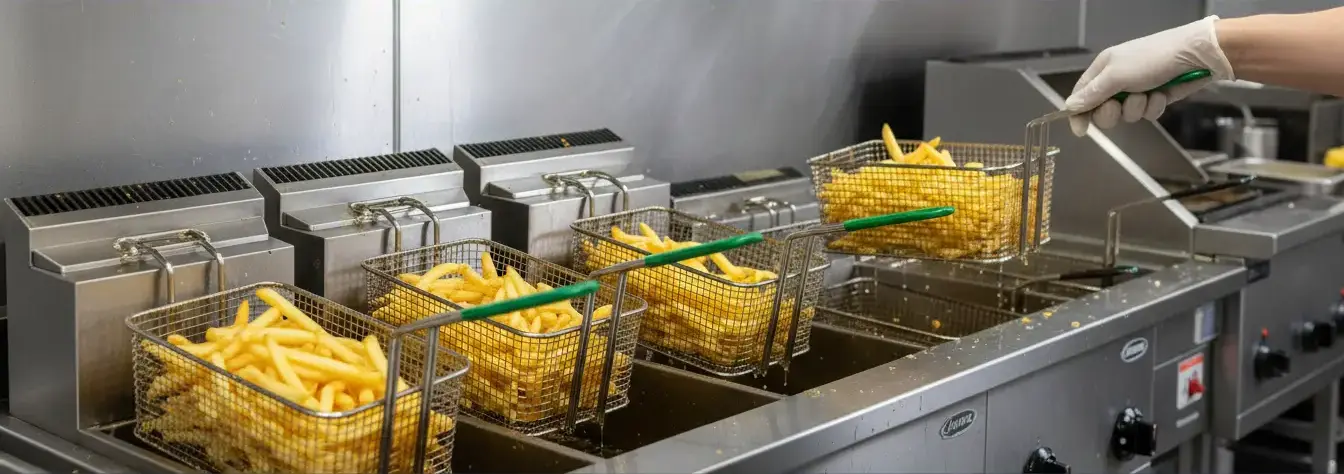
Find the Best Used Cooking Oil Collection Companies for Your Business
No obligation • Fast responses • Nationwide coverage

Why you can trust Restaurant Waste Disposal
Restaurant Waste Disposal is a leading U.S. resource for comparing restaurant composting, food-waste recycling, grease trap cleaning, and used cooking oil collection services. Our editorial team researches providers, checks credentials, and organizes unbiased information so operators can make informed decisions. Companies cannot pay to change ratings or placement.
Search providers near you
Top Used Cooking Oil Collection Companies in Plainfield, New Jersey Ranked
For restaurants and food service establishments in Plainfield, managing used cooking oil (UCO) is more than just a routine cleanup task-it's a critical operational, environmental, and regulatory responsibility. Properly recycling your waste vegetable oil through a professional collection service ensures compliance with New Jersey's strict waste handling laws, prevents costly plumbing issues, and can even turn a waste product into a source of revenue. Specialized providers in the area offer secure, scheduled pickups that transform your used fryer oil into valuable biofuels, creating a sustainable loop for your kitchen's byproducts. By partnering with a licensed hauler, you streamline a complex process, from secure on-site storage to documented chain-of-custody, all while contributing to the local circular economy.
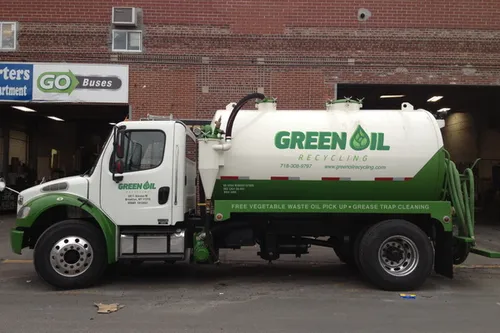
Green Oil Recycling
317 Liberty Ave, Brooklyn, NY 11207
Green Oil Recycling provides professional grease trap cleaning and used cooking oil collection services in New York, NY. They specialize in maintaining commercial kitchen grease traps, including passive hydro mechanical, large pre-cast concrete gravity traps, and auto-grease removal systems like Big Dipper. Their trained technicians thoroughly clean traps, scrape walls, and use bio-safe chemicals to break down waste oil, helping kitchens stay odorless and compliant with local regulations. Green Oil Recycling serves New York City, New Jersey, and Nassau County, ensuring all waste oil disposal meets BIC, DEC, and EPA standards. They also inspect gaskets and fittings to prevent violations and hazards, working closely with Done Right Hood & Fire Safety for comprehensive grease trap and kitchen exhaust maintenance.

New York Hood Cleaning
New York, NY
New York Hood Cleaning provides grease trap cleaning and used cooking oil collection services in New York, NY. They specialize in thorough cleaning of kitchen ducts, fans, hoods, and vents to maintain commercial kitchen operations. The company emphasizes sustainability by recycling used cooking oil for animal feed or fuel. With decades of experience, they offer skilled service using specialized tools to remove grease effectively. Their approach simplifies operations by combining multiple services under one provider, supported by responsive customer service.
Grease Connections
150 Commerce Rd, Carlstadt, NJ 07072
Grease Connections is a used cooking oil collection company serving New York, NY, as well as Florida, Georgia, and New Jersey. They specialize in collecting used cooking oil from restaurants and industrial kitchens, which is then filtered, refined, and shipped to U.S. processors to create biodiesel and renewable aviation fuel. The company provides licensed, spill-free pickups with digital manifests and offers optional RFID-enabled containers for real-time tracking. Grease Connections complies with EPA regulations and state-specific requirements, ensuring proper documentation for audits and inspections. Their service helps clients reduce emissions and avoid fines related to improper grease disposal.
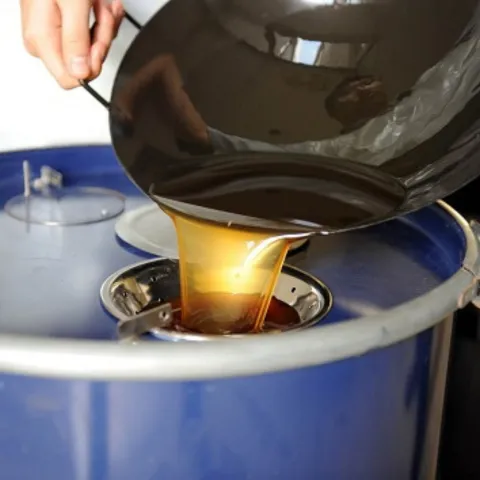
NJ Oil Recyclers
New York, NY
NJ Oil Recyclers provides used cooking oil collection and grease trap cleaning services in New York, NY. They specialize in collecting and recycling various types of restaurant cooking oils, including vegetable oil, fish oil, chicken fat, hog fat, and bacon grease. Their services include providing oil containers, regular oil pickup before containers are full, and thorough grease trap cleaning without chemicals. The company operates a licensed commercial oil recycling facility and uses specialized vehicles to ensure safe and compliant oil waste handling. NJ Oil Recyclers focuses on environmentally responsible recycling and sustainability in their operations.
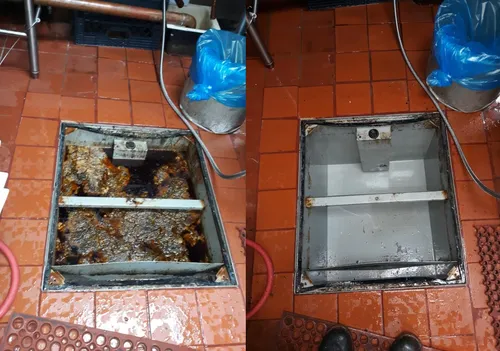
Pm Recycling
320 Roebling St #312, Brooklyn, NY 11211
Pm Recycling is a company based in New York, NY, specializing in used cooking oil collection and grease trap cleaning. They provide services that comply with all regulations, ensuring grease traps are thoroughly cleaned to prevent clogs and fines. The company offers drum provision for waste oil storage and arranges pickups when drums are full, handling waste oil disposal in accordance with DEP regulations.
Understanding the Value of Professional UCO Recycling
Disposing of used cooking oil down the drain is a recipe for disaster, leading to severe drain clogs, sewer backups, and expensive repairs. Beyond avoiding these pitfalls, professional collection unlocks the latent value in your waste oil. This liquid asset is a primary feedstock for biodiesel production, a cleaner-burning renewable fuel. By recycling, your establishment supports green energy initiatives and reduces the environmental footprint of your operations. Furthermore, New Jersey's regulatory framework for transporting grease mandates specific handling procedures, making a professional service not just convenient but essential for legal compliance.
How the Collection Process Works in Plainfield
The process is designed to be hands-off and efficient for restaurant staff, typically following these steps:
- Initial Assessment: A local collection company will evaluate your establishment's weekly or monthly oil usage to determine the volume of UCO generated. This assessment ensures they provide the right equipment and pickup frequency.
- Equipment Provision: You will be supplied with secure, dedicated storage containers or bins, often featuring locking lids. These containers are crucial for safe, clean storage and help prevent theft, which can be a concern for valuable UCO 1.
- Scheduled Pickups: Based on your volume, a regular pickup schedule is established-whether weekly, bi-weekly, or monthly. Reliable providers stick to this schedule to prevent overflows.
- Professional Collection: On pickup day, a service truck equipped with pumping equipment will safely transfer the oil from your storage containers into its tank. Trained technicians handle the transfer to prevent spills and contamination.
- Documentation & Compliance: For each pickup, you should receive a detailed manifest or service report. This paperwork is a critical part of New Jersey's mandated chain-of-custody tracking for grease transport, serving as your proof of proper recycling and disposal.
Navigating New Jersey's Grease Transportation Regulations
Compliance is a major reason to use a professional service. New Jersey state law requires a uniform manifest system for the transportation of grease and other recyclable materials 2 3. This "bill of lading" tracks the grease from your restaurant to the processing facility, requiring details like the generator's information, vehicle identification, and signatures at each transfer point. A reputable collection company manages this entire documentation process on your behalf, ensuring your business adheres to all state regulations 4 5. It's important to note that while some municipalities may offer recycling drop-off for residents, commercial establishments like restaurants are required to use licensed private haulers for used cooking oil collection 2.
Potential Costs and Rebate Structures
The financial model for used cooking oil collection is typically volume-based. Many providers offer free pickup for lower volumes, with the potential for rebates as your collected quantity increases. The exact structure varies by provider and current market prices for recycled oil, but general tiers often look like this:
- Lower Volume (e.g., under 100 gallons per month): Service may be provided at little to no cost, as the hauler's revenue comes from selling the oil to processors.
- Medium Volume (e.g., 100-500 gallons per month): At this level, restaurants often begin to earn a rebate, which can range from a few cents to over forty cents per gallon 6.
- High Volume (e.g., over 500 gallons per month): Establishments generating large, consistent volumes can negotiate more significant rebates, potentially turning UCO into a noticeable secondary revenue stream that offsets other operational costs 7.
It's essential to get a clear quote from your provider that outlines any fees, the rebate rate, and how payments are calculated and issued.
Find the perfect used cooking oil collection companies for your needs
Get personalized recommendations and expert advice
Choosing a Local Collection Partner
When selecting a service provider in the Plainfield area, look for companies with a proven track record in Union and Middlesex Counties. Establishments like Grease Connections, which services Union County, or other regional operators like D&W Alternative Energy, have the local expertise and infrastructure necessary for reliable service 8 9 10. Key factors to consider include their pickup reliability, the security and condition of their storage bins, transparency in rebate calculations, and their thoroughness in providing the required compliance documentation. A good partner acts as an extension of your operations, handling a complex logistical and regulatory task seamlessly.
The Recycling Journey: From Fryer to Fuel
Once collected from your Plainfield restaurant, the used cooking oil begins its transformation. It is transported to a processing facility where it undergoes filtration to remove food particles and water. The purified oil is then chemically processed through a reaction called transesterification to create biodiesel 11 12. This biofuel can be used in standard diesel engines, often blended with petroleum diesel. Other end uses can include ingredients for animal feed or industrial lubricants. By recycling, your kitchen's waste directly contributes to producing renewable energy, reducing reliance on fossil fuels and lowering overall carbon emissions.
Best Practices for On-Site UCO Management
To ensure a smooth and profitable recycling process, follow these guidelines:
- Use Designated Containers Only: Never mix used cooking oil with other liquids like water, detergent, or solid food waste, as contamination can ruin a batch and lower its value.
- Allow Oil to Cool: Before transferring, let the oil cool to a safe handling temperature to prevent burns and container damage.
- Secure Storage: Keep collection bins locked and in a secure, accessible area for the pickup crew to prevent tampering or theft.
- Maintain Records: File all pickup manifests and service reports for your records. These are important for both internal accounting and potential regulatory audits.
- Communicate with Your Provider: Inform your hauler of any significant changes in your oil volume or if you anticipate a special event that will generate extra waste oil.
Implementing a professional used cooking oil collection system is a clear win for Plainfield restaurants. It mitigates operational risks, ensures regulatory compliance, enhances sustainability credentials, and can improve the bottom line. By transforming a messy waste product into a resource, your business takes a proactive step toward more efficient and environmentally responsible operations.
Frequently asked questions
Sources
Footnotes
-
Grease Collection Service: What is it - Grand Natural Inc - https://www.grandnaturalinc.com/blog/what-is-grease-collection-service.html ↩
-
Recycling Program Drop-Off and Curbside - South Plainfield Borough - https://www.southplainfieldnj.com/spnj/Announcements/Recycling%20Program%20Drop-Off%20and%20Curbside/ ↩ ↩2
-
S2166 - NJ Legislature - https://pub.njleg.gov/bills/2014/S2500/2166_I1.HTM ↩
-
NJ Franchise Grease Recycling & SOPs 2025 - https://greaseconnections.com/nj-franchise-grease-recycling-sop/ ↩
-
Bill S3437 - NJ Legislature - https://www.njleg.state.nj.us/bill-search/2022/S3437/bill-text?f=S3500&n=3437_I1 ↩
-
Used Cooking Oil Recycling & Grease Collection | Elizabeth - https://greaseconnections.com/locations/nj/union/elizabeth/ ↩
-
Restaurant Used Cooking Oil: Disposal, Recycling & Revenue Guide - https://greaseconnections.com/restaurant-used-cooking-oil-disposal-recycling-revenue-guide/ ↩
-
Cooking Oil Recycling & Grease Pickup | Union County NJ - https://greaseconnections.com/locations/nj/union/ ↩
-
Used Cooking Oil Collection & Recycling - D&W Alternative Energy - https://dandwalternativeenergy.com/used-cooking-oil-collection/ ↩
-
Cooking Oil Recycling & Grease Pickup | Middlesex County NJ - https://greaseconnections.com/locations/nj/middlesex/ ↩
-
Used Cooking Oil (UCO) Collection Service For Restaurants - https://thegreasecompany.com/blog/restaurant-used-cooking-oil-collection/ ↩
-
Cooking Oil Removal Services | Central and South Jersey - https://www.atlanticsittonservices.com/services/cooking-oil-collection-recycling/ ↩