Find the Best Used Cooking Oil Collection Companies for Your Business
No obligation • Fast responses • Nationwide coverage

Why you can trust Restaurant Waste Disposal
Restaurant Waste Disposal is a leading U.S. resource for comparing restaurant composting, food-waste recycling, grease trap cleaning, and used cooking oil collection services. Our editorial team researches providers, checks credentials, and organizes unbiased information so operators can make informed decisions. Companies cannot pay to change ratings or placement.
Search providers near you
Top Used Cooking Oil Collection Companies in Piscataway, New Jersey Ranked
For restaurants and food service establishments in Piscataway, managing used cooking oil (UCO) is a critical operational and environmental responsibility. New Jersey enforces specific regulations to ensure this waste stream is properly handled, documented, and recycled, turning a potential liability into a resource for biodiesel or animal feed. Navigating these state mandates requires partnering with licensed haulers, maintaining meticulous records, and implementing proper on-site storage protocols to avoid contamination and potential fines. This guide outlines the essential steps for compliant grease collection and recycling in Piscataway.
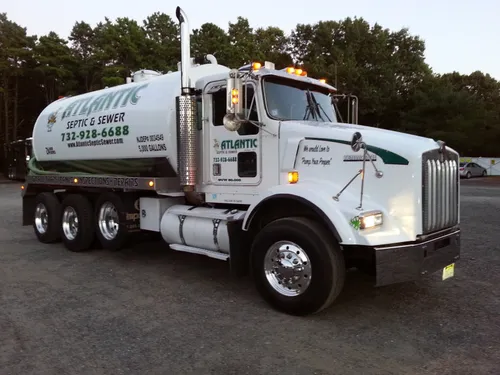
Atlantic Sitton Services, Inc.
647 Herman Rd, Jackson Township, NJ 08527
Atlantic Sitton Services, Inc. provides septic and sewer services, grease trap cleaning, and used cooking oil collection and recycling in Lakewood, NJ. They serve residential, commercial, and government clients throughout New Jersey, offering septic system installation, repair, maintenance, and grease tank pumping. The company is equipped to handle emergency services 24/7 and focuses on environmentally conscientious practices, including converting cooking oil into biofuel. With over 30 years of experience, Atlantic Sitton Services employs certified technicians who use modern technology to maintain and extend the lifespan of septic systems while protecting water quality.

New York Hood Cleaning
New York, NY
New York Hood Cleaning provides grease trap cleaning and used cooking oil collection services in New York, NY. They specialize in thorough cleaning of kitchen ducts, fans, hoods, and vents to maintain commercial kitchen operations. The company emphasizes sustainability by recycling used cooking oil for animal feed or fuel. With decades of experience, they offer skilled service using specialized tools to remove grease effectively. Their approach simplifies operations by combining multiple services under one provider, supported by responsive customer service.
Grease Connections
150 Commerce Rd, Carlstadt, NJ 07072
Grease Connections is a used cooking oil collection company serving New York, NY, as well as Florida, Georgia, and New Jersey. They specialize in collecting used cooking oil from restaurants and industrial kitchens, which is then filtered, refined, and shipped to U.S. processors to create biodiesel and renewable aviation fuel. The company provides licensed, spill-free pickups with digital manifests and offers optional RFID-enabled containers for real-time tracking. Grease Connections complies with EPA regulations and state-specific requirements, ensuring proper documentation for audits and inspections. Their service helps clients reduce emissions and avoid fines related to improper grease disposal.
NJ Oil Recyclers
New York, NY
NJ Oil Recyclers provides used cooking oil collection and grease trap cleaning services in New York, NY. They specialize in collecting and recycling various types of restaurant cooking oils, including vegetable oil, fish oil, chicken fat, hog fat, and bacon grease. Their services include providing oil containers, regular oil pickup before containers are full, and thorough grease trap cleaning without chemicals. The company operates a licensed commercial oil recycling facility and uses specialized vehicles to ensure safe and compliant oil waste handling. NJ Oil Recyclers focuses on environmentally responsible recycling and sustainability in their operations.
Pm Recycling
320 Roebling St #312, Brooklyn, NY 11211
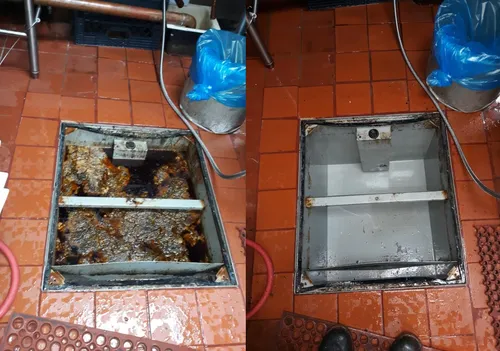
Pm Recycling is a company based in New York, NY, specializing in used cooking oil collection and grease trap cleaning. They provide services that comply with all regulations, ensuring grease traps are thoroughly cleaned to prevent clogs and fines. The company offers drum provision for waste oil storage and arranges pickups when drums are full, handling waste oil disposal in accordance with DEP regulations.
Understanding New Jersey's Regulatory Framework
Proper disposal of waste vegetable oil in Piscataway isn't just a best practice-it's a legal requirement governed by New Jersey state law. The Department of Environmental Protection (DEP) mandates that all commercial used cooking oil be collected by licensed haulers and recycled, diverting it from sewers and landfills. Central to this system is the uniform manifest, a chain-of-custody document that tracks every gallon of oil from your kitchen to the recycling facility. Both the restaurant and the hauler must sign this manifest at each pickup, and you are required to retain these records for a minimum of three years as proof of compliant disposal.
Non-compliance can result in significant penalties. Fines may be levied for improper disposal, such as pouring oil down drains (which leads to sewer blockages and "fatbergs"), or for failing to maintain the required manifests. The state's focus is on creating a transparent, accountable system where waste oil is reliably converted into renewable energy or other products, supporting New Jersey's broader environmental goals.
On-Site Storage and Handling Best Practices
Effective grease management begins inside your establishment. Proper handling from fryer to storage bin is crucial for safety, efficiency, and maximizing the value of your oil.
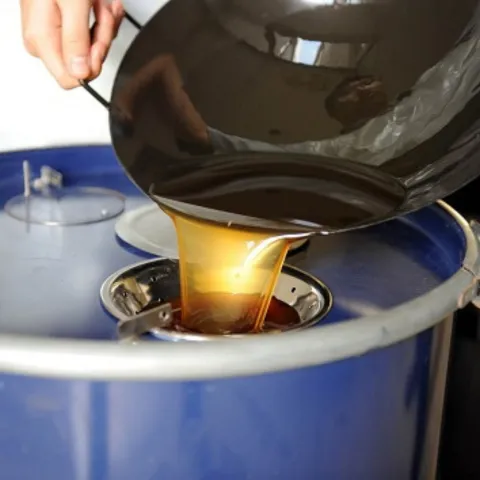
- Use Dedicated, Secure Containers: Always transfer cooled UCO into leak-proof, dedicated collection bins. Most professional collection services provide these containers, which are typically lockable to prevent theft and contamination. These bins should be clearly labeled for "Used Cooking Oil Only".
- Prevent Contamination: The economic value and recyclability of your oil depend on its purity. UCO must be kept free of water, food solids, and especially brown grease (the waste collected from grease traps). Contaminated oil is harder and more expensive to process. Implementing simple practices like using fine-mesh filters when transferring oil can preserve its quality 1.
- Designate a Safe Storage Area: Place your collection bins in a secure, accessible location, such as a fenced exterior area or a dedicated storage room. This area should be away from food preparation zones and customer traffic to minimize safety hazards and should be accessible for collection trucks.
The Collection and Recycling Process
When you partner with a licensed used cooking oil collector in Piscataway, you're engaging in a structured process that ensures regulatory compliance and environmental benefit.
- Scheduled Pickup: Based on your oil production volume, you'll establish a regular pickup schedule-weekly, bi-weekly, or monthly. The hauler will arrive with a specialized truck equipped to pump the oil from your storage containers.
- Documentation and Transfer: At the time of collection, the driver will complete the uniform manifest with details like the date, volume collected, and hauler information. A representative from your restaurant must review and sign this document. You keep one copy, and the hauler takes the others, initiating the official chain of custody 2.
- Transportation to Processing: The licensed hauler transports the collected oil to a certified processing facility. These facilities are equipped to clean, filter, and prepare the oil for its next life.
- Transformation into New Products: The primary end product for recycled UCO is biodiesel, a cleaner-burning renewable fuel. It can also be processed into ingredients for animal feed, industrial lubricants, or even cosmetics. This process completes the circular economy, turning kitchen waste into valuable commodities 3.
Find the perfect used cooking oil collection companies for your needs
Get personalized recommendations and expert advice
Cost Structure and Revenue Potential
The financial model for used cooking oil collection in Piscataway is primarily volume-based. Many restaurants are surprised to learn that their waste oil can actually generate revenue or offset service costs.
- Fee-Based Service: Smaller establishments or those with lower oil output (typically under 100 gallons per month) may pay a service fee for pickup. These fees can range from approximately $50 to $200 per month, covering the cost of container provision, collection, and recycling 4.
- Free Pickup and Rebates: Restaurants that generate larger, consistent volumes of high-quality, uncontaminated oil often qualify for free pickup services. In some cases, they may even earn a rebate. Payment rates vary based on market prices for feedstock but can serve as a small revenue stream. For example, rebates may range from $0.10-$0.25 per gallon for volumes of 100-300 gallons, increasing for higher volumes 5 6.
- The Value of Quality: The cleaner your oil, the more valuable it is to recyclers. Maintaining pure, well-filtered UCO is the key to qualifying for the most favorable financial terms with a collection company 7.
Choosing a Service Provider in Piscataway
Selecting a reliable partner is essential for seamless operations. Look for a provider that is fully licensed and insured to operate in New Jersey. They should have a clear understanding of state manifesting requirements and offer containers that meet safety and security standards. Established local providers, such as Grease Connections, D&W Alternative Energy, and Eazy Grease, offer services in the region and can guide you through the specific compliance needs for Middlesex County 8 9. Before signing a contract, clarify the schedule, all costs or rebate structures, and their process for providing and maintaining the required documentation.
Frequently asked questions
Sources
Footnotes
-
NJ School Cafeteria Grease Checklist & Oil Disposal - https://greaseconnections.com/nj-school-cafeteria-grease-oil-disposal/ ↩
-
NJ Franchise Grease Recycling & SOPs 2025 - https://greaseconnections.com/nj-franchise-grease-recycling-sop/ ↩
-
Bill S3437 - NJ Legislature - https://www.njleg.state.nj.us/bill-search/2022/S3437/bill-text?f=S3500&n=3437_I1 ↩
-
Used Cooking Oil Pickup vs Drop-Off-What's Best for Restaurants? - https://www.greaseprosrecycling.com/used-cooking-oil-pickup-vs-drop-off/ ↩
-
Used Cooking Oil Disposal: Complete Guide to Grease Pickups - https://greaseconnections.com/used-cooking-oil-disposal-guide-grease-pickups/ ↩
-
Restaurant Used Cooking Oil: Disposal, Recycling & Revenue Guide - https://greaseconnections.com/restaurant-used-cooking-oil-disposal-recycling-revenue-guide/ ↩
-
How to Sell Your Used Cooking Oil: A Practical Guide for New ... - https://dandwalternativeenergy.com/blog/selling-used-cooking-oil/ ↩
-
Used Cooking Oil Collection & Recycling - D&W Alternative Energy - https://dandwalternativeenergy.com/used-cooking-oil-collection/ ↩
-
Used Cooking Oil Recycling Service in New Jersey - https://eazygrease.com/used-cooking-oil-recycling-new-jersey/ ↩