Find the Best Used Cooking Oil Collection Companies for Your Business
No obligation • Fast responses • Nationwide coverage

Why you can trust Restaurant Waste Disposal
Restaurant Waste Disposal is a leading U.S. resource for comparing restaurant composting, food-waste recycling, grease trap cleaning, and used cooking oil collection services. Our editorial team researches providers, checks credentials, and organizes unbiased information so operators can make informed decisions. Companies cannot pay to change ratings or placement.
Search providers near you
Top Used Cooking Oil Collection Companies in Parsippany-Troy Hills, New Jersey Ranked
For restaurants and food service establishments in Parsippany-Troy Hills, managing used cooking oil (UCO) is a critical operational and environmental responsibility. Proper grease recycling is not just about cleanliness; it's a regulated process that protects local sewer systems, ensures compliance with New Jersey state law, and can even turn a waste product into a revenue stream. By partnering with a licensed collector, businesses can implement a seamless system for oil storage, scheduled pickup, and documentation, transforming a potential liability into a component of their sustainability efforts. This guide outlines the essential steps, local rules, and benefits of establishing a reliable used cooking oil collection program.
Loeffels Waste Oil Services
43 Layton Ln, Sparta, NJ 07871
Loeffels Waste Oil Services is a family-owned company based near New York, NY, specializing in used cooking oil collection and grease trap cleaning. They serve commercial clients with reliable waste oil removal and grease trap maintenance, including emergency pump-out services. With over ninety years of experience, Loeffels Waste Oil Services emphasizes safety and efficiency in their operations.

New York Hood Cleaning
New York, NY
New York Hood Cleaning provides grease trap cleaning and used cooking oil collection services in New York, NY. They specialize in thorough cleaning of kitchen ducts, fans, hoods, and vents to maintain commercial kitchen operations. The company emphasizes sustainability by recycling used cooking oil for animal feed or fuel. With decades of experience, they offer skilled service using specialized tools to remove grease effectively. Their approach simplifies operations by combining multiple services under one provider, supported by responsive customer service.
Grease Sharks
New York, NY
Grease Sharks is a grease trap cleaning and used cooking oil collection company based in New York, NY. They serve the Greater New York City area, including New Jersey, Westchester, and Connecticut. Their services include grease trap cleaning and maintenance, used cooking oil pick up, grease trap installation and plumbing, sewer and line jetting, and drain cleaning. With over a decade of combined experience, Grease Sharks aims to help businesses stay compliant and running smoothly. They provide scheduled maintenance tailored to client needs and offer 24/7 emergency service throughout the year.
Grease Connections
150 Commerce Rd, Carlstadt, NJ 07072
Grease Connections is a used cooking oil collection company serving New York, NY, as well as Florida, Georgia, and New Jersey. They specialize in collecting used cooking oil from restaurants and industrial kitchens, which is then filtered, refined, and shipped to U.S. processors to create biodiesel and renewable aviation fuel. The company provides licensed, spill-free pickups with digital manifests and offers optional RFID-enabled containers for real-time tracking. Grease Connections complies with EPA regulations and state-specific requirements, ensuring proper documentation for audits and inspections. Their service helps clients reduce emissions and avoid fines related to improper grease disposal.
NJ Oil Recyclers
New York, NY
NJ Oil Recyclers provides used cooking oil collection and grease trap cleaning services in New York, NY. They specialize in collecting and recycling various types of restaurant cooking oils, including vegetable oil, fish oil, chicken fat, hog fat, and bacon grease. Their services include providing oil containers, regular oil pickup before containers are full, and thorough grease trap cleaning without chemicals. The company operates a licensed commercial oil recycling facility and uses specialized vehicles to ensure safe and compliant oil waste handling. NJ Oil Recyclers focuses on environmentally responsible recycling and sustainability in their operations.
Understanding Local and State Regulations
Compliance is the cornerstone of any effective used oil management plan. In Parsippany-Troy Hills and across New Jersey, specific regulations govern the handling of fats, oils, and grease (FOG) to prevent sewer blockages and environmental contamination.
The Mandate Against Drain Disposal It is illegal to pour used cooking oil down any drain, including sinks, floor drains, or toilets. UCO is a major contaminant that solidifies in sewer lines, leading to costly blockages, sanitary sewer overflows, and potential fines for the responsible business. Local municipal codes, such as those in Parsippany-Troy Hills, enforce these prohibitions to maintain public sewer infrastructure 1.
Licensing and Manifest Requirements The transport and recycling of used cooking oil are strictly regulated by the New Jersey Department of Environmental Protection (NJDEP). Only haulers with an active NJDEP A901 license are legally permitted to collect and transport UCO. Every pickup must be accompanied by a state manifest-a chain-of-custody document that tracks the oil from your establishment to the recycling facility. Today, this is primarily managed through a digital e-manifest system, providing a clear audit trail for your records and for regulatory inspections.
Separation from Brown Grease A key compliance point is understanding the difference between "yellow grease" (UCO) and "brown grease" (grease trap waste). Used cooking oil from fryers is a recyclable commodity, while the waste from grease interceptors is considered a contaminant-laden byproduct that requires separate, specialized disposal. They must be stored and handled separately; mixing them can contaminate the entire load, making it unrecyclable and subject to higher disposal fees.
The Step-by-Step Collection Process
Implementing a compliant and efficient grease recycling program involves a straightforward partnership with a professional hauler.
1. Secure Storage with Provided Containers The process begins with proper on-site storage. Reputable collection services typically provide restaurants with secure, leak-proof, and lockable collection bins at no cost 2. These containers are designed to prevent spills, deter theft, and keep the oil separate from other waste streams. Some providers offer advanced bins with RFID tags for automated tracking and inventory management 3.
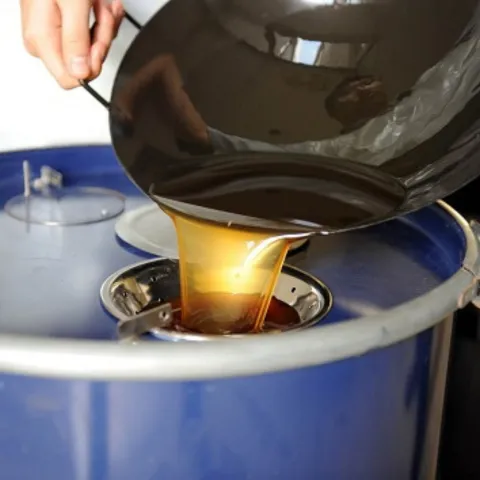
2. Proper Oil Preparation Before transferring oil to the storage container, let it cool to a safe handling temperature. It should then be filtered to remove food particles and sediment. Only clean, spent vegetable oils or animal fats are acceptable for recycling. This preparation step is crucial, as heavily contaminated oil may be rejected by recyclers or result in reduced compensation or added fees.
3. Scheduled Pickup by a Licensed Hauler Your service provider will establish a regular pickup schedule-weekly, bi-weekly, or as needed based on your volume-to ensure your containers never overflow. A licensed driver will collect the full containers, scan them for tracking, and leave empty, clean replacements. This reliable service eliminates the hassle and risk of on-site oil accumulation.
4. Automated Documentation and Recycling At the point of pickup, the hauler initiates the digital state manifest. The collected oil is then transported to a processing facility where it is converted into valuable products like biodiesel, renewable diesel, or animal feed supplements. This closed-loop process ensures your used oil is diverted from landfills and sewers and given a productive second life 4.
Find the perfect used cooking oil collection companies for your needs
Get personalized recommendations and expert advice
Financial Implications: Cost vs. Revenue
A well-managed used cooking oil program can have a positive financial impact. The traditional model of paying for waste disposal does not always apply to UCO.
Potential for Revenue Generation High-quality, clean used vegetable oil is a sought-after feedstock for biofuel production. As a result, many collectors offer this service with no fees. In some cases, restaurants can even earn revenue based on the volume and quality of oil they provide. Market prices can fluctuate, but payments for clean oil can range significantly, providing a small but meaningful offset to operational costs 5 6 7.
Understanding the Fee Structure It's important to clarify the terms with your provider. While many services are free, fees may apply under certain conditions, such as for infrequent or one-time pickups, contamination of the oil, or if the volume is very low. Always request a clear explanation of the pricing structure to avoid unexpected charges.
The Cost of Non-Compliance The financial benefits of a proper program must be weighed against the risks of non-compliance. Fines for illegal dumping into the sewer system can be substantial. Furthermore, the costs associated with repairing grease-clogged drains on your property or being liable for a municipal sewer line blockage can far exceed the cost or potential revenue from a recycling service 8 9.
Benefits Beyond Compliance
Adopting a professional used cooking oil collection service offers advantages that extend past meeting legal requirements.
- Enhanced Sustainability Profile: Recycling UCO into biodiesel reduces reliance on fossil fuels and lowers greenhouse gas emissions. This allows your restaurant to demonstrate a tangible commitment to environmental stewardship, which can resonate positively with customers and the community.
- Operational Convenience and Safety: Outsourcing this messy and potentially hazardous task to experts improves kitchen safety by reducing slip hazards and the risk of burns from hot oil handling. It also frees your staff to focus on core operations.
- Theft Prevention: Used cooking oil has value, making it a target for theft. Professional services provide locked, secure containers and monitored pickup schedules, protecting your asset from unauthorized siphoning.
- Reliable Record-Keeping: Digital manifests and service logs provided by your hauler create an organized record for health inspections or environmental audits, simplifying compliance management.
Selecting a Service Provider in Parsippany-Troy Hills
Several established providers service the Morris County area, including Parsippany-Troy Hills. When evaluating potential partners, consider the following:
- Verify NJDEP Licensing: Always confirm that the hauler holds a current NJDEP A901 license. This is non-negotiable for legal compliance 10.
- Review Service Offerings: Look for providers that offer free, locked containers, automated e-manifesting, and flexible pickup schedules tailored to your volume. Providers like Phibro RenewOil and Grease Connections have established services in the region, offering reliability and compliance support.
- Assess Customer Support: Choose a company known for responsive customer service and clear communication. You want a partner, not just a vendor, who can help you navigate regulations and optimize your program.
- Understand the Contract: Some services operate with flexible, no-contract terms, while others may require a service agreement. Clarify the terms for termination, pickup frequency changes, and pricing adjustments.
By taking a proactive approach to used cooking oil collection, Parsippany-Troy Hills restaurants can ensure regulatory compliance, contribute to a cleaner environment, and potentially improve their bottom line.
Frequently asked questions
Sources
Footnotes
-
Township of Parsippany-Troy Hills, NJ Search: - eCode360 - https://ecode360.com/PA0882/search/92?query=&sortOrder=relevance&scope=code ↩
-
Used Cooking Oil Recycling Service in New Jersey - https://eazygrease.com/used-cooking-oil-recycling-new-jersey/ ↩
-
NJ Franchise Grease Recycling & SOPs 2025 - https://greaseconnections.com/nj-franchise-grease-recycling-sop/ ↩
-
Used Cooking Oil Collection & Recycling - D&W Alternative Energy - https://dandwalternativeenergy.com/used-cooking-oil-collection/ ↩
-
Used Cooking Oil Collection in Morris County NJ | Phibro RenewOil - https://www.phibrorenewoil.com/service-locations/used-cooking-oil-collection-morris-county-nj ↩
-
Used Cooking Oil Pricing & Business Guide - Grease Connections - https://greaseconnections.com/used-cooking-oil-pricing-guide/ ↩
-
Used Cooking Oil Pickup vs Drop-Off-What's Best for Restaurants? - https://www.greaseprosrecycling.com/used-cooking-oil-pickup-vs-drop-off/ ↩
-
S2166 - NJ Legislature - https://pub.njleg.gov/bills/2014/S2500/2166_I1.HTM ↩
-
Township of Parsippany-Troy Hills, NJ Sewage Disposal Systems ... - https://ecode360.com/5107974 ↩
-
NJ Cosmetic Oil Waste Compliance & Recycling Guide 2025 - https://greaseconnections.com/cosmetic-oil-waste-compliance-nj/ ↩