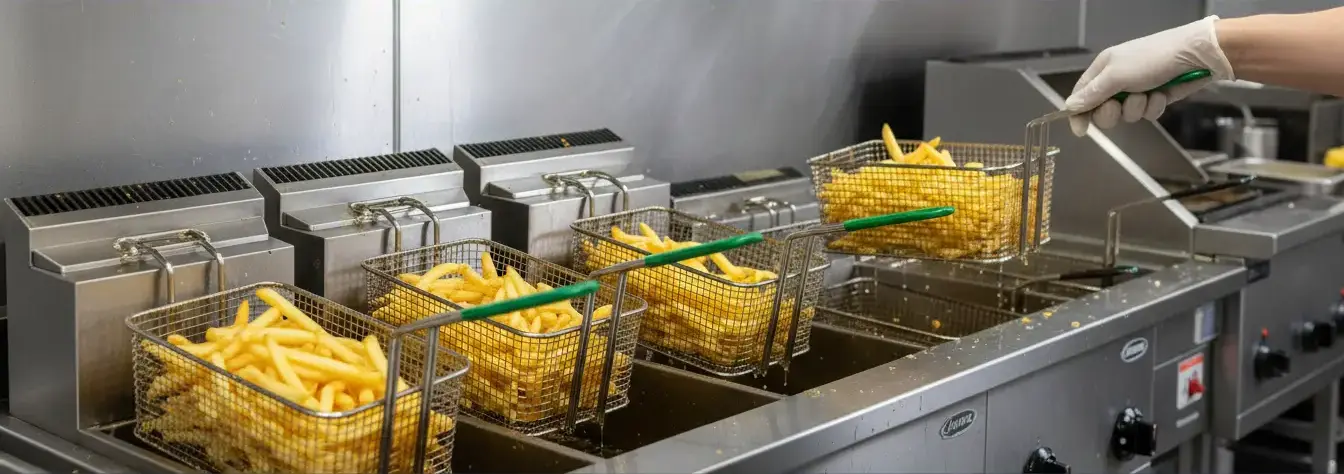
Find the Best Used Cooking Oil Collection Companies for Your Business
No obligation • Fast responses • Nationwide coverage

Why you can trust Restaurant Waste Disposal
Restaurant Waste Disposal is a leading U.S. resource for comparing restaurant composting, food-waste recycling, grease trap cleaning, and used cooking oil collection services. Our editorial team researches providers, checks credentials, and organizes unbiased information so operators can make informed decisions. Companies cannot pay to change ratings or placement.
Search providers near you
Top Used Cooking Oil Collection Companies in Old Bridge, New Jersey Ranked
For restaurants and food service businesses in Old Bridge, managing used cooking oil (UCO) is no longer just a disposal challenge-it's a potential revenue stream and a critical component of environmental compliance. Professional grease collection services provide a seamless system: they supply secure storage containers, handle scheduled pickups, and transform your waste oil into valuable biodiesel. This process not only keeps your kitchen safe and compliant with New Jersey regulations but can also turn a cost center into a source of income through rebate programs. Partnering with a local recycler ensures your oil is handled responsibly from your back door to its new life as renewable fuel.
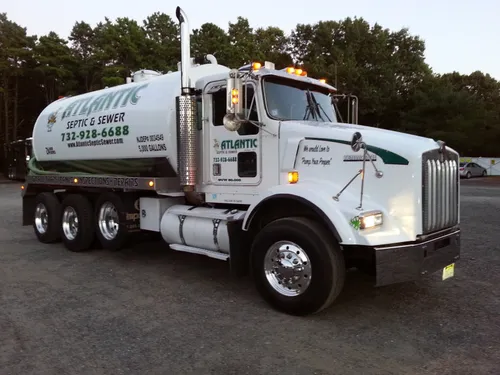
Atlantic Sitton Services, Inc.
647 Herman Rd, Jackson Township, NJ 08527
Atlantic Sitton Services, Inc. provides septic and sewer services, grease trap cleaning, and used cooking oil collection and recycling in Lakewood, NJ. They serve residential, commercial, and government clients throughout New Jersey, offering septic system installation, repair, maintenance, and grease tank pumping. The company is equipped to handle emergency services 24/7 and focuses on environmentally conscientious practices, including converting cooking oil into biofuel. With over 30 years of experience, Atlantic Sitton Services employs certified technicians who use modern technology to maintain and extend the lifespan of septic systems while protecting water quality.

New York Hood Cleaning
New York, NY
New York Hood Cleaning provides grease trap cleaning and used cooking oil collection services in New York, NY. They specialize in thorough cleaning of kitchen ducts, fans, hoods, and vents to maintain commercial kitchen operations. The company emphasizes sustainability by recycling used cooking oil for animal feed or fuel. With decades of experience, they offer skilled service using specialized tools to remove grease effectively. Their approach simplifies operations by combining multiple services under one provider, supported by responsive customer service.
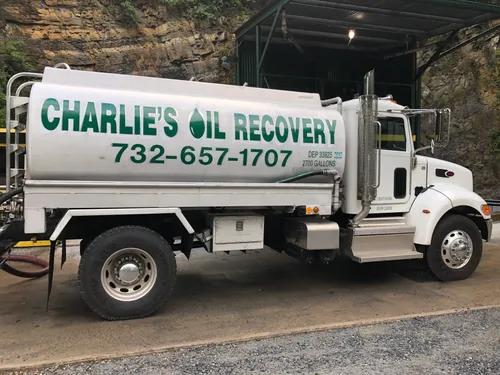
Charlie's Oil Recovery
119 Fairway Dr, Brick Township, NJ 08724
Charlie's Oil Recovery is a used cooking oil collection company based in Lakewood, NJ. The company specializes in collecting used cooking oil from various sources to support recycling and proper disposal efforts in the area.
NJ Oil Recyclers
New York, NY
NJ Oil Recyclers provides used cooking oil collection and grease trap cleaning services in New York, NY. They specialize in collecting and recycling various types of restaurant cooking oils, including vegetable oil, fish oil, chicken fat, hog fat, and bacon grease. Their services include providing oil containers, regular oil pickup before containers are full, and thorough grease trap cleaning without chemicals. The company operates a licensed commercial oil recycling facility and uses specialized vehicles to ensure safe and compliant oil waste handling. NJ Oil Recyclers focuses on environmentally responsible recycling and sustainability in their operations.
Pm Recycling
320 Roebling St #312, Brooklyn, NY 11211
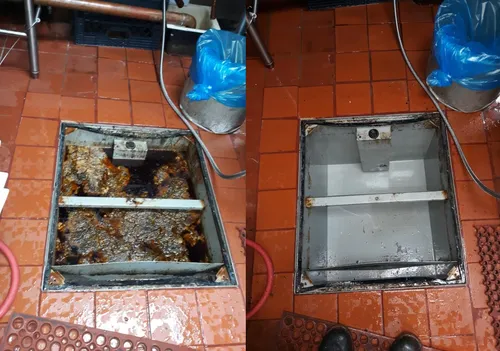
Pm Recycling is a company based in New York, NY, specializing in used cooking oil collection and grease trap cleaning. They provide services that comply with all regulations, ensuring grease traps are thoroughly cleaned to prevent clogs and fines. The company offers drum provision for waste oil storage and arranges pickups when drums are full, handling waste oil disposal in accordance with DEP regulations.
How Grease Collection and Recycling Works
The process for used fryer oil recycling is designed for convenience and security. It begins when a recycling company provides your business with specialized, lockable collection bins, often at no upfront cost. These containers are crucial for safe, on-site storage. On a scheduled basis-whether weekly, bi-weekly, or as-needed-a certified driver arrives to service your location. Using a specialized vacuum truck, the driver safely removes the cooled oil from your bin 1. The oil is then transported to a processing facility where it is cleaned and converted into biodiesel, a cleaner-burning alternative to petroleum diesel. Throughout this chain, proper documentation, often in the form of digital manifests or QR codes, is maintained to track the oil and provide proof of lawful recycling.
On-Site Storage and Safety Protocols
Proper storage is the first step in a successful oil management program. Recyclers typically provide durable, sealed bins made from materials like polyethylene to prevent leaks and odors. These containers should be placed in a well-ventilated area, easily accessible for collection trucks but secure from unauthorized access, often near a rear delivery door. A critical safety rule is to ensure oil has cooled to below 120°F before transferring it to the storage bin to prevent burns and damage to the container. Lids must be kept securely closed to keep out rainwater and debris, which can contaminate the oil and reduce its value for recycling.
The Pickup and Transportation Process
Collection is a streamlined operation. Reputable providers employ drivers who hold necessary certifications, such as Commercial Driver's Licenses (CDL) and sometimes ServSafe training, ensuring they understand food service environments. Pickups can be scheduled regularly or requested on-demand, depending on your volume and needs. The driver will connect a hose from their truck to your storage bin, using a powerful vacuum to transfer the oil. This closed system minimizes spills and mess. Under New Jersey law, the transporter must complete a manifest for the shipment, a record that details the origin, quantity, and destination of the oil, ensuring a verifiable chain of custody.
Find the perfect used cooking oil collection companies for your needs
Get personalized recommendations and expert advice
Compliance and Legal Responsibilities in New Jersey
Navigating state and local regulations is a key reason to work with a professional collector. New Jersey has specific rules governing the transportation and recycling of used cooking oil to prevent illegal dumping and environmental harm. The use of manifests is not just a best practice but a regulatory requirement for transporters. These documents, which are increasingly digital and trackable via QR codes, serve as your proof that the oil was disposed of legally and responsibly. It is illegal to dispose of used cooking oil with regular trash, pour it down drains, or release it into storm sewers, as it can cause severe blockages and environmental contamination. A professional service manages this compliance burden for you.
Turning Waste into Revenue with Rebate Programs
One of the most significant shifts in the industry is the move from a cost-based service to a value-based partnership. Many collection companies now offer rebate programs, meaning they pay you for your used oil instead of charging a pickup fee 2. The rebate rate per gallon can vary based on market conditions for biodiesel feedstocks, but it transforms your waste into a minor income stream 3 2. This revenue can effectively offset other operational costs. Some providers enhance this value by bundling free grease trap cleaning services with their oil collection contracts, addressing two essential waste streams with one reliable partner 4 5.
Choosing a Service Provider in Old Bridge
When selecting a grease collection partner in Middlesex County, consider providers that are established in the New Jersey market. Look for services that offer transparent agreements, free equipment placement, and clear communication about rebate schedules 6. Modern providers often feature customer portals or digital tracking, allowing you to monitor pickup history and rebate earnings online 7. It's advisable to get quotes from a couple of local recyclers to compare their service offerings, rebate rates, and responsiveness. A local company will have a better understanding of Old Bridge's specific requirements and can provide more reliable, timely service 6 8.
Environmental and Operational Benefits
Beyond the financial incentive, professional used cooking oil recycling delivers substantial environmental benefits. Recycling one gallon of used cooking oil can produce nearly a gallon of biodiesel, a renewable fuel that burns cleaner than its petroleum counterpart, reducing greenhouse gas emissions and particulate matter 9. For your operation, it eliminates the hassle and hazard of storing and disposing of hot, slippery oil yourself. It reduces the risk of drain clogs, pest attraction, and environmental violations, contributing to a safer, cleaner, and more sustainable business practice 10 11. Proper management also protects your property from the damage and liability associated with improper disposal.
Frequently asked questions
Sources
Footnotes
-
Cooking Oil Removal Services | Central and South Jersey - https://www.atlanticsittonservices.com/services/cooking-oil-collection-recycling/ ↩
-
NJ Oil Recycling ROI Calculator | Grease Savings Tool - https://greaseconnections.com/nj-oil-recycling-roi-calculator/ ↩ ↩2
-
How to Sell Your Used Cooking Oil: A Practical Guide for New ... - https://dandwalternativeenergy.com/blog/selling-used-cooking-oil/ ↩
-
Used Cooking Oil Collection - New Jersey - NYCCAG.com - https://nyccag.com/used-cooking-oil-collection/used-cooking-oil-collection-new-jersey/ ↩
-
Cooking Oil Recycling & Grease Pickup | Monmouth County NJ - https://greaseconnections.com/locations/nj/monmouth/ ↩
-
Cooking Oil Recycling & Grease Pickup | Middlesex County NJ - https://greaseconnections.com/locations/nj/middlesex/ ↩ ↩2
-
NJ Franchise Grease Recycling & SOPs 2025 - https://greaseconnections.com/nj-franchise-grease-recycling-sop/ ↩
-
Department of Solid Waste Management - https://www.co.ocean.nj.us/oc/solidwaste/frmRegContentSW.aspx?ID=283f4b31-2a8d-41d1-88ad-5236953babd5 ↩
-
Used Cooking Oil Recycling Service in New Jersey - https://eazygrease.com/used-cooking-oil-recycling-new-jersey/ ↩
-
Used Cooking Oil Disposal: Complete Guide to Grease Pickups - https://greaseconnections.com/used-cooking-oil-disposal-guide-grease-pickups/ ↩
-
S2166 - NJ Legislature - https://pub.njleg.gov/bills/2014/S2500/2166_I1.HTM ↩