Find the Best Used Cooking Oil Collection Companies for Your Business
No obligation • Fast responses • Nationwide coverage

Why you can trust Restaurant Waste Disposal
Restaurant Waste Disposal is a leading U.S. resource for comparing restaurant composting, food-waste recycling, grease trap cleaning, and used cooking oil collection services. Our editorial team researches providers, checks credentials, and organizes unbiased information so operators can make informed decisions. Companies cannot pay to change ratings or placement.
Search providers near you
Top Used Cooking Oil Collection Companies in North Brunswick, New Jersey Ranked
For restaurants and food service businesses in North Brunswick, managing used cooking oil (UCO) is more than just a kitchen task-it's a regulated component of sustainable operations. New Jersey's mandatory food waste recycling laws require many establishments to properly recycle their UCO through licensed haulers, turning a waste product into valuable biodiesel feedstock. This process involves secure storage, detailed tracking, and partnering with certified providers to ensure compliance and environmental responsibility. Navigating these requirements efficiently can streamline your back-of-house operations and contribute to the state's green energy goals.
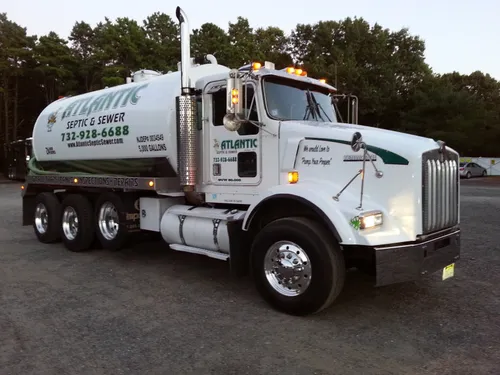
Atlantic Sitton Services, Inc.
647 Herman Rd, Jackson Township, NJ 08527
Atlantic Sitton Services, Inc. provides septic and sewer services, grease trap cleaning, and used cooking oil collection and recycling in Lakewood, NJ. They serve residential, commercial, and government clients throughout New Jersey, offering septic system installation, repair, maintenance, and grease tank pumping. The company is equipped to handle emergency services 24/7 and focuses on environmentally conscientious practices, including converting cooking oil into biofuel. With over 30 years of experience, Atlantic Sitton Services employs certified technicians who use modern technology to maintain and extend the lifespan of septic systems while protecting water quality.

Atlantic Septic & Sewer
Lakewood, NJ
Atlantic Septic & Sewer provides septic and sewer services, grease trap cleaning, and used cooking oil collection in Lakewood, NJ. They serve residential, commercial, and government clients throughout New Jersey, offering septic system installation, repair, maintenance, and grease tank pumping. The company also collects and recycles used cooking oil into biofuel and offers emergency services available 24/7. With over 30 years of experience, Atlantic Septic & Sewer employs certified technicians who focus on environmentally conscientious practices and septic system longevity.
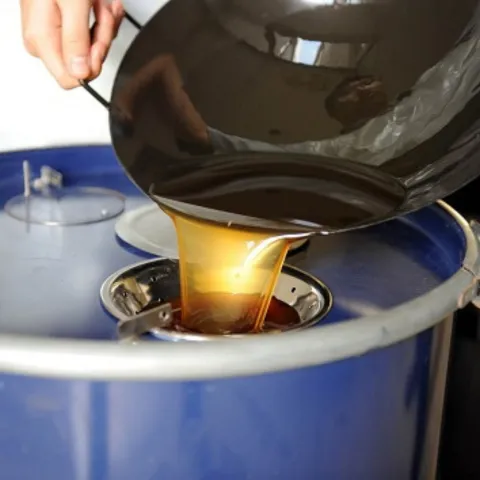
NJ Oil Recyclers
New York, NY
NJ Oil Recyclers provides used cooking oil collection and grease trap cleaning services in New York, NY. They specialize in collecting and recycling various types of restaurant cooking oils, including vegetable oil, fish oil, chicken fat, hog fat, and bacon grease. Their services include providing oil containers, regular oil pickup before containers are full, and thorough grease trap cleaning without chemicals. The company operates a licensed commercial oil recycling facility and uses specialized vehicles to ensure safe and compliant oil waste handling. NJ Oil Recyclers focuses on environmentally responsible recycling and sustainability in their operations.
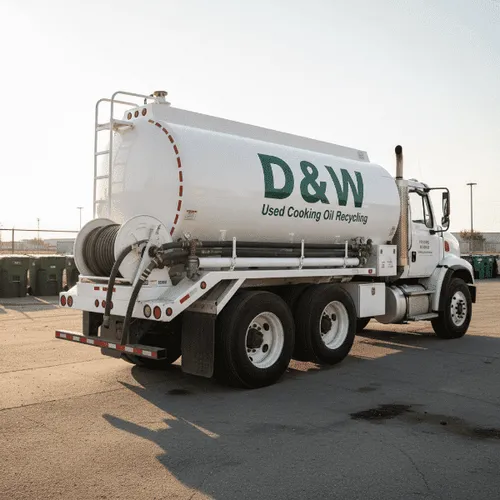
D&W Alternative Energy, Restaurant Oil Pick up and Recycling
220 Allen St, Trenton, NJ 08618
D&W Alternative Energy, Restaurant Oil Pick up and Recycling is a used cooking oil recycling company based in Woodbridge, NJ. They provide used cooking oil pickup and recycling services to restaurants in New Jersey, Pennsylvania, and Delaware. Their services include automated cooking oil management systems and power washing for receptacles and surrounding areas to help clients meet health regulations. Established in 2009, D&W has experience supporting local restaurants and works with law enforcement to prevent grease theft, which can cause environmental and safety issues.
DAR PRO Solutions
825 Wilson Ave, Newark, NJ 07105
DAR PRO Solutions is a used cooking oil collection company based in New York, NY. They provide collection services for used cooking oil in the area. While specific capabilities and business history are not detailed, the company focuses on oil collection for recycling or disposal purposes.
Understanding New Jersey's Food Waste Recycling Mandate
New Jersey's Food Waste Recycling Law, which took full effect in recent years, establishes clear rules for large commercial generators of organic waste, including used frying oil. If your establishment generates 52 or more tons of food waste per year and is located within 25 road miles of an authorized recycling facility, you are required to separate and recycle that waste 1. While the specific tonnage threshold primarily targets food scraps, used cooking oil is a key part of this organic waste stream and its proper management is integral to overall compliance. The law underscores a statewide shift from disposal to recycling, aiming to reduce landfill use and greenhouse gas emissions.
For North Brunswick businesses, this means the days of simply pouring oil down the drain or tossing it with regular trash are over. Compliance involves using a state-registered hauler who will provide the necessary documentation and ensure the oil is diverted to an approved processing facility, such as a biodiesel plant 2. The township's own recycling center explicitly accepts residential cooking oil only, not commercial volumes, making a professional collection service essential for restaurants 3.
The Role of Licensed Haulers and Manifests
A cornerstone of compliant UCO recycling in New Jersey is the use of licensed haulers and a state-mandated manifest system. Every registered hauler must display a decal on their collection vehicle and provide a manifest, or chain-of-custody form, for every pickup. This document tracks the oil from your kitchen to the recycling facility, detailing the quantity, date, generator information, and the hauler's certification number.
You are required to keep copies of these manifests for a specified period, providing a verifiable record of your recycling efforts 4 5. Modern providers often digitize this process, using QR codes or online portals to simplify record-keeping and ensure accuracy. This system not only proves compliance but also guarantees that your used oil is being handled responsibly and converted into biofuel, rather than being illegally dumped or improperly disposed of.
Setting Up Your Kitchen for Oil Recycling
A smooth and safe collection process starts with proper handling and storage in your kitchen. Best practices begin with cooling and straining the oil after use to remove food particles and debris. This step is crucial, as cleaner oil is more valuable for biodiesel production and less likely to cause issues with storage containers.
Your hauler will typically provide a secure, lockable collection bin or tote. These containers are designed to prevent spills, odors, and contamination from water or other waste. They should be clearly labeled and stored in an accessible yet secure area, such as near a loading dock or in a fenced enclosure, to facilitate easy pickup while preventing theft or vandalism. Establishing a standard operating procedure for your staff to transfer cooled, strained oil into this dedicated container helps maintain a clean and efficient system.
From Pickup to Biofuel: The Recycling Journey
Once your collection bin is full, your scheduled hauler will arrive to pump or swap out the container. The collected oil is then transported to a processing facility. There, it undergoes filtration and purification to remove any remaining impurities. The end product is a clean feedstock for biodiesel, a renewable fuel that burns cleaner than traditional petroleum diesel, reducing overall carbon emissions 6.
This circular economy model means the oil used to fry foods in North Brunswick can power vehicles, heat buildings, or generate electricity. By participating in a formal UCO collection program, your business directly supports this green industry and New Jersey's renewable energy targets.
Find the perfect used cooking oil collection companies for your needs
Get personalized recommendations and expert advice
Cost Structure and Potential Revenue
A common question from restaurant managers is about the cost of used cooking oil pickup. The financial model for UCO collection is unique; because the oil has value as a commodity, many services are structured around sharing that value rather than charging a flat fee. The cost or rebate you receive is typically tied directly to the volume of oil you generate.
- Low Volume (e.g., under 100 gallons per month): Many haulers offer free pickup and container service for smaller generators. The revenue from selling the oil to biodiesel producers covers the hauler's operational costs.
- Medium to High Volume (e.g., 100-500+ gallons per month): As your output increases, so does the potential value. It is common for providers to offer rebate programs, paying the restaurant a set rate per gallon. Rebates can range from a few cents per gallon for moderate volumes to higher rates for very large, consistent outputs 7. These rebates can turn a waste line item into a minor revenue stream or help offset other operational costs.
Getting a precise quote requires a provider to assess your specific volume, pickup frequency needs, and site logistics.
Choosing a Service Provider in North Brunswick
Selecting the right UCO collection partner is key. Look for a provider that is fully licensed and registered with the State of New Jersey. They should be transparent about their process, from providing secure, clean containers to offering clear, digitized manifest tracking. Providers with local experience, such as those serving Middlesex County, will be familiar with area-specific logistics and regulations 8 9.
The next steps are straightforward:
- Assess Your Volume: Monitor how much oil you use over a typical week or month.
- Contact Local Haulers: Reach out to several licensed providers for a site assessment and a detailed quote or rebate proposal.
- Review Agreements: Ensure the service agreement includes all necessary compliance documentation, secure containers, and a reliable pickup schedule.
- Implement Your System: Train your staff on the new procedures for oil cooling, straining, and storage to ensure a seamless start.
By establishing a professional UCO recycling program, your North Brunswick restaurant not only meets legal obligations but also enhances its sustainability profile, contributes to the local green economy, and can potentially improve its bottom line.
Frequently asked questions
Sources
Footnotes
-
Food Waste Recycling | Middlesex County NJ - https://www.middlesexcountynj.gov/government/departments/department-of-public-safety-and-health/office-of-health-services/solid-waste-management-program/food-waste-recycling ↩
-
Food Waste Recycling rules - https://dep.nj.gov/dshw/swpl/fw/food-waste-recycling-rules/ ↩
-
Miscellaneous Waste - Township of North Brunswick - https://northbrunswicknj.gov/programs_and_service/miscellaneous-waste/ ↩
-
NJ Franchise Grease Recycling & SOPs 2025 - https://greaseconnections.com/nj-franchise-grease-recycling-sop/ ↩
-
Bill S3437 - NJ Legislature - https://www.njleg.state.nj.us/bill-search/2022/S3437/bill-text?f=S3500&n=3437_I1 ↩
-
The Ultimate Guide to Cooking Oil Disposal in New Jersey - https://greaseconnections.com/the-ultimate-guide-to-cooking-oil-disposal-in-new-jersey-2025/ ↩
-
Restaurant Used Cooking Oil: Disposal, Recycling & Revenue Guide - https://greaseconnections.com/restaurant-used-cooking-oil-disposal-recycling-revenue-guide/ ↩
-
Cooking Oil Recycling & Grease Pickup | Middlesex County NJ - https://greaseconnections.com/locations/nj/middlesex/ ↩
-
Used Cooking Oil Recycling Service in New Jersey - Eazy Grease - https://eazygrease.com/used-cooking-oil-recycling-new-jersey/ ↩