
Find the Best Used Cooking Oil Collection Companies for Your Business
No obligation • Fast responses • Nationwide coverage

Why you can trust Restaurant Waste Disposal
Restaurant Waste Disposal is a leading U.S. resource for comparing restaurant composting, food-waste recycling, grease trap cleaning, and used cooking oil collection services. Our editorial team researches providers, checks credentials, and organizes unbiased information so operators can make informed decisions. Companies cannot pay to change ratings or placement.
Search providers near you
Top Used Cooking Oil Collection Companies in North Bergen, New Jersey Ranked
For restaurants in North Bergen, managing used cooking oil (UCO) is a critical operational task that intersects with environmental compliance, kitchen safety, and potential revenue. Proper grease collection and recycling are not just about disposal; they are a structured process governed by state law and best practices to prevent sewer blockages and contribute to the production of renewable biodiesel. By partnering with a professional hauler, food service establishments can transform a waste product into a resource, ensuring regulatory adherence while often offsetting service costs through rebate programs. This guide outlines the essential steps, legal requirements, and local service options for effective used cooking oil management in North Bergen.
Envirogreen Solutions
New York, NY
Envirogreen Solutions provides grease trap cleaning and used cooking oil collection services in New York, NY, including the five boroughs and Nassau County. They help commercial kitchens comply with local environmental regulations by responsibly removing and recycling cooking oil and grease trap waste. Envirogreen is fully licensed and insured, offering compliance paperwork and stickers upon service completion. Their capabilities include grease trap cleaning, cooking oil recycling, and emergency grease trap waste collection. The company is known for maintaining grease traps to keep them flowing properly and offers prompt emergency services when needed.
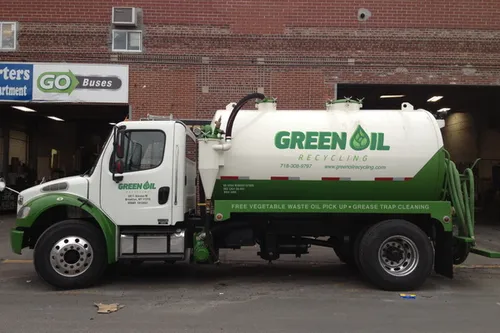
Green Oil Recycling
317 Liberty Ave, Brooklyn, NY 11207
Green Oil Recycling provides professional grease trap cleaning and used cooking oil collection services in New York, NY. They specialize in maintaining commercial kitchen grease traps, including passive hydro mechanical, large pre-cast concrete gravity traps, and auto-grease removal systems like Big Dipper. Their trained technicians thoroughly clean traps, scrape walls, and use bio-safe chemicals to break down waste oil, helping kitchens stay odorless and compliant with local regulations. Green Oil Recycling serves New York City, New Jersey, and Nassau County, ensuring all waste oil disposal meets BIC, DEC, and EPA standards. They also inspect gaskets and fittings to prevent violations and hazards, working closely with Done Right Hood & Fire Safety for comprehensive grease trap and kitchen exhaust maintenance.
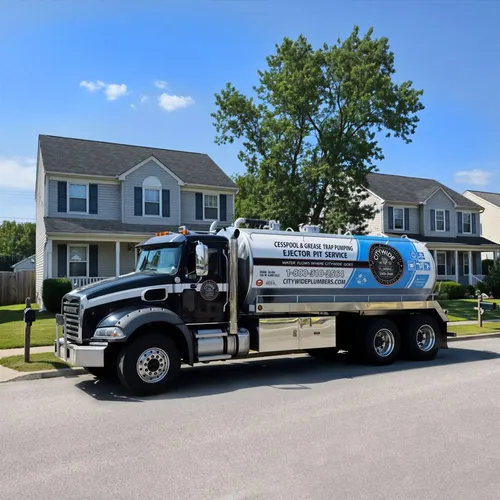
Citywide Grease Trap Maintenance | Cesspool Pumping Service Long Island
110 Voice Rd, Carle Place, NY 11514
Citywide Grease Trap Maintenance | Cesspool Pumping Service Long Island provides comprehensive sewer, drain, cesspool, and grease trap services in New York, NY. Serving both residential and commercial clients in Long Island and the New York Metropolitan area, they offer pumping, cleaning, repairs, and new installations for cesspools and septic systems. Their skilled technicians use state-of-the-art equipment to ensure efficient service. With over 65 years of experience, Citywide also provides 24/7 emergency service to address urgent plumbing needs promptly.

New York Hood Cleaning
New York, NY
New York Hood Cleaning provides grease trap cleaning and used cooking oil collection services in New York, NY. They specialize in thorough cleaning of kitchen ducts, fans, hoods, and vents to maintain commercial kitchen operations. The company emphasizes sustainability by recycling used cooking oil for animal feed or fuel. With decades of experience, they offer skilled service using specialized tools to remove grease effectively. Their approach simplifies operations by combining multiple services under one provider, supported by responsive customer service.
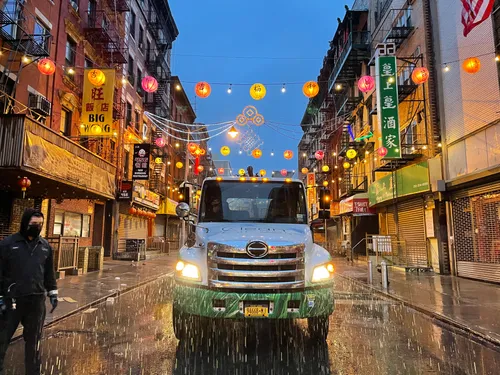
NYC Clean Air Group
154-05 12th Ave, Beechhurst, NY 11357
NYC Clean Air Group is a family-owned business serving New York, NY, and New Jersey. They specialize in used cooking oil collection, grease trap cleaning, and cesspool maintenance for restaurants, stadiums, hospitals, and commissaries across all five boroughs. The company offers licensed and insured services with options for monthly contracts or per-incident work. They emphasize environmentally friendly practices and provide same-day service and free estimates.
Understanding New Jersey's Regulatory Landscape
New Jersey has established clear mandates for food waste recycling, which directly impact how restaurants handle their used fryer oil. The state's food waste recycling rules require large food waste generators to separate and recycle their organic waste if they are located within a certain distance of an authorized facility 1. While specific thresholds apply, the regulatory intent underscores a statewide commitment to diverting waste from landfills. For all establishments, the handling of used cooking oil falls under strict environmental protection guidelines.
A cornerstone of compliance is the manifest system. This is a mandatory chain-of-custody document that tracks every pickup of your used oil. From the moment it leaves your container to its delivery at a recycling facility, the movement is logged. You will receive a digital or paper manifest receipt from your hauler for each service, which serves as your proof of proper disposal and is essential for regulatory audits. Perhaps the most critical prohibition is the illegal dumping of oil into storm drains, sewers, or garbage disposals. This practice can cause severe municipal sewer blockages (known as fatbergs), environmental damage, and result in significant fines for your business.
Best Practices for On-Site Storage and Handling
Safe and efficient storage is the first step in a successful oil collection program. Following these best practices protects your staff, your property, and ensures seamless pickups.
- Use Designated Containers: Professional collection services typically provide secure, leak-proof, lidded containers for your used oil. These are specifically designed for this purpose and should be used exclusively for cooled cooking oil-never for other liquids or trash 2.
- Cool Before Transferring: Always allow oil to cool below 120°F before pouring it from fryers into your storage container. This prevents serious burn risks to employees and avoids damaging the plastic containers.
- Strategic Placement: Position your collection container in an accessible, well-ventilated area, such as near a rear delivery door or in a designated storage zone. This ensures hauler trucks can easily reach it for pumping without disrupting your operations.
- Leverage Technology: Many modern haulers offer containers equipped with wireless fill-level sensors. These devices can alert the service provider when your bin is around 80% full, triggering an automatic pickup. This "on-call" service model helps prevent overflows and optimizes collection schedules 3 4.
The Collection and Recycling Process Explained
When your hauler arrives for a scheduled pickup or an on-demand service triggered by a sensor alert, a straightforward process unfolds:
- Collection: The service technician will pump the used cooking oil from your on-site container directly into their specialized collection truck.
- Documentation: At the time of pickup, the hauler will digitally log the volume collected and generate a manifest. You should receive this document, which details the date, amount, hauler information, and the ultimate destination facility, completing your chain-of-custody record 5.
- Recycling: The collected "yellow grease" is transported to a processing facility. There, it is cleaned and converted into raw material for biodiesel production-a cleaner-burning renewable fuel that reduces greenhouse gas emissions compared to traditional diesel 6.
- Complementary Service: Grease Trap Maintenance: It's important to distinguish used cooking oil collection from grease interceptor (trap) cleaning. While UCO is collected from dedicated bins, grease traps capture fats, oils, and grease (FOG) from dishwater and drains. A comprehensive waste management plan for a North Bergen restaurant should include regular, professional grease trap cleaning to ensure total plumbing system compliance and prevent backups 7.
Local Service Providers and Financial Considerations
Several reputable providers service Bergen County and North Bergen, offering tailored programs for restaurants. Companies like Grease Connections and Eazy Grease are active in the area, providing essential equipment like containers and sensors, along with flexible scheduling.
A key feature of professional used cooking oil collection is the potential for revenue. High-quality, uncontaminated used oil is a valuable commodity for biodiesel producers. Many haulers offer rebate programs, paying restaurants for their oil. Rates can vary but are often in the range of $0.30 or more per gallon 8 9. This rebate can significantly offset or even eliminate any service fees associated with the pickup, making proper recycling a financially neutral or positive practice.
Getting Started: The best way to understand the specific costs and benefits for your operation is to request a quote. Reputable providers will typically assess your needs based on the number of fryers and your estimated weekly oil usage to provide a no-obligation proposal that outlines service frequency, any fees, and the rebate structure 10.
Find the perfect used cooking oil collection companies for your needs
Get personalized recommendations and expert advice
Integrating Oil Collection into Your Kitchen Workflow
Creating a consistent routine for your kitchen staff is vital for program success. Establish a clear standard operating procedure (SOP) that includes:
- Designating a staff member responsible for monitoring oil levels and coordinating with the hauler.
- Implementing a daily or post-service cooling and transfer protocol.
- Training all kitchen employees on the importance of not mixing other waste with the used oil and the legal reasons for proper handling.
- Keeping a dedicated log or digital folder for all manifest receipts to simplify compliance reporting.
By making used oil management a standardized part of your closing or cleaning checklist, you ensure the program runs smoothly and maintains its value.
Environmental and Community Impact
Choosing professional used cooking oil recycling extends benefits far beyond your restaurant's back door. By diverting this waste stream, you are directly contributing to New Jersey's sustainability goals and reducing the burden on local landfills. The conversion to biodiesel supports a circular economy, turning a local waste product into a fuel that can power trucks and equipment. Furthermore, by ensuring your oil is properly collected, you help protect North Bergen's sewer infrastructure from costly blockages and reduce the risk of environmental contamination in local waterways-a positive contribution to the entire community's well-being 11 12.
Frequently asked questions
Sources
Footnotes
-
NJDEP| Division of Sustainable Waste Management | Food Waste Recycling rules - https://dep.nj.gov/dshw/swpl/fw/food-waste-recycling-rules/ ↩
-
Used Cooking Oil Recycling & Grease Pickup | Route 4 Central - https://greaseconnections.com/locations/nj/bergen/route-4-central/ ↩
-
Cooking-Oil Recycling & Grease Pickup | Pascack Valley NJ - https://greaseconnections.com/locations/nj/bergen/pascack-valley/ ↩
-
Grease Collection & Rebates NJ - New Jersey - https://greaseconnections.com/locations/nj/ ↩
-
NJ Franchise Grease Recycling & SOPs 2025 - https://greaseconnections.com/nj-franchise-grease-recycling-sop/ ↩
-
Used Cooking Oil Collection & Recycling - D&W Alternative Energy - https://dandwalternativeenergy.com/used-cooking-oil-collection/ ↩
-
Used Cooking Oil Disposal: Complete Guide to Grease Pickups - https://greaseconnections.com/used-cooking-oil-disposal-guide-grease-pickups/ ↩
-
Bergen County Fryer Oil Pickup | Earn $0.30+/gal in 48 hrs - https://greaseconnections.com/locations/nj/bergen/ ↩
-
How to Dispose of Cooking Oil in New Jersey | 2025 Guide - https://greaseconnections.com/nj-cooking-oil-disposal-guide/ ↩
-
Used Cooking Oil Recycling Service in New Jersey - https://eazygrease.com/used-cooking-oil-recycling-new-jersey/ ↩
-
Restaurant Used Cooking Oil: Disposal, Recycling & Revenue Guide - https://greaseconnections.com/restaurant-used-cooking-oil-disposal-recycling-revenue-guide/ ↩
-
New Jersey Legislature - https://www.njleg.state.nj.us/bill-search/2022/S3437/bill-text?f=S3500&n=3437_I1 ↩