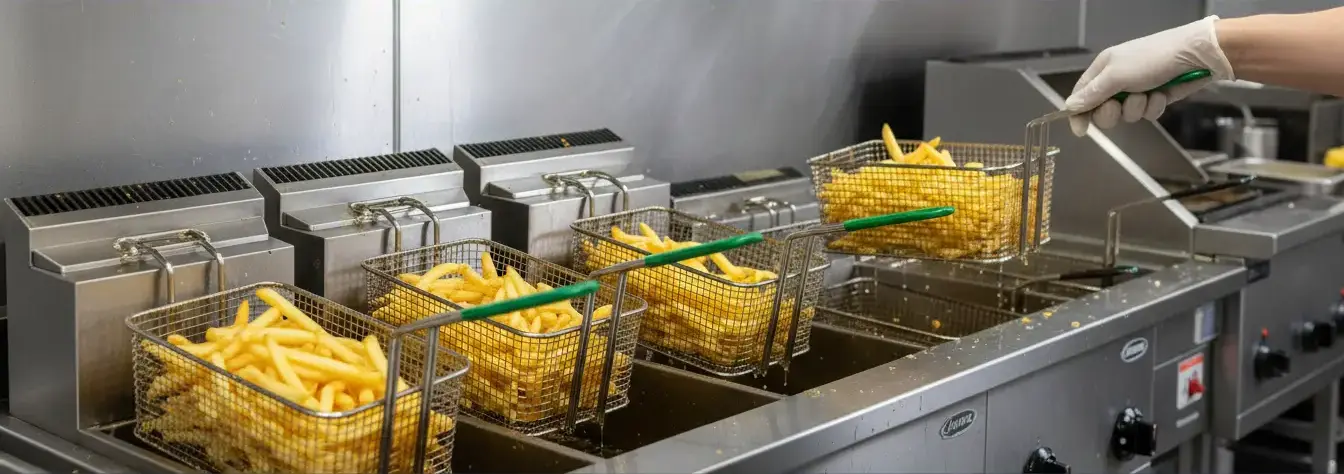
Find the Best Used Cooking Oil Collection Companies for Your Business
No obligation • Fast responses • Nationwide coverage

Why you can trust Restaurant Waste Disposal
Restaurant Waste Disposal is a leading U.S. resource for comparing restaurant composting, food-waste recycling, grease trap cleaning, and used cooking oil collection services. Our editorial team researches providers, checks credentials, and organizes unbiased information so operators can make informed decisions. Companies cannot pay to change ratings or placement.
Search providers near you
Top Used Cooking Oil Collection Companies in New Brunswick, New Jersey Ranked
For restaurants and food service establishments in New Brunswick, managing used cooking oil (UCO) is a critical operational and environmental responsibility. Proper disposal of this waste stream is governed by specific state regulations and offers a pathway to sustainability by converting a potential liability into valuable biofuel. By partnering with a licensed grease collection service, local businesses can ensure compliance, enhance site security, and contribute to a circular economy, all while potentially offsetting disposal costs. This guide outlines the essential steps, legal requirements, and practical benefits of establishing a reliable used oil recycling program in the city.
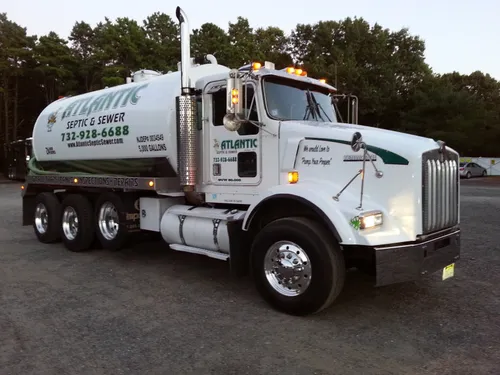
Atlantic Sitton Services, Inc.
647 Herman Rd, Jackson Township, NJ 08527
Atlantic Sitton Services, Inc. provides septic and sewer services, grease trap cleaning, and used cooking oil collection and recycling in Lakewood, NJ. They serve residential, commercial, and government clients throughout New Jersey, offering septic system installation, repair, maintenance, and grease tank pumping. The company is equipped to handle emergency services 24/7 and focuses on environmentally conscientious practices, including converting cooking oil into biofuel. With over 30 years of experience, Atlantic Sitton Services employs certified technicians who use modern technology to maintain and extend the lifespan of septic systems while protecting water quality.

New York Hood Cleaning
New York, NY
New York Hood Cleaning provides grease trap cleaning and used cooking oil collection services in New York, NY. They specialize in thorough cleaning of kitchen ducts, fans, hoods, and vents to maintain commercial kitchen operations. The company emphasizes sustainability by recycling used cooking oil for animal feed or fuel. With decades of experience, they offer skilled service using specialized tools to remove grease effectively. Their approach simplifies operations by combining multiple services under one provider, supported by responsive customer service.
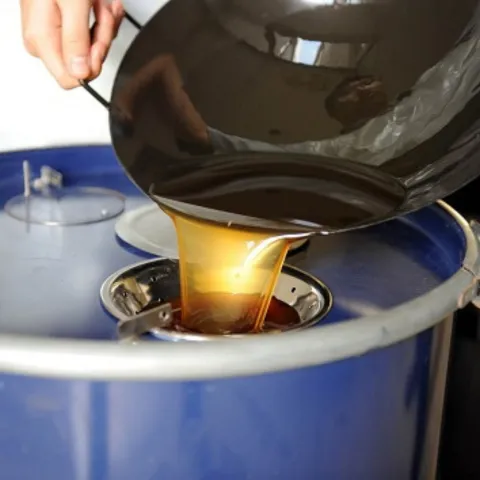
NJ Oil Recyclers
New York, NY
NJ Oil Recyclers provides used cooking oil collection and grease trap cleaning services in New York, NY. They specialize in collecting and recycling various types of restaurant cooking oils, including vegetable oil, fish oil, chicken fat, hog fat, and bacon grease. Their services include providing oil containers, regular oil pickup before containers are full, and thorough grease trap cleaning without chemicals. The company operates a licensed commercial oil recycling facility and uses specialized vehicles to ensure safe and compliant oil waste handling. NJ Oil Recyclers focuses on environmentally responsible recycling and sustainability in their operations.
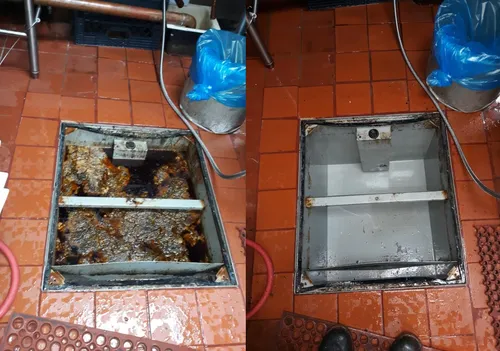
Pm Recycling
320 Roebling St #312, Brooklyn, NY 11211
Pm Recycling is a company based in New York, NY, specializing in used cooking oil collection and grease trap cleaning. They provide services that comply with all regulations, ensuring grease traps are thoroughly cleaned to prevent clogs and fines. The company offers drum provision for waste oil storage and arranges pickups when drums are full, handling waste oil disposal in accordance with DEP regulations.
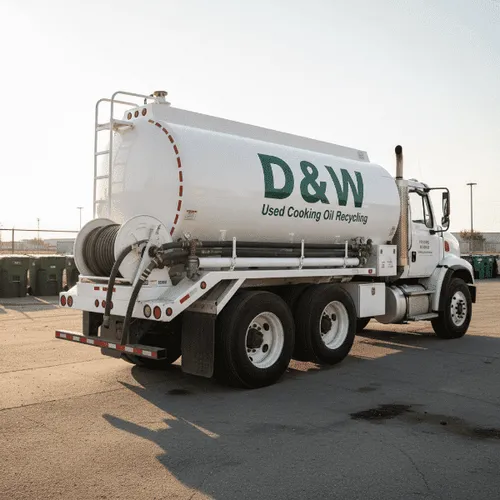
D&W Alternative Energy, Restaurant Oil Pick up and Recycling
220 Allen St, Trenton, NJ 08618
D&W Alternative Energy, Restaurant Oil Pick up and Recycling is a used cooking oil recycling company based in Woodbridge, NJ. They provide used cooking oil pickup and recycling services to restaurants in New Jersey, Pennsylvania, and Delaware. Their services include automated cooking oil management systems and power washing for receptacles and surrounding areas to help clients meet health regulations. Established in 2009, D&W has experience supporting local restaurants and works with law enforcement to prevent grease theft, which can cause environmental and safety issues.
Understanding New Jersey's Regulatory Framework
Navigating the rules for waste grease is the first step for any New Brunswick food service operator. New Jersey has established clear laws to ensure used cooking oil is tracked and recycled responsibly, primarily to prevent theft and environmental harm.
- The Manifest Law: A cornerstone of NJ's approach is the requirement for a tracking manifest system for grease transportation. This law mandates that every transfer of used cooking oil-from your restaurant to the transporter and finally to the processing facility-must be documented. This "cradle-to-grave" paper trail details the source, quantity, hauler, and destination, creating accountability and making theft more difficult.
- Food Waste Recycling Law: For larger generators, New Jersey's Food Waste Recycling law (N.J.S.A. 7:26K) encourages or requires the recycling of organic waste, which can include used cooking oil 1. Compliance with this law often dovetails with establishing a proper UCO collection system.
- Security and Storage Standards: Regulations emphasize secure storage. Restaurants are often required to keep used oil in locked or otherwise secured containers to deter theft, which is a known issue for this valuable commodity. Failure to comply with secure storage and manifest requirements can result in significant fines.
The Step-by-Step Collection Process
Implementing a compliant used cooking oil recycling program with a professional service is a straightforward process typically involving four key stages.
- Container Provision: The recycling service begins by supplying your establishment with designated, durable containers for collecting UCO. These are often lockable drums or bins sized to match your kitchen's volume output, helping to maintain a clean and organized back-of-house area.
- Scheduled Collection: Based on your usage, a regular pickup schedule is established. Licensed haulers will visit your location to service the containers, ensuring waste oil does not accumulate and pose a safety or sanitation risk.
- Manifest Documentation: At the time of pickup, the hauler will complete the state-required manifest. You should receive a copy for your records, providing proof of compliant disposal and detailing the chain of custody for the material 2 3.
- Processing and Recycling: The collected oil is transported to a processing facility where it is filtered and purified. The end product is typically a feedstock for biodiesel production, animal feed supplements, or other industrial applications, ensuring it is repurposed rather than landfilled 4.
Financial and Operational Benefits for Your Business
Beyond mere compliance, a professional used cooking oil collection service delivers tangible advantages to a restaurant's bottom line and operations.
- Cost-Effective Disposal: Many reputable collection services offer free pickup and free containers to their restaurant clients 5 6 7. This model eliminates a waste disposal expense, as the recycler generates revenue by selling the processed oil to biofuel producers.
- Potential for Rebates: For establishments that generate large volumes-often cited as over 100 gallons per month-some recyclers may offer a rebate program, paying the restaurant a per-gallon rate for their used oil 8. This transforms a waste product into a minor revenue stream.
- Preventing Costly Problems: Proper, timely collection prevents the dangerous and expensive practice of pouring oil down drains. This avoids severe plumbing clogs, sewer backups, and potential fines from the local water authority, leading to significant long-term savings 9 10.
- Enhanced Security and Safety: Using locked, professional containers deters theft and vandalism. It also reduces slip-and-fall hazards and pest attraction associated with improperly stored grease, creating a safer work environment.
Find the perfect used cooking oil collection companies for your needs
Get personalized recommendations and expert advice
Choosing a Service Provider in New Brunswick
When selecting a partner for grease collection and recycling, New Brunswick businesses should look for specific credentials and service offerings.
- Licensing and Compliance: Always verify that the hauler is fully licensed to operate in New Jersey and has a thorough understanding of the state manifest law. They should handle all documentation seamlessly.
- Service Reliability: Look for providers known for consistent, on-time pickups to prevent overflow and mess. Flexible scheduling to accommodate your business hours is a plus.
- Container Solutions: Providers should offer containers that fit your space constraints and volume needs, with robust locking mechanisms for security.
- Transparent Practices: A trustworthy provider will be clear about their process, from pickup to final recycling destination, and provide you with all necessary compliance paperwork, like manifests, without hassle.
Examples of services operating in the region include providers like Grand Natural, which offers compliance checks and free containers, and NYCCAG, which promotes free pickup services for qualifying businesses. Others, like Eazy Grease, highlight a no-fee, no-contract model for restaurants.
Environmental Impact and Sustainability
Participating in a formal used cooking oil recycling program is a powerful sustainability initiative for any New Brunswick restaurant. By diverting this waste from landfills and sewers, you directly contribute to water quality protection and reduce greenhouse gas emissions. The conversion of UCO into biodiesel creates a renewable fuel that burns cleaner than traditional petroleum diesel, closing the loop on a waste stream and supporting New Jersey's green energy goals 11. Promoting this practice can also enhance your brand's image among environmentally conscious consumers and the local community.
Frequently asked questions
Sources
Footnotes
-
NJDEP| Division of Sustainable Waste Management | Food Waste Recycling rules - https://dep.nj.gov/dshw/swpl/fw/food-waste-recycling-rules/ ↩
-
S3437 - NJ Legislature - https://pub.njleg.gov/Bills/2022/S3500/3437_I1.HTM ↩
-
S2166 - NJ Legislature - https://pub.njleg.gov/bills/2014/S2500/2166_I1.HTM ↩
-
New Jersey Legislature - https://www.njleg.state.nj.us/bill-search/2022/S3437/bill-text?f=S3500&n=3437_I1 ↩
-
Used Cooking Oil Pickup and Recycling Services in New ... - https://www.grandnatural.com/locations/used-cooking-oil-recycling-in-new-brunswick.html ↩
-
Used Cooking Oil Collection - New Jersey - NYCCAG.com - https://nyccag.com/used-cooking-oil-collection/used-cooking-oil-collection-new-jersey/ ↩
-
Used Cooking Oil Recycling Service in New Jersey - https://eazygrease.com/used-cooking-oil-recycling-new-jersey/ ↩
-
The Ultimate Guide to Cooking Oil Disposal in New Jersey - https://greaseconnections.com/the-ultimate-guide-to-cooking-oil-disposal-in-new-jersey-2025/ ↩
-
Restaurant Used Cooking Oil: Disposal, Recycling & Revenue Guide - https://greaseconnections.com/restaurant-used-cooking-oil-disposal-recycling-revenue-guide/ ↩
-
Used Cooking Oil Recycling for Restaurants - https://gebiofuel.com/services/cooking-oil-recycling/ ↩
-
Recycling Used Cooking Oil With Green Grease Environmental - https://www.youtube.com/watch?v=KP05Yx-GkHk ↩