Find the Best Used Cooking Oil Collection Companies for Your Business
No obligation • Fast responses • Nationwide coverage

Why you can trust Restaurant Waste Disposal
Restaurant Waste Disposal is a leading U.S. resource for comparing restaurant composting, food-waste recycling, grease trap cleaning, and used cooking oil collection services. Our editorial team researches providers, checks credentials, and organizes unbiased information so operators can make informed decisions. Companies cannot pay to change ratings or placement.
Search providers near you
Top Used Cooking Oil Collection Companies in Mount Laurel, New Jersey Ranked
For restaurants and food service businesses in Mount Laurel, managing used cooking oil (UCO) is a critical operational and environmental responsibility. New Jersey has established specific regulations for the handling, storage, and transportation of this material, turning what was once a waste disposal headache into a streamlined recycling opportunity. Proper grease trap and oil collection services not only ensure compliance with state laws but can also contribute to the production of renewable biofuels. This guide outlines the essential steps, legal requirements, and potential benefits of establishing a reliable used cooking oil recycling program for your Mount Laurel establishment.
Philadelphia Hood Cleaning Commercial Kitchen Cleaners
Philadelphia, PA
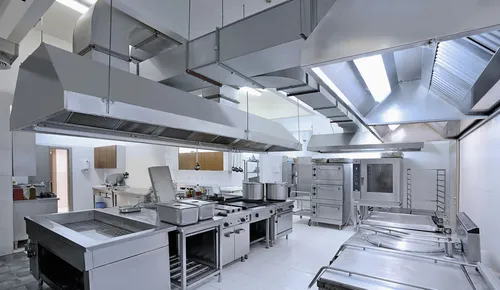
Philadelphia Hood Cleaning Commercial Kitchen Cleaners provides grease trap cleaning, used cooking oil collection, and kitchen exhaust hood cleaning services in Philadelphia, PA. They serve a variety of commercial kitchens including restaurants, bars, and fast-food establishments, focusing on grease removal and maintenance to prevent blockages and regulatory issues. Their experienced technicians use professional equipment to clean grease traps, exhaust hoods, and manage used cooking oil while ensuring compliance with environmental and safety regulations. The company has decades of experience and offers regular maintenance contracts to help clients avoid emergencies and pass inspections.
Eden Green Energy
805 B W 2nd St, Chester, PA 19013
Eden Green Energy is a used cooking oil collection company based in Philadelphia, PA. They specialize in collecting used cooking oil from businesses in the area. The company focuses on environmentally responsible disposal and recycling of cooking oil.

Atlantic Septic & Sewer
Lakewood, NJ
Atlantic Septic & Sewer provides septic and sewer services, grease trap cleaning, and used cooking oil collection in Lakewood, NJ. They serve residential, commercial, and government clients throughout New Jersey, offering septic system installation, repair, maintenance, and grease tank pumping. The company also collects and recycles used cooking oil into biofuel and offers emergency services available 24/7. With over 30 years of experience, Atlantic Septic & Sewer employs certified technicians who focus on environmentally conscientious practices and septic system longevity.
D&W Alternative Energy, Restaurant Oil Pick up and Recycling
220 Allen St, Trenton, NJ 08618
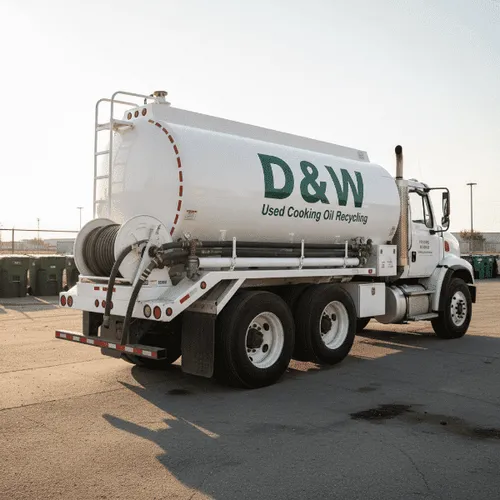
D&W Alternative Energy, Restaurant Oil Pick up and Recycling is a used cooking oil recycling company based in Woodbridge, NJ. They provide used cooking oil pickup and recycling services to restaurants in New Jersey, Pennsylvania, and Delaware. Their services include automated cooking oil management systems and power washing for receptacles and surrounding areas to help clients meet health regulations. Established in 2009, D&W has experience supporting local restaurants and works with law enforcement to prevent grease theft, which can cause environmental and safety issues.
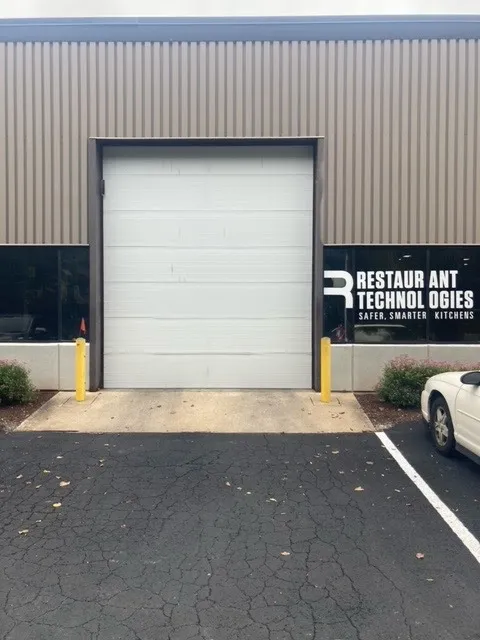
Restaurant Technologies
870 Calcon Hook Rd, Sharon Hill, PA 19079
Restaurant Technologies is a used cooking oil collection company based in Philadelphia, PA. They offer an automatic cooking oil delivery and recycling system designed to reduce hazards and labor associated with manual oil management in commercial kitchens. Their Total Oil Management service includes installing tanks for fresh and waste oil, automatic fryer controls, and scheduled delivery and recycling, all monitored remotely. This closed-loop system supports sustainability initiatives by safely recycling used cooking oil and improving kitchen safety by minimizing direct handling of hot oil.
Understanding New Jersey's Grease Recycling Regulations
Compliance begins with understanding the state's framework. New Jersey mandates that all grease waste, including used cooking oil from fryers, be tracked from its source to its final recycling destination. This is primarily enforced through the use of state-approved manifests. Any transporter collecting your used oil must complete a New Jersey Grease Manifest, which details the volume collected, the generator (your business), the hauler, and the receiving facility 1. You are required to keep copies of these manifests for at least three years for potential inspection.
Furthermore, the state emphasizes source separation. This means used cooking oil from fryers must be kept separate from "brown grease" (the waste collected from grease interceptors) and food solids. Mixing these streams can contaminate the UCO, making it unsuitable for recycling into high-quality biodiesel and complicating the manifesting process. Adhering to these rules helps avoid fines and supports the broader recycling ecosystem.
The Step-by-Step Collection and Recycling Process
Implementing a compliant oil recycling program involves a clear, multi-step workflow.
- Cooling and Filtering: After use, oil should be allowed to cool and then be filtered to remove large food particles. This preliminary step maintains oil quality and prevents clogs in storage containers.
- Secure Storage: The filtered oil is transferred to a dedicated, secure storage container. These are often specialized bins or drums provided by your recycling service. Security is paramount, as used cooking oil has value on the biofuel market; tamper-proof bins with locking mechanisms (sometimes referred to as "yellow padlock" bins) are standard to prevent theft and ensure only authorized haulers can access it 2.
- Scheduled Pickup: A licensed grease hauler will schedule regular pickups based on your volume. During collection, the driver will pump the oil from your storage container into their truck and complete the mandatory NJ Grease Manifest with you 3.
- Transportation and Recycling: The hauler transports the oil to a permitted recycling facility, such as a biodiesel plant. There, the used cooking oil is processed and refined into biodiesel, a renewable fuel that powers vehicles and heating systems, completing its journey from your kitchen to a sustainable product.
Financial Considerations: Cost vs. Revenue
The economics of used cooking oil collection in Mount Laurel can vary significantly based on your establishment's output. It's not solely an expense; for many businesses, it can be a source of revenue.
- Low-Volume Generators: Businesses producing smaller amounts (typically under 100 gallons per pickup) often receive free collection services. Haulers provide this service to secure the material, which they then sell to recyclers.
- Medium to High-Volume Generators: Restaurants with consistent, high output can often negotiate better terms. For volumes between 100-300 gallons, some services may offer a small rebate per gallon 4. High-volume producers (over 500 gallons) can potentially earn significant revenue, with market prices fluctuating but often ranging from $0.40 to over $0.65 per gallon 5 4.
- Service Models: Many reputable collection companies operate without upfront fees or long-term contracts, basing their service on a simple partnership where they provide the bins and regular pickups in exchange for the oil. It's important to get clear details on pricing, rebate structures, and contract terms when selecting a provider.
Find the perfect used cooking oil collection companies for your needs
Get personalized recommendations and expert advice
Setting Up Your Service: A Practical Checklist
Getting started with a compliant oil collection program is straightforward. Follow this checklist to ensure you select the right partner and set up correctly.
- Contact Licensed Haulers: Research and reach out to NJDEP-registered grease hauling and recycling companies that service Burlington County. Providers like D&W Alternative Energy, Eazy Grease, and Grease Connections are examples of operators familiar with New Jersey's specific manifest and compliance requirements 6.
- Assess Your Needs: Work with the provider to estimate your weekly or monthly oil volume. This will determine the size and number of storage containers you need and the frequency of pickups.
- Set Up Secure Storage: The provider will typically deliver and place secure, locking collection bins at your location. Ensure they are positioned for easy access by your staff and the hauler's truck, but in a monitored area to deter tampering.
- Train Your Staff: Educate kitchen staff on the importance of source separation-pouring only cooled, filtered fryer oil into the designated bin-and on the basics of the manifest process. They should know that a driver will need to complete paperwork during each pickup 7.
Why Proper Disposal Matters Beyond Compliance
While adhering to NJ law is the primary driver, responsible used cooking oil management offers broader benefits. Diverting this material from the waste stream is a direct environmental positive. When recycled into biodiesel, it reduces reliance on fossil fuels and lowers greenhouse gas emissions compared to conventional diesel 8 9. For your business, it eliminates the mess, odor, and potential plumbing issues associated with improper disposal down drains. A professional service ensures a clean, safe, and efficient handling process, turning a kitchen byproduct into a community resource.
Frequently asked questions
Sources
Footnotes
-
New Jersey Legislature - https://www.njleg.state.nj.us/bill-search/2022/S3437/bill-text?f=S3500&n=3437_I1 ↩
-
S3437 - NJ Legislature - https://pub.njleg.gov/Bills/2022/S3500/3437_I1.HTM ↩
-
S2166 - NJ Legislature - https://pub.njleg.gov/bills/2014/S2500/2166_I1.HTM ↩
-
Restaurant Used Cooking Oil: Disposal, Recycling & Revenue Guide - https://greaseconnections.com/restaurant-used-cooking-oil-disposal-recycling-revenue-guide/ ↩ ↩2
-
Used Cooking Oil Recycling Service in New Jersey - https://eazygrease.com/used-cooking-oil-recycling-new-jersey/ ↩
-
NJ Franchise Grease Recycling & SOPs 2025 - https://greaseconnections.com/nj-franchise-grease-recycling-sop/ ↩
-
NJ School Cafeteria Grease Checklist & Oil Disposal - https://greaseconnections.com/nj-school-cafeteria-grease-oil-disposal/ ↩
-
Used Cooking Oil Collection & Recycling - D&W Alternative Energy - https://dandwalternativeenergy.com/used-cooking-oil-collection/ ↩
-
Recycling Used Cooking Oil With Green Grease Environmental - https://www.youtube.com/watch?v=KP05Yx-GkHk ↩