
Find the Best Used Cooking Oil Collection Companies for Your Business
No obligation • Fast responses • Nationwide coverage

Why you can trust Restaurant Waste Disposal
Restaurant Waste Disposal is a leading U.S. resource for comparing restaurant composting, food-waste recycling, grease trap cleaning, and used cooking oil collection services. Our editorial team researches providers, checks credentials, and organizes unbiased information so operators can make informed decisions. Companies cannot pay to change ratings or placement.
Search providers near you
Top Used Cooking Oil Collection Companies in Monroe, New Jersey Ranked
For restaurants and food service establishments in Monroe Township, managing used cooking oil (UCO) is more than just a routine cleanup task-it's a regulated part of operations with significant environmental and financial implications. Local ordinances mandate the proper recycling of grease and cooking oil, requiring secure storage and documented pickups by licensed haulers. This process not only ensures compliance with health and environmental codes but also transforms a waste product into valuable biofuels, creating a potential revenue stream for your business. Navigating the requirements for storage, manifesting, and selecting a service provider is essential for efficient and profitable grease management.
Proper handling begins with understanding and adhering to Monroe Township's specific rules.
Loeffels Waste Oil Services
43 Layton Ln, Sparta, NJ 07871
Loeffels Waste Oil Services is a family-owned company based near New York, NY, specializing in used cooking oil collection and grease trap cleaning. They serve commercial clients with reliable waste oil removal and grease trap maintenance, including emergency pump-out services. With over ninety years of experience, Loeffels Waste Oil Services emphasizes safety and efficiency in their operations.

New York Hood Cleaning
New York, NY
New York Hood Cleaning provides grease trap cleaning and used cooking oil collection services in New York, NY. They specialize in thorough cleaning of kitchen ducts, fans, hoods, and vents to maintain commercial kitchen operations. The company emphasizes sustainability by recycling used cooking oil for animal feed or fuel. With decades of experience, they offer skilled service using specialized tools to remove grease effectively. Their approach simplifies operations by combining multiple services under one provider, supported by responsive customer service.
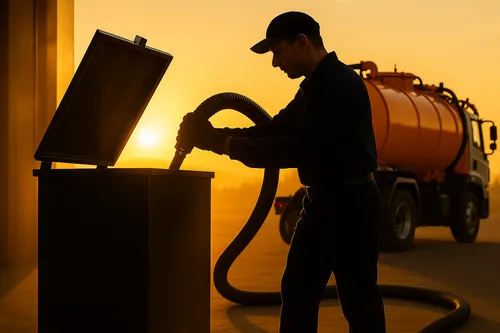
Grease Connections
150 Commerce Rd, Carlstadt, NJ 07072
Grease Connections is a used cooking oil collection company serving New York, NY, as well as Florida, Georgia, and New Jersey. They specialize in collecting used cooking oil from restaurants and industrial kitchens, which is then filtered, refined, and shipped to U.S. processors to create biodiesel and renewable aviation fuel. The company provides licensed, spill-free pickups with digital manifests and offers optional RFID-enabled containers for real-time tracking. Grease Connections complies with EPA regulations and state-specific requirements, ensuring proper documentation for audits and inspections. Their service helps clients reduce emissions and avoid fines related to improper grease disposal.
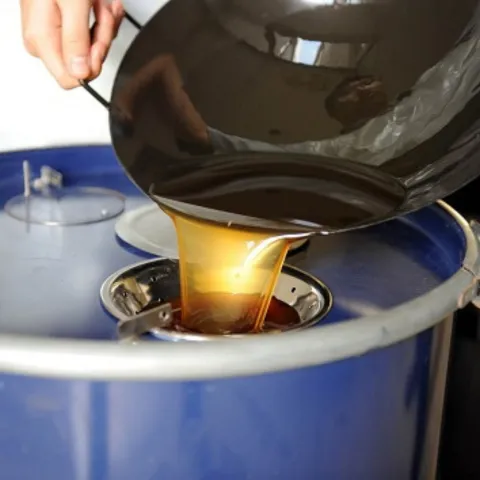
NJ Oil Recyclers
New York, NY
NJ Oil Recyclers provides used cooking oil collection and grease trap cleaning services in New York, NY. They specialize in collecting and recycling various types of restaurant cooking oils, including vegetable oil, fish oil, chicken fat, hog fat, and bacon grease. Their services include providing oil containers, regular oil pickup before containers are full, and thorough grease trap cleaning without chemicals. The company operates a licensed commercial oil recycling facility and uses specialized vehicles to ensure safe and compliant oil waste handling. NJ Oil Recyclers focuses on environmentally responsible recycling and sustainability in their operations.
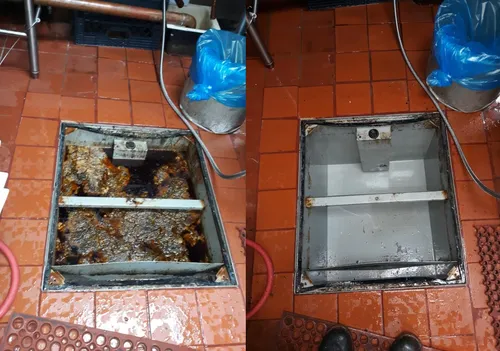
Pm Recycling
320 Roebling St #312, Brooklyn, NY 11211
Pm Recycling is a company based in New York, NY, specializing in used cooking oil collection and grease trap cleaning. They provide services that comply with all regulations, ensuring grease traps are thoroughly cleaned to prevent clogs and fines. The company offers drum provision for waste oil storage and arranges pickups when drums are full, handling waste oil disposal in accordance with DEP regulations.
Local Regulations for Grease and Oil Recycling
In Monroe, compliance is not optional. Township code explicitly requires all food service establishments to recycle grease and used cooking oil 1. This means you cannot simply pour it down the drain or dispose of it with regular trash. The regulations are designed to protect the local sewer infrastructure from costly blockages and environmental damage. To stay compliant, you must maintain records of your oil recycling activities, as these are subject to inspection by health officials 2. The cornerstone of state-wide tracking is the uniform manifest, or chain-of-custody form. A licensed hauler is required to complete this document for every pickup, creating a legal paper trail that documents the oil's origin, quantity, and destination for recycling 3 1. This system ensures accountability from your kitchen to the biofuel production facility.
Best Practices for Storage and Theft Prevention
Effective used oil management starts on-site with proper storage. To prevent spills, odors, and pests, you must use durable, leak-proof containers, typically heavy-duty steel bins provided by your collection service. Securing these containers is equally critical; locking lids are a minimum requirement. Grease theft, where unauthorized parties siphon off valuable oil, is a common issue that can cost your business potential revenue 4. Investing in anti-theft measures like lockable enclosures, security cameras, or even alarm systems for your grease bins is a wise step to protect your asset. Establishing a regular, scheduled pickup routine with your hauler not only ensures you never overfill your containers but also reduces the window of opportunity for theft 5.
The Collection and Recycling Process Explained
The journey of your used cooking oil from fryer to fuel is a streamlined process. After the oil has cooled, kitchen staff transfer it to your secure outdoor collection bin. When your licensed hauler arrives for a scheduled pickup, they will typically scan a QR code or tag on your container to initiate the digital manifest, logging the collection in real-time. The oil is then pumped into a registered vehicle for transport. At the processing facility, the used oil undergoes filtration to remove food particles and water. The purified oil is then a prime feedstock for renewable products, most commonly biodiesel-a cleaner-burning alternative to petroleum diesel. This closed-loop process turns a waste liability into a green energy resource.
Financial Considerations: Costs and Revenue Potential
Engaging in used cooking oil collection can impact your bottom line in two ways: generating revenue or incurring costs, largely dependent on the quality and volume of your oil. For clean, well-managed oil, restaurants can earn rebates. Payouts can range, with larger volumes sometimes commanding rates of $0.40 to over $0.65 per gallon, though market prices fluctuate 6 7. Conversely, oil that is heavily contaminated with water, food solids, or other materials loses its value. In such cases, a hauler may charge a disposal fee to handle it, as it requires more intensive processing. Many service providers structure their offerings to simplify this; some companies offer free collection services, supplying containers and pickups at no charge, often in exchange for the right to collect and resell the oil 8 6.
Find the perfect used cooking oil collection companies for your needs
Get personalized recommendations and expert advice
Choosing a Service Provider in the Monroe Area
Selecting the right partner for your used cooking oil collection is crucial for seamless compliance and maximizing value. When evaluating providers, look for those experienced with New Jersey's manifesting laws and Monroe Township's local codes. Key services to compare include the reliability of pickup schedules, the quality and security of the containers provided, and the transparency of reporting-you should receive copies of each manifest for your records. Some established providers serving the region emphasize specific benefits, such as free collection with no long-term contracts, 24/7 customer support, or comprehensive theft prevention programs. It's also worth inquiring if they offer payouts for oil and under what quality standards.
Environmental and Community Benefits
Beyond compliance and revenue, professional used cooking oil recycling delivers substantial environmental benefits for the Monroe community. Every gallon recycled into biodiesel reduces reliance on fossil fuels and lowers greenhouse gas emissions. This process supports New Jersey's broader sustainability goals. Proper collection also plays a direct role in protecting local waterways and sewer systems by preventing illegal dumping and harmful grease clogs. By partnering with a reputable hauler, your restaurant contributes to a circular economy, demonstrating a commitment to environmental stewardship that resonates positively with customers and the community 9 10.
Frequently asked questions
Sources
Footnotes
-
Township of Monroe, NJ Refuse Collection, Recycling and Source ... - https://ecode360.com/7183086 ↩ ↩2
-
NJ Franchise Grease Recycling & SOPs 2025 - https://greaseconnections.com/nj-franchise-grease-recycling-sop/ ↩
-
S2166 - NJ Legislature - https://pub.njleg.gov/bills/2014/S2500/2166_I1.HTM ↩
-
Used Cooking Oil Recycling & Grease Collection | Elizabeth - https://greaseconnections.com/locations/nj/union/elizabeth/ ↩
-
Grease Recycling Program Florida: Stay Kitchen Compliant - https://www.greaseprosrecycling.com/grease-recycling-program-fl/ ↩
-
Restaurant Used Cooking Oil: Disposal, Recycling & Revenue Guide - https://greaseconnections.com/restaurant-used-cooking-oil-disposal-recycling-revenue-guide/ ↩ ↩2
-
Used Cooking Oil Pricing & Business Guide - Grease Connections - https://greaseconnections.com/used-cooking-oil-pricing-guide/ ↩
-
Used Cooking Oil Recycling Service in New Jersey - https://eazygrease.com/used-cooking-oil-recycling-new-jersey/ ↩
-
Recycling Used Cooking Oil With Green Grease Environmental - https://www.youtube.com/watch?v=KP05Yx-GkHk ↩
-
Used Cooking Oil Disposal & Recycling for Restaurants - https://www.rti-inc.com/cooking-oil-disposal/ ↩