
Find the Best Used Cooking Oil Collection Companies for Your Business
No obligation • Fast responses • Nationwide coverage

Why you can trust Restaurant Waste Disposal
Restaurant Waste Disposal is a leading U.S. resource for comparing restaurant composting, food-waste recycling, grease trap cleaning, and used cooking oil collection services. Our editorial team researches providers, checks credentials, and organizes unbiased information so operators can make informed decisions. Companies cannot pay to change ratings or placement.
Search providers near you
Top Used Cooking Oil Collection Companies in Middletown, New Jersey Ranked
For restaurants and food service establishments in Middletown, managing used cooking oil (UCO) is more than just a routine cleanup task-it's a regulated process with significant environmental and economic implications. Proper grease trap maintenance and oil recycling are critical for compliance with New Jersey Department of Environmental Protection (NJDEP) rules, preventing costly sewer backups, and contributing to the circular economy by transforming waste into biodiesel. Partnering with a licensed hauler ensures this material is handled safely, from your kitchen to its next life as renewable fuel or industrial lubricant. This guide outlines the local requirements, processes, and benefits of establishing a reliable used cooking oil pickup and recycling system.
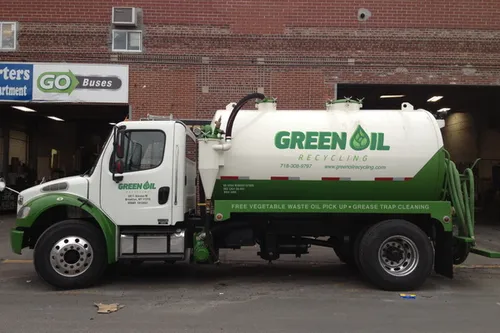
Green Oil Recycling
317 Liberty Ave, Brooklyn, NY 11207
Green Oil Recycling provides professional grease trap cleaning and used cooking oil collection services in New York, NY. They specialize in maintaining commercial kitchen grease traps, including passive hydro mechanical, large pre-cast concrete gravity traps, and auto-grease removal systems like Big Dipper. Their trained technicians thoroughly clean traps, scrape walls, and use bio-safe chemicals to break down waste oil, helping kitchens stay odorless and compliant with local regulations. Green Oil Recycling serves New York City, New Jersey, and Nassau County, ensuring all waste oil disposal meets BIC, DEC, and EPA standards. They also inspect gaskets and fittings to prevent violations and hazards, working closely with Done Right Hood & Fire Safety for comprehensive grease trap and kitchen exhaust maintenance.
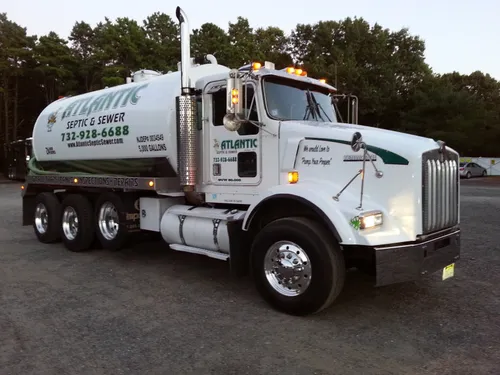
Atlantic Sitton Services, Inc.
647 Herman Rd, Jackson Township, NJ 08527
Atlantic Sitton Services, Inc. provides septic and sewer services, grease trap cleaning, and used cooking oil collection and recycling in Lakewood, NJ. They serve residential, commercial, and government clients throughout New Jersey, offering septic system installation, repair, maintenance, and grease tank pumping. The company is equipped to handle emergency services 24/7 and focuses on environmentally conscientious practices, including converting cooking oil into biofuel. With over 30 years of experience, Atlantic Sitton Services employs certified technicians who use modern technology to maintain and extend the lifespan of septic systems while protecting water quality.

New York Hood Cleaning
New York, NY
New York Hood Cleaning provides grease trap cleaning and used cooking oil collection services in New York, NY. They specialize in thorough cleaning of kitchen ducts, fans, hoods, and vents to maintain commercial kitchen operations. The company emphasizes sustainability by recycling used cooking oil for animal feed or fuel. With decades of experience, they offer skilled service using specialized tools to remove grease effectively. Their approach simplifies operations by combining multiple services under one provider, supported by responsive customer service.
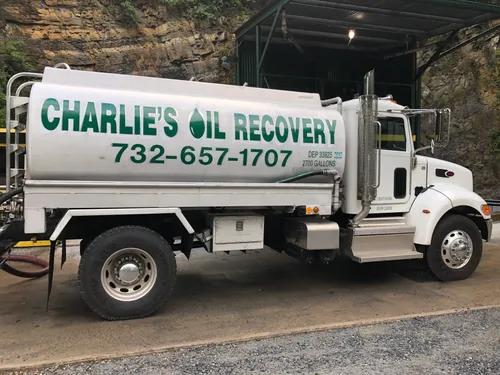
Charlie's Oil Recovery
119 Fairway Dr, Brick Township, NJ 08724
Charlie's Oil Recovery is a used cooking oil collection company based in Lakewood, NJ. The company specializes in collecting used cooking oil from various sources to support recycling and proper disposal efforts in the area.
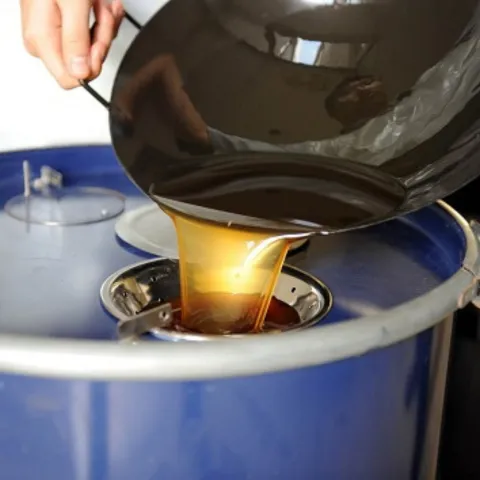
NJ Oil Recyclers
New York, NY
NJ Oil Recyclers provides used cooking oil collection and grease trap cleaning services in New York, NY. They specialize in collecting and recycling various types of restaurant cooking oils, including vegetable oil, fish oil, chicken fat, hog fat, and bacon grease. Their services include providing oil containers, regular oil pickup before containers are full, and thorough grease trap cleaning without chemicals. The company operates a licensed commercial oil recycling facility and uses specialized vehicles to ensure safe and compliant oil waste handling. NJ Oil Recyclers focuses on environmentally responsible recycling and sustainability in their operations.
Understanding New Jersey and Middletown Area Regulations
Navigating the regulatory landscape is the first step for any food service business. New Jersey has specific mandates for food waste and grease recycling designed to protect municipal sewer systems and reduce landfill waste.
- Food Waste Recycling Act: Large generators of food waste-those producing more than 52 tons per year and located within 25 miles of an authorized recycling facility-are required to separate and recycle their organic waste 1. While this directly targets food scraps, it underscores the state's comprehensive approach to diverting restaurant waste from landfills.
- Manifest System: A key compliance requirement is the uniform manifest, or chain-of-custody form. For every pickup of used cooking oil, a detailed manifest must be completed. This document tracks the volume, date, and transporter information, creating a legal record from the point of origin to the recycling facility. Businesses are required to retain copies of these manifests for a minimum of three years.
- Spill Prevention and Control: Regulations emphasize containing fats, oils, and grease (FOG) at the source. This means using secure, leak-proof containers and storing them in designated areas to prevent spills that can lead to sewer clogs, environmental contamination, and significant fines. Some providers offer tamper-evident systems, like locked containers, to ensure security and integrity.
Setting Up Your On-Site Storage and Collection
Effective grease management begins with proper on-site handling. Safe storage is essential for operational safety, regulatory compliance, and maintaining the quality of the collected oil, which can affect its recycling value.
- Choosing the Right Container: After allowing oil to cool completely, it should be filtered into a dedicated, heavy-duty container. Most licensed grease collection companies provide these containers-typically durable, sealed bins designed to prevent leaks, odors, and pests 2.
- Secure Storage Location: Place the container on a stable, level surface away from storm drains and building entry points. A secondary containment system or an impervious pad (sometimes marked with yellow lining for high visibility) is a best practice to contain any potential drips or spills.
- Scheduling Regular Pickups: Establishing a consistent pickup schedule with your provider is crucial. Frequency depends on your oil usage volume, ranging from weekly to monthly service. Regular pickups prevent overflow, reduce the risk of spills, and ensure a steady stream of material for recycling.
The Journey of Used Cooking Oil: From Collection to New Products
The process for grease recycling is a well-established chain that turns a waste product into valuable commodities. Here's what happens after the oil leaves your premises:
- Collection: A licensed transporter arrives for a scheduled pickup. The driver will typically pump the oil from your storage bin into a specialized collection vehicle. The required manifest is signed by both parties to document the transfer3 4.
- Transportation: The oil is transported in a registered vehicle to a processing or transfer facility. The manifest accompanies the load, ensuring traceability throughout its journey5.
- Processing and Recycling: At the facility, the used cooking oil undergoes several steps. It is first filtered to remove food particles and water. It is then purified and processed. The primary end product is biodiesel, a renewable, cleaner-burning fuel alternative. It can also be refined into base oils for lubricants, animal feed supplements, or ingredients for the oleochemical industry6.
Find the perfect used cooking oil collection companies for your needs
Get personalized recommendations and expert advice
Cost Structure and Potential Revenue for Your Business
The financial model for used cooking oil collection in the Middletown area is typically volume-based. Many providers structure their services to incentivize higher volumes of clean, well-managed oil.
- Low-Volume Producers: If your establishment generates less than approximately 40 gallons of used oil per month, you may incur a service fee for collection. This fee, which can be around $30 per month, covers the cost of bin rental, pickup, and processing7 8.
- Medium to High-Volume Producers: As your monthly volume increases-often crossing a threshold of 40 to 100 gallons-the service frequently becomes free. At higher production levels, the model can shift to a revenue-generating one. Providers may offer rebate checks or pay for the oil based on its volume and quality (purity). Rates for paid oil are variable but provide a small stream of income for what was once a disposal cost.
- Value of Clean Oil: Maintaining clean oil by filtering out food debris and preventing water contamination is key. Purer oil commands better rates from recyclers and is more efficiently processed into high-quality biodiesel.
Selecting a Service Provider in Monmouth County
Choosing a reliable partner is critical for seamless operations. Look for providers that are fully licensed and insured, with a strong reputation for service in Monmouth County. Companies like D&W Alternative Energy, Grease Connections, and Eazy Grease are examples of operators in the region who offer comprehensive programs9 10 11. Key factors to consider include the reliability of their pickup schedule, the quality and security of their containers, their transparency with the manifest process, and the clarity of their pricing or rebate structure.
Environmental and Community Benefits
Beyond compliance and cost, responsible used cooking oil management offers substantial benefits. Diverting this oil from landfills and sewers reduces strain on local wastewater treatment facilities and prevents "fatbergs" that cause backups12. Most significantly, recycling it into biodiesel lowers greenhouse gas emissions compared to fossil fuels and supports renewable energy markets13. For a community like Middletown, this contributes to broader sustainability goals and environmental stewardship.
Frequently asked questions
Sources
Footnotes
-
Food Waste Recycling rules - https://dep.nj.gov/dshw/swpl/fw/food-waste-recycling-rules/ ↩
-
How to Recycle Fryer Oil - https://www.mahoneyes.com/how-to-recycle-fryer-oil/ ↩
-
NJ Franchise Grease Recycling & SOPs 2025 - https://greaseconnections.com/nj-franchise-grease-recycling-sop/ ↩
-
NJ School Cafeteria Grease Checklist & Oil Disposal - https://greaseconnections.com/nj-school-cafeteria-grease-oil-disposal/ ↩
-
S2166 - NJ Legislature - https://pub.njleg.gov/bills/2014/S2500/2166_I1.HTM ↩
-
What happens with the used oil from restaurants and fast-food ... - https://www.quora.com/What-happens-with-the-used-oil-from-restaurants-and-fast-food-chains-Is-there-any-sort-of-recycling ↩
-
Restaurant Used Cooking Oil: Disposal, Recycling & Revenue Guide - https://greaseconnections.com/restaurant-used-cooking-oil-disposal-recycling-revenue-guide/ ↩
-
Do you get paid for used cooking oil? : r/cookingoilrecycling - Reddit - https://www.reddit.com/r/cookingoilrecycling/comments/1kvlxl5/do_you_get_paid_for_used_cooking_oil/ ↩
-
Used Cooking Oil Collection & Recycling - D&W Alternative Energy - https://dandwalternativeenergy.com/used-cooking-oil-collection/ ↩
-
Used Cooking Oil Recycling Service in New Jersey - https://eazygrease.com/used-cooking-oil-recycling-new-jersey/ ↩
-
Cooking Oil Recycling & Grease Pickup | Monmouth County NJ - https://greaseconnections.com/locations/nj/monmouth/ ↩
-
Fat, Oil & Grease | Livingston Township, NJ - https://www.livingstonnj.org/341/Fat-Oil-Grease ↩
-
Recycling Used Cooking Oil With Green Grease Environmental - https://www.youtube.com/watch?v=KP05Yx-GkHk ↩