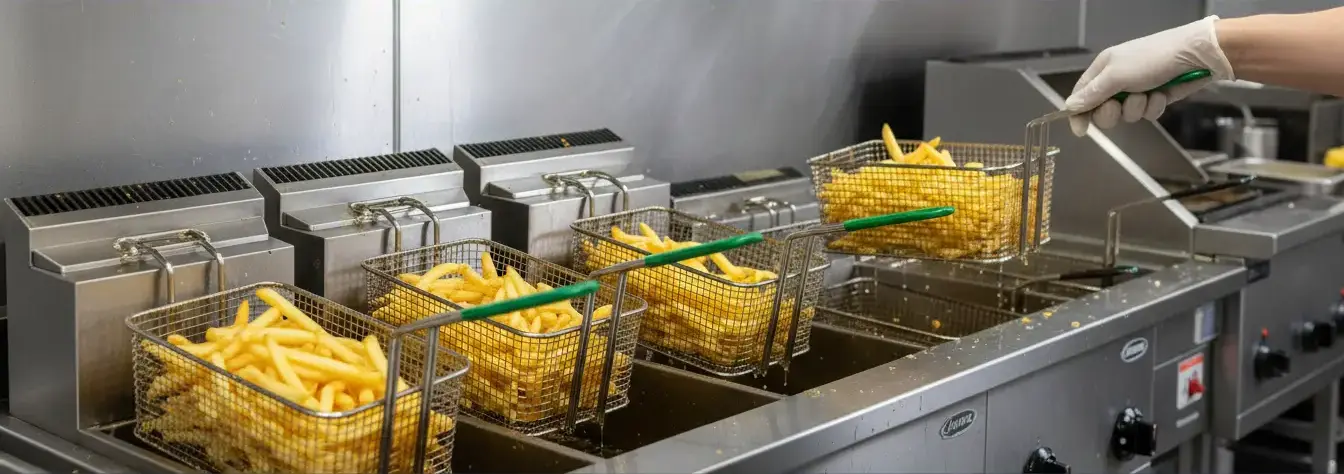
Find the Best Used Cooking Oil Collection Companies for Your Business
No obligation • Fast responses • Nationwide coverage

Why you can trust Restaurant Waste Disposal
Restaurant Waste Disposal is a leading U.S. resource for comparing restaurant composting, food-waste recycling, grease trap cleaning, and used cooking oil collection services. Our editorial team researches providers, checks credentials, and organizes unbiased information so operators can make informed decisions. Companies cannot pay to change ratings or placement.
Search providers near you
Top Used Cooking Oil Collection Companies in Irvington, New Jersey Ranked
For restaurants in Irvington, managing used cooking oil (UCO) is a critical operational and environmental responsibility. Proper disposal of this waste stream is governed by strict state and local regulations designed to protect sewer systems and public health. By partnering with a licensed collection service, Irvington food service establishments can ensure compliance, contribute to a valuable recycling stream for biofuel production, and potentially offset costs through rebate programs. This guide outlines the essential steps for compliant UCO and grease management, from proper on-site storage to final recycling and documentation.
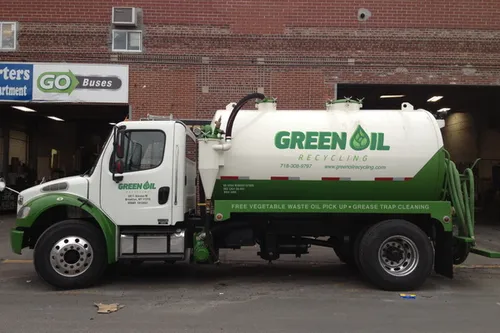
Green Oil Recycling
317 Liberty Ave, Brooklyn, NY 11207
Green Oil Recycling provides professional grease trap cleaning and used cooking oil collection services in New York, NY. They specialize in maintaining commercial kitchen grease traps, including passive hydro mechanical, large pre-cast concrete gravity traps, and auto-grease removal systems like Big Dipper. Their trained technicians thoroughly clean traps, scrape walls, and use bio-safe chemicals to break down waste oil, helping kitchens stay odorless and compliant with local regulations. Green Oil Recycling serves New York City, New Jersey, and Nassau County, ensuring all waste oil disposal meets BIC, DEC, and EPA standards. They also inspect gaskets and fittings to prevent violations and hazards, working closely with Done Right Hood & Fire Safety for comprehensive grease trap and kitchen exhaust maintenance.

New York Hood Cleaning
New York, NY
New York Hood Cleaning provides grease trap cleaning and used cooking oil collection services in New York, NY. They specialize in thorough cleaning of kitchen ducts, fans, hoods, and vents to maintain commercial kitchen operations. The company emphasizes sustainability by recycling used cooking oil for animal feed or fuel. With decades of experience, they offer skilled service using specialized tools to remove grease effectively. Their approach simplifies operations by combining multiple services under one provider, supported by responsive customer service.

NYC Clean Air Group
154-05 12th Ave, Beechhurst, NY 11357
NYC Clean Air Group is a family-owned business serving New York, NY, and New Jersey. They specialize in used cooking oil collection, grease trap cleaning, and cesspool maintenance for restaurants, stadiums, hospitals, and commissaries across all five boroughs. The company offers licensed and insured services with options for monthly contracts or per-incident work. They emphasize environmentally friendly practices and provide same-day service and free estimates.
Grease Sharks
New York, NY
Grease Sharks is a grease trap cleaning and used cooking oil collection company based in New York, NY. They serve the Greater New York City area, including New Jersey, Westchester, and Connecticut. Their services include grease trap cleaning and maintenance, used cooking oil pick up, grease trap installation and plumbing, sewer and line jetting, and drain cleaning. With over a decade of combined experience, Grease Sharks aims to help businesses stay compliant and running smoothly. They provide scheduled maintenance tailored to client needs and offer 24/7 emergency service throughout the year.
Grease Connections
150 Commerce Rd, Carlstadt, NJ 07072
Grease Connections is a used cooking oil collection company serving New York, NY, as well as Florida, Georgia, and New Jersey. They specialize in collecting used cooking oil from restaurants and industrial kitchens, which is then filtered, refined, and shipped to U.S. processors to create biodiesel and renewable aviation fuel. The company provides licensed, spill-free pickups with digital manifests and offers optional RFID-enabled containers for real-time tracking. Grease Connections complies with EPA regulations and state-specific requirements, ensuring proper documentation for audits and inspections. Their service helps clients reduce emissions and avoid fines related to improper grease disposal.
Understanding Irvington and New Jersey Regulations
Navigating the regulatory landscape is the first step for any restaurant handling grease and used fryer oil. In New Jersey, all commercial used cooking oil pickups require the use of a licensed hauler and adherence to a uniform state manifest system for tracking. Irvington's local ordinances provide specific guidelines for grease trap installation and maintenance to prevent fats, oils, and grease (FOG) from entering the municipal sewer system.
Failure to comply can result in significant fines and contribute to sewer blockages. The core principle is that used cooking oil is a regulated waste product that must be handled from the point of generation in your kitchen to its final recycling destination at a certified facility. This chain of custody is formally documented, ensuring your restaurant meets its legal obligations.
Key Local Requirements for Grease Traps
Irvington's code specifies requirements for external grease interceptors, which are crucial for capturing grease before wastewater leaves your property. For smaller food service establishments, a single 1,000-gallon trap may be sufficient. Larger operations or those with high grease output may be required to install two traps in series.
These interceptors must be:
- Accessible for inspection and pumping, with the lid at or above ground level.
- Properly sized and placed to allow grease to cool and coagulate.
- Used only for kitchen wastewater, excluding waste from dishwashers or other sources that use detergents, which can break down grease and reduce trap efficiency.
Regular maintenance and pumping of these traps by a licensed service are essential to keep them functioning correctly and to avoid violations.
The Step-by-Step Process for Oil Collection and Recycling
Establishing a reliable system for used fryer oil recycling involves a clear, repeatable process. From scheduling to final documentation, each step ensures the oil is handled safely and legally.
1. Storage and Preparation: After cooking, allow the oil to cool completely. Never pour hot oil down a drain or into a grease trap. Transfer the cooled UCO into a dedicated, sealed storage container. This could be the original container from your oil supplier, a dedicated collection bin provided by your hauler, or another approved, leak-proof receptacle. Proper storage prevents spills, odors, and pests, and prepares the oil for efficient pickup.
2. Scheduling a Pickup: Contact a licensed used cooking oil collection service operating in Essex County. Services like Eazy Grease and others offer regular pickup schedules (e.g., weekly, bi-weekly, or monthly) based on your volume 1. You can arrange a one-time pickup or set up a recurring service.
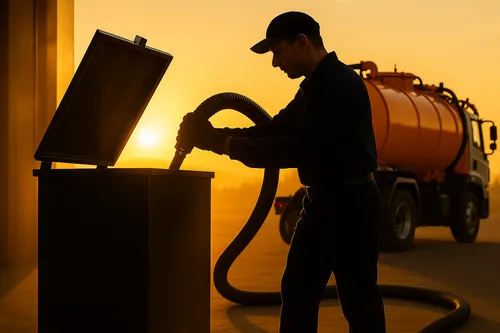
3. The Collection Visit: On the scheduled day, the hauler will arrive with a specialized truck equipped with storage tanks and pumping equipment. They will pump the oil directly from your storage container or bin into their truck. A professional service will ensure a clean and spill-free process.
4. Recycling into Biofuel: The collected oil is transported to a processing facility where it is cleaned and converted into biodiesel, a renewable fuel used for transportation, heating, or electricity generation 2. This process turns a waste product into a valuable resource, reducing reliance on fossil fuels.
5. Documentation and Compliance: This is a critical final step. For every pickup, the hauler must provide you with a completed New Jersey Uniform Manifest. This multi-part form details the quantity of oil collected and tracks its journey from your restaurant to the recycling facility. Both you and the hauler must sign it. Retain these manifests for at least three years as proof of compliant disposal3 4 5.
Find the perfect used cooking oil collection companies for your needs
Get personalized recommendations and expert advice
Costs, Rebates, and Revenue Potential
The financial aspect of used cooking oil collection varies. It's not simply a cost of business; for many restaurants, it can become a small revenue stream or a service with minimal expense.
- Free Pickup Services: Many collection companies offer free pickup for restaurants, particularly those with smaller or moderate volumes (often under 100 gallons per month). The hauler's revenue comes from selling the recycled oil to biofuel producers, making this a viable model.
- Rebate Programs: For establishments with high volume output-such as large restaurants, cafeterias, or franchises generating over 300 gallons per month-rebate programs are common. The restaurant may earn a payment based on the volume collected, with rates typically ranging from $0.25 to $0.65 per gallon, depending on market conditions and oil quality6 7.
- Fee-Based Services: In some cases, particularly for very small quantities or locations that are logistically challenging, a service fee may apply. The total cost or rebate is influenced by your consistent monthly volume, the purity of the oil (it must be free of water, food debris, and contaminants like motor oil), and your specific contract with the hauler 8.
Franchise locations often have corporate agreements that dictate how any revenue from UCO recycling is handled, so it's important to check with your franchisor.
Best Practices for On-Site Management
Beyond compliance, effective on-site management of used cooking oil and grease trap waste protects your plumbing, your premises, and your bottom line.
- Cool Before Handling: Always let oil cool to a safe temperature before moving or filtering it. This prevents burns and fire hazards.
- Use Sealed Containers: Store oil only in containers with tight-sealing lids. This deters pests, prevents spills and rainwater contamination, and controls odors.
- Never Mix Contaminants: Ensure your UCO storage is used only for vegetable-based cooking oils. Never mix in motor oil, chemicals, or excessive food solids and water, as this can ruin the batch for recycling and may incur disposal fees9.
- Maintain Grease Traps: Schedule regular grease trap pumping and cleaning with a licensed service. Keep a log of these services alongside your UCO manifests. A well-maintained trap prevents backups, foul smells, and costly plumbing emergencies10 11.
- Train Your Staff: Ensure all kitchen staff understand the procedures for cooling, storing, and handling used oil. Clear protocols prevent mistakes that could lead to clogs, spills, or non-compliant disposal.
By implementing these practices, Irvington restaurants can transform a routine waste task into an efficient, compliant, and potentially beneficial component of their operations.
Frequently asked questions
Sources
Footnotes
-
Cooking Oil Removal Services | Central and South Jersey - https://www.atlanticsittonservices.com/services/cooking-oil-collection-recycling/ ↩
-
Used Cooking Oil Recycling Service in New Jersey - https://eazygrease.com/used-cooking-oil-recycling-new-jersey/ ↩
-
NJ School Cafeteria Grease Checklist & Oil Disposal - https://greaseconnections.com/nj-school-cafeteria-grease-oil-disposal/ ↩
-
Used Cooking Oil (UCO) Collection Service For Restaurants - https://thegreasecompany.com/blog/restaurant-used-cooking-oil-collection/ ↩
-
S2166 - NJ Legislature - https://pub.njleg.gov/bills/2014/S2500/2166_I1.HTM ↩
-
Restaurant Used Cooking Oil: Disposal, Recycling & Revenue Guide - https://greaseconnections.com/restaurant-used-cooking-oil-disposal-recycling-revenue-guide/ ↩
-
NJ Franchise Grease Recycling & SOPs 2025 - https://greaseconnections.com/nj-franchise-grease-recycling-sop/ ↩
-
How to Dispose of Cooking Oil in New Jersey 2025 Complete Guide - https://greaseconnections.com/nj-cooking-oil-disposal-guide/ ↩
-
Used Cooking Oil Disposal: Complete Guide to Grease Pickups - https://greaseconnections.com/used-cooking-oil-disposal-guide-grease-pickups/ ↩
-
Township of Irvington, NJ Grease Traps - eCode360 - https://ecode360.com/30409964 ↩
-
Fat, Oil & Grease | Livingston Township, NJ - https://www.livingstonnj.org/341/Fat-Oil-Grease ↩