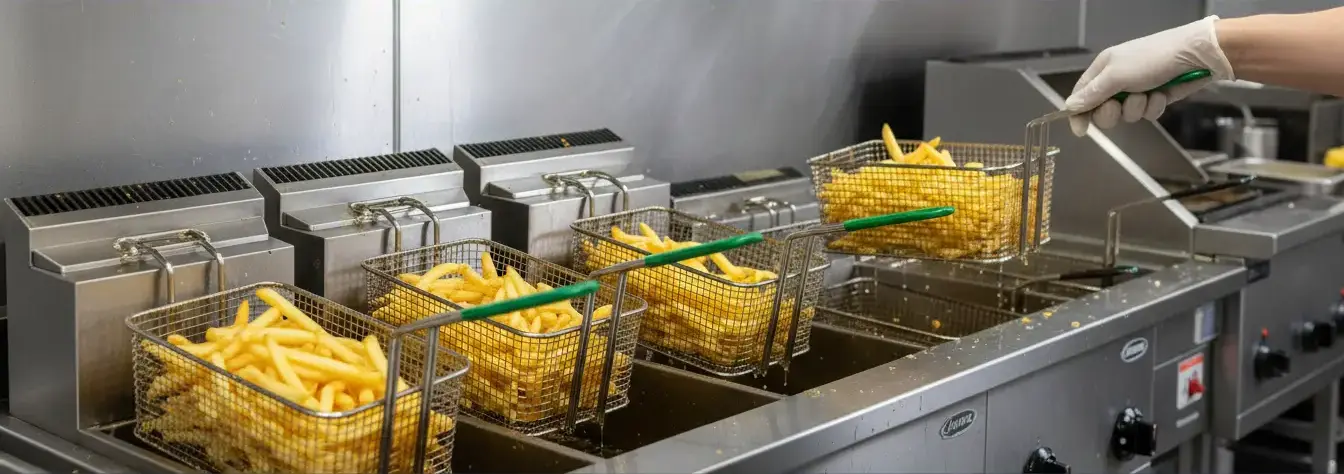
Find the Best Used Cooking Oil Collection Companies for Your Business
No obligation • Fast responses • Nationwide coverage

Why you can trust Restaurant Waste Disposal
Restaurant Waste Disposal is a leading U.S. resource for comparing restaurant composting, food-waste recycling, grease trap cleaning, and used cooking oil collection services. Our editorial team researches providers, checks credentials, and organizes unbiased information so operators can make informed decisions. Companies cannot pay to change ratings or placement.
Search providers near you
Top Used Cooking Oil Collection Companies in Howell, New Jersey Ranked
For restaurants and food service businesses in Howell, proper management of used cooking oil (UCO) is a critical operational and environmental responsibility. New Jersey state and Monmouth County regulations mandate that businesses use registered haulers for grease and oil recycling, requiring proper storage, segregation, and detailed documentation. This structured system ensures that waste fats, oils, and grease (FOG) are safely diverted from landfills and sewers and converted into valuable biofuels. By partnering with a certified collection service, Howell establishments can turn a waste product into a potential revenue stream while ensuring full compliance and protecting local infrastructure.
Compliance is not optional. New Jersey's regulatory framework, particularly for large waste generators, establishes clear rules for handling used fryer oil and grease trap waste. Failure to adhere can result in significant fines and legal complications. This guide outlines the essential steps for compliant UCO management, from safe storage and pickup to understanding the financial and environmental benefits of professional grease recycling in Howell.
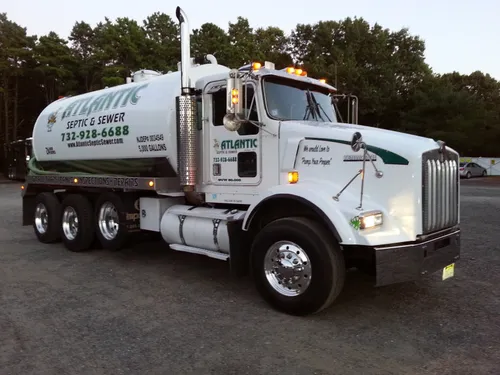
Atlantic Sitton Services, Inc.
647 Herman Rd, Jackson Township, NJ 08527
Atlantic Sitton Services, Inc. provides septic and sewer services, grease trap cleaning, and used cooking oil collection and recycling in Lakewood, NJ. They serve residential, commercial, and government clients throughout New Jersey, offering septic system installation, repair, maintenance, and grease tank pumping. The company is equipped to handle emergency services 24/7 and focuses on environmentally conscientious practices, including converting cooking oil into biofuel. With over 30 years of experience, Atlantic Sitton Services employs certified technicians who use modern technology to maintain and extend the lifespan of septic systems while protecting water quality.
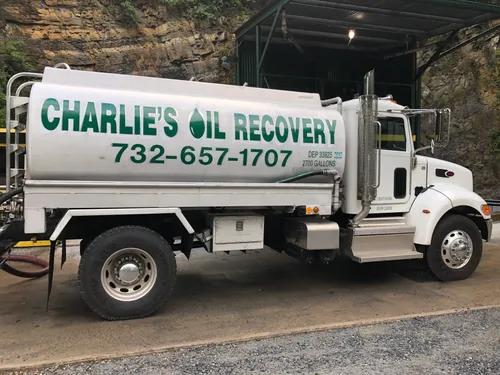
Charlie's Oil Recovery
119 Fairway Dr, Brick Township, NJ 08724
Charlie's Oil Recovery is a used cooking oil collection company based in Lakewood, NJ. The company specializes in collecting used cooking oil from various sources to support recycling and proper disposal efforts in the area.

Atlantic Septic & Sewer
Lakewood, NJ
Atlantic Septic & Sewer provides septic and sewer services, grease trap cleaning, and used cooking oil collection in Lakewood, NJ. They serve residential, commercial, and government clients throughout New Jersey, offering septic system installation, repair, maintenance, and grease tank pumping. The company also collects and recycles used cooking oil into biofuel and offers emergency services available 24/7. With over 30 years of experience, Atlantic Septic & Sewer employs certified technicians who focus on environmentally conscientious practices and septic system longevity.
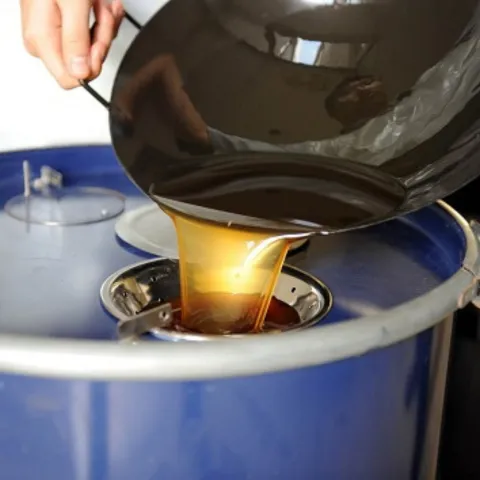
NJ Oil Recyclers
New York, NY
NJ Oil Recyclers provides used cooking oil collection and grease trap cleaning services in New York, NY. They specialize in collecting and recycling various types of restaurant cooking oils, including vegetable oil, fish oil, chicken fat, hog fat, and bacon grease. Their services include providing oil containers, regular oil pickup before containers are full, and thorough grease trap cleaning without chemicals. The company operates a licensed commercial oil recycling facility and uses specialized vehicles to ensure safe and compliant oil waste handling. NJ Oil Recyclers focuses on environmentally responsible recycling and sustainability in their operations.
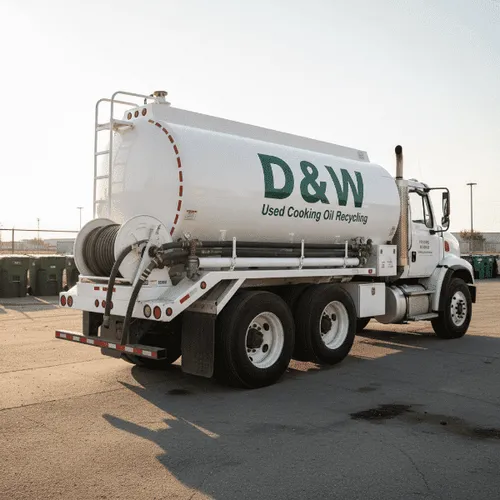
D&W Alternative Energy, Restaurant Oil Pick up and Recycling
220 Allen St, Trenton, NJ 08618
D&W Alternative Energy, Restaurant Oil Pick up and Recycling is a used cooking oil recycling company based in Woodbridge, NJ. They provide used cooking oil pickup and recycling services to restaurants in New Jersey, Pennsylvania, and Delaware. Their services include automated cooking oil management systems and power washing for receptacles and surrounding areas to help clients meet health regulations. Established in 2009, D&W has experience supporting local restaurants and works with law enforcement to prevent grease theft, which can cause environmental and safety issues.
Understanding New Jersey's Used Cooking Oil Regulations
Navigating the rules for grease recycling is the first step toward compliance. In Howell, these regulations are enforced at multiple levels.
State and County Mandates: The New Jersey Department of Environmental Protection (NJDEP) sets the baseline rules. A key requirement is that businesses must use only transporters and processing facilities that are registered with the state. Furthermore, Monmouth County and Howell Township have local ordinances that reinforce these state rules, often requiring businesses to report their recycling activities and use county-registered handlers 1. This creates a "chain of custody" that tracks the oil from your kitchen to its final recycling destination.
Generator Classifications: Rules can be more stringent for "large generators." In New Jersey, a large generator of food waste is typically defined as a business that generates more than 52 tons per year of food waste, which includes used cooking oil and grease. These establishments face additional requirements, such as mandatory source separation of all food waste from the general trash stream. Even if your restaurant is not a large generator, following the procedures designed for them is a best practice that ensures compliance and streamlines operations.
Documentation is Key: The cornerstone of compliance is the manifest system. Every time a registered hauler collects your used oil, they must complete a detailed manifest document. This form acts as a legal receipt, tracking the volume, date, and parties involved in the transfer. You are required to keep a copy of this manifest on file for several years as proof of proper disposal. This paperwork protects your business in the event of an audit or if the oil is mishandled downstream.
The Step-by-Step Process for Proper Oil Collection
Implementing a safe and efficient used cooking oil management routine protects your staff, your facility, and the environment.
- Cool and Filter: Always allow oil to cool completely (below 120°F is a safe benchmark) before handling. Once cool, strain or filter it to remove food particles and sediment. Cleaner oil is more valuable to recyclers and less likely to cause issues in storage containers.
- Store in Approved Containers: Transfer the cooled, filtered oil into a dedicated, sealed storage container. These are typically provided by your collection service and may be a drum, a covered barrel, or an integrated storage tank. Containers must be clearly labeled, kept in good condition to prevent leaks, and placed in a secure, accessible location for pickup 2.
- Schedule Regular Pickups: Establish a service schedule with a registered hauler. Frequency depends on your oil volume; high-volume restaurants may need weekly service, while others might schedule bi-weekly or monthly pickups. Consistent service prevents overflow and reduces the risk of spills or theft.
- Complete the Manifest: Upon collection, the hauler's driver will measure the oil collected and fill out the manifest. Ensure you receive your copy and file it immediately. This completes the chain of custody for that batch 3.
- Recycling into Biofuel: The hauler transports the collected UCO to a registered processing facility. There, it is refined and converted into biodiesel, a renewable fuel, or other industrial products, completing the recycling loop.
Preventing Theft and Contamination
Used cooking oil has become a commodity, making storage containers a target for theft. Illegal siphoning not only represents a loss of potential rebate revenue but can also create liability and mess.
Secure Your Assets: Use collection containers equipped with locking lids, and place them in a well-lit, secure area that is not easily accessible to the public. Many professional collection companies provide lockable bins as a standard part of their service. A secure location also helps prevent accidental or deliberate contamination with other substances, which can ruin an entire batch and make it unrecyclable.
Monitor Your Volume: Keep a simple log of your oil usage and collection amounts. Sudden, unexplained drops in the volume collected by your hauler could indicate theft. Monitoring also helps you accurately forecast your needs and verify service invoices or rebate calculations 4.
Find the perfect used cooking oil collection companies for your needs
Get personalized recommendations and expert advice
Financial Implications: Cost, Rebates, and Value
A common misconception is that used cooking oil disposal is a pure cost. In reality, the economics are often favorable for restaurants.
Free Pickup Services: Most reputable collection companies offer free pickup for restaurants that generate a consistent, usable volume of oil. Their revenue comes from selling the processed oil to biofuel refiners. If your establishment produces decent quantities of clean oil, you should not be paying a regular fee for collection 5.
Earning Rebates: Beyond free service, many providers offer rebate programs. Payments are typically based on the volume and quality (purity) of the oil you provide. For example, programs may kick in for volumes over 100 gallons or for oil that tests above 95% purity 6 7. This turns your waste stream into a minor revenue line.
Understanding Potential Fees: There are scenarios where fees may apply. If your volume is very low or inconsistent, a hauler might charge a small service fee. More significantly, if the oil is heavily contaminated with water or food solids, it may incur a processing fee, as it costs the recycler more to clean it. The cost of these fees is almost always far less than the potential fines for illegal dumping or improper disposal.
Environmental and Community Benefits
Proper used cooking oil collection delivers significant benefits beyond your business's bottom line.
- Protects Sewer Systems: When FOG is poured down drains, it cools, solidifies, and causes major sewer blockages. These "fatbergs" lead to costly municipal repairs, sewer backups, and potential environmental spills. Professional collection prevents this at the source 8.
- Creates Renewable Energy: Recycled UCO is a primary feedstock for biodiesel, a cleaner-burning alternative to petroleum diesel. By recycling your oil, you are directly contributing to the production of renewable fuel, reducing reliance on fossil fuels and lowering overall carbon emissions.
- Ensures Legal Safety: Illegal dumping of cooking oil is a serious offense in New Jersey, potentially resulting in hefty NJDEP fines and even felony charges 9 10. Using a registered hauler with proper manifesting provides a documented audit trail that proves your business is operating responsibly and legally.
Choosing a Service Provider in Howell
Selecting the right partner is crucial. Look for a provider that is fully registered with the State of New Jersey and Monmouth County. They should offer robust, lockable containers and have a clear, straightforward manifesting process. Inquire about their rebate structure and service reliability. Established local and regional companies, such as those servicing the area, understand the specific regulatory landscape of Howell and can ensure your program is fully compliant from day one 11 12.
Frequently asked questions
Sources
Footnotes
-
Township of Howell, NJ Recycling and Source Separating - https://ecode360.com/6674375 ↩
-
NJ Franchise Grease Recycling & SOPs 2025 - https://greaseconnections.com/nj-franchise-grease-recycling-sop/ ↩
-
S2166 - NJ Legislature - https://pub.njleg.gov/bills/2014/S2500/2166_I1.HTM ↩
-
Restaurant Used Cooking Oil: Disposal, Recycling & Revenue Guide - https://greaseconnections.com/restaurant-used-cooking-oil-disposal-recycling-revenue-guide/ ↩
-
Used Cooking Oil Recycling Service in New Jersey - https://eazygrease.com/used-cooking-oil-recycling-new-jersey/ ↩
-
Used Cooking Oil Collection - New Jersey - NYCCAG.com - https://nyccag.com/used-cooking-oil-collection/used-cooking-oil-collection-new-jersey/ ↩
-
Recycling Used Oil in New Jersey - https://www.nj.gov/dep/enforcement/4%20Understanding%20the%20Used%20Oil%20Regulations%20-%20Flite%206-3-09.pdf ↩
-
Fat, Oil & Grease | Livingston Township, NJ - https://www.livingstonnj.org/341/Fat-Oil-Grease ↩
-
Food Waste Recycling rules - https://dep.nj.gov/dshw/swpl/fw/food-waste-recycling-rules/ ↩
-
NJ Used Oil Theft Prevention Guide - Grease Connections - https://greaseconnections.com/nj-used-oil-theft-prevention-guide/ ↩
-
D&W Alternative Energy: Used Cooking Oil Recycling Company - https://dandwalternativeenergy.com/ ↩
-
Cooking Oil Recycling & Grease Pickup | Monmouth County NJ - https://greaseconnections.com/locations/nj/monmouth/ ↩