
Find the Best Used Cooking Oil Collection Companies for Your Business
No obligation • Fast responses • Nationwide coverage

Why you can trust Restaurant Waste Disposal
Restaurant Waste Disposal is a leading U.S. resource for comparing restaurant composting, food-waste recycling, grease trap cleaning, and used cooking oil collection services. Our editorial team researches providers, checks credentials, and organizes unbiased information so operators can make informed decisions. Companies cannot pay to change ratings or placement.
Search providers near you
Top Used Cooking Oil Collection Companies in Hamilton, New Jersey Ranked
For restaurants and food service establishments in Hamilton, managing used cooking oil (UCO) is more than just a routine cleanup task-it's a regulated process that, when handled correctly, can contribute to environmental sustainability and even provide a potential revenue stream. Proper grease collection and disposal are governed by Ohio EPA guidelines and local Hamilton ordinances, requiring coordination with licensed haulers who transport the oil for recycling into products like biodiesel. By understanding the rules for storage, pickup schedules, and oil quality, local businesses can ensure compliance, prevent issues like theft or contamination, and optimize their service arrangements.
Successful grease trap and cooking oil management starts with knowing the local framework. This guide outlines the key steps for Hamilton establishments, from secure storage to selecting a collection partner.
Philadelphia Hood Cleaning Commercial Kitchen Cleaners
Philadelphia, PA
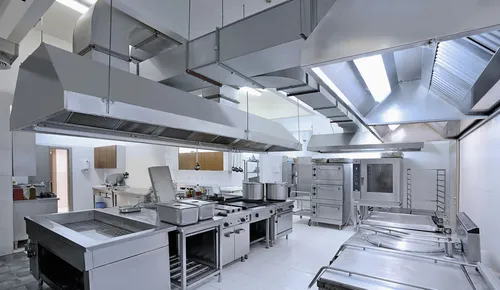
Philadelphia Hood Cleaning Commercial Kitchen Cleaners provides grease trap cleaning, used cooking oil collection, and kitchen exhaust hood cleaning services in Philadelphia, PA. They serve a variety of commercial kitchens including restaurants, bars, and fast-food establishments, focusing on grease removal and maintenance to prevent blockages and regulatory issues. Their experienced technicians use professional equipment to clean grease traps, exhaust hoods, and manage used cooking oil while ensuring compliance with environmental and safety regulations. The company has decades of experience and offers regular maintenance contracts to help clients avoid emergencies and pass inspections.
Atlantic Sitton Services, Inc.
647 Herman Rd, Jackson Township, NJ 08527
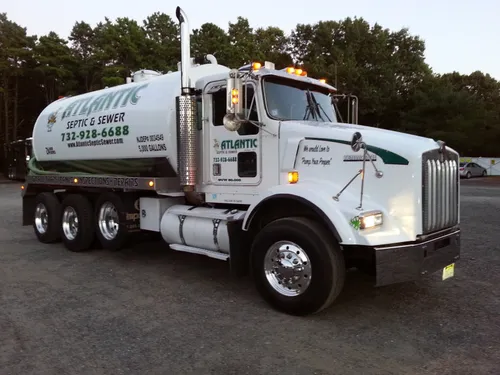
Atlantic Sitton Services, Inc. provides septic and sewer services, grease trap cleaning, and used cooking oil collection and recycling in Lakewood, NJ. They serve residential, commercial, and government clients throughout New Jersey, offering septic system installation, repair, maintenance, and grease tank pumping. The company is equipped to handle emergency services 24/7 and focuses on environmentally conscientious practices, including converting cooking oil into biofuel. With over 30 years of experience, Atlantic Sitton Services employs certified technicians who use modern technology to maintain and extend the lifespan of septic systems while protecting water quality.

Atlantic Septic & Sewer
Lakewood, NJ
Atlantic Septic & Sewer provides septic and sewer services, grease trap cleaning, and used cooking oil collection in Lakewood, NJ. They serve residential, commercial, and government clients throughout New Jersey, offering septic system installation, repair, maintenance, and grease tank pumping. The company also collects and recycles used cooking oil into biofuel and offers emergency services available 24/7. With over 30 years of experience, Atlantic Septic & Sewer employs certified technicians who focus on environmentally conscientious practices and septic system longevity.
NJ Oil Recyclers
New York, NY
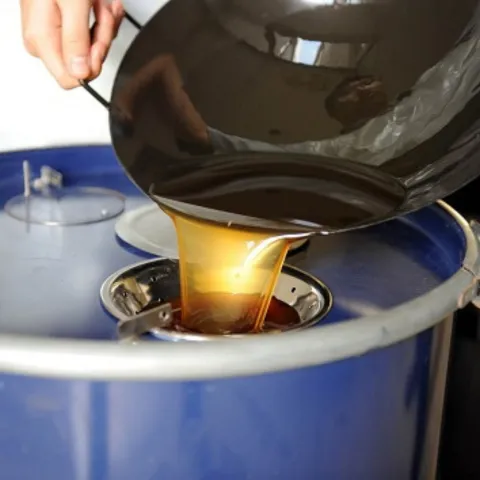
NJ Oil Recyclers provides used cooking oil collection and grease trap cleaning services in New York, NY. They specialize in collecting and recycling various types of restaurant cooking oils, including vegetable oil, fish oil, chicken fat, hog fat, and bacon grease. Their services include providing oil containers, regular oil pickup before containers are full, and thorough grease trap cleaning without chemicals. The company operates a licensed commercial oil recycling facility and uses specialized vehicles to ensure safe and compliant oil waste handling. NJ Oil Recyclers focuses on environmentally responsible recycling and sustainability in their operations.
D&W Alternative Energy, Restaurant Oil Pick up and Recycling
220 Allen St, Trenton, NJ 08618
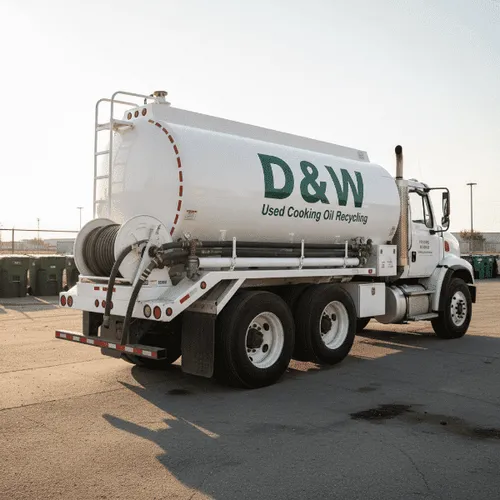
D&W Alternative Energy, Restaurant Oil Pick up and Recycling is a used cooking oil recycling company based in Woodbridge, NJ. They provide used cooking oil pickup and recycling services to restaurants in New Jersey, Pennsylvania, and Delaware. Their services include automated cooking oil management systems and power washing for receptacles and surrounding areas to help clients meet health regulations. Established in 2009, D&W has experience supporting local restaurants and works with law enforcement to prevent grease theft, which can cause environmental and safety issues.
Understanding Local Regulations for Oil Disposal
Navigating the regulatory landscape is the first step to a compliant and efficient used oil program. In Ohio, the primary authority is the Ohio Environmental Protection Agency (Ohio EPA), which classifies used cooking oil as a "used oil" and sets rules to prevent soil and water contamination 1. Generators, which include restaurants, are responsible for ensuring their oil is handled properly from the point it's discarded until it's collected by a licensed hauler.
Hamilton has its own municipal codes that supplement state rules. For instance, local ordinances specify allowable collection times for recycling and solid waste, which typically apply to grease collection services. Pickups are generally permitted from 7 AM until sunset and are prohibited on Sundays and holidays without prior city approval 2. This means scheduling with your hauler is crucial, and off-hours service may require notification. Adherence to these local pickup windows helps maintain neighborhood order and ensures your service remains uninterrupted.
Step-by-Step: The Grease Collection Process
Establishing a reliable used cooking oil pickup service involves a clear, multi-step process. Here's what Hamilton restaurants can typically expect:
- Schedule Pickup: Contact a licensed UCO collection company to set up service. They will assess your volume and provide storage containers.
- Proper Storage: The hauler will deliver secure, labeled collection bins (often ranging from 40 to over 300 gallons) for your kitchen. Oil should be stored here until pickup.
- Collection: On the scheduled day, a service truck will arrive, connect a hose to your bin, and pump the oil into its tank.
- Transport & Recycling: The collected oil is transported to a processing facility where it is cleaned and converted into renewable resources like biodiesel.
- Documentation: Reputable haulers provide paperwork for your records, which is essential for demonstrating regulatory compliance.
Best Practices for On-Site Oil Storage
Proper on-site storage is critical for safety, compliance, and maximizing the value of your used oil. The goal is to keep the oil clean and secure.
- Use Provided Containers: Always store oil in the dedicated, leak-proof bins supplied by your collection company. These are designed for safe handling and transport.
- Prevent Contamination: Keep water, food scraps, and other debris out of the oil. Contaminated oil is harder to recycle and may result in lower rebates or even service fees.
- Secure Outdoor Bins: If bins are stored outside, they should be placed in a well-lit area and equipped with locks to deter theft, which is an unfortunate reality in the grease collection industry 3.
- Clear Labeling: Ensure all containers are clearly marked as "Used Cooking Oil" to avoid accidental misuse.
Find the perfect used cooking oil collection companies for your needs
Get personalized recommendations and expert advice
Potential Costs and Rebates for Your Oil
The financial model for used cooking oil collection can vary. Many providers offer free pickup for lower volumes, while higher volumes of clean oil can qualify for rebates.
- Low Volume (Less than 100 gallons/month): Service is often free, with no payment to the restaurant.
- Medium Volume (100-300 gallons/month): May qualify for a small rebate, often in the range of $0.10 to $0.25 per gallon 4.
- High Volume (Over 300 gallons/month): Can command higher rebates, potentially from $0.25 to over $0.65 per gallon, especially if the oil is kept clean and free of contaminants 5 6.
The key takeaway is that oil quality directly impacts value. Maintaining clean oil without water or food particles is the best way to ensure you receive the most favorable terms from your collection partner.
Service Providers in the Region
Several licensed companies service the Hamilton and greater Ohio region. These providers handle the collection, transportation, and recycling logistics. Examples include:
- Mahoney Environmental: Offers comprehensive services including fresh oil delivery, used oil pickup, and equipment provision 7.
- Green Mountain Products: A provider operating in the Columbus area and West Virginia, serving parts of Ohio.
- The Grease Company: Provides general UCO collection services for restaurants 8.
When selecting a provider, confirm they are licensed to operate in Ohio and understand Hamilton's specific local ordinances regarding pickup times.
The Environmental Impact of Recycling UCO
Diverting used cooking oil from the waste stream has significant environmental benefits. When recycled, this oil is processed into biodiesel, a cleaner-burning renewable fuel that reduces reliance on fossil fuels and lowers greenhouse gas emissions 9 10. By participating in a professional collection program, Hamilton restaurants directly contribute to a circular economy, turning a waste product into a valuable resource. This sustainable practice not only meets regulatory demands but also enhances a business's green credentials, which are increasingly important to consumers.
Frequently asked questions
Sources
Footnotes
-
Used Oil - Ohio EPA - https://epa.ohio.gov/wps/portal/gov/epa/divisions-and-offices/environmental-response-revitalization/guides-and-manuals/used-oil ↩
-
973.03 RECYCLING AND SOLID WASTE COLLECTION AND ... - https://codelibrary.amlegal.com/codes/hamilton/latest/hamilton_oh/0-0-0-19508 ↩
-
Restaurant Oil Disposal: Explained - Eazy Grease - https://eazygrease.com/how-do-restaurants-get-rid-of-their-oil/ ↩
-
Used Cooking Oil Disposal: Complete Guide to Grease Pickups - https://greaseconnections.com/used-cooking-oil-disposal-guide-grease-pickups/ ↩
-
Restaurant Used Cooking Oil Recycling & Disposal Guide - https://greaseconnections.com/restaurant-used-cooking-oil-disposal-recycling-revenue-guide/ ↩
-
Used Cooking Oil Pricing & Business Guide - Grease Connections - https://greaseconnections.com/used-cooking-oil-pricing-guide/ ↩
-
Restaurant Grease Pickup & Commercial Cooking Oil Recycling - Mahoney - https://www.mahoneyes.com/services/ ↩
-
Used Cooking Oil (UCO) Collection Service For Restaurants - https://thegreasecompany.com/blog/restaurant-used-cooking-oil-collection/ ↩
-
Cooking Oil Delivery, Pickup, and Recycling in Ohio - https://www.mahoneyes.com/cooking-oil-delivery-recycling-ohio/ ↩
-
How to Recycle Cooking Oil in Ohio? - Green Mountain Products - https://greenmtnproducts.com/how-to-recycle-cooking-oil-in-ohio/ ↩