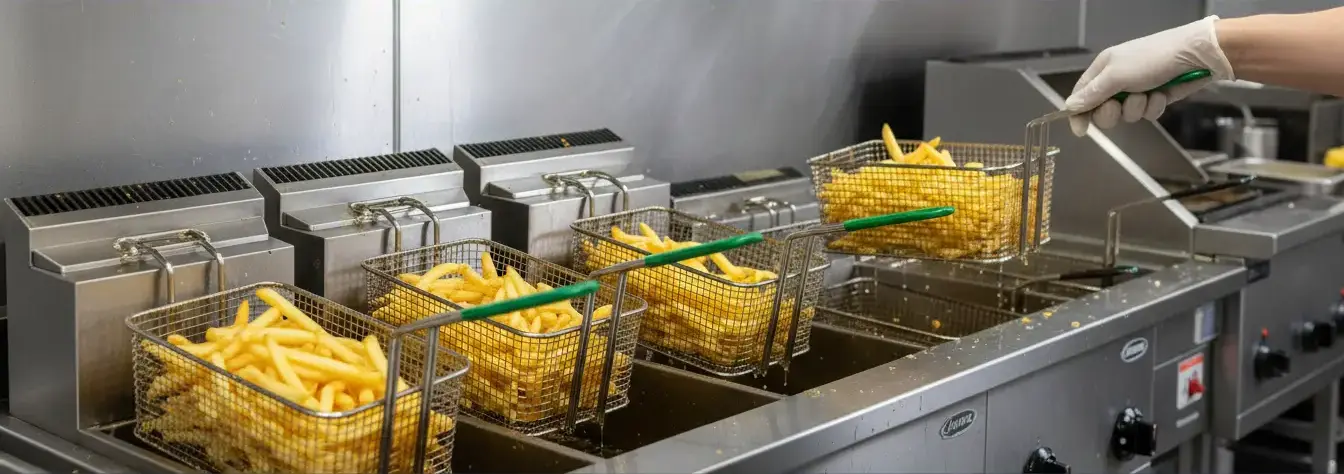
Find the Best Used Cooking Oil Collection Companies for Your Business
No obligation • Fast responses • Nationwide coverage

Why you can trust Restaurant Waste Disposal
Restaurant Waste Disposal is a leading U.S. resource for comparing restaurant composting, food-waste recycling, grease trap cleaning, and used cooking oil collection services. Our editorial team researches providers, checks credentials, and organizes unbiased information so operators can make informed decisions. Companies cannot pay to change ratings or placement.
Search providers near you
Top Used Cooking Oil Collection Companies in Evesham, New Jersey Ranked
For restaurants and food service businesses in Evesham, managing used cooking oil (UCO) is more than just a routine cleanup task-it's a regulated, environmentally critical process that can also provide a financial return. New Jersey has established a comprehensive framework for handling this waste stream, treating it as a valuable recyclable material rather than mere refuse. By partnering with a licensed collector, Evesham establishments can ensure compliance with state law, protect their plumbing and the local sewer system, and contribute to the production of renewable biofuels. This guide outlines the essential steps, regulations, and benefits of professional used cooking oil collection specifically for businesses in Evesham Township.
Philadelphia Hood Cleaning Commercial Kitchen Cleaners
Philadelphia, PA
Philadelphia Hood Cleaning Commercial Kitchen Cleaners provides grease trap cleaning, used cooking oil collection, and kitchen exhaust hood cleaning services in Philadelphia, PA. They serve a variety of commercial kitchens including restaurants, bars, and fast-food establishments, focusing on grease removal and maintenance to prevent blockages and regulatory issues. Their experienced technicians use professional equipment to clean grease traps, exhaust hoods, and manage used cooking oil while ensuring compliance with environmental and safety regulations. The company has decades of experience and offers regular maintenance contracts to help clients avoid emergencies and pass inspections.
Eden Green Energy
805 B W 2nd St, Chester, PA 19013
Eden Green Energy is a used cooking oil collection company based in Philadelphia, PA. They specialize in collecting used cooking oil from businesses in the area. The company focuses on environmentally responsible disposal and recycling of cooking oil.

Atlantic Septic & Sewer
Lakewood, NJ
Atlantic Septic & Sewer provides septic and sewer services, grease trap cleaning, and used cooking oil collection in Lakewood, NJ. They serve residential, commercial, and government clients throughout New Jersey, offering septic system installation, repair, maintenance, and grease tank pumping. The company also collects and recycles used cooking oil into biofuel and offers emergency services available 24/7. With over 30 years of experience, Atlantic Septic & Sewer employs certified technicians who focus on environmentally conscientious practices and septic system longevity.
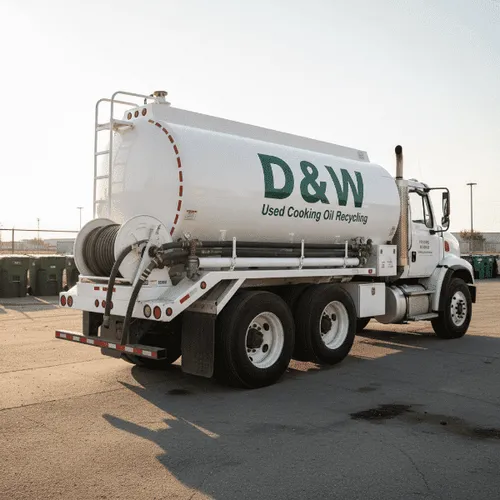
D&W Alternative Energy, Restaurant Oil Pick up and Recycling
220 Allen St, Trenton, NJ 08618
D&W Alternative Energy, Restaurant Oil Pick up and Recycling is a used cooking oil recycling company based in Woodbridge, NJ. They provide used cooking oil pickup and recycling services to restaurants in New Jersey, Pennsylvania, and Delaware. Their services include automated cooking oil management systems and power washing for receptacles and surrounding areas to help clients meet health regulations. Established in 2009, D&W has experience supporting local restaurants and works with law enforcement to prevent grease theft, which can cause environmental and safety issues.
Restaurant Technologies
870 Calcon Hook Rd, Sharon Hill, PA 19079
Restaurant Technologies is a used cooking oil collection company based in Philadelphia, PA. They offer an automatic cooking oil delivery and recycling system designed to reduce hazards and labor associated with manual oil management in commercial kitchens. Their Total Oil Management service includes installing tanks for fresh and waste oil, automatic fryer controls, and scheduled delivery and recycling, all monitored remotely. This closed-loop system supports sustainability initiatives by safely recycling used cooking oil and improving kitchen safety by minimizing direct handling of hot oil.
Understanding New Jersey's Regulatory Landscape
In New Jersey, used cooking oil is classified as a Class D recyclable material. This designation comes with specific legal requirements for its handling, especially for commercial generators like restaurants. The cornerstone of state regulation is the A-901 license, which is mandatory for any entity transporting commercial quantities of UCO. This license system, administered by the New Jersey Department of Environmental Protection (NJDEP), ensures that haulers are properly vetted and operate within environmental guidelines.
Furthermore, the state's Food Waste Recycling Law mandates that large food waste generators-those producing 52 or more tons per year-must source-separate and recycle their organic waste, including used cooking oil, provided they are within 25 road miles of an authorized recycling facility. Given Evesham's location in the densely populated corridor of South Jersey, most qualifying restaurants are likely within this radius of a processing plant. Compliance involves maintaining detailed manifests for every shipment of oil, creating a transparent chain of custody from your kitchen to the recycling facility.
While Evesham Township's municipal website emphasizes robust recycling programs for residents 1, commercial businesses are primarily governed by these state DEP mandates. Adhering to them is not optional; it's a legal requirement for responsible waste management.
The Professional Collection Process: From Fryer to Fuel
Engaging a professional UCO collection service streamlines what can be a messy and logistically challenging task. Reputable providers typically follow a standardized, efficient process designed for convenience and compliance.
Step 1: Secure Storage & Container Provision The process begins with proper on-site storage. Most collection companies will provide dedicated, sealed containers at no upfront cost. These containers are designed to be secure, often featuring locking lids to prevent tampering or spills, and should be placed in a cool, accessible area. It's crucial to pour only cooled oil into these containers and to avoid contaminating it with large food debris or water, as purity affects its recycling value and potential rebate 2.
Step 2: Scheduled or On-Demand Pickup Services are tailored to your volume. A high-volume restaurant may need weekly pickups, while a smaller cafe might require monthly service. Licensed haulers will pump the oil from your storage tank or swap out full drums or containers 3. The key is establishing a reliable schedule that prevents overflow and maintains kitchen safety and cleanliness.
Step 3: Documentation and Tracking At each pickup, the driver will complete a manifest. This legal document details the quantity of oil collected, the generator (your business), the transporter, and the destination facility 4. You should receive a copy for your records. This paperwork is your proof of compliant recycling and is essential for audit trails under NJDEP regulations.
Find the perfect used cooking oil collection companies for your needs
Get personalized recommendations and expert advice
Environmental and Economic Benefits for Your Business
Diverting used cooking oil from the waste stream creates a powerful positive cycle. Environmentally, professional collection prevents Fats, Oils, and Grease (FOG) from entering sewer systems. When poured down drains, FOG congeals, causing major blockages in both private plumbing and public sewer lines, leading to costly backups and sanitary sewer overflows 5. By collecting it separately, you're directly protecting local infrastructure and waterways.
The collected oil is then transformed into valuable resources. At recycling facilities, it is processed into biodiesel, a cleaner-burning renewable diesel fuel, or other bio-based products 6. This process gives your kitchen waste a second life, reducing reliance on fossil fuels and lowering overall carbon emissions.
Financially, this service often operates at a negative cost to your business. Many licensed haulers offer free container rental and free pickup services 7 8. Furthermore, because the oil has market value, companies frequently provide rebates or payments based on the volume and quality of oil you generate 9. For a busy Evesham restaurant, this can turn a waste product into a modest revenue stream. Additionally, by ensuring less FOG goes down the drain, you may reduce the frequency and cost of grease trap cleaning services 9.
Choosing a Service Provider in the Evesham Area
Selecting the right partner is critical. Your first filter should be verifying the company's valid New Jersey A-901 transporter license. Don't hesitate to ask for proof of licensing. Next, evaluate their service offerings: Do they provide secure, locking containers? What is their pickup schedule flexibility? How do they handle manifest documentation?
Inquire about their rebate or payment structure. Terms can vary, so understand how pricing is determined (e.g., per gallon, with premiums for clean oil) and the payment schedule 10. Finally, consider their environmental commitment-ask where the oil is taken for recycling and what end products are made. A transparent provider will be happy to share this information.
Common Pitfalls and Best Practices
- Improper Disposal: Never pour used oil down sinks, floor drains, or into dumpsters. This violates regulations, harms infrastructure, and attracts pests.
- Poor Storage: Using unsecured, open containers poses safety hazards (slips, falls) and risks contamination from rainwater or debris, which lowers the oil's value.
- Ignoring Manifests: Always keep your copies of shipment manifests. They are your legal record of compliant recycling.
- Mixing Contaminants: Keep water, soap, and solid food waste out of your UCO collection container. Clean oil equals better rebates and more efficient recycling.
- Choosing an Unlicensed Hauler: This exposes your business to potential liability and does not fulfill your regulatory obligations under NJ law.
By implementing a professional used cooking oil collection program, Evesham restaurants achieve a triple win: ensuring regulatory compliance, generating an environmental benefit, and creating a potential source of operational savings or income.
Frequently asked questions
Sources
Footnotes
-
Evesham Township, New Jersey - Recycling - Accepted Items - https://evesham-nj.org/public-works-page-list/262-recycling ↩
-
Used Cooking Oil Pickup vs Drop-Off-What's Best for Restaurants? - https://www.greaseprosrecycling.com/used-cooking-oil-pickup-vs-drop-off/ ↩
-
Used Cooking Oil Recycling - SCMUA - https://scmua.org/wp-content/uploads/2023/10/Cooking-oil-web.pdf ↩
-
S2166 - NJ Legislature - https://pub.njleg.gov/bills/2014/S2500/2166_I1.HTM ↩
-
Restaurant Used Cooking Oil Collection and Recycling Services in Wyoming - Mahoney Oil Recycling - https://www.mahoneyes.com/restaurant-used-cooking-oil-collection-and-recycling-services-in-wyoming/ ↩
-
NJDEP| Division of Sustainable Waste Management | Food Waste Recycling rules - https://dep.nj.gov/dshw/swpl/fw/food-waste-recycling-rules/ ↩
-
Used Cooking Oil Recycling Service in New Jersey - https://eazygrease.com/used-cooking-oil-recycling-new-jersey/ ↩
-
Used Cooking Oil Collection - New Jersey - NYCCAG.com - https://nyccag.com/used-cooking-oil-collection/used-cooking-oil-collection-new-jersey/ ↩
-
How to Dispose of Cooking Oil in New Jersey 2025 Complete Guide - https://greaseconnections.com/nj-cooking-oil-disposal-guide/ ↩ ↩2
-
How to Sell Your Used Cooking Oil: A Practical Guide for New ... - https://dandwalternativeenergy.com/blog/selling-used-cooking-oil/ ↩