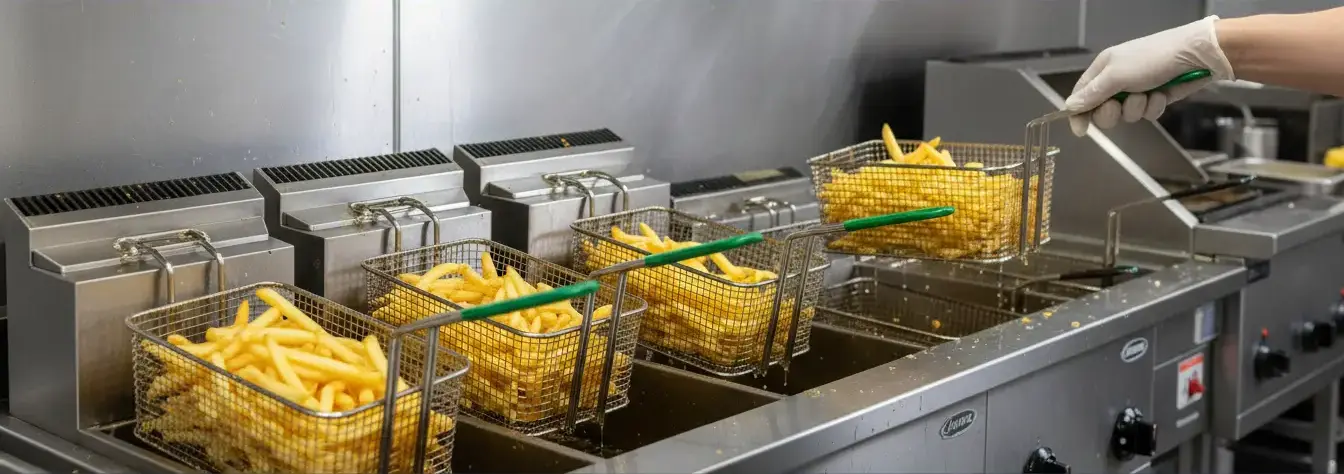
Find the Best Used Cooking Oil Collection Companies for Your Business
No obligation • Fast responses • Nationwide coverage

Why you can trust Restaurant Waste Disposal
Restaurant Waste Disposal is a leading U.S. resource for comparing restaurant composting, food-waste recycling, grease trap cleaning, and used cooking oil collection services. Our editorial team researches providers, checks credentials, and organizes unbiased information so operators can make informed decisions. Companies cannot pay to change ratings or placement.
Search providers near you
Top Used Cooking Oil Collection Companies in Elizabeth, New Jersey Ranked
For restaurants and food service businesses in Elizabeth, managing used cooking oil (UCO) is more than just a routine cleanup task-it's a regulated process with significant environmental and financial implications. Proper grease collection and recycling are mandated by New Jersey state law, turning what was once a messy waste product into a valuable commodity for biodiesel production. By partnering with a licensed hauler, Elizabeth establishments can ensure regulatory compliance, enhance their sustainability profile, and potentially turn their used oil into a source of revenue or cost savings. This guide outlines the essential steps, local rules, and benefits of establishing a reliable used cooking oil collection system.
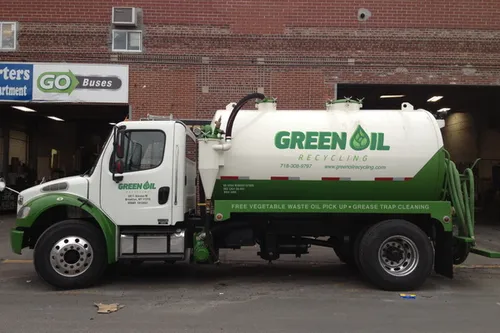
Green Oil Recycling
317 Liberty Ave, Brooklyn, NY 11207
Green Oil Recycling provides professional grease trap cleaning and used cooking oil collection services in New York, NY. They specialize in maintaining commercial kitchen grease traps, including passive hydro mechanical, large pre-cast concrete gravity traps, and auto-grease removal systems like Big Dipper. Their trained technicians thoroughly clean traps, scrape walls, and use bio-safe chemicals to break down waste oil, helping kitchens stay odorless and compliant with local regulations. Green Oil Recycling serves New York City, New Jersey, and Nassau County, ensuring all waste oil disposal meets BIC, DEC, and EPA standards. They also inspect gaskets and fittings to prevent violations and hazards, working closely with Done Right Hood & Fire Safety for comprehensive grease trap and kitchen exhaust maintenance.

New York Hood Cleaning
New York, NY
New York Hood Cleaning provides grease trap cleaning and used cooking oil collection services in New York, NY. They specialize in thorough cleaning of kitchen ducts, fans, hoods, and vents to maintain commercial kitchen operations. The company emphasizes sustainability by recycling used cooking oil for animal feed or fuel. With decades of experience, they offer skilled service using specialized tools to remove grease effectively. Their approach simplifies operations by combining multiple services under one provider, supported by responsive customer service.

NYC Clean Air Group
154-05 12th Ave, Beechhurst, NY 11357
NYC Clean Air Group is a family-owned business serving New York, NY, and New Jersey. They specialize in used cooking oil collection, grease trap cleaning, and cesspool maintenance for restaurants, stadiums, hospitals, and commissaries across all five boroughs. The company offers licensed and insured services with options for monthly contracts or per-incident work. They emphasize environmentally friendly practices and provide same-day service and free estimates.
Grease Sharks
New York, NY
Grease Sharks is a grease trap cleaning and used cooking oil collection company based in New York, NY. They serve the Greater New York City area, including New Jersey, Westchester, and Connecticut. Their services include grease trap cleaning and maintenance, used cooking oil pick up, grease trap installation and plumbing, sewer and line jetting, and drain cleaning. With over a decade of combined experience, Grease Sharks aims to help businesses stay compliant and running smoothly. They provide scheduled maintenance tailored to client needs and offer 24/7 emergency service throughout the year.
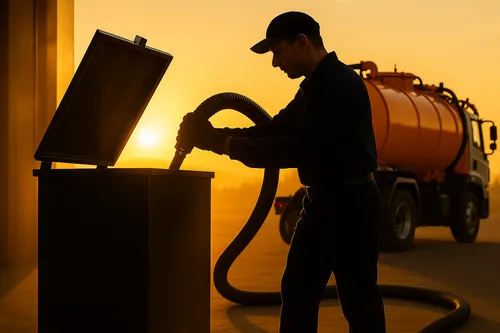
Grease Connections
150 Commerce Rd, Carlstadt, NJ 07072
Grease Connections is a used cooking oil collection company serving New York, NY, as well as Florida, Georgia, and New Jersey. They specialize in collecting used cooking oil from restaurants and industrial kitchens, which is then filtered, refined, and shipped to U.S. processors to create biodiesel and renewable aviation fuel. The company provides licensed, spill-free pickups with digital manifests and offers optional RFID-enabled containers for real-time tracking. Grease Connections complies with EPA regulations and state-specific requirements, ensuring proper documentation for audits and inspections. Their service helps clients reduce emissions and avoid fines related to improper grease disposal.
Understanding New Jersey's Regulatory Landscape
Navigating the rules for grease disposal is the first critical step for any food service operator. New Jersey has specific regulations designed to divert organic waste from landfills and promote recycling.
The Food Waste Recycling Law: A key piece of legislation, often referred to as the NJ Food Waste Law, mandates that large food waste generators must source separate and recycle their organic waste, including used cooking oil, if they are located within 25 miles of an authorized recycling facility 1 2. This law underscores the state's commitment to sustainability and affects many restaurants in the Elizabeth area.
Licensed Hauler Requirement: You cannot simply dispose of used fryer oil with regular trash or pour it down the drain. New Jersey requires that used cooking oil be transported by a registered, licensed hauler. These companies are authorized to handle the material and provide the necessary documentation to prove compliant disposal.
The Manifest System: Every single pickup of your used oil must be accompanied by a New Jersey Grease Manifest. This is a chain-of-custody document that you and the hauler sign, detailing the volume collected, the transporter's information, and the destination facility. It is crucial to keep these manifests on file for at least three years as proof of proper recycling for any potential regulatory review.
Setting Up Your On-Site Collection System
A proper setup is vital for safety, efficiency, and preventing costly issues like theft or contamination.
Choosing Storage Containers: Licensed collectors typically provide specialized storage bins, which can range from 40 to over 300 gallons in capacity. These bins should be clearly labeled and designed for grease storage. Placement is flexible; high-volume kitchens may need large, secure outdoor containers, while smaller operations might use indoor bins for convenience 3.
Security is Paramount: Used cooking oil has significant value on the commodities market, making it a target for theft. Securing your bins with locks, placing them in well-lit areas, and considering advanced options like QR-code-tracked containers can deter theft 4. Promptly reporting any theft to your hauler and local authorities is also important. A secure system protects your potential rebate and prevents unauthorized access that could lead to spills or liability issues.
Maintaining Oil Quality: To ensure the oil is suitable for recycling into high-quality biodiesel, avoid contaminating it with water, food debris, or other liquids. Proper filtering before transferring oil to the storage bin can help maintain its value and streamline the recycling process.
The Recycling Journey: From Fryer to Fuel
Once collected, your used oil begins a transformation that benefits the local economy and environment.
Collection & Transportation: On your scheduled service day, a licensed hauler will pump the oil from your storage container into their specialized truck. At this point, the driver will complete the manifest with you, noting the volume collected 5.
Processing into Biodiesel: The oil is transported to a processing facility. There, it undergoes filtration to remove impurities and is then chemically processed through a reaction called transesterification. This process converts the used vegetable oil into biodiesel, a clean-burning, renewable fuel that can power vehicles and heating systems 6.
Environmental Impact: Recycling just one gallon of used cooking oil can produce approximately one gallon of biodiesel, which burns cleaner than petroleum diesel, reducing greenhouse gas emissions and particulate matter 7. By participating in a collection program, your restaurant directly contributes to a circular economy and reduces its environmental footprint.
Financial Considerations: Cost, Service, and Potential Revenue
The financial model for used cooking oil collection in Elizabeth can vary, but it often removes disposal costs and can even create a new income stream.
Free Pickup Services: Many collection companies offer free regular pickup services, especially for establishments with consistent, manageable volumes. This model typically involves no fees for the collection, bin rental, or service, allowing restaurants to dispose of their oil responsibly without added operational costs.
Volume-Based Rebate Programs: For kitchens that generate higher volumes of used oil, rebate programs are common. The hauler sells the oil to biodiesel producers and shares a portion of that revenue with you. Payments are usually calculated per gallon, with rates potentially increasing with higher monthly volumes. Industry sources indicate rebates can range widely, often from a few cents to over $0.65 per gallon depending on market conditions and your output 8 9.
Understanding Your Agreement: When selecting a service provider, review the service agreement carefully. Look for terms regarding pickup frequency, emergency service availability, container maintenance, and the specifics of any rebate program. Many reputable companies offer flexible, no-long-term-contract options to accommodate business needs 10.
Find the perfect used cooking oil collection companies for your needs
Get personalized recommendations and expert advice
Best Practices for Restaurant Managers
Implementing a smooth, compliant oil collection routine requires attention to detail.
- Train Your Staff: Ensure all kitchen staff know the proper procedures for draining and filtering fryers, transferring oil to the correct storage container, and keeping the area clean to prevent slips and spills.
- Maintain Your Records: Designate a manager or specific location (digital or physical) to store every grease manifest. Organized records are your first line of defense during compliance checks.
- Communicate with Your Hauler: Establish a good relationship with your service provider. Report issues like a full container ahead of schedule, a missed pickup, or suspected tampering immediately.
- Audit Your Volume: Periodically track how much oil you generate. This knowledge helps you verify hauler manifests and is essential if you are on a rebate program, ensuring you receive accurate compensation.
Special Considerations for Different Operations
While the core principles apply to all food service, some operations have unique needs.
High-Volume Restaurants & Caterers: These businesses are likely to qualify for rebate programs and should prioritize large, secure outdoor storage solutions. Frequent pickups may be necessary to handle the volume and maximize revenue.
Small Cafes & Diners: Smaller establishments benefit greatly from free pickup services. An indoor, smaller-capacity bin can be ideal for space-constrained kitchens, and reliable, scheduled service prevents overflow.
Institutional Kitchens (Schools, Hospitals): These facilities must adhere to strict procurement and safety protocols. The collection process must be integrated into standard operating procedures, with clear documentation for audits. Specialized checklists are available to help institutional kitchens manage grease disposal compliantly 11.
Frequently asked questions
Sources
Footnotes
-
S2166 - NJ Legislature - https://pub.njleg.gov/bills/2014/S2500/2166_I1.HTM ↩
-
NJDEP| Division of Sustainable Waste Management | Food Waste Recycling rules - https://dep.nj.gov/dshw/swpl/fw/food-waste-recycling-rules/ ↩
-
Used Cooking Oil Recycling & Grease Collection | Elizabeth - https://greaseconnections.com/locations/nj/union/elizabeth/ ↩
-
NJ Used Oil Theft Prevention Guide - Grease Connections - https://greaseconnections.com/nj-used-oil-theft-prevention-guide/ ↩
-
NJ Franchise Grease Recycling & SOPs 2025 - https://greaseconnections.com/nj-franchise-grease-recycling-sop/ ↩
-
Used Cooking Oil Collection & Recycling - D&W Alternative Energy - https://dandwalternativeenergy.com/used-cooking-oil-collection/ ↩
-
Recycling Used Cooking Oil With Green Grease Environmental - https://www.youtube.com/watch?v=KP05Yx-GkHk ↩
-
NJ Oil Recycling ROI Calculator | Grease Savings Tool - https://greaseconnections.com/nj-oil-recycling-roi-calculator/ ↩
-
Restaurant Used Cooking Oil: Disposal, Recycling & Revenue Guide - https://greaseconnections.com/restaurant-used-cooking-oil-disposal-recycling-revenue-guide/ ↩
-
Used Cooking Oil Recycling Service in New Jersey - https://eazygrease.com/used-cooking-oil-recycling-new-jersey/ ↩
-
NJ School Cafeteria Grease Checklist & Oil Disposal - https://greaseconnections.com/nj-school-cafeteria-grease-oil-disposal/ ↩