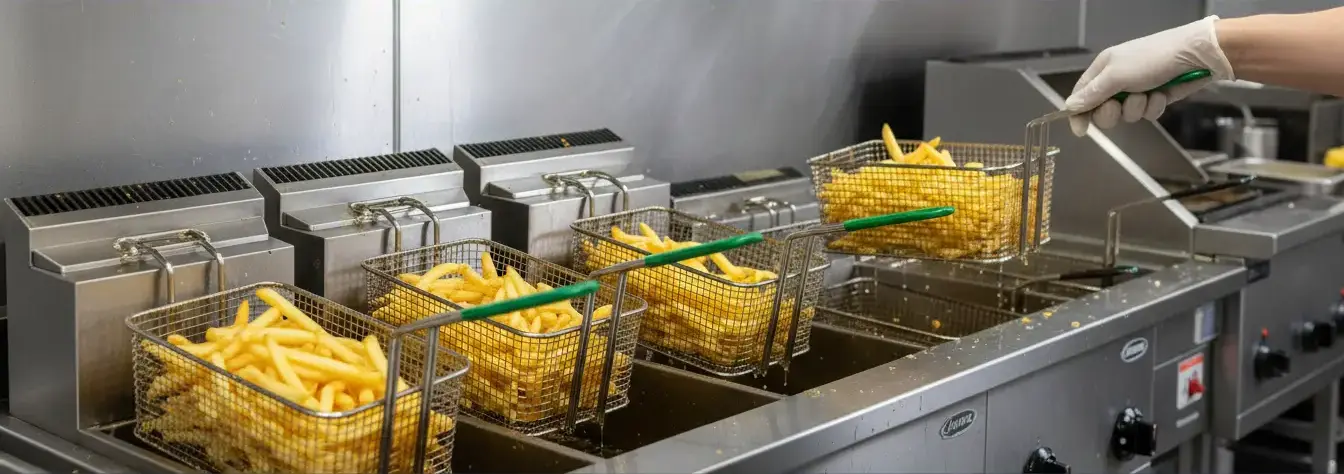
Find the Best Used Cooking Oil Collection Companies for Your Business
No obligation • Fast responses • Nationwide coverage

Why you can trust Restaurant Waste Disposal
Restaurant Waste Disposal is a leading U.S. resource for comparing restaurant composting, food-waste recycling, grease trap cleaning, and used cooking oil collection services. Our editorial team researches providers, checks credentials, and organizes unbiased information so operators can make informed decisions. Companies cannot pay to change ratings or placement.
Search providers near you
Top Used Cooking Oil Collection Companies in Edison, New Jersey Ranked
For restaurants and commercial kitchens in Edison, managing used cooking oil (UCO) is a critical operational and environmental responsibility. New Jersey state mandates and local Edison ordinances require proper handling, storage, and recycling of this material, transforming a potential waste stream into a valuable resource for biofuel production. By partnering with a licensed collection service, food service establishments can ensure regulatory compliance, enhance their sustainability profile, and potentially turn their used oil into a source of revenue through volume-based rebates. This guide outlines the essential rules, processes, and benefits of professional grease recycling in the Edison area.
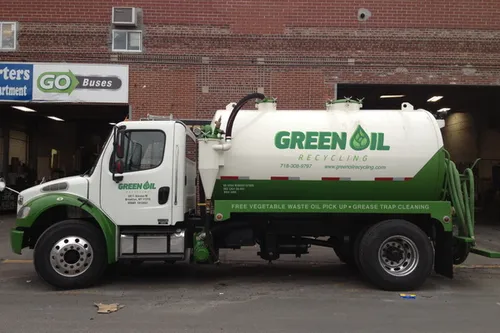
Green Oil Recycling
317 Liberty Ave, Brooklyn, NY 11207
Green Oil Recycling provides professional grease trap cleaning and used cooking oil collection services in New York, NY. They specialize in maintaining commercial kitchen grease traps, including passive hydro mechanical, large pre-cast concrete gravity traps, and auto-grease removal systems like Big Dipper. Their trained technicians thoroughly clean traps, scrape walls, and use bio-safe chemicals to break down waste oil, helping kitchens stay odorless and compliant with local regulations. Green Oil Recycling serves New York City, New Jersey, and Nassau County, ensuring all waste oil disposal meets BIC, DEC, and EPA standards. They also inspect gaskets and fittings to prevent violations and hazards, working closely with Done Right Hood & Fire Safety for comprehensive grease trap and kitchen exhaust maintenance.
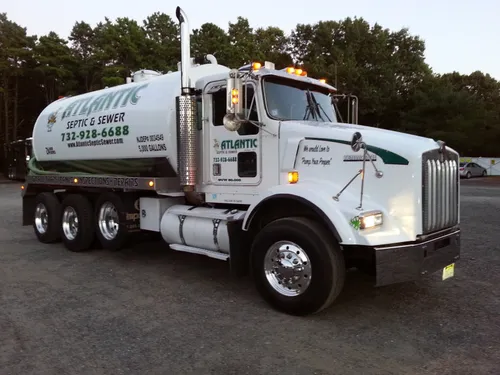
Atlantic Sitton Services, Inc.
647 Herman Rd, Jackson Township, NJ 08527
Atlantic Sitton Services, Inc. provides septic and sewer services, grease trap cleaning, and used cooking oil collection and recycling in Lakewood, NJ. They serve residential, commercial, and government clients throughout New Jersey, offering septic system installation, repair, maintenance, and grease tank pumping. The company is equipped to handle emergency services 24/7 and focuses on environmentally conscientious practices, including converting cooking oil into biofuel. With over 30 years of experience, Atlantic Sitton Services employs certified technicians who use modern technology to maintain and extend the lifespan of septic systems while protecting water quality.

New York Hood Cleaning
New York, NY
New York Hood Cleaning provides grease trap cleaning and used cooking oil collection services in New York, NY. They specialize in thorough cleaning of kitchen ducts, fans, hoods, and vents to maintain commercial kitchen operations. The company emphasizes sustainability by recycling used cooking oil for animal feed or fuel. With decades of experience, they offer skilled service using specialized tools to remove grease effectively. Their approach simplifies operations by combining multiple services under one provider, supported by responsive customer service.
Grease Connections
150 Commerce Rd, Carlstadt, NJ 07072
Grease Connections is a used cooking oil collection company serving New York, NY, as well as Florida, Georgia, and New Jersey. They specialize in collecting used cooking oil from restaurants and industrial kitchens, which is then filtered, refined, and shipped to U.S. processors to create biodiesel and renewable aviation fuel. The company provides licensed, spill-free pickups with digital manifests and offers optional RFID-enabled containers for real-time tracking. Grease Connections complies with EPA regulations and state-specific requirements, ensuring proper documentation for audits and inspections. Their service helps clients reduce emissions and avoid fines related to improper grease disposal.
NJ Oil Recyclers
New York, NY
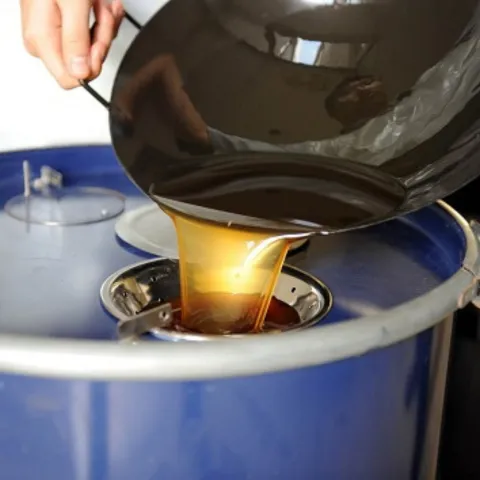
NJ Oil Recyclers provides used cooking oil collection and grease trap cleaning services in New York, NY. They specialize in collecting and recycling various types of restaurant cooking oils, including vegetable oil, fish oil, chicken fat, hog fat, and bacon grease. Their services include providing oil containers, regular oil pickup before containers are full, and thorough grease trap cleaning without chemicals. The company operates a licensed commercial oil recycling facility and uses specialized vehicles to ensure safe and compliant oil waste handling. NJ Oil Recyclers focuses on environmentally responsible recycling and sustainability in their operations.
Understanding Local and State Regulations
Navigating the regulatory landscape is the first step for any Edison food service business. Compliance is not optional; it's mandated by both state law and local health codes designed to protect the environment and public infrastructure.
New Jersey's Mandatory Recycling Law: A key driver is New Jersey's 2020 food waste recycling law (S2166)1. This legislation requires large food waste generators-which includes many restaurants-to separate and recycle organic waste, including used cooking oil, if they are located within 25 miles of an authorized recycling facility2. Edison falls well within this radius of several processing plants, making recycling a legal requirement for covered entities.
Edison and Middlesex County Requirements: On a local level, all commercial kitchens in Edison are required to have properly sized and maintained grease traps or interceptors to prevent fats, oils, and grease (FOG) from entering the sewer system3. The proper management of used cooking oil is a direct extension of this requirement. The Middlesex County Solid Waste Management Program actively promotes the recycling of food waste and associated materials like UCO as part of its waste diversion goals3.
Proper Storage and Handling Protocols
Before collection can occur, restaurants must implement safe and compliant storage practices. This protects your property, prevents violations, and ensures the oil remains a high-quality feedstock for recycling.
- Use Approved Containers: UCO must be stored in dedicated, leak-proof, and lockable containers, such as standard 200-gallon collection bins provided by most haulers. These containers prevent spills, deter theft (which is a known issue for valuable grease), and avoid contamination.
- Cool Before Transferring: Always allow oil to cool completely before pouring it from fryers into storage containers. This is a basic safety measure to prevent burns and fires.
- Designate a Storage Area: Keep collection bins in a secure, designated area, preferably on a paved surface to contain any potential leaks and for easy access by collection trucks.
- Never Mix Contaminants: Used cooking oil must be kept pure. Never mix it with water, food scraps, or other liquids, and absolutely never combine it with hazardous materials like motor oil. Contamination can ruin an entire batch for recycling and lead to disposal fees.
The Collection and Recycling Process
Partnering with a licensed hauler streamlines the collection process into a simple, routine service. Here's how it typically works for an Edison restaurant:
- Accumulation: Kitchen staff safely transfer cooled UCO into the secure outdoor container.
- Scheduled Pickup: Based on your volume, the hauler establishes a regular pickup schedule (e.g., weekly, bi-weekly). Companies like Grease Connections and Eazy Grease service the Edison area.
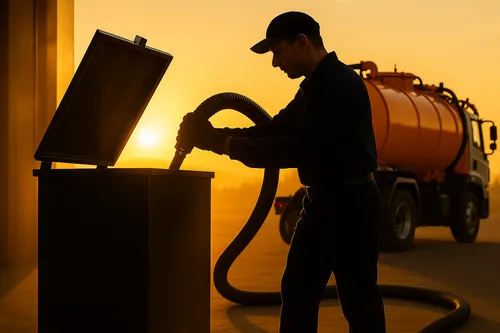
- Collection & Swap: A licensed collection vehicle arrives, pumps out the used oil, and often swaps your full container for a clean, empty one to ensure continuous service.
- Documentation: At every pickup, the driver completes a uniform hazardous waste manifest-a chain-of-custody document that tracks the oil from your site to the recycling facility. Modern services supplement this with digital tracking, such as QR code scans, for real-time records.
- Transportation: The oil is transported to a licensed recycling facility, often located within New Jersey or the broader region.
From Waste to Resource: The Biofuel Journey
The true value of used cooking oil collection is realized after it leaves your premises. Instead of taking up space in a landfill, the oil is transformed into a clean, renewable energy source.
At the recycling facility, the UCO undergoes a purification process to remove food particles and water. The refined oil is then converted into biodiesel, a renewable fuel that can power diesel vehicles, or is used in anaerobic digesters to generate electricity and heat4 5. This circular economy model reduces reliance on fossil fuels and lowers greenhouse gas emissions, allowing your restaurant to contribute directly to New Jersey's renewable energy goals.
Find the perfect used cooking oil collection companies for your needs
Get personalized recommendations and expert advice
Cost Structure and Potential Revenue
A common misconception is that used cooking oil collection is a pure cost. In reality, the financial model is often based on volume, which can result in either a small disposal fee or, more commonly for larger generators, a rebate payment.
Understanding the Model: Collection services assess your establishment's average monthly or annual UCO output. This volume determines your place on a spectrum:
- Very Low Volume: Some services may offer free pickup for very small amounts simply to secure the material stream.
- Moderate to High Volume: This is where rebates kick in. The hauler sells the oil to biofuel producers, and a portion of that revenue is shared back with you as a credit or check.
Rebate Examples: While exact rates fluctuate with biofuel markets, illustrative examples based on volume show the potential:
- Medium Volume (100-300 gallons/month): May generate a rebate in the range of $0.10 to $0.25 per gallon.
- High Volume (500+ gallons/month): Can yield higher rebates, potentially from $0.40 to $0.65 per gallon.
Important Note: These figures are examples. The actual rebate or fee is determined by your contracted hauler based on current market conditions and your specific volume. It is crucial to contact licensed haulers for a tailored quote6 7. Contrast this with the alternative: paying to have UCO disposed of as solid waste, which can cost upwards of $0.80 per gallon with no return6.
Ensuring Compliance and Preventing Theft
Staying compliant requires more than just scheduling pickups. Maintain meticulous records of every manifest, as these documents are your proof of proper recycling for state and local regulators8 9. Digital tracking portals offered by modern services simplify this record-keeping immensely.
Furthermore, because used oil has value, bin theft can be a problem. Protect your asset and your rebate by using lockable containers, placing them in well-lit areas, and considering bins with locking lids or security brackets10. A reputable collection partner will also have protocols to help prevent unauthorized siphoning.
Choosing a Service Provider in Edison
When selecting a used cooking oil collection partner in Edison, consider the following:
- Proper Licensing: Ensure the hauler is fully licensed and insured to operate in New Jersey and Middlesex County.
- Compliance Tools: Look for services that provide digital manifests and real-time tracking for effortless compliance reporting.
- Container Security: Inquire about the type of containers provided-lockable, durable bins are essential.
- Transparent Contract: Understand the terms, including pickup schedules, rebate payment structures (if applicable), and any fees.
- Local Reputation: Choose an established provider familiar with Edison's specific codes and logistics.
Taking the step to professionally manage your used cooking oil is a smart business decision that aligns operational necessity with environmental stewardship and economic benefit.
Frequently asked questions
Sources
Footnotes
-
S2166 - NJ Legislature - https://pub.njleg.gov/bills/2014/S2500/2166_I1.HTM ↩
-
Food Waste Recycling rules - https://dep.nj.gov/dshw/swpl/fw/food-waste-recycling-rules/ ↩
-
Food Waste Recycling | Middlesex County NJ - https://www.middlesexcountynj.gov/government/departments/department-of-public-safety-and-health/office-of-health-services/solid-waste-management-program/food-waste-recycling ↩ ↩2
-
Used Cooking Oil Recycling & Pickup in Edison NJ - https://greaseconnections.com/locations/nj/middlesex/edison/ ↩
-
Grease Collection & Rebates NJ - New Jersey - https://greaseconnections.com/locations/nj/ ↩
-
Restaurant Used Cooking Oil: Disposal, Recycling & Revenue Guide - https://greaseconnections.com/restaurant-used-cooking-oil-disposal-recycling-revenue-guide/ ↩ ↩2
-
Used Cooking Oil Recycling Service in New Jersey - https://eazygrease.com/used-cooking-oil-recycling-new-jersey/ ↩
-
NJ Franchise Grease Recycling & SOPs 2025 - https://greaseconnections.com/nj-franchise-grease-recycling-sop/ ↩
-
How to Dispose of Cooking Oil in New Jersey 2025 Complete Guide - https://greaseconnections.com/nj-cooking-oil-disposal-guide/ ↩
-
NJ Used Oil Theft Prevention Guide - Grease Connections - https://greaseconnections.com/nj-used-oil-theft-prevention-guide/ ↩