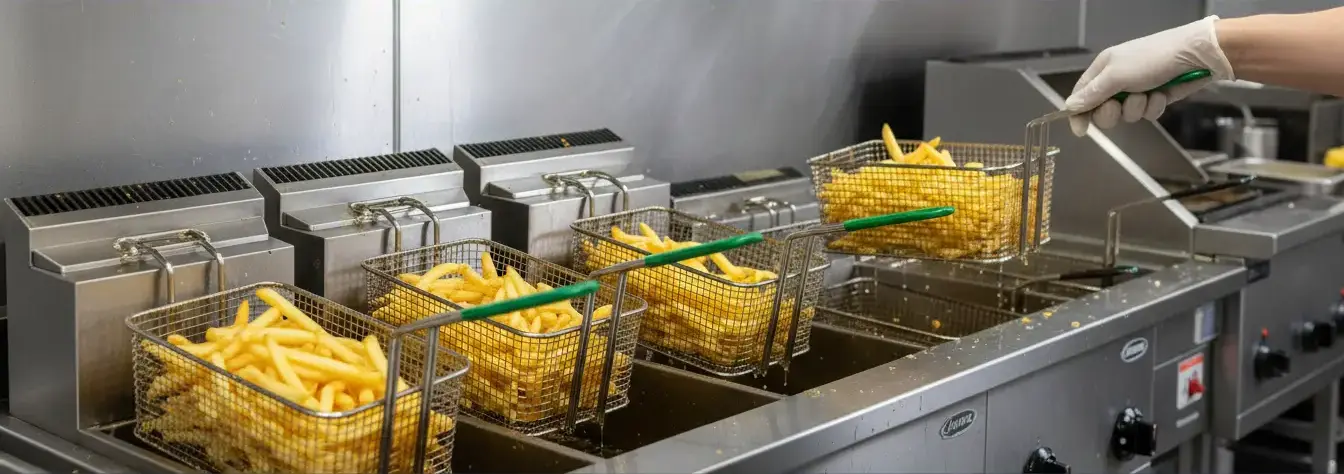
Find the Best Used Cooking Oil Collection Companies for Your Business
No obligation • Fast responses • Nationwide coverage

Why you can trust Restaurant Waste Disposal
Restaurant Waste Disposal is a leading U.S. resource for comparing restaurant composting, food-waste recycling, grease trap cleaning, and used cooking oil collection services. Our editorial team researches providers, checks credentials, and organizes unbiased information so operators can make informed decisions. Companies cannot pay to change ratings or placement.
Search providers near you
Top Used Cooking Oil Collection Companies in East Orange, New Jersey Ranked
For restaurants and food service businesses in East Orange, managing used cooking oil (UCO) is more than just a routine cleanup task-it's a regulated process with significant environmental and financial implications. Proper collection and recycling of this liquid waste are mandated by state and local laws, designed to protect the city's sewer infrastructure and turn a potential liability into a resource. By partnering with a licensed hauler, East Orange establishments can ensure compliance, avoid fines, and potentially transform their waste oil into a source of revenue, contributing to a circular economy where used grease is converted into biodiesel, animal feed, or other products.
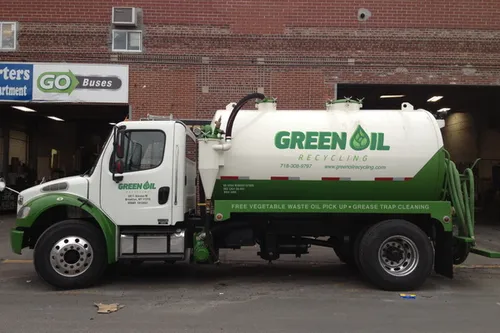
Green Oil Recycling
317 Liberty Ave, Brooklyn, NY 11207
Green Oil Recycling provides professional grease trap cleaning and used cooking oil collection services in New York, NY. They specialize in maintaining commercial kitchen grease traps, including passive hydro mechanical, large pre-cast concrete gravity traps, and auto-grease removal systems like Big Dipper. Their trained technicians thoroughly clean traps, scrape walls, and use bio-safe chemicals to break down waste oil, helping kitchens stay odorless and compliant with local regulations. Green Oil Recycling serves New York City, New Jersey, and Nassau County, ensuring all waste oil disposal meets BIC, DEC, and EPA standards. They also inspect gaskets and fittings to prevent violations and hazards, working closely with Done Right Hood & Fire Safety for comprehensive grease trap and kitchen exhaust maintenance.

New York Hood Cleaning
New York, NY
New York Hood Cleaning provides grease trap cleaning and used cooking oil collection services in New York, NY. They specialize in thorough cleaning of kitchen ducts, fans, hoods, and vents to maintain commercial kitchen operations. The company emphasizes sustainability by recycling used cooking oil for animal feed or fuel. With decades of experience, they offer skilled service using specialized tools to remove grease effectively. Their approach simplifies operations by combining multiple services under one provider, supported by responsive customer service.

NYC Clean Air Group
154-05 12th Ave, Beechhurst, NY 11357
NYC Clean Air Group is a family-owned business serving New York, NY, and New Jersey. They specialize in used cooking oil collection, grease trap cleaning, and cesspool maintenance for restaurants, stadiums, hospitals, and commissaries across all five boroughs. The company offers licensed and insured services with options for monthly contracts or per-incident work. They emphasize environmentally friendly practices and provide same-day service and free estimates.
Grease Sharks
New York, NY
Grease Sharks is a grease trap cleaning and used cooking oil collection company based in New York, NY. They serve the Greater New York City area, including New Jersey, Westchester, and Connecticut. Their services include grease trap cleaning and maintenance, used cooking oil pick up, grease trap installation and plumbing, sewer and line jetting, and drain cleaning. With over a decade of combined experience, Grease Sharks aims to help businesses stay compliant and running smoothly. They provide scheduled maintenance tailored to client needs and offer 24/7 emergency service throughout the year.
Grease Connections
150 Commerce Rd, Carlstadt, NJ 07072
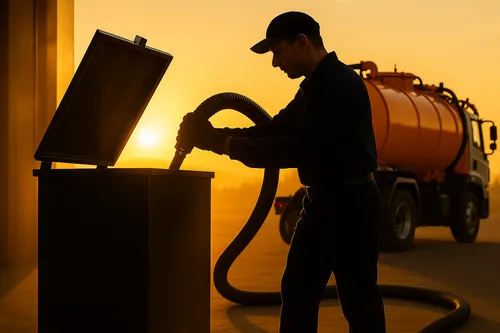
Grease Connections is a used cooking oil collection company serving New York, NY, as well as Florida, Georgia, and New Jersey. They specialize in collecting used cooking oil from restaurants and industrial kitchens, which is then filtered, refined, and shipped to U.S. processors to create biodiesel and renewable aviation fuel. The company provides licensed, spill-free pickups with digital manifests and offers optional RFID-enabled containers for real-time tracking. Grease Connections complies with EPA regulations and state-specific requirements, ensuring proper documentation for audits and inspections. Their service helps clients reduce emissions and avoid fines related to improper grease disposal.
Understanding Local Regulations for Oil Collection
In East Orange, as throughout New Jersey, the collection and transportation of used cooking oil are strictly regulated. The cornerstone of compliance is the requirement to use a hauler licensed by the New Jersey Department of Environmental Protection (NJDEP) under the A-901 program. This license system ensures that transporters are properly vetted and adhere to state guidelines for handling and recycling waste materials. Failure to use a licensed provider can leave a business vulnerable to penalties.
Local ordinances in East Orange reinforce these state rules, with specific codes governing solid waste, which includes used cooking oil1. Violations, such as improper storage or using an unlicensed hauler, can result in fines. For instance, a first offense may carry a penalty starting at $2001. The regulatory framework is designed to prevent used oil from entering the sewer system, where it can cool, solidify, and cause major blockages and costly sanitary sewer overflows.
The Mandatory Manifest System
A critical component of compliant used cooking oil collection is the manifest, a detailed tracking document. For every pickup, a licensed hauler must provide a four-part NJDEP manifest form. This form records essential details such as the transporter's license number, the volume of oil collected, and the date of service. Both the restaurant representative and the hauler driver must sign this document.
The business must retain its copy of the manifest for a minimum of three years as proof of proper disposal. This paper trail is not just bureaucratic; it provides a legal shield for the restaurant, demonstrating due diligence and compliance with state law (S2166)2 should any questions arise about the oil's destination. Modern haulers often supplement this with digital receipts and tracking for easier record-keeping.
Best Practices for On-Site Oil Management
Proper handling begins in the kitchen, long before the collection truck arrives. Adopting a consistent routine for oil management can improve safety, extend the life of frying oil, and ensure the collected material is of high quality for recycling.
Cooling and Filtering: Before transferring oil to storage, it must be allowed to cool to a safe temperature, typically below 120°F. Hot oil is a safety hazard and can damage storage containers. Once cooled, the oil should be filtered daily to remove food particulates. This simple step not only improves the quality of oil for potential rebates but can also extend its usable life in the fryer by 3-7 days, creating direct cost savings 3.
Secure Storage: After filtering, oil should be transferred into a dedicated, secure collection container. These are typically heavy-duty, lidded bins or tanks provided by your hauler. Containers must be leak-proof and kept in a secure area to prevent spills, environmental contamination, and theft 4. Many providers now use locking lids and RFID-tagged bins, which enhance security and provide precise tracking of pickups and volumes5.
Find the perfect used cooking oil collection companies for your needs
Get personalized recommendations and expert advice
The Financial Perspective: Cost vs. Revenue
The economics of used cooking oil collection have shifted dramatically. Historically, restaurants paid for waste removal. Today, many businesses view their used oil as a commodity.
Potential for Rebates: Clean, well-filtered used cooking oil has value in the commodities market, primarily as a feedstock for biodiesel production. Many licensed haulers offer rebate programs, paying restaurants for their oil. Rates can vary based on market conditions, volume, and oil quality, but can range from $0.30 to over $1.00 per gallon6 7. This rebate can directly offset other service costs or become a small revenue stream.
Service Fee Models: Not all programs are identical. Some services may be offered at no direct charge, with the hauler's revenue coming entirely from the sale of the recycled oil. Others might combine oil collection with grease trap servicing for a bundled fee 8. The key is to understand the complete pricing structure. A transparent hauler will help you calculate your return on investment (ROI), showing how moving from a cost-center to a revenue-neutral or positive model is possible8.
The Recycling Journey: From Fryer to New Product
Once collected by a licensed hauler, the used cooking oil from East Orange kitchens begins a new life. The oil is transported to a processing facility where it undergoes purification to remove remaining impurities and water. The end product is a valuable raw material.
The primary destination for recycled cooking oil is the production of biodiesel, a renewable, cleaner-burning fuel alternative to petroleum diesel 9. This process significantly reduces greenhouse gas emissions. Other common uses include incorporation into animal feed supplements and as a base ingredient in the manufacturing of soaps, cosmetics, and industrial lubricants10. This circular process ensures that waste is diverted from landfills and sewers, supporting New Jersey's broader environmental sustainability goals.
Choosing a Compliant Service Provider in East Orange
Selecting the right partner for used cooking oil collection is a crucial business decision. The first and non-negotiable criterion is verifying the hauler's valid NJDEP A-901 license. You can request their license number and confirm its status. Beyond licensing, consider the provider's service reliability, container technology (like locking, RFID-enabled bins), and transparency in reporting.
A reputable provider will handle all manifest paperwork, offer clear explanations of their rebate or fee schedule, and ensure consistent, on-time pickups to prevent overflow and mess. They should also be a resource for best practices, helping your staff maintain a compliant and efficient oil management system from the fryer to the curbside collection point.
Frequently asked questions
Sources
Footnotes
-
Solid Waste - City of East Orange, NJ - eCode360 - https://ecode360.com/9564050 ↩ ↩2
-
S2166 - NJ Legislature - https://pub.njleg.gov/bills/2014/S2500/2166_I1.HTM ↩
-
Restaurant Used Cooking Oil: Disposal, Recycling & Revenue Guide - https://greaseconnections.com/restaurant-used-cooking-oil-disposal-recycling-revenue-guide/ ↩
-
NJ School Cafeteria Grease Checklist & Oil Disposal - https://greaseconnections.com/nj-school-cafeteria-grease-oil-disposal/ ↩
-
Used Cooking Oil Recycling & Grease Collection | Elizabeth - https://greaseconnections.com/locations/nj/union/elizabeth/ ↩
-
How to Dispose of Cooking Oil in New Jersey | 2025 Guide - https://greaseconnections.com/nj-cooking-oil-disposal-guide/ ↩
-
Used Cooking Oil Recycling Service in New Jersey - https://eazygrease.com/used-cooking-oil-recycling-new-jersey/ ↩
-
NJ Oil Recycling ROI Calculator | Grease Savings Tool - https://greaseconnections.com/nj-oil-recycling-roi-calculator/ ↩ ↩2
-
Recycling Used Cooking Oil With Green Grease Environmental - https://www.youtube.com/watch?v=KP05Yx-GkHk ↩
-
NJ Cosmetic Oil Waste Compliance & Recycling Guide 2025 - https://greaseconnections.com/cosmetic-oil-waste-compliance-nj/ ↩