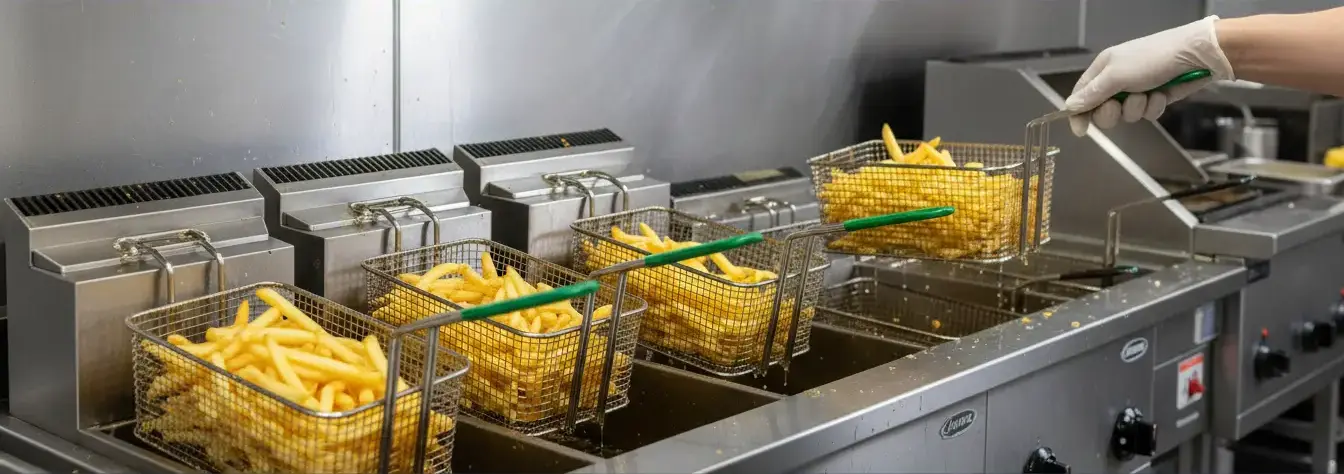
Find the Best Used Cooking Oil Collection Companies for Your Business
No obligation • Fast responses • Nationwide coverage

Why you can trust Restaurant Waste Disposal
Restaurant Waste Disposal is a leading U.S. resource for comparing restaurant composting, food-waste recycling, grease trap cleaning, and used cooking oil collection services. Our editorial team researches providers, checks credentials, and organizes unbiased information so operators can make informed decisions. Companies cannot pay to change ratings or placement.
Search providers near you
Top Used Cooking Oil Collection Companies in East Brunswick, New Jersey Ranked
For restaurants and food service businesses in East Brunswick, managing used cooking oil (UCO) is more than just a routine cleanup task-it's a regulated component of sustainable operations. New Jersey state law mandates the recycling of food waste, including fats, oils, and grease, making proper disposal a legal requirement. Partnering with a professional grease collection service ensures compliance, protects your plumbing from costly clogs, and can even turn a waste product into a source of revenue. This guide covers everything East Brunswick establishments need to know about UCO recycling, from local rules to the collection process and financial benefits.
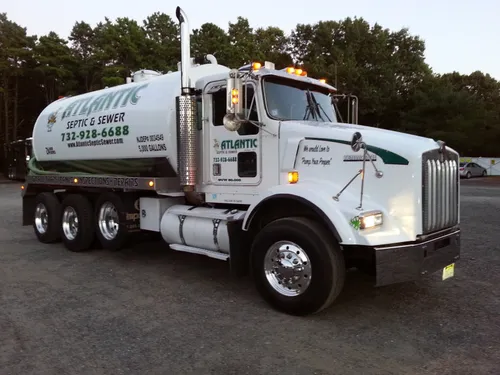
Atlantic Sitton Services, Inc.
647 Herman Rd, Jackson Township, NJ 08527
Atlantic Sitton Services, Inc. provides septic and sewer services, grease trap cleaning, and used cooking oil collection and recycling in Lakewood, NJ. They serve residential, commercial, and government clients throughout New Jersey, offering septic system installation, repair, maintenance, and grease tank pumping. The company is equipped to handle emergency services 24/7 and focuses on environmentally conscientious practices, including converting cooking oil into biofuel. With over 30 years of experience, Atlantic Sitton Services employs certified technicians who use modern technology to maintain and extend the lifespan of septic systems while protecting water quality.

New York Hood Cleaning
New York, NY
New York Hood Cleaning provides grease trap cleaning and used cooking oil collection services in New York, NY. They specialize in thorough cleaning of kitchen ducts, fans, hoods, and vents to maintain commercial kitchen operations. The company emphasizes sustainability by recycling used cooking oil for animal feed or fuel. With decades of experience, they offer skilled service using specialized tools to remove grease effectively. Their approach simplifies operations by combining multiple services under one provider, supported by responsive customer service.
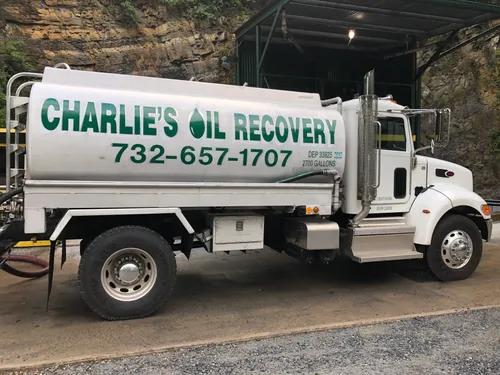
Charlie's Oil Recovery
119 Fairway Dr, Brick Township, NJ 08724
Charlie's Oil Recovery is a used cooking oil collection company based in Lakewood, NJ. The company specializes in collecting used cooking oil from various sources to support recycling and proper disposal efforts in the area.
Atlantic Septic & Sewer
Lakewood, NJ
Atlantic Septic & Sewer provides septic and sewer services, grease trap cleaning, and used cooking oil collection in Lakewood, NJ. They serve residential, commercial, and government clients throughout New Jersey, offering septic system installation, repair, maintenance, and grease tank pumping. The company also collects and recycles used cooking oil into biofuel and offers emergency services available 24/7. With over 30 years of experience, Atlantic Septic & Sewer employs certified technicians who focus on environmentally conscientious practices and septic system longevity.
NJ Oil Recyclers
New York, NY
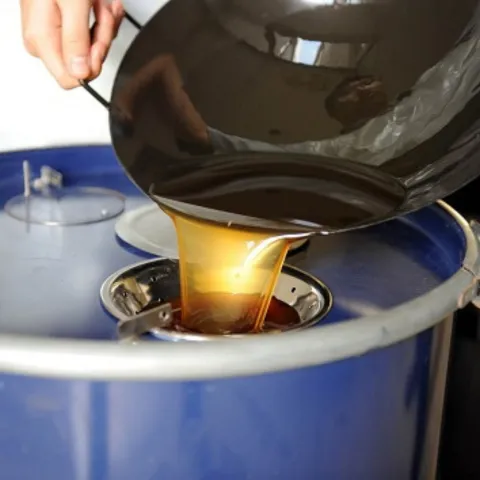
NJ Oil Recyclers provides used cooking oil collection and grease trap cleaning services in New York, NY. They specialize in collecting and recycling various types of restaurant cooking oils, including vegetable oil, fish oil, chicken fat, hog fat, and bacon grease. Their services include providing oil containers, regular oil pickup before containers are full, and thorough grease trap cleaning without chemicals. The company operates a licensed commercial oil recycling facility and uses specialized vehicles to ensure safe and compliant oil waste handling. NJ Oil Recyclers focuses on environmentally responsible recycling and sustainability in their operations.
Understanding Local and State Regulations
Navigating the regulatory landscape is the first step for any business. In New Jersey, improper disposal of grease and used fryer oil is taken seriously due to its environmental and infrastructural impact.
Mandatory Recycling Laws New Jersey's Food Waste Recycling Law, which took full effect in recent years, requires large food waste generators to separate and recycle their organic waste, including used cooking oil and grease. This means pouring oil down the drain or tossing it in the trash is not just ill-advised-it's illegal for covered entities and can result in significant fines. The law is designed to divert waste from landfills and sewers, supporting the state's broader environmental goals1.
Sewer System Protection The Middlesex County Utilities Authority, like many municipal systems, strictly prohibits the discharge of fats, oils, and grease (FOG) into sanitary sewers2. When FOG cools and solidifies in pipes, it creates severe blockages that can lead to sanitary sewer overflows (SSOs). These overflows are environmentally damaging and can trigger enforcement actions and costly cleanup fees for the responsible business. Professional UCO collection is the primary defense against these risks.
The Manifest Tracking System To ensure proper handling and recycling, New Jersey requires licensed used cooking oil transporters to use a manifest system. This is a chain-of-custody document that tracks your oil from your storage container to the recycling facility. You will receive a copy for your records, which you must keep on file for at least three years as proof of compliant recycling. Many services now offer digital manifests via QR codes or customer portals for easier record-keeping.
Setting Up Your Oil Collection System
A seamless and compliant grease recycling program starts with the right equipment and setup. Reputable providers handle most of the logistics, making the process straightforward for your staff.
Storage Containers Collection companies typically provide the storage containers at no cost. These are usually sturdy, lockable drums made of steel or heavy-duty plastic with secure lids. Proper containers prevent leaks, odors, and pests, and their locked design helps prevent theft of oil, which has become a valuable commodity. Your provider will place the containers in an agreed-upon, accessible location, often near your dumpster or loading dock.
Secure Storage Best Practices It's crucial to store your collection containers in a secure area, away from public access3. This not only deters theft but also minimizes liability and maintains a professional appearance for your business. Ensure the area is well-lit and that only authorized staff handle the transfer of oil from fryers to the storage drums. Consistent use of the provided containers-and not mixing in other liquids or trash-keeps the oil pure and maximizes its recycling value.
Scheduling and Pickup Services offer flexible pickup schedules based on your volume. High-volume restaurants may need weekly collection, while others might schedule bi-weekly or on-call pickups. During a pickup, the hauler will pump or swap out your full container, leaving a clean, empty one in its place. The entire process is designed to be quick and unobtrusive, causing minimal disruption to your daily operations.
The Collection and Recycling Journey
Once your used fryer oil is picked up, it begins a new life. The collection process is just the first link in a circular economy chain that produces valuable biofuels and other products.
From Collection to Transportation After pickup, the oil is transported in specialized tanker trucks to a processing facility. The use of licensed transporters is key, as they are insured and trained to handle the material safely, reducing spill risk during transit. The manifest created at pickup travels with the load, ensuring full traceability from your kitchen to the recycler.
Transformation into New Products At the recycling facility, the used cooking oil undergoes filtration and purification to remove food particles and water. The most common end product is biodiesel, a renewable, cleaner-burning fuel alternative to petroleum diesel 4. This biodiesel can power vehicles, including the very trucks that collected the oil. UCO can also be processed into ingredients for animal feed, soaps, and industrial lubricants, or used in anaerobic digesters to generate renewable energy5 6. By recycling your oil, you're directly contributing to regional renewable energy production and a reduced carbon footprint.
Find the perfect used cooking oil collection companies for your needs
Get personalized recommendations and expert advice
Financial Considerations: Cost vs. Revenue
A major advantage of modern grease collection is that it often costs nothing and can actually pay you back. The model is built on the value of the recycled commodity.
Free Pickup Services Most established collection companies offer free pickup services to restaurants that generate a consistent volume of used oil. They profit by aggregating and selling the oil to large processors, so they are incentivized to provide reliable, no-cost collection to secure your supply. This makes proper disposal more accessible than ever.
Earning Rebates on Your Oil Beyond free service, many providers offer rebate programs, meaning they pay you for your used cooking oil. The price fluctuates with the commodities market but is often based on volume and purity.
- Volume Tiers: Smaller volumes (e.g., under 100 gallons per month) typically qualify for free pickup only. As your volume increases, so does your potential rebate7 8.
- Rebate Ranges: While prices vary, rebates can range from $0.10 to over $0.65 per gallon, depending on market conditions and your monthly yield9 10. A high-volume establishment can add a meaningful line of revenue simply by managing its waste stream effectively.
- Payment Process: Payments are usually issued after the oil is received and its quality verified at the recycling facility. Payments can be made by check or direct deposit on a monthly or quarterly basis.
Choosing a Service Provider in East Brunswick
Several reputable providers service Middlesex County and East Brunswick. When selecting a partner, consider their reliability, compliance adherence, and service terms.
Local and Regional Providers Businesses in East Brunswick have access to both local and national providers. Companies like Grease Connections have a strong presence in Middlesex County and understand local municipal requirements11. NYCCAG.com and Atlantic Sitton Services also serve the broader New Jersey area, offering comprehensive grease trap cleaning and oil collection12 13. It's advisable to get quotes and service outlines from a few providers to compare container types, pickup schedules, and rebate structures.
Key Questions to Ask a Prospective Hauler
- Are you licensed to transport used cooking oil in New Jersey?
- Do you provide all necessary containers and equipment?
- What is your process for manifests and record-keeping?
- What is your typical pickup schedule and response time for on-call service?
- How is the rebate calculated, and how often are payments issued?
- Can you provide references from other local restaurants?
The Importance of Compliance and Service Your chosen hauler is your partner in regulatory compliance. Ensure they emphasize the manifest system and proper documentation. Read service contracts carefully to understand terms, especially regarding container ownership, liability for spills during pickup, and minimum volume requirements. A reliable provider acts as an extension of your operations, ensuring this regulated waste stream is handled efficiently and profitably.
Frequently asked questions
Sources
Footnotes
-
S2166 - NJ Legislature - https://pub.njleg.gov/bills/2014/S2500/2166_I1.HTM ↩
-
Food Waste Recycling | Middlesex County NJ - https://www.middlesexcountynj.gov/government/departments/department-of-public-safety-and-health/office-of-health-services/solid-waste-management-program/food-waste-recycling ↩
-
NJ Franchise Grease Recycling & SOPs 2025 - https://greaseconnections.com/nj-franchise-grease-recycling-sop/ ↩
-
Used Cooking Oil (UCO) Collection Service For Restaurants - https://thegreasecompany.com/blog/restaurant-used-cooking-oil-collection/ ↩
-
Used Cooking Oil Collection & Recycling - D&W Alternative Energy - https://dandwalternativeenergy.com/used-cooking-oil-collection/ ↩
-
Grease Collection & Rebates NJ - New Jersey - https://greaseconnections.com/locations/nj/ ↩
-
Used Cooking Oil Recycling Service in New Jersey - https://eazygrease.com/used-cooking-oil-recycling-new-jersey/ ↩
-
Restaurant Used Cooking Oil: Disposal, Recycling & Revenue Guide - https://greaseconnections.com/restaurant-used-cooking-oil-disposal-recycling-revenue-guide/ ↩
-
How to Sell Your Used Cooking Oil: A Practical Guide for New ... - https://dandwalternativeenergy.com/blog/selling-used-cooking-oil/ ↩
-
Used Cooking Oil Recycling & Grease Collection | Elizabeth - https://greaseconnections.com/locations/nj/union/elizabeth/ ↩
-
Cooking Oil Recycling & Grease Pickup | Middlesex County NJ - https://greaseconnections.com/locations/nj/middlesex/ ↩
-
Used Cooking Oil Collection - New Jersey - NYCCAG.com - https://nyccag.com/used-cooking-oil-collection/used-cooking-oil-collection-new-jersey/ ↩
-
Cooking Oil Removal Services | Central and South Jersey - https://www.atlanticsittonservices.com/services/cooking-oil-collection-recycling/ ↩