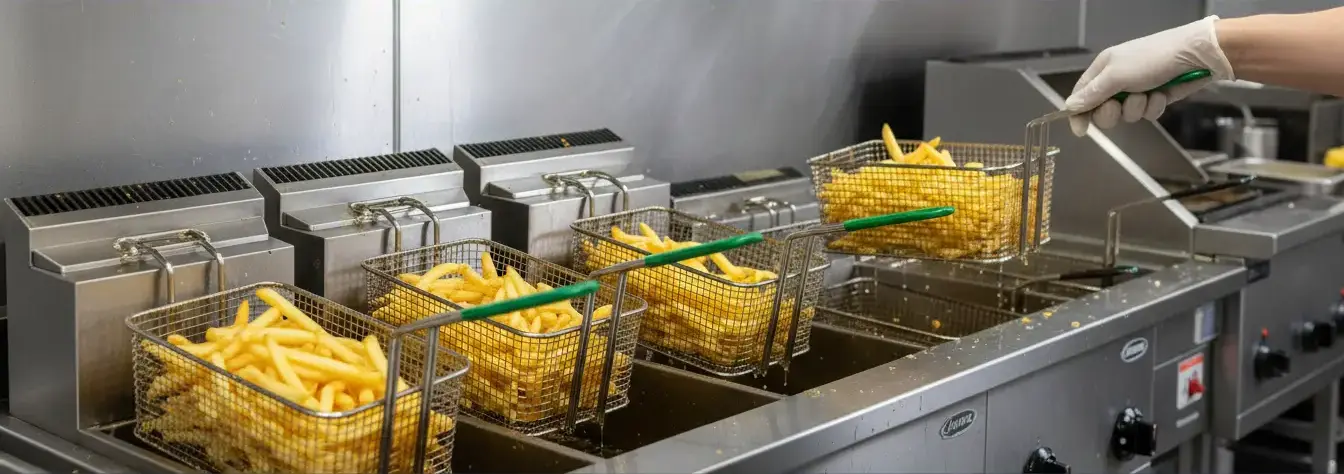
Find the Best Used Cooking Oil Collection Companies for Your Business
No obligation • Fast responses • Nationwide coverage

Why you can trust Restaurant Waste Disposal
Restaurant Waste Disposal is a leading U.S. resource for comparing restaurant composting, food-waste recycling, grease trap cleaning, and used cooking oil collection services. Our editorial team researches providers, checks credentials, and organizes unbiased information so operators can make informed decisions. Companies cannot pay to change ratings or placement.
Search providers near you
Top Used Cooking Oil Collection Companies in Clifton, New Jersey Ranked
For restaurants and food service establishments in Clifton, managing used cooking oil (UCO) is more than just a kitchen chore-it's a regulated process with significant environmental and financial implications. Proper UCO recycling is mandated by New Jersey state law and involves specific protocols for storage, pickup, and documentation. By partnering with a licensed hauler, Clifton businesses can ensure compliance, contribute to the production of renewable biofuels, and potentially turn a waste product into a source of revenue or cost savings. This guide outlines the essential steps, local service options, and benefits of establishing a reliable cooking oil collection program.
Loeffels Waste Oil Services
43 Layton Ln, Sparta, NJ 07871
Loeffels Waste Oil Services is a family-owned company based near New York, NY, specializing in used cooking oil collection and grease trap cleaning. They serve commercial clients with reliable waste oil removal and grease trap maintenance, including emergency pump-out services. With over ninety years of experience, Loeffels Waste Oil Services emphasizes safety and efficiency in their operations.
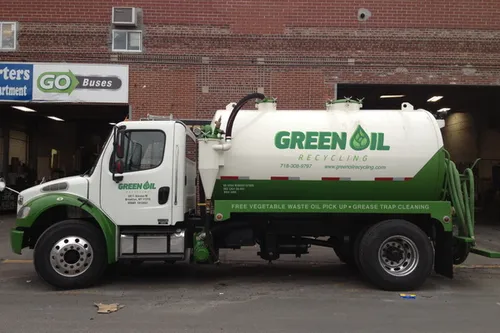
Green Oil Recycling
317 Liberty Ave, Brooklyn, NY 11207
Green Oil Recycling provides professional grease trap cleaning and used cooking oil collection services in New York, NY. They specialize in maintaining commercial kitchen grease traps, including passive hydro mechanical, large pre-cast concrete gravity traps, and auto-grease removal systems like Big Dipper. Their trained technicians thoroughly clean traps, scrape walls, and use bio-safe chemicals to break down waste oil, helping kitchens stay odorless and compliant with local regulations. Green Oil Recycling serves New York City, New Jersey, and Nassau County, ensuring all waste oil disposal meets BIC, DEC, and EPA standards. They also inspect gaskets and fittings to prevent violations and hazards, working closely with Done Right Hood & Fire Safety for comprehensive grease trap and kitchen exhaust maintenance.
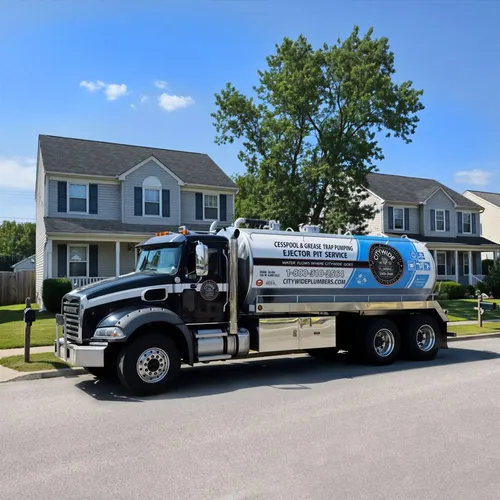
Citywide Grease Trap Maintenance | Cesspool Pumping Service Long Island
110 Voice Rd, Carle Place, NY 11514
Citywide Grease Trap Maintenance | Cesspool Pumping Service Long Island provides comprehensive sewer, drain, cesspool, and grease trap services in New York, NY. Serving both residential and commercial clients in Long Island and the New York Metropolitan area, they offer pumping, cleaning, repairs, and new installations for cesspools and septic systems. Their skilled technicians use state-of-the-art equipment to ensure efficient service. With over 65 years of experience, Citywide also provides 24/7 emergency service to address urgent plumbing needs promptly.

New York Hood Cleaning
New York, NY
New York Hood Cleaning provides grease trap cleaning and used cooking oil collection services in New York, NY. They specialize in thorough cleaning of kitchen ducts, fans, hoods, and vents to maintain commercial kitchen operations. The company emphasizes sustainability by recycling used cooking oil for animal feed or fuel. With decades of experience, they offer skilled service using specialized tools to remove grease effectively. Their approach simplifies operations by combining multiple services under one provider, supported by responsive customer service.

NYC Clean Air Group
154-05 12th Ave, Beechhurst, NY 11357
NYC Clean Air Group is a family-owned business serving New York, NY, and New Jersey. They specialize in used cooking oil collection, grease trap cleaning, and cesspool maintenance for restaurants, stadiums, hospitals, and commissaries across all five boroughs. The company offers licensed and insured services with options for monthly contracts or per-incident work. They emphasize environmentally friendly practices and provide same-day service and free estimates.
Understanding New Jersey's Regulations for Oil Disposal
New Jersey has clear regulations governing the disposal of used cooking oil and grease to protect the environment and public infrastructure. For Clifton businesses, compliance is non-negotiable. The core requirement is that UCO must be kept entirely separate from brown grease, which is the waste collected in grease interceptors or traps. Mixing these streams complicates recycling and violates state guidelines. Furthermore, every transfer of UCO from your facility must be documented with a state-mandated manifest. This multi-part form, signed by both the generator (your restaurant) and the licensed transporter, creates a chain of custody that tracks the oil from pickup to its final recycling destination. You are required to keep these manifests on-site for a minimum of three years.
Failure to adhere to these rules can result in fines and increased liability. The law (S2166) specifically targets proper management of grease and oil to prevent sewer blockages and environmental contamination. Therefore, the first step for any Clifton restaurant is to understand that UCO is a regulated commodity, not merely liquid waste, and its handling requires formal procedures.
The Step-by-Step Process for Clifton Restaurants
Implementing a compliant used cooking oil recycling system involves a straightforward but disciplined workflow.
1. Source Separation and Safe Storage After frying, allow the oil to cool completely. Once cooled, it should be filtered to remove food particles and then transferred into a dedicated, secure storage container 1. This container must be leak-proof, clearly labeled, and provided by your licensed collection service. Critically, this container is for UCO only-it should never be used for brown grease from trap cleaning or any other liquids. Proper storage prevents spills, odors, and pests, keeping your back-of-house area clean and safe.
2. Scheduling and Pickup Your service provider will schedule regular pickups based on your volume-common frequencies in Passaic County are weekly or bi-weekly. When the licensed hauler arrives, they will pump or swap out your full container. This is the point where the official manifest is completed and signed. The hauler is responsible for transporting the oil using a registered vehicle to a permitted recycling facility.
3. Recycling and Transformation Once collected, the used cooking oil begins its second life. It is transported to a processing facility where it undergoes cleaning and purification. The primary end product is biodiesel, a renewable fuel that powers vehicles and heating systems 2. UCO can also be processed into ingredients for animal feed, cosmetics, or industrial lubricants 3. This transformation is the cornerstone of the circular economy, turning a local restaurant's waste into valuable, sustainable resources.
Financial Considerations: Cost, Revenue, and Rebates
The economics of used cooking oil collection in Clifton are not one-size-fits-all and often depend on your establishment's output volume.
Many service providers offer free pickup for smaller volumes of oil as they profit from the recycled commodity 4. For restaurants generating significant quantities-often hundreds of gallons per month-the model can shift. High-volume producers may be eligible for rebate programs, where the hauler pays the restaurant a per-gallon rate for the clean, well-managed oil 4 5. Rebate rates can vary with market conditions but provide a direct revenue stream to offset operational costs.
Conversely, if your oil is contaminated or you require very frequent, small-volume pickups, a service fee may apply. The key is to work with a transparent provider who will assess your specific situation. Utilizing tools like a return-on-investment calculator can help Clifton business owners project potential savings or earnings from their UCO program.
Find the perfect used cooking oil collection companies for your needs
Get personalized recommendations and expert advice
Choosing a Local Service Provider in Passaic County
Selecting the right partner is crucial for seamless and compliant used cooking oil collection. Look for a provider that is fully licensed and insured to operate in New Jersey and has experience serving the Clifton and greater Passaic County area. They should offer the necessary equipment, such as sturdy outdoor collection bins, and handle all manifest paperwork diligently.
Several established companies service the region. Providers like Grease Connections explicitly cover Passaic County, offering regular pickup schedules and emphasizing proper documentation 6. Others, such as Eazy Grease, operate throughout New Jersey and highlight flexible, often contract-free, service options 7. Companies like D&W Alternative Energy focus on the full cycle, from collection to conversion into biodiesel 8. When evaluating providers, ask about their pickup frequency, fee or rebate structure, compliance support, and the final destination of your oil to ensure it is being responsibly recycled.
Benefits Beyond Compliance
While adhering to NJ law is the primary driver, an effective UCO recycling program delivers multiple additional advantages to Clifton restaurants.
- Environmental Leadership: Recycling UCO into biodiesel significantly reduces greenhouse gas emissions compared to fossil fuels and decreases the demand for virgin oil production. It's a tangible demonstration of your business's sustainability commitment.
- Enhanced Safety and Cleanliness: Professional containers and regular pickups minimize the risk of slippery spills, fire hazards from stored oil, and odors that attract rodents and insects, creating a safer workplace.
- Positive Community Image: Consumers increasingly support businesses with verifiable green practices. Promoting your cooking oil recycling efforts can strengthen your brand reputation in the Clifton community.
- Protection of Infrastructure: By ensuring UCO is collected for recycling, you prevent it from being poured down drains, where it can solidify and cause costly sewer backups and municipal system damage 9.
Common Pitfalls to Avoid
Even with good intentions, restaurants can run into issues. A major mistake is improper source separation-pouring fryer oil into the grease trap or mixing trap waste with UCO 10. This contaminates the oil, making it unrecyclable and likely incurring disposal fees. Another error is failing to maintain proper manifests or keep them for the required three-year period 11. Using an unlicensed hauler might seem cheaper but exposes your business to regulatory risk and potential fines. Finally, inadequate storage-using makeshift containers or leaving bins uncovered-invites spills and contamination.
Frequently asked questions
Sources
Footnotes
-
How to recycle used cooking oil - http://www.greentwp.com/documents/Cooking%20oil%20Recycling%20Program.pdf ↩
-
What Happens To The Used Cooking Oil Once It Leaves Your Restaurant? - https://www.grandnatural.com/blog/what-happens-to-the-used-cooking-oil-once-it-leaves-your-restaurant.html ↩
-
Cooking Oil Recycling for New Orleans Restaurants: Benefits, Process, and Local Providers - https://safewayusedoil.com/2025/07/cooking-oil-recycling-for-new-orleans-restaurants-benefits-process-and-local-providers/ ↩
-
Restaurant Used Cooking Oil: Disposal, Recycling & Revenue Guide - https://greaseconnections.com/restaurant-used-cooking-oil-disposal-recycling-revenue-guide/ ↩ ↩2
-
NJ Oil Recycling ROI Calculator | Grease Savings Tool - https://greaseconnections.com/nj-oil-recycling-roi-calculator/ ↩
-
Used Cooking Oil Recycling & Grease Pick Up | Passaic County - https://greaseconnections.com/locations/nj/passaic/ ↩
-
Used Cooking Oil Recycling Service in New Jersey - https://eazygrease.com/used-cooking-oil-recycling-new-jersey/ ↩
-
Used Cooking Oil Collection & Recycling - D&W Alternative Energy - https://dandwalternativeenergy.com/used-cooking-oil-collection/ ↩
-
S2166 - NJ Legislature - https://pub.njleg.gov/bills/2014/S2500/2166_I1.HTM ↩
-
Food Waste Recycling rules - https://dep.nj.gov/dshw/swpl/fw/food-waste-recycling-rules/ ↩
-
NJ School Cafeteria Grease Checklist & Oil Disposal - https://greaseconnections.com/nj-school-cafeteria-grease-oil-disposal/ ↩