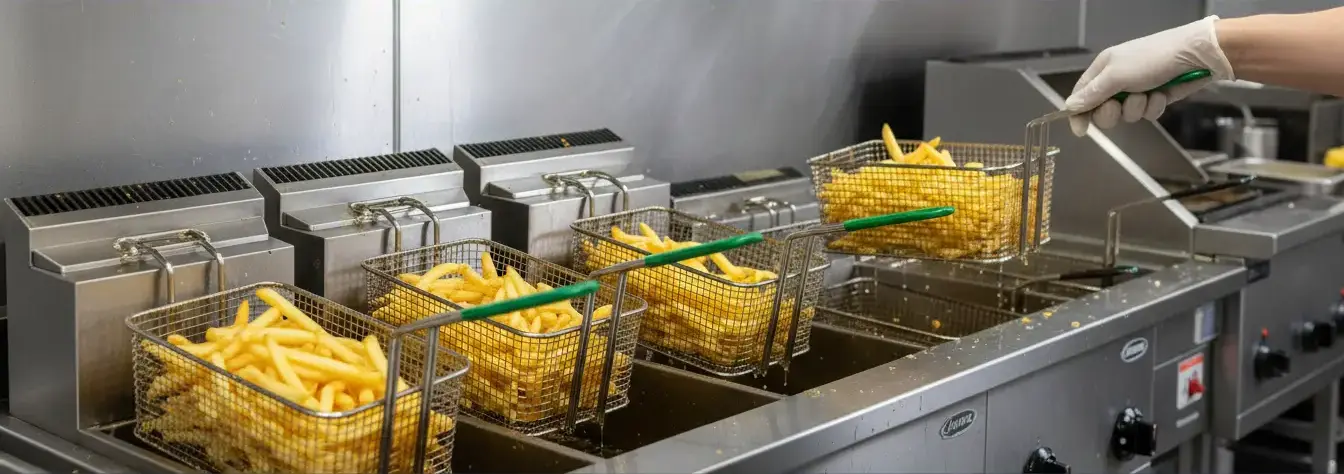
Find the Best Used Cooking Oil Collection Companies for Your Business
No obligation • Fast responses • Nationwide coverage

Why you can trust Restaurant Waste Disposal
Restaurant Waste Disposal is a leading U.S. resource for comparing restaurant composting, food-waste recycling, grease trap cleaning, and used cooking oil collection services. Our editorial team researches providers, checks credentials, and organizes unbiased information so operators can make informed decisions. Companies cannot pay to change ratings or placement.
Search providers near you
Top Used Cooking Oil Collection Companies in Cherry Hill, New Jersey Ranked
For restaurants and food service establishments in Cherry Hill, managing used cooking oil (UCO) is a critical operational and environmental responsibility. Properly handling this byproduct is not just about disposal; it's a regulated process that, when done correctly, supports local recycling initiatives, prevents environmental contamination, and can even generate potential revenue. In New Jersey, this activity is governed by specific state and local regulations that mandate the use of licensed haulers, secure storage, and detailed record-keeping. This guide outlines the essential steps for compliant and efficient UCO management in Cherry Hill, from selecting a service provider to understanding the journey of your oil from fryer to biofuel.
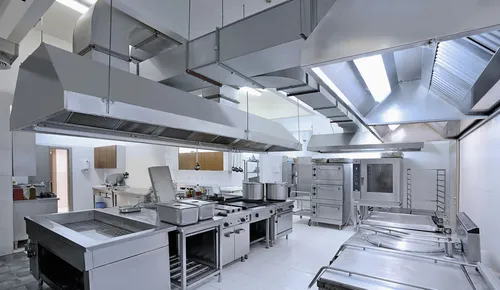
Philadelphia Hood Cleaning Commercial Kitchen Cleaners
Philadelphia, PA
Philadelphia Hood Cleaning Commercial Kitchen Cleaners provides grease trap cleaning, used cooking oil collection, and kitchen exhaust hood cleaning services in Philadelphia, PA. They serve a variety of commercial kitchens including restaurants, bars, and fast-food establishments, focusing on grease removal and maintenance to prevent blockages and regulatory issues. Their experienced technicians use professional equipment to clean grease traps, exhaust hoods, and manage used cooking oil while ensuring compliance with environmental and safety regulations. The company has decades of experience and offers regular maintenance contracts to help clients avoid emergencies and pass inspections.
Eden Green Energy
805 B W 2nd St, Chester, PA 19013
Eden Green Energy is a used cooking oil collection company based in Philadelphia, PA. They specialize in collecting used cooking oil from businesses in the area. The company focuses on environmentally responsible disposal and recycling of cooking oil.

Atlantic Septic & Sewer
Lakewood, NJ
Atlantic Septic & Sewer provides septic and sewer services, grease trap cleaning, and used cooking oil collection in Lakewood, NJ. They serve residential, commercial, and government clients throughout New Jersey, offering septic system installation, repair, maintenance, and grease tank pumping. The company also collects and recycles used cooking oil into biofuel and offers emergency services available 24/7. With over 30 years of experience, Atlantic Septic & Sewer employs certified technicians who focus on environmentally conscientious practices and septic system longevity.
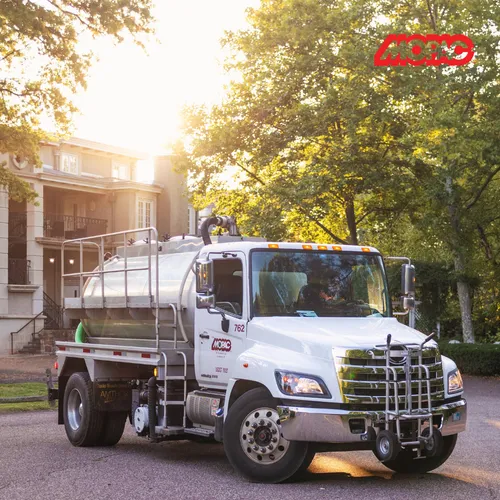
MOPAC - Used Cooking Oil Collection & Recycling
741 Souder Rd, Souderton, PA 18964
MOPAC - Used Cooking Oil Collection & Recycling is based in Woodbridge, NJ, and offers used cooking oil and tallow collection services. With over a century of experience since 1906, MOPAC specializes in recycling kitchen oil waste into valuable resources, aiming for zero waste by recycling 100% of collected materials. They serve food service clients across the Northeastern United States and provide routine, reliable collection designed to minimize disruption to daily operations while supporting environmental sustainability.
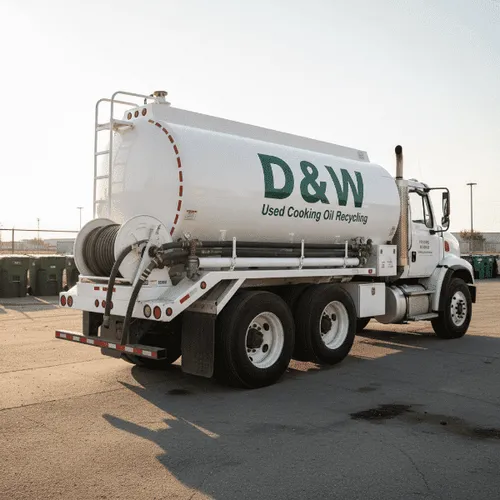
D&W Alternative Energy, Restaurant Oil Pick up and Recycling
220 Allen St, Trenton, NJ 08618
D&W Alternative Energy, Restaurant Oil Pick up and Recycling is a used cooking oil recycling company based in Woodbridge, NJ. They provide used cooking oil pickup and recycling services to restaurants in New Jersey, Pennsylvania, and Delaware. Their services include automated cooking oil management systems and power washing for receptacles and surrounding areas to help clients meet health regulations. Established in 2009, D&W has experience supporting local restaurants and works with law enforcement to prevent grease theft, which can cause environmental and safety issues.
Understanding New Jersey's Regulatory Framework
In Cherry Hill, used cooking oil is classified as commercial waste and is not collected by municipal township services 1. This means restaurants must contract with a private, licensed hauler for its removal. The state of New Jersey enforces strict rules through a manifest system designed to track the oil from its point of origin to its final recycling destination. Every time oil is collected, a New Jersey Grease Manifest must be completed and signed by both the hauler and the restaurant representative. These documents are not mere receipts; they are legal records that the restaurant is required to retain for a minimum of three years to demonstrate compliance. Failure to maintain proper manifests can result in significant fines.
The rationale behind this stringent tracking is multifaceted. It ensures that the oil is diverted from landfills and wastewater systems, where it can cause severe environmental damage. It also creates a transparent chain of custody that helps prevent theft-a known issue with valuable UCO-and ensures the material is processed at legitimate recycling facilities. By adhering to these rules, Cherry Hill businesses contribute to a regulated recycling economy that benefits the entire community.
The Importance of Proper Oil Segregation and Quality
A key to successful and profitable UCO recycling is maintaining the quality of the oil. For oil to be recyclable into high-value products like biodiesel, it must be kept as clean as possible. This means it is crucial to avoid contamination.
- No Brown Grease: Used cooking oil (often called "yellow grease") must be kept entirely separate from brown grease, which is the waste collected from grease traps and interceptors. Mixing the two contaminates the UCO stream and can render it unrecyclable through standard processes 2.
- Minimize Food and Water: While some food particles are inevitable, excessive solids or water in the oil collection bin lowers its quality. Water can lead to bacterial growth and spoilage, complicating the recycling process. Best practices involve allowing oil to cool and using strainers before transferring it to storage containers.
- Secure Storage: Using dedicated, locked containers provided by your hauler is the best defense against both contamination and theft. These containers are designed to keep out rainwater, debris, and unauthorized access.
Maintaining clean oil isn't just good for the environment; it directly impacts the potential economic return for your business, as higher-quality oil commands better rates from recyclers.
The Service Process: From Your Kitchen to Biofuel
Partnering with a professional used cooking oil collection service streamlines compliance and operations. The typical process involves several coordinated steps:
- Site Assessment & Container Provision: A licensed provider will assess your kitchen's volume output and space constraints to recommend an appropriately sized, locked collection container, which they typically provide. Sizes often range from 35 to 240 gallons.
- Scheduled or On-Demand Pickups: Collections are arranged on a regular schedule (e.g., weekly, bi-weekly, monthly) based on your usage. Many modern services use containers equipped with smart sensors that alert the hauler when the bin is nearly full (e.g., 80% capacity), enabling efficient, on-demand pickups that prevent overflows 3 4.
- Manifest Completion & Documentation: Upon each collection, the driver will complete the New Jersey Grease Manifest with details like the date, volume collected, and hauler information. A restaurant employee must verify and sign this document. The restaurant keeps its copy for records, while the hauler files theirs 5.
- Recycling & Conversion: The collected oil is transported to a processing facility where it is cleaned and converted into biodiesel, a renewable fuel used for transportation, heating, or electricity generation. This closed-loop process turns a waste product into a valuable energy resource.
- Additional Support: Reputable providers often supplement the core service with staff training on proper oil handling, emergency pickup services for unexpected situations, and ongoing support to ensure regulatory compliance 6.
Find the perfect used cooking oil collection companies for your needs
Get personalized recommendations and expert advice
Potential Economic Benefits for Cherry Hill Restaurants
While compliance is the primary driver, effective UCO management can also positively impact your bottom line. The model is not solely a cost-based service; it can be a revenue-generating or cost-neutral stream.
- Revenue from Oil: Depending on market conditions, the volume you generate, and the quality of your oil, providers may pay restaurants for their used cooking oil. Rates can vary widely, from a few cents to over a dollar per gallon, with higher volumes and cleaner oil typically fetching better prices 7 8.
- Free Pickup Services: In many cases, especially for establishments with consistent, high-quality output, haulers may offer free collection services. Their revenue comes from selling the recycled oil to biofuel producers, so they can afford to waive pickup fees for desirable feedstock 9.
- Cost Avoidance: The most significant financial benefit is often avoiding the substantial fines and penalties associated with non-compliance, improper disposal, or environmental violations. Furthermore, proper management prevents costly plumbing issues caused by pouring oil down drains and reduces waste disposal costs 10 11.
Using an online ROI calculator tool can help Cherry Hill restaurant owners estimate the potential savings or revenue from their specific UCO output.
Choosing a Licensed Hauler in Cherry Hill
Selecting the right partner is crucial. You should verify that any provider is fully licensed to operate as a waste hauler in New Jersey and has experience with the state's manifest system. Look for companies that emphasize compliance, security, and customer service. Established providers serving the Cherry Hill and South Jersey area often offer comprehensive packages that include the container, scheduled pickups, manifest documentation, and environmental reporting 12 13.
When evaluating providers, consider requesting a free site assessment. This allows them to understand your operation and provide a customized quote or service plan tailored to your needs 14. Key questions to ask include their pickup schedules, container security features, reporting capabilities, and how they handle the manifest process.
By implementing a professional used cooking oil collection program, Cherry Hill restaurants fulfill their legal obligations, contribute to a sustainable local circular economy, and can unlock ancillary economic benefits, all while ensuring their kitchen operations run smoothly and responsibly.
Frequently asked questions
Sources
Footnotes
-
Township of Cherry Hill, NJ Solid Waste and Recycling ... - https://ecode360.com/34672453 ↩
-
Used Cooking Oil Collection & Recycling - D&W Alternative Energy - https://dandwalternativeenergy.com/used-cooking-oil-collection/ ↩
-
Used Cooking Oil Pickup vs Drop-Off-What's Best for Restaurants? - https://www.greaseprosrecycling.com/used-cooking-oil-pickup-vs-drop-off/ ↩
-
Grease Collection & Rebates NJ - New Jersey - https://greaseconnections.com/locations/nj/ ↩
-
NJ School Cafeteria Grease Checklist & Oil Disposal - https://greaseconnections.com/nj-school-cafeteria-grease-oil-disposal/ ↩
-
NJ Franchise Grease Recycling & SOPs 2025 - https://greaseconnections.com/nj-franchise-grease-recycling-sop/ ↩
-
NJ Oil Recycling ROI Calculator | Grease Savings Tool - https://greaseconnections.com/nj-oil-recycling-roi-calculator/ ↩
-
Restaurant Used Cooking Oil: Disposal, Recycling & Revenue Guide - https://greaseconnections.com/restaurant-used-cooking-oil-disposal-recycling-revenue-guide/ ↩
-
S3437 - NJ Legislature - https://pub.njleg.gov/Bills/2022/S3500/3437_I1.HTM ↩
-
How to Dispose of Cooking Oil in New Jersey 2025 Complete Guide - https://greaseconnections.com/nj-cooking-oil-disposal-guide/ ↩
-
The Ultimate Guide to Cooking Oil Disposal in New Jersey - https://greaseconnections.com/the-ultimate-guide-to-cooking-oil-disposal-in-new-jersey-2025/ ↩
-
Used Cooking Oil Recycling Service in New Jersey - https://eazygrease.com/used-cooking-oil-recycling-new-jersey/ ↩
-
Cooking Oil Removal Services | Central and South Jersey - https://www.atlanticsittonservices.com/services/cooking-oil-collection-recycling/ ↩
-
Restaurant Grease Pickup & Commercial Cooking Oil Recycling - Mahoney - https://www.mahoneyes.com/services/ ↩