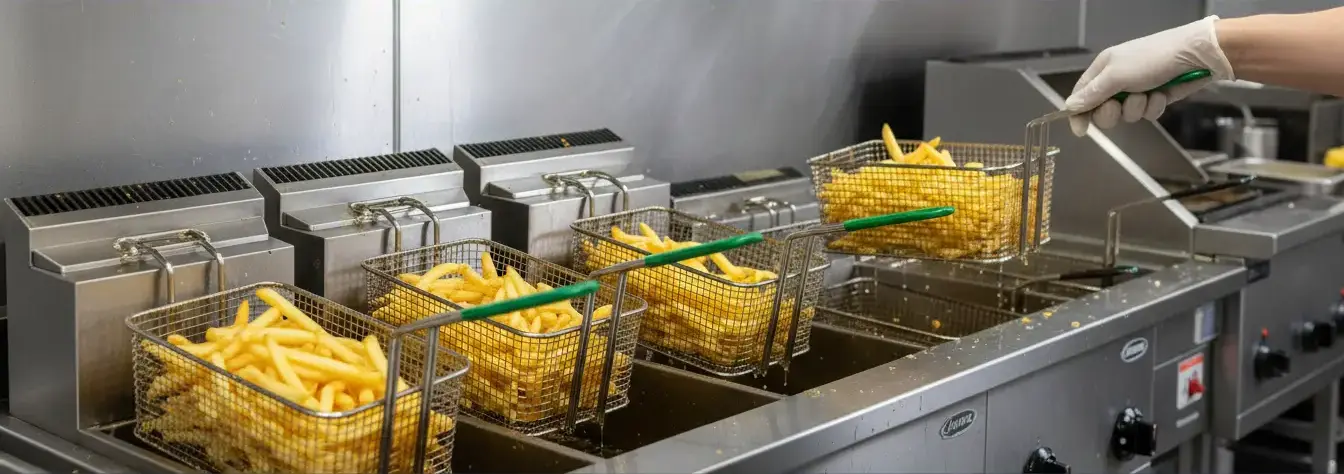
Find the Best Used Cooking Oil Collection Companies for Your Business
No obligation • Fast responses • Nationwide coverage

Why you can trust Restaurant Waste Disposal
Restaurant Waste Disposal is a leading U.S. resource for comparing restaurant composting, food-waste recycling, grease trap cleaning, and used cooking oil collection services. Our editorial team researches providers, checks credentials, and organizes unbiased information so operators can make informed decisions. Companies cannot pay to change ratings or placement.
Search providers near you
Top Used Cooking Oil Collection Companies in Bridgewater, New Jersey Ranked
For restaurants in Bridgewater, managing used cooking oil (UCO) is more than just a kitchen cleanup task-it's a regulated process that, when handled correctly, can contribute to environmental sustainability and even generate potential revenue. Proper UCO disposal involves partnering with licensed haulers who provide secure containers, schedule regular pickups, and manage the state-mandated documentation required to track the oil's journey to recycling facilities, often to be converted into biodiesel. Navigating New Jersey's specific rules is key for compliance and operational efficiency, turning a waste product into a resource.
NJ Oil Recyclers
New York, NY
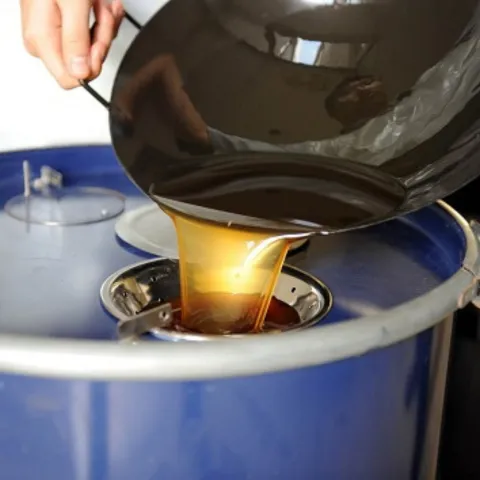
NJ Oil Recyclers provides used cooking oil collection and grease trap cleaning services in New York, NY. They specialize in collecting and recycling various types of restaurant cooking oils, including vegetable oil, fish oil, chicken fat, hog fat, and bacon grease. Their services include providing oil containers, regular oil pickup before containers are full, and thorough grease trap cleaning without chemicals. The company operates a licensed commercial oil recycling facility and uses specialized vehicles to ensure safe and compliant oil waste handling. NJ Oil Recyclers focuses on environmentally responsible recycling and sustainability in their operations.
D&W Alternative Energy, Restaurant Oil Pick up and Recycling
220 Allen St, Trenton, NJ 08618
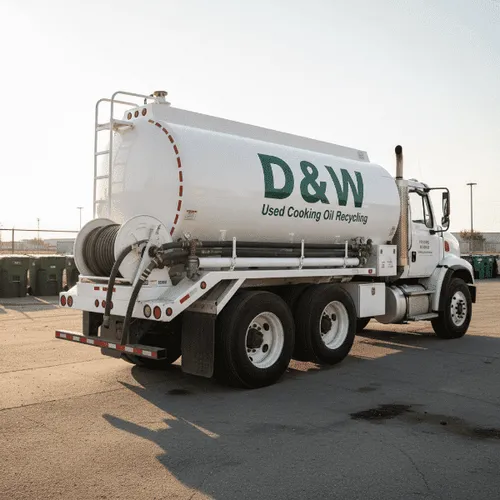
D&W Alternative Energy, Restaurant Oil Pick up and Recycling is a used cooking oil recycling company based in Woodbridge, NJ. They provide used cooking oil pickup and recycling services to restaurants in New Jersey, Pennsylvania, and Delaware. Their services include automated cooking oil management systems and power washing for receptacles and surrounding areas to help clients meet health regulations. Established in 2009, D&W has experience supporting local restaurants and works with law enforcement to prevent grease theft, which can cause environmental and safety issues.
DAR PRO Solutions
825 Wilson Ave, Newark, NJ 07105
DAR PRO Solutions is a used cooking oil collection company based in New York, NY. They provide collection services for used cooking oil in the area. While specific capabilities and business history are not detailed, the company focuses on oil collection for recycling or disposal purposes.
Understanding New Jersey's Regulatory Framework
Operating a food service establishment in Bridgewater means adhering to New Jersey's waste management regulations. The state has clear guidelines for handling used fryer oil and other food wastes to promote recycling and prevent environmental contamination. A cornerstone of these rules is the documentation requirement. Transporting used cooking oil requires a Uniform Hazardous Waste Manifest or an equivalent document, which creates a legal chain-of-custody record from your restaurant to the recycling facility. You are required to keep these manifests on file for at least three years.
Furthermore, New Jersey's food waste recycling rules impact larger generators. If your restaurant generates over 52 tons of food waste per year and is located within 25 miles of an authorized recycling facility, you are mandated to source-separate that waste for recycling 1 2. While this directly addresses solid food scraps, it underscores the state's comprehensive approach to diverting commercial organic waste from landfills. It is also strictly prohibited to mix used cooking oil with other substances like motor oil or hazardous materials, as this contaminates the batch and complicates the recycling process 3.
Best Practices for On-Site Storage and Handling
Safe and compliant storage is the first critical step in the used cooking oil collection process. Proper handling prevents kitchen accidents, deters theft, and ensures the oil remains suitable for recycling.
- Use Dedicated Containers: Always store UCO in dedicated, leak-proof containers, which are often provided by your collection service. These containers should have secure, locking lids to prevent spills, pests, and unauthorized access 4.
- Designate a Storage Area: Place containers in a designated, stable area, preferably on an impermeable surface like concrete, away from high-traffic zones and drainage points. This minimizes slip hazards and contains any potential leaks.
- Cool Before Transferring: Allow oil to cool completely before transferring it from fryers to storage containers to prevent burns and damage to the storage bin.
- Maintain Purity: As noted, never mix different types of oil or add other liquids. Contaminated oil loses its value for recycling and may incur disposal fees.
The Collection and Recycling Journey
Once your oil is safely stored, the collection process begins. A licensed hauler will schedule regular pickups based on your volume. They use specialized vacuum trucks or pumps to safely remove the oil from your containers. At the point of pickup, the chain-of-custody documentation is updated; ensure you receive a signed copy of the manifest for your records.
From there, the collected oil is transported to a processing facility. Here, it undergoes filtering to remove food particles and water. The purified oil is then a valuable feedstock for the production of biodiesel, a renewable fuel, or other products like animal feed supplements or industrial chemicals 5 6. This circular economy model transforms a kitchen byproduct into a clean energy source.
Evaluating Service Providers and Potential Value
When selecting a grease collection service in Bridgewater, it's important to look beyond simple pickup. Reputable providers act as partners in compliance and value recovery.
- Service Models: Many haulers offer free pickup services, especially for restaurants with consistent, smaller volumes. They generate their revenue from selling the recycled oil to processors. For establishments with higher output, rebate programs become a significant factor 7.
- Understanding Rebates: Rebates can turn your used oil from a cost center into a minor revenue stream. Rates can vary but often range from $0.10 to over $0.65 per gallon, typically kicking in for volumes exceeding 100 gallons per month 8 9. Be sure to clarify the rebate structure, payment terms, and how your volume is measured.
- Security Features: Given the value of UCO, theft can be a concern. Some advanced services offer locked, proprietary containers with real-time monitoring to alert you and the hauler if a container is tampered with or emptied outside of a scheduled pickup, protecting your asset.
- Compliance Support: A key differentiator is how a hauler manages compliance. The best providers will seamlessly handle the entire manifest process, ensuring all paperwork is accurate and provided to you promptly, reducing your administrative burden 10 11.
Find the perfect used cooking oil collection companies for your needs
Get personalized recommendations and expert advice
Implementing a Program in Your Bridgewater Restaurant
Taking the step to establish or review your used cooking oil management program involves a few clear actions. Start by researching and contacting licensed haulers that service Somerset County. Look for providers with strong references and transparent service agreements. During inquiries, ask specific questions: Do they supply locked, leak-proof containers? What is the pickup frequency and schedule flexibility? How do they handle manifests and provide documentation? If applicable, what is their rebate formula and payment schedule?
Once you select a provider, they will typically help you set up your storage infrastructure. Train your kitchen staff on the proper procedures for cooling, transferring, and storing oil, emphasizing the importance of not mixing wastes. Finally, integrate the documentation (the signed manifests) into your record-keeping system. This proactive approach not only ensures regulatory compliance but also positions your restaurant as a responsible business within the Bridgewater community.
Frequently asked questions
Sources
Footnotes
-
Food Waste Recycling rules - https://dep.nj.gov/dshw/swpl/fw/food-waste-recycling-rules/ ↩
-
S2166 - NJ Legislature - https://pub.njleg.gov/bills/2014/S2500/2166_I1.HTM ↩
-
How to Dispose of Cooking Oil in New Jersey 2025 Complete Guide - https://greaseconnections.com/nj-cooking-oil-disposal-guide/ ↩
-
NJ School Cafeteria Grease Checklist & Oil Disposal - https://greaseconnections.com/nj-school-cafeteria-grease-oil-disposal/ ↩
-
Used Cooking Oil (UCO) Collection Service For Restaurants - https://thegreasecompany.com/blog/restaurant-used-cooking-oil-collection/ ↩
-
Recycling Used Cooking Oil With Green Grease Environmental - https://www.youtube.com/watch?v=KP05Yx-GkHk ↩
-
Restaurant Used Cooking Oil: Disposal, Recycling & Revenue Guide - https://greaseconnections.com/restaurant-used-cooking-oil-disposal-recycling-revenue-guide/ ↩
-
Used Cooking Oil Recycling Service in New Jersey - https://eazygrease.com/used-cooking-oil-recycling-new-jersey/ ↩
-
Used Cooking Oil Recycling & Grease Collection | Elizabeth - https://greaseconnections.com/locations/nj/union/elizabeth/ ↩
-
NJ Franchise Grease Recycling & SOPs 2025 - https://greaseconnections.com/nj-franchise-grease-recycling-sop/ ↩
-
Department of Solid Waste Management - https://www.co.ocean.nj.us/oc/solidwaste/frmRegContentSW.aspx?ID=283f4b31-2a8d-41d1-88ad-5236953babd5 ↩