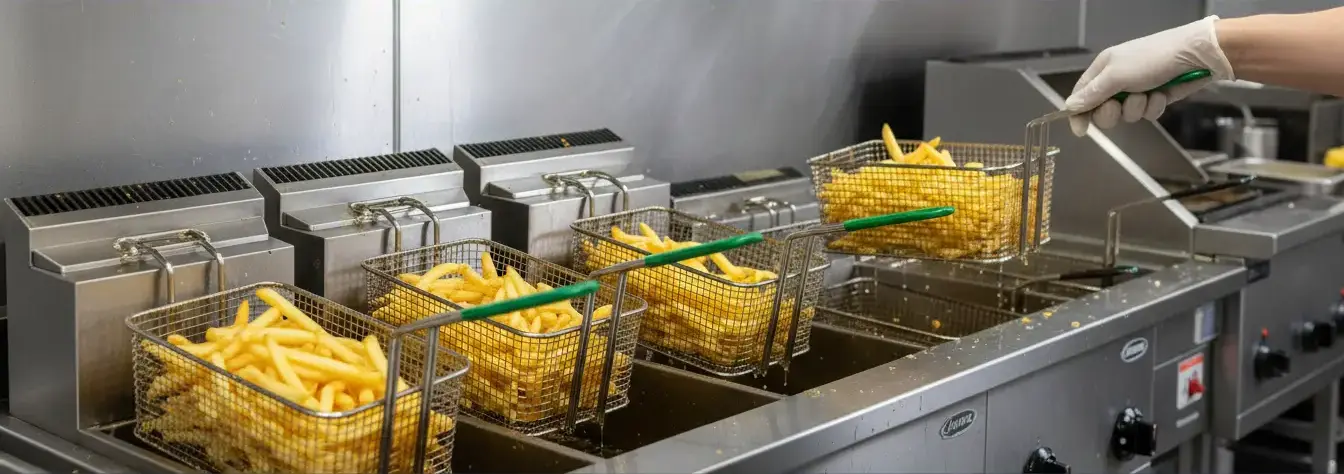
Find the Best Used Cooking Oil Collection Companies for Your Business
No obligation • Fast responses • Nationwide coverage

Why you can trust Restaurant Waste Disposal
Restaurant Waste Disposal is a leading U.S. resource for comparing restaurant composting, food-waste recycling, grease trap cleaning, and used cooking oil collection services. Our editorial team researches providers, checks credentials, and organizes unbiased information so operators can make informed decisions. Companies cannot pay to change ratings or placement.
Search providers near you
Top Used Cooking Oil Collection Companies in Bayonne, New Jersey Ranked
For Bayonne restaurants, managing used cooking oil (UCO) is more than just a cleanup task-it's a critical operational, environmental, and financial process. Proper collection and recycling of UCO not only ensures compliance with New Jersey's environmental regulations but also transforms a waste product into a valuable resource for biodiesel production. By partnering with a licensed collection service, food service establishments can streamline disposal, avoid costly sewer blockages and fines, and potentially turn their used oil into a source of revenue. This guide outlines the essentials of UCO management specifically for Bayonne, from regulatory compliance to choosing the right service partner.
Envirogreen Solutions
New York, NY
Envirogreen Solutions provides grease trap cleaning and used cooking oil collection services in New York, NY, including the five boroughs and Nassau County. They help commercial kitchens comply with local environmental regulations by responsibly removing and recycling cooking oil and grease trap waste. Envirogreen is fully licensed and insured, offering compliance paperwork and stickers upon service completion. Their capabilities include grease trap cleaning, cooking oil recycling, and emergency grease trap waste collection. The company is known for maintaining grease traps to keep them flowing properly and offers prompt emergency services when needed.
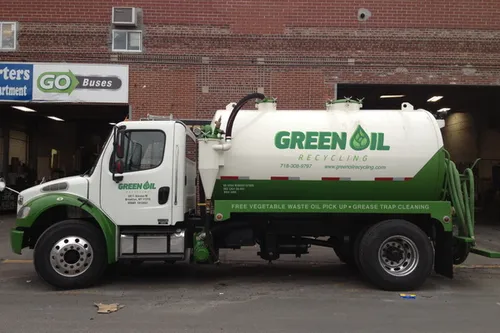
Green Oil Recycling
317 Liberty Ave, Brooklyn, NY 11207
Green Oil Recycling provides professional grease trap cleaning and used cooking oil collection services in New York, NY. They specialize in maintaining commercial kitchen grease traps, including passive hydro mechanical, large pre-cast concrete gravity traps, and auto-grease removal systems like Big Dipper. Their trained technicians thoroughly clean traps, scrape walls, and use bio-safe chemicals to break down waste oil, helping kitchens stay odorless and compliant with local regulations. Green Oil Recycling serves New York City, New Jersey, and Nassau County, ensuring all waste oil disposal meets BIC, DEC, and EPA standards. They also inspect gaskets and fittings to prevent violations and hazards, working closely with Done Right Hood & Fire Safety for comprehensive grease trap and kitchen exhaust maintenance.
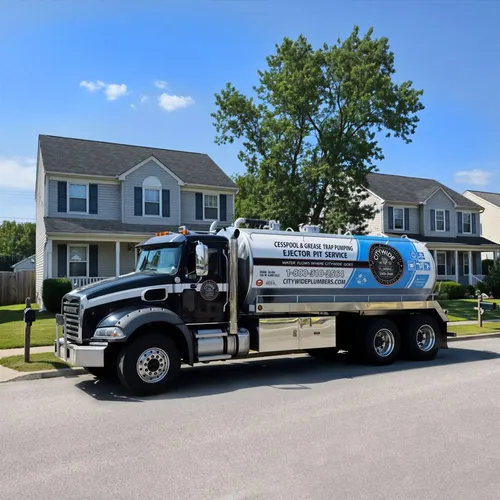
Citywide Grease Trap Maintenance | Cesspool Pumping Service Long Island
110 Voice Rd, Carle Place, NY 11514
Citywide Grease Trap Maintenance | Cesspool Pumping Service Long Island provides comprehensive sewer, drain, cesspool, and grease trap services in New York, NY. Serving both residential and commercial clients in Long Island and the New York Metropolitan area, they offer pumping, cleaning, repairs, and new installations for cesspools and septic systems. Their skilled technicians use state-of-the-art equipment to ensure efficient service. With over 65 years of experience, Citywide also provides 24/7 emergency service to address urgent plumbing needs promptly.

New York Hood Cleaning
New York, NY
New York Hood Cleaning provides grease trap cleaning and used cooking oil collection services in New York, NY. They specialize in thorough cleaning of kitchen ducts, fans, hoods, and vents to maintain commercial kitchen operations. The company emphasizes sustainability by recycling used cooking oil for animal feed or fuel. With decades of experience, they offer skilled service using specialized tools to remove grease effectively. Their approach simplifies operations by combining multiple services under one provider, supported by responsive customer service.

NYC Clean Air Group
154-05 12th Ave, Beechhurst, NY 11357
NYC Clean Air Group is a family-owned business serving New York, NY, and New Jersey. They specialize in used cooking oil collection, grease trap cleaning, and cesspool maintenance for restaurants, stadiums, hospitals, and commissaries across all five boroughs. The company offers licensed and insured services with options for monthly contracts or per-incident work. They emphasize environmentally friendly practices and provide same-day service and free estimates.
Understanding New Jersey's Regulatory Landscape
Navigating state and local requirements is the first step in establishing a compliant used cooking oil program. In New Jersey, the Department of Environmental Protection (NJDEP) sets the standards that Bayonne businesses must follow.
Key Compliance Points:
- Transportation Manifests: State law mandates that used cooking oil be transported with a proper manifest, often the NJ Form A901. Reputable collection companies handle this paperwork, providing you with documentation for your records after each pickup.
- Generator Classification: While large food waste generators (producing 52 or more tons per year) have specific source-separation requirements, all businesses generating UCO must ensure it is handled by a licensed transporter 1.
- Storage and Contamination: Regulations emphasize secure, leak-proof storage containers to prevent spills and environmental contamination. Crucially, oil destined for recycling must be kept relatively clean-free from excessive water, food solids, or "brown grease" from grease traps, as these contaminants can render the oil unrecyclable.
The Step-by-Step Collection Process
Partnering with a professional service simplifies UCO management into a reliable routine. Here's how the typical process works for a Bayonne restaurant:
- Service Partnership: You select a licensed used cooking oil recycler that services the Bayonne area. Companies like D&W Alternative Energy, Grease Connections, and Eazy Grease operate in the region, providing containers and scheduled pickups.
- Container Placement & Scheduling: The provider supplies a secure storage tank or container, often at no upfront cost. Together, you establish a pickup frequency-such as weekly or bi-weekly-based on your oil production volume 2 3.
- Collection & Documentation: On the scheduled day, a driver pumps the oil from your container into their collection truck. The driver records the volume collected and provides you with a manifest or receipt, which serves as your proof of proper disposal and is essential for regulatory compliance 4.
- Recycling & Repurposing: The collected oil is transported to a processing facility where it is filtered and purified. The end product is typically used as a feedstock for biodiesel, a renewable fuel, completing the recycling loop 5 6.
Financial Considerations: Cost, Revenue, and Savings
The economic model for used cooking oil collection can vary, offering Bayonne restaurants opportunities to reduce costs or generate income.
- Free Pickup Services: Many providers offer collection at no charge to restaurants, especially for lower volumes. This service is often free because the recycler profits from selling the processed oil to biodiesel producers.
- Potential for Rebates: For establishments generating significant volumes-typically over 100 gallons per month-there may be an opportunity to earn a rebate. Payments can range from $0.10 to over $0.65 per gallon, depending on market conditions and the purity of your oil 7 8 9. This can turn a waste stream into a modest revenue source.
- Bundled Service Savings: Some companies offer integrated programs that combine used oil collection with the delivery of fresh cooking oil. These bundles can provide pricing advantages and operational convenience 10.
- Avoided Costs: Proper management helps you avoid potential expenses related to sewer line backups, environmental cleanup fines, and the labor of dealing with improper disposal.
Find the perfect used cooking oil collection companies for your needs
Get personalized recommendations and expert advice
Best Practices for Bayonne Restaurants
To maximize the benefits of your used oil program, follow these operational tips:
- Ensure Regulatory Compliance: Always work with a registered and licensed transporter. This is your primary safeguard to ensure all manifests are filed correctly and your business is protected from liability 11.
- Maximize Oil Quality (and Value): Strain oil after use to remove food particles. Keep storage container lids closed to prevent water from rain or cleaning from entering. Cleaner oil is more valuable for recycling and commands higher rebates.
- Prioritize Security: Used cooking oil has value and can be a target for theft. Choose a provider that offers secure containers with locking mechanisms or even alarm systems to prevent unauthorized siphoning.
- Maintain Clear Records: Keep all pickup manifests and service reports organized. These documents are crucial for demonstrating compliance during inspections and for tracking your oil output and rebates.
The Environmental Impact of Recycling UCO
Choosing professional collection is a significant green initiative for your business. When used cooking oil is recycled into biodiesel, it reduces reliance on fossil fuels and lowers greenhouse gas emissions. Conversely, oil poured down drains coagulates in sewer systems, leading to costly blockages ("fatbergs") and overflows that harm local waterways. By ensuring your oil is collected properly, your Bayonne restaurant contributes directly to a cleaner community and a more sustainable circular economy.
Frequently asked questions
Sources
Footnotes
-
Food Waste Recycling rules - https://dep.nj.gov/dshw/swpl/fw/food-waste-recycling-rules/ ↩
-
Used Cooking Oil (UCO) Collection Service For Restaurants - https://thegreasecompany.com/blog/restaurant-used-cooking-oil-collection/ ↩
-
How to Dispose of Cooking Oil in New Jersey 2025 Complete Guide - https://greaseconnections.com/nj-cooking-oil-disposal-guide/ ↩
-
How to Sell Your Used Cooking Oil: A Practical Guide for New ... - https://dandwalternativeenergy.com/blog/selling-used-cooking-oil/ ↩
-
Used Cooking Oil Collection & Recycling - D&W Alternative Energy - https://dandwalternativeenergy.com/used-cooking-oil-collection/ ↩
-
Recycling Used Cooking Oil With Green Grease Environmental - https://www.youtube.com/watch?v=KP05Yx-GkHk ↩
-
Restaurant Used Cooking Oil: Disposal, Recycling & Revenue Guide - https://greaseconnections.com/restaurant-used-cooking-oil-disposal-recycling-revenue-guide/ ↩
-
Used Cooking Oil Recycling & Grease Collection | Elizabeth - https://greaseconnections.com/locations/nj/union/elizabeth/ ↩
-
Used Cooking Oil Recycling Service in New Jersey - https://eazygrease.com/used-cooking-oil-recycling-new-jersey/ ↩
-
How Used Cooking Oil Collection Saves You Money - https://www.mahoneyes.com/services/used-cooking-oil-recycling/savings/ ↩
-
S2166 - NJ Legislature - https://pub.njleg.gov/bills/2014/S2500/2166_I1.HTM ↩