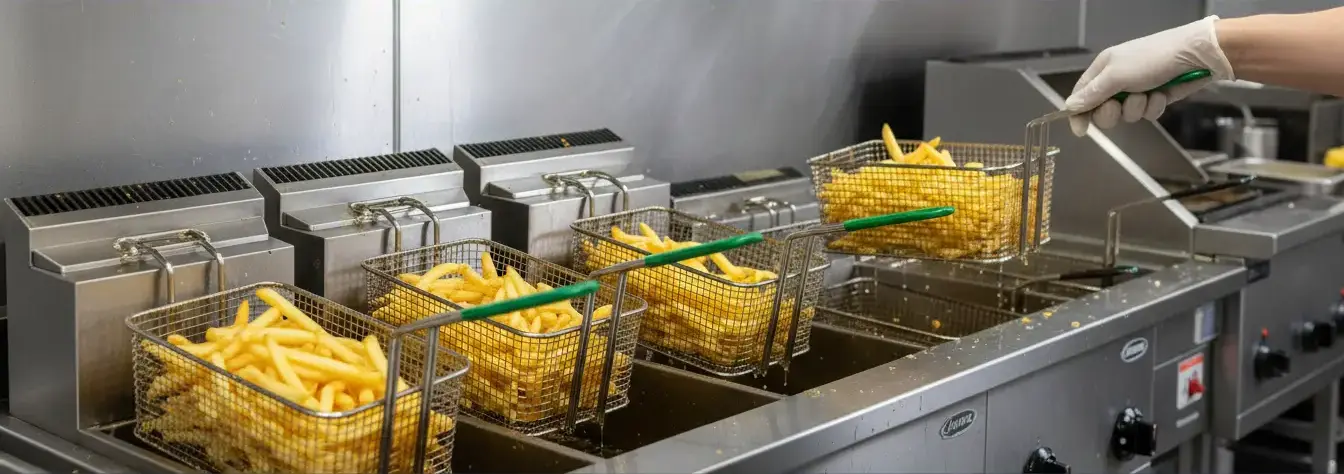
Find the Best Used Cooking Oil Collection Companies for Your Business
No obligation • Fast responses • Nationwide coverage

Why you can trust Restaurant Waste Disposal
Restaurant Waste Disposal is a leading U.S. resource for comparing restaurant composting, food-waste recycling, grease trap cleaning, and used cooking oil collection services. Our editorial team researches providers, checks credentials, and organizes unbiased information so operators can make informed decisions. Companies cannot pay to change ratings or placement.
Search providers near you
Top Used Cooking Oil Collection Companies in Bozeman, Montana Ranked
For Bozeman restaurants, managing used cooking oil (UCO) is more than just a cleanup task-it's a key operational and environmental responsibility. Properly handled, this waste stream can be transformed into valuable biofuels, helping your business reduce its environmental footprint while potentially offsetting costs. This guide explains the local process for UCO recycling, from selecting a provider and proper storage to understanding the recycling journey and financial considerations, so you can find the right local service partner for your needs.
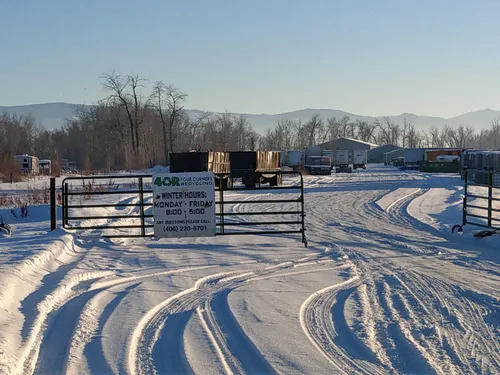
Why Recycle Used Cooking Oil in Bozeman?
Disposing of used fryer oil down the drain is a recipe for problems, leading to clogged pipes, sewer backups, and environmental harm. In Bozeman, recycling this material through professional collection services is the standard and responsible practice. These services ensure the oil is diverted from landfills and wastewater systems and instead processed into renewable resources like biodiesel. This not only supports Montana's sustainability goals but also simplifies compliance for your business, as professional handlers manage the necessary documentation and adhere to state guidelines from the Montana Department of Environmental Quality (DEQ).
Understanding Local Collection Services
Commercial used cooking oil collection in Bozeman operates through partnerships with specialized recycling companies. These providers handle the entire logistical chain, making the process turnkey for restaurant operators.
How the Service Works: The typical process begins when you contract with a recycler. They will supply specialized, leak-proof storage containers sized for your volume, often ranging from 30 to 250 gallons. On a pre-arranged schedule-weekly, bi-weekly, or monthly-a service driver will visit your establishment. Using a pump truck, they will safely transfer the oil from your container into their collection vehicle. After pickup, you should receive documentation for your records, which helps track volume and ensures regulatory compliance 1.
The Recycling Journey: Once collected, the used vegetable oil is transported to a processing facility. There, it undergoes filtering to remove food particles and water. The cleaned oil is then a primary feedstock for producing biodiesel, a cleaner-burning alternative to petroleum diesel. This closed-loop process means the oil from your fryers can help power vehicles and equipment, contributing to a circular economy right here in the region.
Key Local Providers and What They Offer
Bozeman restaurants have access to several established grease collection companies. Partnering with a local or regional provider ensures reliable service and an understanding of Montana's specific operational and regulatory landscape.
- Mountain West Renewables: This provider offers comprehensive used cooking oil collection and recycling services specifically in the Bozeman area. They manage the supply of containers, scheduled pickups, and the downstream recycling process 2.
- Full Circle Biofuels: Operating in Montana and Wyoming, Full Circle Biofuels provides fryer oil recycling services. They focus on converting collected UCO into biofuels, offering restaurants a sustainable disposal solution 3.
When evaluating providers, consider their service reliability, container options, pickup frequency flexibility, and the transparency of their reporting. It's advisable to get quotes and service details from more than one company to find the best fit for your kitchen's output and schedule.
Find the perfect used cooking oil collection companies for your needs
Get personalized recommendations and expert advice
Best Practices for On-Site Oil Storage
Proper storage before pickup is critical. It maintains oil quality, prevents safety hazards like slips or pests, and ensures you get the best possible value for your material. The rules are often set by your chosen vendor, but several universal best practices apply.
Container and Location: Always use the dedicated, sturdy container provided by your recycling company. These are designed to be leak-proof and secure. Place the container on a stable, level surface in a designated area, preferably outdoors but easily accessible for the service driver. Ensure the area is clear of debris and has secondary containment (like a spill pallet) if indoors, to manage any potential leaks.
Maintaining Oil Quality: The value of your used oil for recycling depends heavily on its purity. To preserve quality:
- Keep it Covered: Always replace the container lid after adding oil to prevent rainwater, debris, or pests from contaminating the contents.
- Prevent Food Contamination: Use strainers when transferring oil from fryers to minimize the amount of food solids entering the storage container. Excessive solids can lower the oil's value and complicate recycling 4.
- No Water: Never add water to the oil. Water contamination significantly reduces the value of the batch and can disrupt the biofuel conversion process.
- No Mixing: Avoid mixing different types of fats, oils, and grease (e.g., used fryer oil with grease trap waste). Keep them in separate, dedicated containers as they are processed differently 5.
A Note on Residential vs. Commercial Rules: It's important to distinguish between services. The City of Bozeman offers oil and antifreeze disposal for residents at its facility, but this program has limits (like a 5-gallon maximum) and does not accept cooking oil 6. Commercial restaurants must use the private collection services outlined here.
Costs, Rebates, and Financial Considerations
One of the most appealing aspects of professional used cooking oil collection is that it often comes at little to no direct cost to the restaurant and may even generate a small income.
Typical Cost Structure: For most restaurants producing consistent volumes of quality oil, the collection service itself is typically provided for free. The recycler's revenue comes from selling the processed oil to biofuel producers, which funds the pickup and logistics.
Understanding Oil Rebates: Many recyclers offer rebate programs based on the volume and quality of oil you provide. This is where your attention to proper storage pays off. Rebates can range from approximately $0.10 to $0.65 per gallon, depending on market conditions and the purity of your oil 7 8. High-volume establishments with clean, well-managed oil will see the best rebate rates. These payments can offset other operational costs or be viewed as a minor revenue stream, turning a waste product into an asset.
Factors that influence your rebate include:
- Total Volume: Larger, consistent volumes are more efficient to collect and process.
- Oil Quality: Clean oil free of water and excessive food solids commands a higher price.
- Market Prices: The end-market price for recycled UCO and biodiesel can fluctuate.
Compliance and Environmental Benefits
Working with a licensed used cooking oil collector helps ensure your restaurant meets environmental regulations. The Montana DEQ has guidelines for used oil management, and professional services are designed to comply with these rules, providing you with peace of mind 9. Proper recycling prevents illegal dumping and protects local waterways and soil.
The environmental benefit is substantial. Recycling used cooking oil into biodiesel creates a renewable fuel that burns cleaner than fossil fuels, reducing greenhouse gas emissions and particulate matter. By participating in a UCO collection program, your restaurant directly contributes to reducing reliance on petroleum and supports the local green economy.
Frequently asked questions
Sources
Footnotes
-
Used Cooking Oil (UCO) Collection Service For Restaurants - https://thegreasecompany.com/blog/restaurant-used-cooking-oil-collection/ ↩
-
Bozeman, MT Used Cooking Oil Collection & Disposal ... - https://www.mountainwestrenewables.com/Bozeman ↩
-
Fryer Oil Recycling | Full Circle Biofuels | Montana & Wyoming - https://www.fullcirclebiofuels.com/oil-recycling ↩
-
How to Properly Store Used Cooking Oil for Recycling Pickup - https://nwbiofuel.com/blog/how-to-properly-store-used-cooking-oil-for-recycling-pickup/ ↩
-
Restaurant Used Cooking Oil (Grease) Collection & Recycling - https://greasemanagement.org/restaurants.html ↩
-
Oil & Antifreeze Disposal - City Of Bozeman - https://www.bozeman.net/departments/transportation-engineering/streets/oil-antifreeze-disposal ↩
-
Used Cooking Oil Disposal: Complete Guide to Grease Pickups - https://greaseconnections.com/used-cooking-oil-disposal-guide-grease-pickups/ ↩
-
Restaurant Used Cooking Oil Recycling & Disposal Guide - https://greaseconnections.com/restaurant-used-cooking-oil-disposal-recycling-revenue-guide/ ↩
-
Used Oil | Montana DEQ - https://deq.mt.gov/twr/Programs/usedoil ↩