
Find the Best Used Cooking Oil Collection Companies for Your Business
No obligation • Fast responses • Nationwide coverage

Why you can trust Restaurant Waste Disposal
Restaurant Waste Disposal is a leading U.S. resource for comparing restaurant composting, food-waste recycling, grease trap cleaning, and used cooking oil collection services. Our editorial team researches providers, checks credentials, and organizes unbiased information so operators can make informed decisions. Companies cannot pay to change ratings or placement.
Search providers near you
Top Used Cooking Oil Collection Companies in St Paul, Minnesota Ranked
For restaurants and food service establishments in St. Paul, managing used cooking oil (UCO) is more than just a kitchen task-it's a regulated component of sustainable operations. Proper disposal of this yellow grease is mandatory under local recycling ordinances and is a key part of maintaining compliance with health department standards for fats, oils, and grease (FOG). Partnering with a professional collection service transforms a potential waste liability into a valuable resource, ensuring your oil is securely stored, regularly picked up, and recycled into products like biodiesel. This guide outlines the local requirements, processes, and benefits of establishing a reliable grease collection program for your business.
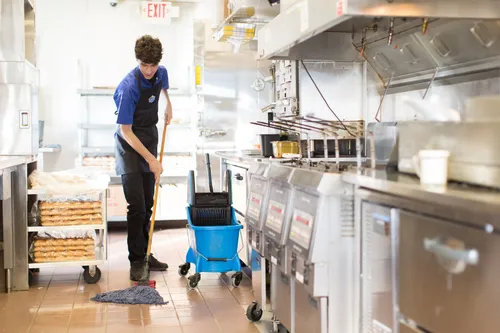
Understanding St. Paul's Regulations for Grease and Oil
In St. Paul, commercial recycling isn't optional. City ordinances require businesses to recycle, and this mandate explicitly includes used cooking oil. This rule exists primarily to protect the municipal sewer system. Improper disposal of FOG down drains is a leading cause of blockages, sewer overflows, and environmental contamination. By requiring professional UCO recycling, the city ensures this material is kept out of the wastewater stream. Compliance with these regulations helps your business avoid potential fines from the health department and contributes to the city's broader sustainability goals. Regular, documented pickup by an approved hauler is the simplest way to demonstrate adherence to these local rules.
The Professional Collection Process: From Your Fryer to Recycling
Establishing a used cooking oil collection service is a straightforward process designed for convenience and security.
Initial Assessment and Setup A reputable collection company will first assess your establishment's oil production volume. This evaluation, often free, considers factors like the number of fryers, your menu, and customer traffic. Based on this volume, the provider will determine the appropriate container size and pickup frequency-whether weekly, bi-weekly, or monthly 1. They then supply the necessary equipment, typically at no cost. This includes specialized, lockable storage containers (tubs or drums) designed for either indoor or outdoor placement 2 3.
Secure Storage and Scheduled Pickup Once installed, your kitchen staff can safely deposit cooled oil into the provided container. It's crucial to keep the oil as clean as possible by avoiding contamination with water or large food debris, as purity can affect its recycling value 4. The locking mechanism on these bins serves a dual purpose: it prevents spills or tampering and, importantly, deters theft, which has become an issue for this valuable commodity. On the scheduled pickup day, the hauler's personnel will service your container, safely transferring the oil to their collection vehicle for transport.
The Recycling Journey: What Happens to Collected Oil?
When the collection truck leaves your premises, the used cooking oil's journey is just beginning. Professional haulers transport the collected grease to rendering or processing facilities. There, it undergoes filtration and purification to remove impurities. 100% of the collected material is recycled, ensuring zero waste goes to landfill 5 6.
The end products are diverse and valuable. The primary output is biodiesel, a renewable fuel that reduces dependence on fossil fuels. This transformation means the oil from your fryers could one day power vehicles or heating systems. Other common products derived from recycled UCO include ingredients for animal feed, soap, lubricants, and even cosmetics. This circular economy model is a core benefit of professional collection, turning a kitchen byproduct into beneficial, marketable goods.
Cost Structure and Potential Revenue for Your Business
The financial model for used cooking oil collection varies based on your restaurant's output volume. Many providers structure their services to be accessible for businesses of all sizes.
- Low-Volume Producers (Under ~100 gallons/month): For smaller establishments, collection is often offered as a free service. The hauler covers the cost of equipment, pickup, and recycling, deriving their revenue from the sale of the recycled commodity. In these cases, a rebate is typically not provided.
- Medium to High-Volume Producers (Over ~100 gallons/month): As volume increases, so does the potential value of your oil. Some arrangements may involve a small service fee, while others operate on a rebate model. For clean, well-maintained oil, restaurants can earn a rebate, often paid via check or account credit. Rebate rates can vary but may range from a few cents per gallon for moderate volumes to over $0.65 per gallon for very large, consistent supplies of high-quality oil 7 8.
It's important to discuss the specific pricing or rebate structure during your initial assessment with a provider.
Find the perfect used cooking oil collection companies for your needs
Get personalized recommendations and expert advice
Key Service Providers and Resources in St. Paul
Several established companies operate in the St. Paul area to help businesses meet their used cooking oil recycling needs. Grand Natural Inc. is a notable local provider, offering comprehensive services that include free container provision, scheduled pickups, and even complementary services like grease trap cleaning, which is closely related to overall FOG management. For businesses seeking more information or assistance in setting up a recycling program, the BizRecycling program, supported by the Minnesota Pollution Control Agency (MPCA), offers valuable guidance and resources 9. These organizations can help connect you with reputable haulers and ensure your program is set up correctly from the start.
Benefits Beyond Compliance
While adhering to city mandates is essential, the advantages of a professional UCO collection service extend further.
- Enhanced Safety and Cleanliness: Removing hot, slippery oil from your kitchen is a safety hazard. Professional containers and pickups minimize spill risks and improve overall kitchen sanitation.
- Theft Deterrence: Locked, company-owned containers significantly reduce the risk of used cooking oil theft, which can be a nuisance and a security concern.
- Environmental Leadership: Participating in a closed-loop recycling system allows your restaurant to showcase a genuine commitment to sustainability, which can resonate positively with customers.
- Operational Simplicity: Outsourcing this logistical task frees up your staff's time and ensures it's handled reliably by experts, allowing you to focus on core restaurant operations.
Taking the step to formalize your used cooking oil management is a smart decision for safety, compliance, and sustainability.
Frequently asked questions
Sources
Footnotes
-
Grease Collection Service: What is it - Grand Natural Inc - https://www.grandnaturalinc.com/blog/what-is-grease-collection-service.html ↩
-
Used Cooking Oil Pickup and Recycling Services in Saint Paul - https://www.grandnatural.com/locations/used-cooking-oil-recycling-in-saint-paul.html ↩
-
Restaurant Oil Disposal: Explained - Eazy Grease - https://eazygrease.com/how-do-restaurants-get-rid-of-their-oil/ ↩
-
How Is Used Cooking Oil Recycled? What You Should Know - https://www.thegreasetrapcleaners.com/blog/how-is-used-cooking-oil-recycled-what-you-should-know ↩
-
Used Cooking Oil Collection Saint Paul - https://www.grandnaturalinc.com/locations/used-cooking-oil-recycling-in-saint-paul.html ↩
-
Used Cooking Oil (UCO) Collection Service For Restaurants - https://thegreasecompany.com/blog/restaurant-used-cooking-oil-collection/ ↩
-
Used Cooking Oil Disposal: Complete Guide to Grease Pickups - https://greaseconnections.com/used-cooking-oil-disposal-guide-grease-pickups/ ↩
-
Restaurant Used Cooking Oil: Disposal, Recycling & Revenue Guide - https://greaseconnections.com/restaurant-used-cooking-oil-disposal-recycling-revenue-guide/ ↩
-
Recycling for Businesses | Saint Paul Minnesota - https://www.stpaul.gov/departments/public-works/garbage-and-recycling/recycling-businesses ↩