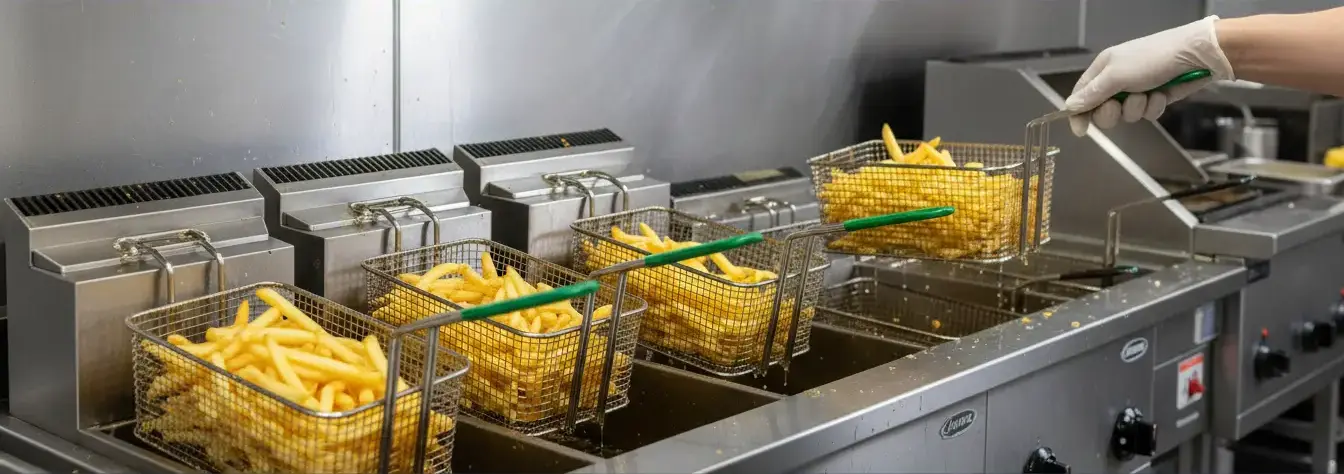
Find the Best Used Cooking Oil Collection Companies for Your Business
No obligation • Fast responses • Nationwide coverage

Why you can trust Restaurant Waste Disposal
Restaurant Waste Disposal is a leading U.S. resource for comparing restaurant composting, food-waste recycling, grease trap cleaning, and used cooking oil collection services. Our editorial team researches providers, checks credentials, and organizes unbiased information so operators can make informed decisions. Companies cannot pay to change ratings or placement.
Search providers near you
Top Used Cooking Oil Collection Companies in St Louis Park, Minnesota Ranked
For restaurants and food service establishments in St. Louis Park, managing used cooking oil (UCO) is a critical operational and environmental responsibility. Proper disposal of this waste stream is not handled by the city's standard sanitation services; instead, it requires partnering with a licensed professional collection and recycling service. Adhering to state and local guidelines ensures your business avoids costly fines, protects plumbing and sewer infrastructure, and contributes to a valuable recycling loop that transforms waste into resources like biodiesel. This guide outlines the essential steps, best practices, and regulatory landscape for effective grease management in St. Louis Park.
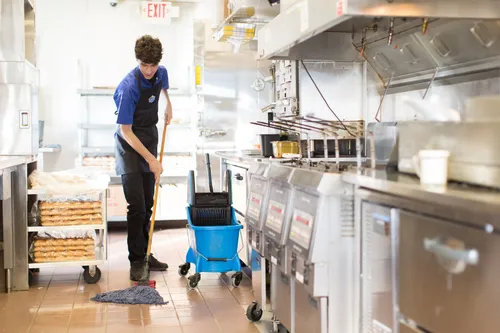
Why Professional UCO Collection is Mandatory
Unlike residential recycling, used cooking oil from commercial kitchens falls under specific waste regulations. The Minnesota Pollution Control Agency (MPCA) provides guidelines for managing used oil and related wastes, emphasizing proper handling and record-keeping. Crucially, pouring used oil down the drain is illegal and dangerous. It leads to sewer blockages, can cause significant environmental damage if it enters storm drains, and results in substantial fines for your business 1. Licensed recyclers provide the secure, documented chain of custody required for compliance, keeping your operations within the law.
Environmental and Economic Benefits
Partnering with a recycler does more than just fulfill a legal duty. It closes the sustainability loop. Collected UCO is processed into biodiesel, a cleaner-burning renewable fuel, or other industrial products 2 3. This process diverts waste from landfills and reduces reliance on fossil fuels. Furthermore, depending on the volume and quality of your oil, this "waste" can become a source of revenue through rebate programs, turning a cost center into a potential income stream.
Step-by-Step: Setting Up Your Collection Service
Establishing a reliable used cooking oil pickup system involves a few key steps to ensure safety, efficiency, and compliance.
1. Find and Contract a Licensed Service Provider
Your first action is to select a professional UCO collection company that services the St. Louis Park area. These providers specialize in the safe transport and recycling of grease. When evaluating services, inquire about their licensing, recycling endpoints, pickup schedules, and container provisions.
2. Proper On-Site Storage and Handling
Before pickup can occur, you must have the correct setup in your kitchen.
- Containers: Your service provider will typically supply dedicated, leak-proof containers or tanks. These must be clearly labeled for used cooking oil only 4 5.
- Cooling: Always allow oil to cool below 120°F before transferring it to storage containers to prevent burns and container damage.
- Filtering: Strain out food solids before storing the oil. This improves the oil's quality for recycling and prevents clogs in the collection equipment 6.
- Storage Location: Place containers in a secure, cool, and accessible area, such as near a back door or loading dock, to facilitate easy and safe pickup by service technicians.
3. Scheduling and the Collection Process
Once your storage is ready, you'll work with your provider to establish a regular pickup schedule-weekly, bi-weekly, or monthly-based on your volume. On collection day, a technician will use specialized pumping equipment to safely transfer the oil from your containers into their truck-mounted tank 7. This process is designed to be clean and efficient, minimizing disruption to your kitchen operations.
4. Documentation and Compliance
A crucial final step is receiving and filing your documentation. After each pickup, you should receive a receipt or manifest detailing the amount of oil collected. The MPCA recommends businesses maintain these records for at least three years as proof of proper disposal. This paperwork is your primary defense in demonstrating regulatory compliance during inspections.
Find the perfect used cooking oil collection companies for your needs
Get personalized recommendations and expert advice
Understanding Costs and Potential Revenue
The financial model for used cooking oil collection can vary. It's not always a straightforward service fee; the quality and market value of the oil itself play a significant role.
- Free Pickup for Lower Volumes: Many collection companies offer free pickup services for establishments generating smaller amounts of oil, as the value of the recycled material covers their operational costs.
- Rebates for High-Quality Oil: If your kitchen produces large volumes of well-filtered, uncontaminated oil, you may qualify for a rebate. Payments can range from $0.10 to $0.65 per gallon, effectively turning your waste into a minor revenue source 8.
- Fees for Service: In some cases, particularly if the oil is heavily contaminated or the volume is very low relative to the service area, a small fee per gallon may apply. These fees are typically in the same range as potential rebates ($0.10-$0.65/gallon) 9.
- Separate Grease Trap Services: It's important to note that used cooking oil collection is separate from grease trap or grease interceptor cleaning. While some providers offer both services, grease trap cleaning is a distinct maintenance task with its own pricing structure based on the size and location of the trap.
Best Practices for Restaurant Kitchen Safety
Integrating UCO management into your daily kitchen routines enhances safety and operational flow.
- Designate a Station: Create a specific, clearly marked area for cooling and filtering oil.
- Train Your Staff: Ensure all kitchen staff understand the "never down the drain" rule and the steps for proper oil handling and storage.
- Prevent Accidents: Use drip pans and funnels to avoid spills when transferring oil. Keep storage areas tidy and free of trip hazards.
- Secure Your Asset: Place outdoor storage containers in a locked cage or secured area to prevent theft or tampering, as used oil has market value.
Navigating Minnesota and Local Regulations
Compliance is built on understanding the rules. The MPCA classifies used cooking oil as a waste that requires proper management 10. St. Louis Park businesses must adhere to these state guidelines, which prohibit any release of oil into the environment or sewer system. Local municipal codes will also have provisions regarding grease management to protect the city's wastewater treatment facilities. Your chosen licensed recycler should be well-versed in these requirements and help you maintain compliance through proper collection and documentation.
Choosing the Right Collection Partner
Selecting a service is a key business decision. Look for providers with a strong local reputation, transparent pricing (whether fees or rebates), and a clear explanation of their recycling process. Ask for references from other restaurants in the Twin Cities area. A good partner acts as a consultant, helping you optimize your storage setup and pickup frequency to maximize efficiency and cost-effectiveness.
Frequently asked questions
Sources
Footnotes
-
Used Cooking Oil and St Louis Recycling - Millstadt Rendering - https://millstadtrendering.com/used-cooking-oil-and-st-louis-recycling/ ↩
-
Used Cooking Oil (UCO) Collection Service For Restaurants - https://thegreasecompany.com/blog/restaurant-used-cooking-oil-collection/ ↩
-
Kitchen Safety and Sustainability in St. Louis: A Guide to Grease ... - https://millstadtrendering.com/kitchen-safety-and-sustainability-in-st-louis-a-guide-to-grease-management/ ↩
-
Used Cooking Oil Disposal: Complete Guide to Grease Pickups - https://greaseconnections.com/used-cooking-oil-disposal-guide-grease-pickups/ ↩
-
Greater St. Louis Used Cooking Oil Recycling | Oil Disposal - https://greasemastersllc.com/cooking-oil-recycling/ ↩
-
Restaurant Used Cooking Oil Collection & Recycling in Minnesota - https://mahoneyes.com/restaurant-used-cooking-oil-collection-and-recycling-services-in-minnesota/ ↩
-
How to Dispose of Cooking Oil For STL Restaurants | MRC - https://millstadtrendering.com/how-to-dispose-of-cooking-oil-for-stl-restaurants/ ↩
-
Restaurant Grease Recycling and Other Services - https://millstadtrendering.com/services/ ↩
-
Restaurant Used Cooking Oil Recycling & Disposal Guide - https://greaseconnections.com/restaurant-used-cooking-oil-disposal-recycling-revenue-guide/ ↩
-
Used Oil and Related Wastes - Minnesota Pollution Control Agency - https://www.pca.state.mn.us/sites/default/files/w-hw4-30.pdf ↩