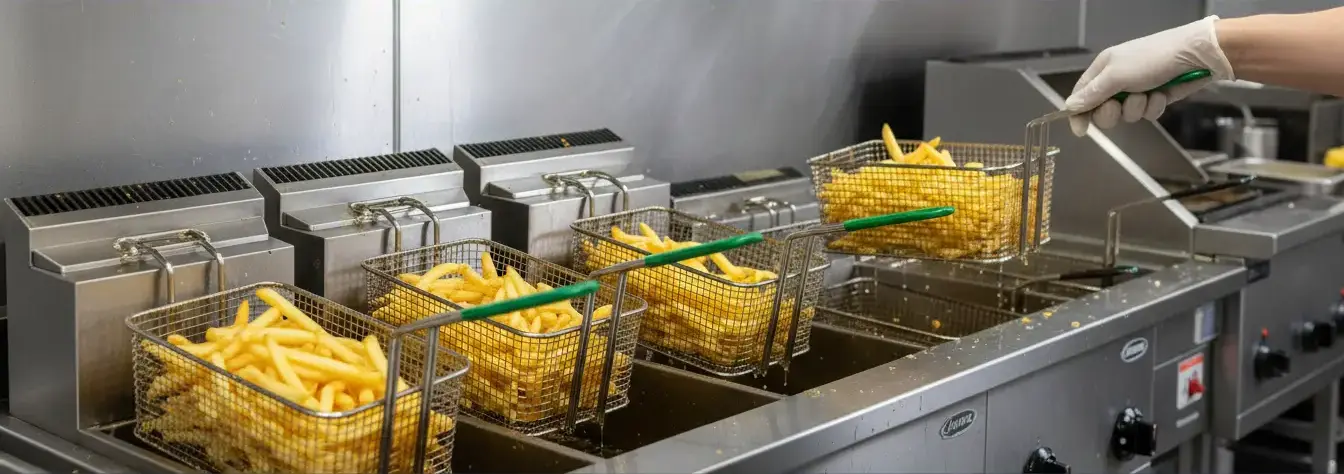
Find the Best Used Cooking Oil Collection Companies for Your Business
No obligation • Fast responses • Nationwide coverage

Why you can trust Restaurant Waste Disposal
Restaurant Waste Disposal is a leading U.S. resource for comparing restaurant composting, food-waste recycling, grease trap cleaning, and used cooking oil collection services. Our editorial team researches providers, checks credentials, and organizes unbiased information so operators can make informed decisions. Companies cannot pay to change ratings or placement.
Search providers near you
Top Used Cooking Oil Collection Companies in Shakopee, Minnesota Ranked
For restaurants and food service businesses in Shakopee, managing used cooking oil (UCO) is a critical operational task that, when handled correctly, transforms a messy waste product into an environmental and economic opportunity. Proper grease collection and recycling are not just about cleanliness; they are essential for compliance with local and state regulations, preventing costly drain blockages, and contributing to the circular economy by supplying raw material for biodiesel production. By partnering with a specialized hauler, Shakopee establishments can ensure safe, efficient disposal while potentially generating a rebate or revenue, turning a routine chore into a strategic part of their waste management plan.
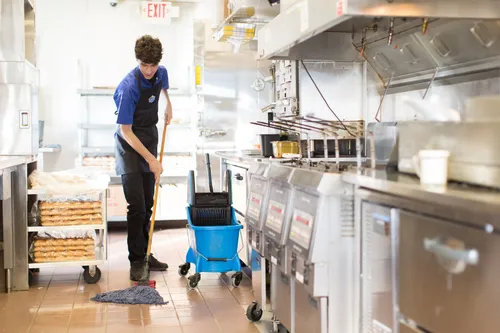
Why Proper UCO Disposal Matters in Shakopee
Improper disposal of fryer oil and grease is a leading cause of sewer system problems. Pouring oil down the drain leads to the buildup of Fats, Oils, and Grease (FOG), which can cause severe blockages in both your facility's plumbing and the municipal sewer lines. Beyond infrastructure damage, such practices can lead to environmental contamination and violate local food code rules. The Minnesota Pollution Control Agency (MPCA) provides guidelines for managing used oil and related wastes to prevent such issues. A professional used cooking oil collection service mitigates these risks by ensuring the oil is captured at the source and transported for proper recycling.
Furthermore, recycling used vegetable oil is a cornerstone of sustainable business practices. The oil collected from Shakopee restaurants is processed and refined into biodiesel, a cleaner-burning renewable fuel. This process diverts waste from landfills and contributes to regional sustainability goals. For a business, this translates into a tangible green credential that can resonate with environmentally conscious customers.
How Used Cooking Oil Collection Works
The process for setting up a reliable grease pickup service is straightforward and designed to integrate seamlessly with your kitchen's operations.
1. Partnering with a Hauler The first step is to select a local used cooking oil collection provider. Shakopee restaurants have access to several regional and national services, such as Midwest Grease, Restaurant Technologies, and Grand Natural1 2. These companies specialize in the logistics of grease recycling.
2. Storage and Containment Once you sign up, the hauler typically provides a secure, lockable container for storing your used oil. These containers are designed to be durable and spill-proof, preventing leaks, contamination, and theft. Storage options vary:
- Indoor Containers: Smaller bins or drums kept in the kitchen or storage area.
- Outdoor Tanks: Larger, bulk storage tanks placed in a secure outdoor location, such as near a dumpster enclosure. This is a common solution for establishments with higher volume 3.
3. Scheduled Pickups Your hauler will establish a pickup schedule-whether weekly, bi-weekly, or monthly-based on your oil production volume. They use specialized trucks equipped with pumps to safely and cleanly collect the oil from your container 4.
4. Processing and Documentation The collected oil is transported to a processing facility where it is filtered and refined. The end product is often biodiesel or other industrial ingredients. A key benefit of using a professional service is the documentation they provide, which serves as a record for your business's environmental compliance and waste tracking.
Best Practices for On-Site Oil Management
Effective management begins inside your restaurant. Implementing a few best practices can maximize efficiency, safety, and the quality of your oil for recycling.
- Filter Oil Regularly: Filtering hot oil after use extends its life for cooking and removes food particles that can degrade the oil's value for recyclers. Cleaner oil often commands a better price or rebate.
- Use Designated, Leak-Proof Containers: Always transfer cooled oil into the hauler-provided container. Never use makeshift containers that can leak or break. Ensure the storage area is clean to avoid cross-contamination.
- Secure Your Storage: Always keep your collection container locked, whether it's indoors or outside. This prevents unauthorized dumping, which can contaminate your oil, and deters theft, which has become an issue as the value of UCO has risen.
- Train Your Staff: Ensure all kitchen staff are trained on the proper procedure for disposing of used oil. Clear protocols prevent accidents, maintain a safe work environment, and protect your recycling revenue stream.
Find the perfect used cooking oil collection companies for your needs
Get personalized recommendations and expert advice
Understanding Costs and Potential Revenue
The financial model for used cooking oil collection in Shakopee is primarily volume-dependent. Most haulers structure their services to accommodate businesses of all sizes, from small cafes to large-scale food service operations.
- Low Volume (Less than 100 gallons per month): For smaller restaurants, pickup is often provided as a free service. Some providers may offer a modest rebate, though the primary value is the convenient, compliant removal of a waste product.
- Medium Volume (100-300 gallons per month): At this level, services may be fee-based, with charges ranging from $0.10 to $0.25 per gallon collected. Alternatively, some haulers may begin to offer a small rebate. The specific terms depend on the provider and current market conditions for recycled grease.
- High Volume (Over 300 gallons per month): High-volume producers, such as large restaurants, institutional cafeterias, or food courts, are typically in a position to earn significant revenue. Rebates can range from $0.25 to over $0.65 per gallon, based on the quality of the oil and the prevailing market price for feedstocks used in biodiesel production5 6 7.
It's important to discuss pricing structures directly with service providers, as contracts and market rates can fluctuate.
Compliance and Local Regulations
Adhering to regulations is a non-negotiable aspect of food service waste management. In Shakopee and throughout Minnesota, businesses must follow guidelines set forth by the MPCA regarding used oil and related wastes8. These rules emphasize proper containment to prevent environmental release.
Local food safety and public health codes also include provisions for FOG management. Using a licensed, professional UCO collector is the simplest way to ensure compliance, as they handle the transportation and processing in accordance with state and federal regulations. The documentation they supply after each pickup is your proof of proper disposal, which can be crucial during health inspections or environmental audits9 10.
Choosing the Right Service Provider
Selecting a grease collection partner is an important decision. Consider the following factors:
- Service Reliability: Look for a company with a proven track record of consistent, on-time pickups.
- Container Options: Ensure they can provide a storage solution that fits your physical space and volume needs, whether indoor or outdoor.
- Transparency: Choose a provider that offers clear contracts, straightforward pricing or rebate terms, and detailed pickup documentation.
- Local Expertise: A provider familiar with Shakopee and Scott County will understand local logistics and regulatory nuances.
By establishing a partnership with a reputable hauler, Shakopee restaurants can efficiently manage their used cooking oil, support sustainability initiatives, ensure regulatory compliance, and unlock potential value from what was once considered mere waste11 12.
Frequently asked questions
Sources
Footnotes
-
Midwest Grease - Farmers Union Industries - https://fuillc.com/midwest-grease/ ↩
-
Cooking Oil Recycling & Disposal Minneapolis - https://www.rti-inc.com/minneapolis/ ↩
-
Recycling Tips for Cooking Oil Disposal in Food Courts - NW Biofuel - https://nwbiofuel.com/blog/used-cooking-oil-disposal-for-food-courts-responsible-recycling-tips/ ↩
-
Used Cooking Oil Pickup and Recycling Services in Minneapolis - https://www.grandnatural.com/locations/used-cooking-oil-recycling-in-minneapolis.html ↩
-
Used Cooking Oil Disposal: Complete Guide to Grease Pickups - https://greaseconnections.com/used-cooking-oil-disposal-guide-grease-pickups/ ↩
-
Restaurant Used Cooking Oil: Disposal, Recycling & Revenue Guide - https://greaseconnections.com/restaurant-used-cooking-oil-disposal-recycling-revenue-guide/ ↩
-
Grease Hauler - https://www.greasehauler.com/ ↩
-
Used Oil and Related Wastes - Minnesota Pollution Control Agency - https://www.pca.state.mn.us/sites/default/files/w-hw4-30.pdf ↩
-
Restaurant Used Cooking Oil Collection & Recycling in Minnesota - https://mahoneyes.com/restaurant-used-cooking-oil-collection-and-recycling-services-in-minnesota/ ↩
-
The Ultimate Guide to Restaurant Oil Disposal & Waste ... - https://kernuco.com/post/restaurant-oil-disposal ↩
-
Used Cooking Oil (UCO) Collection Service For Restaurants - https://thegreasecompany.com/blog/restaurant-used-cooking-oil-collection/ ↩
-
Used Cooking Oil Pickup vs Drop-Off - GreasePros Recycling - https://www.greaseprosrecycling.com/used-cooking-oil-pickup-vs-drop-off/ ↩