Find the Best Used Cooking Oil Collection Companies for Your Business
No obligation • Fast responses • Nationwide coverage

Why you can trust Restaurant Waste Disposal
Restaurant Waste Disposal is a leading U.S. resource for comparing restaurant composting, food-waste recycling, grease trap cleaning, and used cooking oil collection services. Our editorial team researches providers, checks credentials, and organizes unbiased information so operators can make informed decisions. Companies cannot pay to change ratings or placement.
Search providers near you
Top Used Cooking Oil Collection Companies in Plymouth, Minnesota Ranked
For restaurants and food service businesses in Plymouth, managing used cooking oil (UCO) is more than just a disposal task-it's an operational and environmental opportunity. Properly handled, your waste grease can be transformed into valuable commodities like biodiesel and animal feed, potentially generating revenue while ensuring regulatory compliance. This process involves a partnership with specialized, licensed haulers who provide secure containers, schedule regular pickups, and handle the complex logistics of grease recycling. Navigating the specifics of storage, handling, and local guidelines is key to maximizing the value of your oil and maintaining a clean, efficient kitchen operation.
Understanding the Value of Your Used Cooking Oil
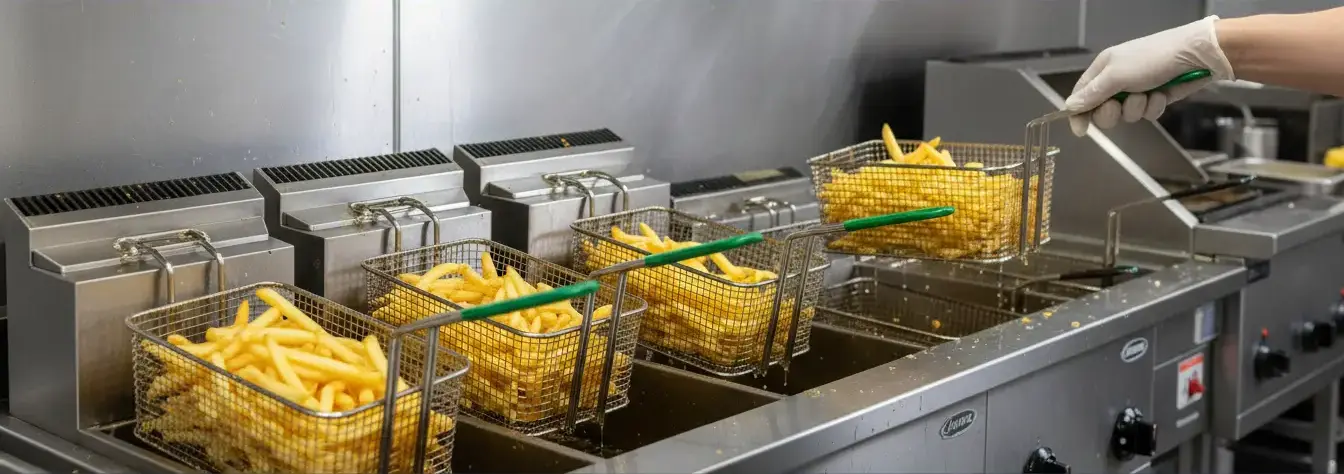
Many Plymouth restaurant owners view used fryer oil as a messy problem to be disposed of. However, this material is a valuable feedstock for renewable energy and other products. When collected and recycled properly, your kitchen's waste oil is processed into biodiesel, a cleaner-burning alternative to petroleum diesel, or refined into ingredients for animal feed and industrial soaps. This creates a circular economy where your waste becomes a resource, reducing environmental impact. The key to unlocking this value lies in maintaining the quality of the oil from the fryer to the collection bin, as cleaner oil commands better pricing from recyclers.
Step-by-Step Process for Restaurant Grease Collection
Implementing a smooth, efficient system for grease trap and cooking oil management involves a clear sequence of steps. Following this process ensures safety, maximizes rebates, and keeps your kitchen compliant.
1. Proper On-Site Filtering and Storage
The journey to revenue begins at the fryer station. After use, allow the oil to cool sufficiently before handling. Filtering out food particles and debris is a critical first step to prevent contamination, which can significantly reduce the oil's value for recycling. The filtered oil should then be transferred into a dedicated, airtight storage container. Most professional grease collection services will provide these containers, which typically range from 40 to 300 gallons for outdoor use 1 2. These bins are designed to be secure, with locking lids to prevent theft, spills, and contamination from rainwater or pests.
2. Scheduling Professional Pickup Services
Unlike residential waste, commercial used cooking oil collection in Plymouth is handled by private, licensed haulers, not the city's municipal services. Once your storage container is full, you contact your service provider to schedule a pickup. These companies operate on regular routes or on-call schedules based on your volume of oil production. A licensed hauler will arrive with specialized tanker trucks to pump out your container, ensuring a clean and efficient transfer. Using a licensed hauler is not just a convenience; it's a compliance necessity, guaranteeing that the oil is tracked and recycled according to state and local regulations, helping you avoid potential fines.
3. Recycling and Revenue Generation
After collection, the hauler transports the used cooking oil to a processing facility. Here, it undergoes further purification and is converted into its end products, primarily biodiesel. This is where your efforts pay off. The recycler sells this feedstock, and a portion of that revenue is often passed back to you, the generator, in the form of a rebate or payment. The amount you earn is directly tied to the volume and quality of oil you provide. Clean, well-filtered oil from a high-volume establishment is more valuable than contaminated oil from a low-volume operation.
Find the perfect used cooking oil collection companies for your needs
Get personalized recommendations and expert advice
Best Practices for Quality and Compliance
To ensure a safe kitchen environment and protect your potential revenue stream, adhering to best practices for grease management is essential.
- Prioritize Cleanliness: Consistently filter oil before storage. Water and food solids are the biggest contaminants that degrade oil quality. Using fine-mesh filters or dedicated filtering equipment helps maintain purity 3.
- Secure Your Asset: Used cooking oil has a market value and can be targeted for theft. Always use containers with locking lids and place them in a well-lit, secure area if outdoors. This also prevents accidental spills and environmental contamination 4.
- Train Your Staff: Ensure all kitchen staff understand the proper procedures for cooling, filtering, and transferring oil. Proper training reduces the risk of burns, spills, and contamination, protecting both your employees and your rebate 5.
- Maintain Records: Keep logs of pickups, volumes collected, and rebate payments. This helps with financial tracking and provides documentation for environmental compliance audits.
- Know Local Rules: While the City of Plymouth offers a drop-off for used motor oil, it does not provide collection for used cooking oil from businesses 6. Furthermore, businesses should be aware of Hennepin County's broader organic waste recycling requirements, which may influence overall waste management plans 7.
Potential Revenue from Grease Recycling
The financial return from used cooking oil collection is not fixed; it operates on a sliding scale based primarily on monthly volume. Payments or rebates are typically calculated per gallon, and rates can fluctuate with commodity markets. The following ranges provide a general guideline for what Plymouth restaurants might expect 8 9:
- Low Volume (Less than 100 gallons/month): Many services will offer free pickup and removal of oil at this level, but a monetary rebate is uncommon. The primary benefit is free, responsible disposal.
- Medium Volume (100 - 300 gallons/month): At this tier, restaurants often begin to qualify for rebates. Payments might range from $0.10 to $0.25 per gallon, turning a waste stream into a modest revenue source.
- High Volume (Over 300 gallons/month): High-output establishments like large restaurants or institutional kitchens can negotiate more favorable terms. Rebates can range from $0.25 to over $0.65 per gallon, providing a meaningful offset to operational costs.
It's important to discuss specific pricing and contract terms directly with service providers, as policies and market rates vary.
Choosing a Service Provider in Plymouth
Selecting the right partner for your grease collection and recycling needs is a business decision. Look for a provider that is fully licensed and insured, with a clear track record of compliance with Minnesota Department of Transportation and other regulatory guidelines for transporting used oil 10. Evaluate the equipment they provide-sturdy, lockable bins are a must. Consider their service reliability and scheduling flexibility to match your kitchen's pace. Finally, transparent communication about rebate calculations and payment schedules is crucial for building a trustworthy, long-term partnership that benefits your bottom line and sustainability goals 11 12.
Frequently asked questions
Sources
Footnotes
-
Grease Collection Service: What is it - https://www.grandnaturalinc.com/blog/what-is-grease-collection-service.html ↩
-
Restaurant Grease Pickup & Commercial Cooking Oil Recycling - https://www.mahoneyes.com/services/ ↩
-
Recycling Tips for Cooking Oil Disposal in Food Courts - https://nwbiofuel.com/blog/used-cooking-oil-disposal-for-food-courts-responsible-recycling-tips/ ↩
-
Restaurant Oil Disposal: Explained - Eazy Grease - https://eazygrease.com/how-do-restaurants-get-rid-of-their-oil/ ↩
-
Used Cooking Oil Pickup vs Drop-Off-What's Best for Restaurants? - https://www.greaseprosrecycling.com/used-cooking-oil-pickup-vs-drop-off/ ↩
-
Recycling & Disposal | City of Plymouth, MN - https://www.plymouthmn.gov/services/recycling-disposal ↩
-
Food waste recycling requirements for businesses - Hennepin County - https://www.hennepin.us/-/media/hennepinus/business/recycling-hazardous-waste/organics/how-to-comply-guide-2019.pdf ↩
-
Used Cooking Oil Disposal: Complete Guide to Grease Pickups - https://greaseconnections.com/used-cooking-oil-disposal-guide-grease-pickups/ ↩
-
Restaurant Used Cooking Oil Recycling & Disposal Guide - https://greaseconnections.com/restaurant-used-cooking-oil-disposal-recycling-revenue-guide/ ↩
-
Used Oil Management - Regulated Material Management - MnDOT - https://www.dot.state.mn.us/environment/regulatedmaterials/guidance/used-oil.html ↩
-
Used Cooking Oil (UCO) Collection Service For Restaurants - https://thegreasecompany.com/blog/restaurant-used-cooking-oil-collection/ ↩
-
Restaurant Oil Recycling: Step-By-Step - https://ecooilrecycling.com/restaurant-oil-recycling-step-by-step/ ↩