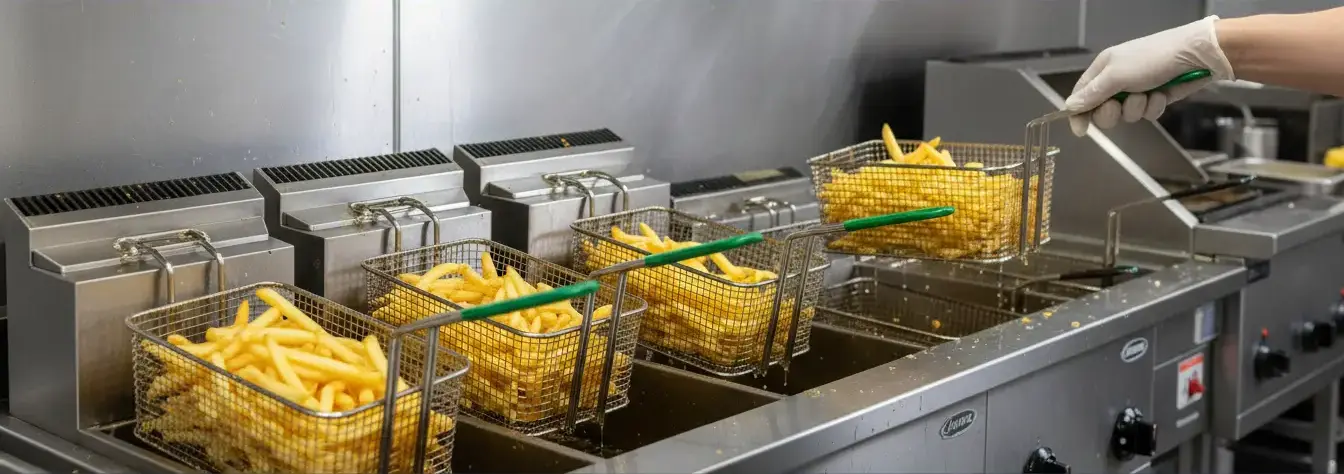
Find the Best Used Cooking Oil Collection Companies for Your Business
No obligation • Fast responses • Nationwide coverage

Why you can trust Restaurant Waste Disposal
Restaurant Waste Disposal is a leading U.S. resource for comparing restaurant composting, food-waste recycling, grease trap cleaning, and used cooking oil collection services. Our editorial team researches providers, checks credentials, and organizes unbiased information so operators can make informed decisions. Companies cannot pay to change ratings or placement.
Search providers near you
Top Used Cooking Oil Collection Companies in Minnetonka, Minnesota Ranked
For restaurants and food service establishments in Minnetonka, managing used cooking oil (UCO) is a critical operational and environmental responsibility. Proper grease collection and recycling not only ensure compliance with local and state regulations but also transform a waste product into valuable resources like biodiesel and animal feed. By partnering with a licensed hauler, businesses can streamline their waste management, enhance kitchen safety, and potentially offset costs. This guide outlines the essential steps for compliant disposal, efficient storage, and the recycling process specific to the Minnetonka area.
Understanding Local Regulations and Compliance
Navigating the legal requirements is the first step in establishing a compliant used cooking oil management program. In Minnesota, the Minnesota Pollution Control Agency (MPCA) sets forth clear guidelines, and the City of Minnetonka has its own ordinances that businesses must follow.
Key regulations include:
- No Drain Disposal: It is illegal to pour used cooking oil, grease, or fats down sinks, floor drains, storm drains, or into septic systems. This practice leads to severe sewer blockages, environmental contamination, and can result in significant fines.
- Use of Licensed Haulers: All used oil and related wastes must be transported by an MPCA-registered transporter. Using an unlicensed service puts your business at risk of non-compliance.
- Proper Documentation: Always obtain and retain a receipt or manifest from your hauler for each collection1. This documentation is your proof of proper disposal for regulatory audits.
- Solid Waste Separation: Solid food waste and grease should be containerized or bagged separately from other waste streams, as required by local solid waste ordinances2 3.
Adhering to these rules protects your business from penalties and contributes to the community's broader environmental health goals.
The Step-by-Step Process: From Fryer to Hauler
A systematic approach to handling used cooking oil ensures safety, efficiency, and oil quality, which can impact the value of your material.
1. Cooling and Preliminary Handling After cooking, allow the oil to cool completely to a safe temperature, ideally below 120°F. Before transferring the oil, scrape any large food particles or solid fats into your organic waste or garbage bin. This pre-filtration step helps maintain oil quality.
2. Secure Storage Solutions Never store used oil in makeshift containers. Professional haulers typically provide dedicated, leak-proof collection containers or tanks. These containers should have secure, locking lids. Locking containers are crucial not only for safety and spill prevention but also to deter theft, as used oil has value on the commodities market.
3. Designated Storage Area Place your collection container in a secure, well-ventilated area that is accessible for hauler trucks. Common locations include near a rear delivery door or in a designated waste corral. The area should have secondary containment, such as a spill pallet, to manage any potential leaks.
4. Scheduling and Collection Your service provider will establish a regular pickup schedule based on your volume-weekly, bi-weekly, or monthly. On collection day, a technician will pump the oil from your container into a specialized, closed-system truck, minimizing mess and odor4.
What Happens After Collection? The Recycling Journey
The used cooking oil collected from your kitchen embarks on a transformation process. Licensed collectors transport the oil to a processing facility where it undergoes several steps 5:
- Transportation: Oil is taken to a regional processing plant.
- Filtration and Cleaning: The oil is heated and filtered to remove water, food particles, and other impurities.
- Repurposing: The cleaned oil, now a commodity called "yellow grease," is primarily used as a feedstock for biodiesel production, a cleaner-burning renewable fuel. It can also be processed into ingredients for animal feed, cosmetics, and industrial lubricants6.
By recycling, your restaurant directly supports the circular economy and reduces reliance on fossil fuels.
Find the perfect used cooking oil collection companies for your needs
Get personalized recommendations and expert advice
Financial Considerations: Costs and Potential Revenue
The economics of used cooking oil collection in Minnetonka are not one-size-fits-all. The financial model often depends on the volume and quality of oil your establishment generates.
- Potential for Revenue: Restaurants that produce large volumes of high-quality, uncontaminated oil may receive a rebate or be paid for their oil. Payments can range from $0.10 to over $0.65 per gallon, depending on market prices for yellow grease 7. This revenue can effectively offset the cost of the collection service.
- Service Fees: For businesses with lower volume or oil that is heavily contaminated with water or food solids, the hauler may charge a collection fee. These fees can range from $0.10 to $0.40 per gallon8 9. Many providers offer free collection if the oil quality is good, making the service cost-neutral.
- Management Services: Some companies, like Restaurant Technologies, offer a full management solution where they install, maintain, and monitor automated oil systems. This model often involves a service fee but eliminates manual handling, reduces labor, and can improve oil quality for better resale value 10.
It's essential to discuss the specific pricing structure with potential providers to understand the net cost or benefit for your operation.
Selecting a Service Provider in the Minnetonka Area
Choosing the right partner is key. Look for an MPCA-licensed hauler with reliable service in the Twin Cities metro. Here are a few established providers that serve the Minneapolis area, including Minnetonka 11 12 13:
- Restaurant Technologies: Offers a comprehensive, automated used cooking oil management system designed to reduce manual labor and improve kitchen safety.
- Midwest Grease (Farmers Union Industries): Specializes in collecting UCO for conversion into biofuel and animal feed ingredients, and also offers grease trap cleaning services.
- Grand Natural Inc.: Operates a large network for yellow grease collection and recycling.
- Grease Hauler: A service that purchases used cooking oil from restaurants in the Twin Cities.
When evaluating providers, inquire about container provision, pickup reliability, safety protocols, and their transparency regarding pricing or payment for oil.
Best Practices for Restaurant Kitchen Safety
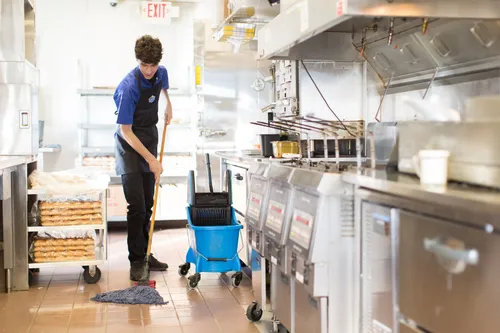
Proper UCO management is also a critical component of kitchen safety. Hot oil is a burn hazard, and spilled oil creates slip-and-fall risks. Always use appropriate personal protective equipment (PPE) like heat-resistant gloves and aprons when handling oil. Ensure storage containers are on a stable, level surface and are never overfilled. Implementing a clear, standardized procedure for all staff who handle oil is the best way to prevent accidents and ensure consistent, high-quality material for recycling.
Frequently asked questions
Sources
Footnotes
-
Used Oil and Related Wastes - Minnesota Pollution Control Agency - https://www.pca.state.mn.us/sites/default/files/w-hw4-30.pdf ↩
-
835.015. Preparation of Waste for Collection. - https://codelibrary.amlegal.com/codes/minnetonka/latest/minnetonka_mn/0-0-0-27439 ↩
-
Untitled - https://greenstep.pca.state.mn.us/sites/default/files/2019-08/Collection%20and%20Disposal%20of%20Solid%20Waste%20Ordinance.pdf ↩
-
Used Cooking Oil (UCO) Collection Service For Restaurants - https://thegreasecompany.com/blog/restaurant-used-cooking-oil-collection/ ↩
-
Used Cooking Oil Disposal & Recycling for Restaurants - https://www.rti-inc.com/cooking-oil-disposal/ ↩
-
How to Implement a Used Cooking Oil Recycling Program - FCS, Inc - https://www.fcs-inc.org/implement-a-used-cooking-oil-recycling-program/ ↩
-
Restaurant Used Cooking Oil Recycling & Disposal Guide - https://greaseconnections.com/restaurant-used-cooking-oil-disposal-recycling-revenue-guide/ ↩
-
Used Cooking Oil Disposal: Complete Guide to Grease Pickups - https://greaseconnections.com/used-cooking-oil-disposal-guide-grease-pickups/ ↩
-
Cooking Oil Recycling & Disposal Minneapolis - https://www.rti-inc.com/minneapolis/ ↩
-
Used Cooking Oil Pickup vs Drop-Off - GreasePros Recycling - https://www.greaseprosrecycling.com/used-cooking-oil-pickup-vs-drop-off/ ↩
-
Midwest Grease - Farmers Union Industries - https://fuillc.com/midwest-grease/ ↩
-
Used Cooking Oil Collection Minneapolis - Grand Natural Inc - https://www.grandnaturalinc.com/locations/used-cooking-oil-recycling-in-minneapolis.html ↩
-
Grease Hauler - https://www.greasehauler.com/ ↩