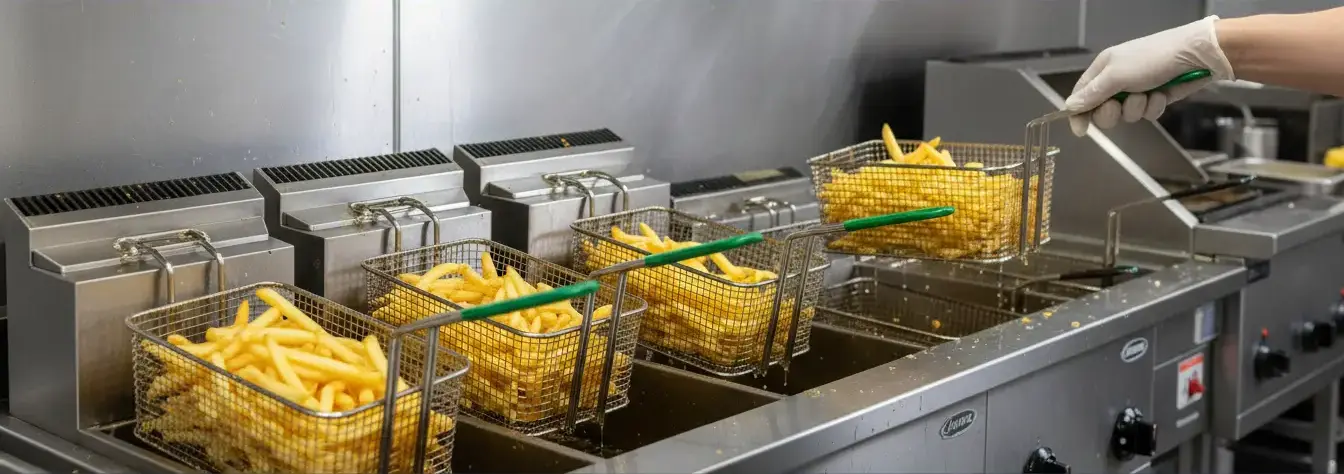
Find the Best Used Cooking Oil Collection Companies for Your Business
No obligation • Fast responses • Nationwide coverage

Why you can trust Restaurant Waste Disposal
Restaurant Waste Disposal is a leading U.S. resource for comparing restaurant composting, food-waste recycling, grease trap cleaning, and used cooking oil collection services. Our editorial team researches providers, checks credentials, and organizes unbiased information so operators can make informed decisions. Companies cannot pay to change ratings or placement.
Search providers near you
Top Used Cooking Oil Collection Companies in Edina, Minnesota Ranked
For restaurants in Edina, managing used cooking oil (UCO) is a critical operational and environmental responsibility. Proper grease collection and recycling are not only mandated by state and local regulations but also present an opportunity to contribute to the circular economy, turning a waste product into valuable biodiesel feedstock. This process requires partnering with licensed haulers who provide specialized containers and scheduled pickups, ensuring your oil is handled safely and repurposed responsibly. Navigating the specifics of storage protocols, potential costs, and revenue opportunities is key to establishing an efficient and compliant system for your kitchen's waste oil.
Successful UCO management hinges on understanding the rules, the recycling process, and the market dynamics that determine whether you pay for service or earn from your oil. This guide outlines the essential steps for Edina food service establishments to implement a compliant and potentially profitable used cooking oil program.
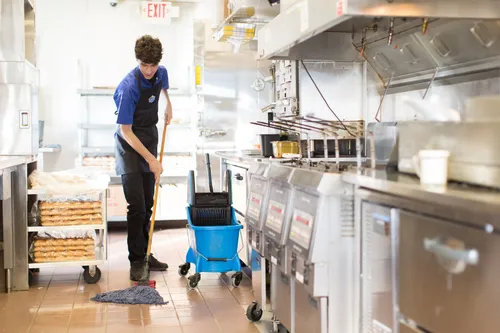
Local and State Regulations for Edina Restaurants
Adhering to regulations is the first and most important step in used cooking oil management. Minnesota, through the Pollution Control Agency (PCA), has specific rules to prevent environmental contamination and ensure safe handling.
- Never Pour Down Drains: It is illegal and highly damaging to pour grease, fats, or oils down sinks, floor drains, or into storm sewers. This practice leads to severe sewer blockages, costly backups, and environmental harm.
- Proper Storage Containers: Used oil must be stored in durable, sealed, and spill-proof containers. These are typically provided by your hauler. Containers should be stored outdoors in a secure area, like near a loading dock, with tight-fitting lids to prevent contamination from rainwater or debris.
- Cool Before Transferring: For safety and container integrity, always allow oil to cool below 120°F before transferring it from fryers to storage containers. This prevents burns to staff and damage to plastic storage bins.
- Minimize Contamination: The value of your used oil for recycling is directly tied to its purity. Keep food solids and water out of the oil. Clean oil is more efficiently processed into biodiesel and commands a better price from recyclers.
- Hauler Regulations: Transporters handling over 10,000 gallons of used oil per month are subject to specific state discharge preparedness rules, but all licensed haulers must follow proper transport protocols 1 2.
How Used Cooking Oil Collection and Recycling Works
Understanding the journey of your used oil from fryer to fuel demystifies the process and highlights its environmental benefits.
- On-Site Collection System: Your restaurant uses designated, specialized containers for cooled used oil. A licensed hauler will provide and maintain these containers, which are designed for easy filling and secure transport.
- Scheduled Hauler Pickup: Your contracted used cooking oil collector will arrive on a pre-arranged schedule-weekly, bi-weekly, or monthly-to pump or swap out your full containers. Reliability and clean service are hallmarks of a good provider.
- Processing into Biofuel: The collected oil is transported to a recycling facility. There, it undergoes filtration and processing to remove impurities. The end product is a clean feedstock for biodiesel production, a renewable fuel that powers vehicles and heats buildings.
- Integrated Services: Many grease collection companies also offer grease trap cleaning services. Coordinating both services with a single provider can simplify scheduling, ensure compliance, and potentially reduce overall costs 3.
Financial Considerations: Costs and Potential Revenue
The economics of used cooking oil collection in Edina are not one-size-fits-all. They are primarily driven by the volume and quality of oil your restaurant generates.
- Low Volume Producers (Under 40 gallons/month): If your establishment uses little frying oil, you will typically pay a service fee. This fee, which can range from $30 to $50 per month, covers the cost of equipment rental, maintenance, and pickup. The hauler's revenue comes from aggregating and selling the oil in bulk 4.
- Medium Volume Producers (40-300 gallons/month): At this level, service often becomes free. Some haulers may even offer a small rebate or payment, typically in the range of $0.10 to $0.25 per gallon. Your consistent volume makes you a reliable supplier for their recycling stream.
- High Volume Producers (Over 300 gallons/month): High-output kitchens, like those in large restaurants or dedicated fry-centric establishments, can generate significant revenue. Payments can range from $0.25 to $0.65 or more per gallon, depending on market prices and the cleanliness of your oil. This turns a waste stream into a modest income source 5 6 7.
It's crucial to scrutinize "free" pickup offers. Some may have hidden costs, less reliable service, or may not provide high-quality, leak-proof containers, which can lead to messes and violations. Always get a clear contract detailing services, equipment provided, and payment terms.
Find the perfect used cooking oil collection companies for your needs
Get personalized recommendations and expert advice
Key Actions for Edina Restaurant Managers and Owners
Implementing a smooth and compliant used oil program requires proactive management. Here are the essential steps to take.
- Research and Contact Private Haulers: The City of Edina's residential organics program does not handle commercial used cooking oil. You must contract with a private service provider. Research local and regional companies, read reviews, and obtain multiple quotes. Look for providers with a strong reputation for reliability, clean service, and clear communication.
- Implement Staff Training Protocols: Safety and oil quality start with your team. Train all kitchen staff on the proper procedures for cooling oil, transferring it to storage containers without spilling, and keeping contaminants out. Clear, posted instructions can help maintain consistency 8.
- Prioritize Oil Quality Management: Actively monitor your oil storage. Ensure lids are always secured after use and that containers are not overfilled. The cleaner you keep your oil, the more valuable it is, maximizing any potential rebate or revenue and ensuring a smooth recycling process.
- Maintain Records and Schedules: Keep a log of pickup dates and quantities collected. This helps you track your volume (which determines your cost/revenue bracket) and ensures your hauler is adhering to the agreed schedule. Good record-keeping is also helpful for any regulatory inquiries.
The Environmental and Community Impact
Choosing professional used cooking oil recycling extends benefits far beyond your kitchen's back door. By ensuring your oil is converted into biodiesel, you are directly supporting renewable energy production and reducing dependence on fossil fuels. Biodiesel burns cleaner than petroleum diesel, resulting in lower greenhouse gas emissions and better air quality for the Twin Cities metro area, including Edina 9.
Furthermore, responsible disposal protects Edina's local infrastructure. Preventing fats, oils, and grease (FOG) from entering the sewer system avoids costly clogs and overflows at municipal treatment facilities, which can lead to environmental incidents and higher utility costs for the community. Your restaurant's diligent practices contribute to the city's overall sustainability goals and environmental health 10 11.
Frequently asked questions
Sources
Footnotes
-
7045.0865 standards for used oil transporters and transfer facilities. - https://www.revisor.mn.gov/rules/7045.0865/ ↩
-
Used Oil and Related Wastes - Minnesota Pollution Control Agency - https://www.pca.state.mn.us/sites/default/files/w-hw4-30.pdf ↩
-
Used Oil Pickup Florida: What Restaurants Should Know - https://www.greaseprosrecycling.com/used-oil-pickup-florida/ ↩
-
Why "Free" Used Cooking Oil Collection Can Cost More Than Paid ... - https://greaseconnections.com/free-used-oil-pickup-cost-trap/ ↩
-
Used Cooking Oil Pricing & Business Guide - Grease Connections - https://greaseconnections.com/used-cooking-oil-pricing-guide/ ↩
-
Restaurant Used Cooking Oil Recycling & Disposal Guide - https://greaseconnections.com/restaurant-used-cooking-oil-disposal-recycling-revenue-guide/ ↩
-
Do you get paid for used cooking oil? : r/cookingoilrecycling - Reddit - https://www.reddit.com/r/cookingoilrecycling/comments/1kvlxl5/do_you_get_paid_for_used_cooking_oil/ ↩
-
Used Cooking Oil Pickup vs Drop-Off - GreasePros Recycling - https://www.greaseprosrecycling.com/used-cooking-oil-pickup-vs-drop-off/ ↩
-
What Happens To The Used Cooking Oil Once It Leaves Your ... - https://www.grandnatural.com/blog/what-happens-to-the-used-cooking-oil-once-it-leaves-your-restaurant.html ↩
-
Used Cooking Oil Disposal: Complete Guide to Grease Pickups - https://greaseconnections.com/used-cooking-oil-disposal-guide-grease-pickups/ ↩
-
Recycling Tips for Cooking Oil Disposal in Food Courts - https://nwbiofuel.com/blog/used-cooking-oil-disposal-for-food-courts-responsible-recycling-tips/ ↩