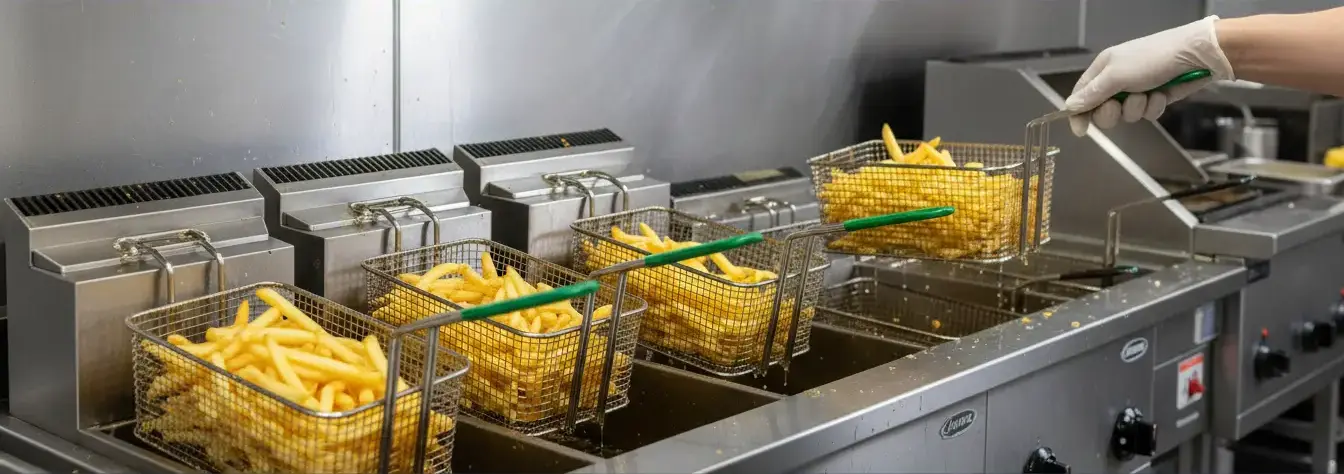
Find the Best Used Cooking Oil Collection Companies for Your Business
No obligation • Fast responses • Nationwide coverage

Why you can trust Restaurant Waste Disposal
Restaurant Waste Disposal is a leading U.S. resource for comparing restaurant composting, food-waste recycling, grease trap cleaning, and used cooking oil collection services. Our editorial team researches providers, checks credentials, and organizes unbiased information so operators can make informed decisions. Companies cannot pay to change ratings or placement.
Search providers near you
Top Used Cooking Oil Collection Companies in Bloomington, Minnesota Ranked
For restaurants and food service establishments in Bloomington, managing used cooking oil is more than just a routine cleanup task-it's a critical component of environmental compliance and operational efficiency. The City of Bloomington and Hennepin County enforce strict Best Management Practices (BMPs) for Fats, Oils, and Grease (FOG) to protect the local sewer system and water quality. Proper grease trap maintenance and used oil recycling involve secure, contained storage and partnering with licensed collection services that transform waste into valuable products like biodiesel. This guide outlines the essential steps, benefits, and local regulations for effective used cooking oil management in Bloomington.

Understanding Local FOG Regulations and BMPs
Compliance begins with understanding the local framework. Bloomington restaurants must adhere to specific pretreatment standards designed to prevent FOG from entering the sanitary sewer system. These regulations are not just bureaucratic hurdles; they are vital for preventing costly blockages, sewer overflows, and environmental contamination. The Minnesota Pollution Control Agency (MPCA) and the Minnesota Department of Transportation (MnDOT) provide additional guidelines for the safe handling and storage of used oil and related wastes 1.
Key elements of Bloomington's BMPs often include:
- Secured Storage: Used cooking oil must be stored in leak-proof, clearly labeled containers (marked "USED OIL") with secure lids or bungs.
- Indoor Containment: Whenever possible, storage containers should be kept indoors. If stored outdoors or in areas with potential for spills, secondary containment-such as a berm, dike, or spill pan-is required to catch any leaks.
- Waste Segregation: It is crucial to keep used vegetable oils separate from solvents, chemicals, and other hazardous wastes. Mixing can create a hazardous waste stream, complicating disposal and increasing costs2 3.
- Employee Training: Staff should be trained on safe handling procedures, especially when dealing with hot oil, including the use of personal protective equipment (PPE) like heat-resistant gloves and aprons.
The Step-by-Step Process for Oil Collection and Recycling
Establishing a reliable system for grease collection and recycling involves a clear, repeatable process. Following these steps ensures safety, compliance, and maximizes the value of your used oil.
- Cool and Scrape: Always allow cooking oil to cool to a safe temperature (typically below 120°F) before handling. For griddles and flat tops, scrape congealed fats and grease into your designated collection container.
- Use Designated Containers: Transfer the cooled oil into a secure, dedicated storage bin or barrel provided by your collection service. The size should match your establishment's weekly volume to avoid overflows.
- Schedule Regular Pickups: Contact a licensed used cooking oil (UCO) collector to establish a pickup schedule. Frequency depends on your oil usage, ranging from weekly to monthly.
- Professional Collection: On service day, the collector will pump the oil from your storage container into their specialized tanker truck. Reputable providers handle this cleanly and efficiently.
- Recycling into New Products: The collected oil is transported to a processing facility where it is cleaned and converted into renewable resources. The primary product is biodiesel, a cleaner-burning alternative fuel, but it can also be used in animal feed supplements, soaps, and industrial lubricants 4.
- Maintain Documentation: Always obtain and file a receipt or manifest from the collector after each pickup. This documentation is essential for proving regulatory compliance during inspections.
Find the perfect used cooking oil collection companies for your needs
Get personalized recommendations and expert advice
Financial Considerations: Cost vs. Potential Revenue
The economics of used cooking oil disposal in Bloomington can vary significantly based on your volume and oil quality. Understanding this can turn a cost center into a potential revenue stream.
- Low-Volume Generators: For smaller restaurants or those that use less oil, collection services are often provided for free. The collector supplies the storage bin and handles pickup at no charge, as their profit comes from recycling the material5.
- High-Volume Generators: Establishments that generate significant quantities of high-quality, uncontaminated used oil may qualify for a rebate program. The collector may pay you for your oil, as it is a valuable feedstock for biodiesel production. Payment rates can fluctuate with commodity markets but have historically ranged from $0.10 to $0.65 per gallon6 7. This can offset other waste management costs or even become a minor profit center.
- Cost Factors: If a fee is involved, it will depend on your pickup frequency, the volume collected, the accessibility of your storage container, and the quality of the oil (clean, uncontaminated oil is more valuable).
Key Benefits of Professional UCO Collection
Partnering with a professional grease collection service offers advantages beyond mere compliance.
- Prevents Costly Plumbing Issues: The number one benefit for any restaurant is preventing FOG from clogging internal pipes and the public sewer system. This avoids expensive emergency plumbing repairs and potential fines from sewer backups 8.
- Enhances Sustainability Efforts: Recycling used oil into biodiesel reduces reliance on fossil fuels and lowers greenhouse gas emissions. It's a tangible way for Bloomington businesses to demonstrate environmental stewardship.
- Ensures Regulatory Compliance: Professional services help you navigate local BMPs and state regulations. Proper documentation from your collector simplifies compliance reporting and protects your business during inspections 9.
- Improves Safety and Cleanliness: Secure, professional containers and regular pickups minimize the risk of slips, falls, and pest attraction associated with improperly stored grease.
Choosing a Service Provider in Bloomington
When selecting a used cooking oil collector, due diligence is important. Look for a provider that is fully licensed and insured to operate in Minnesota. They should offer containers that meet local BMP requirements for security and spill containment. Evaluate their service reliability and flexibility to accommodate your kitchen's schedule. Finally, seek transparency in their pricing or rebate structure and ensure they provide detailed documentation for every pickup for your records.
Frequently asked questions
Sources
Footnotes
-
Used Oil Management - Regulated Material Management - MnDOT - https://www.dot.state.mn.us/environment/regulatedmaterials/guidance/used-oil.html ↩
-
Used Oil and Related Wastes - Minnesota Pollution Control Agency - https://www.pca.state.mn.us/sites/default/files/w-hw4-30.pdf ↩
-
Restaurant Oil Disposal: Explained - Eazy Grease - https://eazygrease.com/how-do-restaurants-get-rid-of-their-oil/ ↩
-
Used Cooking Oil (UCO) Collection Service For Restaurants - https://thegreasecompany.com/blog/restaurant-used-cooking-oil-collection/ ↩
-
Grease Collection Service: What is it - Grand Natural Inc - https://www.grandnaturalinc.com/blog/what-is-grease-collection-service.html ↩
-
How Recycling Used Cooking Oil Can Save Restaurants ... - https://www.wric.com/business/press-releases/ein-presswire/864508472/how-recycling-used-cooking-oil-can-save-restaurants-money-and-enhance-sustainability-efforts ↩
-
Restaurant Used Cooking Oil Recycling & Disposal Guide - https://greaseconnections.com/restaurant-used-cooking-oil-disposal-recycling-revenue-guide/ ↩
-
Standard for Pretreatment of Sanitary Waste Effluent Containing Fats ... - https://www.bloomingtonmn.gov/sites/default/files/media/handouts-util-pretreatment.pdf ↩
-
Used Cooking Oil Disposal: Complete Guide to Grease Pickups - https://greaseconnections.com/used-cooking-oil-disposal-guide-grease-pickups/ ↩