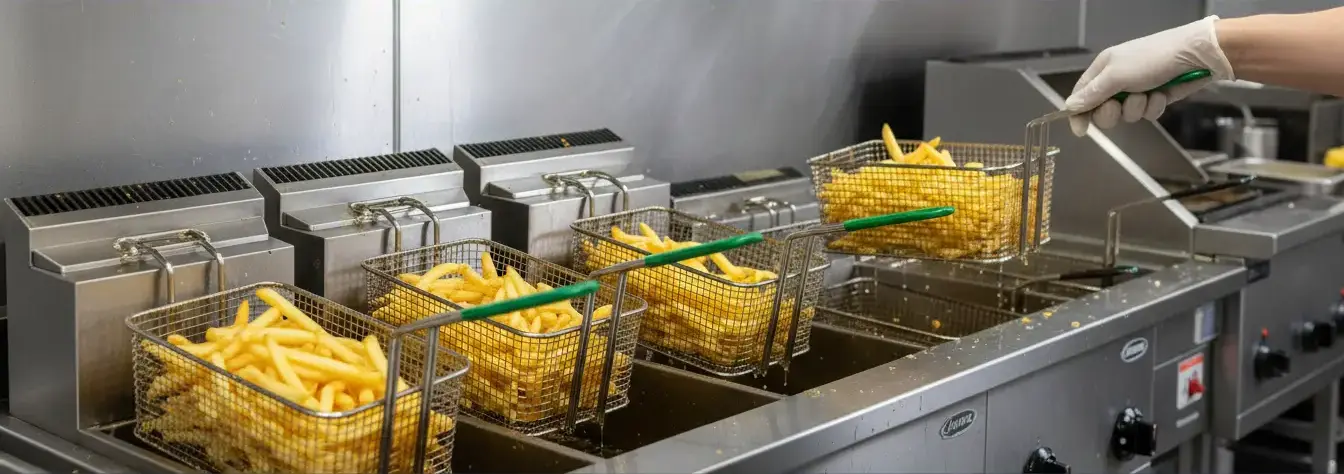
Find the Best Used Cooking Oil Collection Companies for Your Business
No obligation • Fast responses • Nationwide coverage

Why you can trust Restaurant Waste Disposal
Restaurant Waste Disposal is a leading U.S. resource for comparing restaurant composting, food-waste recycling, grease trap cleaning, and used cooking oil collection services. Our editorial team researches providers, checks credentials, and organizes unbiased information so operators can make informed decisions. Companies cannot pay to change ratings or placement.
Search providers near you
Top Used Cooking Oil Collection Companies in Blaine, Minnesota Ranked
For restaurants and food service establishments in Blaine, managing used cooking oil is more than just a routine cleanup task-it's a regulated component of environmental stewardship and operational efficiency. Proper grease and oil recycling is mandated by local ordinances and offers a pathway to sustainability, potential revenue, and simplified waste management. By partnering with a licensed hauler, Blaine businesses can transform a waste product into valuable commodities like biodiesel, ensuring compliance, protecting plumbing infrastructure, and contributing to a circular economy. This guide outlines the essential steps, local regulations, and benefits of establishing a reliable used cooking oil collection system.
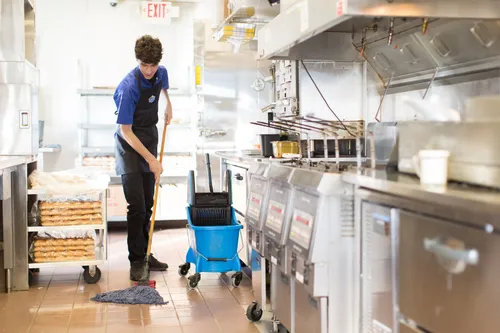
Understanding Blaine's FOG Ordinance
The City of Blaine enforces a FOG (Fats, Oils, and Greases) ordinance designed to protect the municipal sewer system from blockages and overflows. This regulation directly impacts any food service establishment that uses grease control devices, such as grease traps or interceptors. Compliance is not optional; it's a legal requirement for operating your business responsibly within the city.
Key requirements under the Blaine FOG ordinance include:
- Maintenance Logs: Establishments must maintain detailed records of all grease control device cleaning, maintenance, and pumping for a minimum of three years 1. These logs must be available for inspection by city officials.
- Licensed Haulers: All grease trap waste and used cooking oil must be collected and transported by a licensed, insured hauler. Using unlicensed services can result in violations, fines, and environmental damage.
- Proper Disposal: Haulers must provide documentation, often called a manifest or receipt, proving that the collected FOG was transported to a licensed processing or recycling facility. This creates a legal chain of custody for your waste stream.
Adhering to these rules prevents costly sewer backups, avoids significant fines, and supports the city's infrastructure. It also ensures your grease recycling process is documented and defensible.
The Step-by-Step Collection and Recycling Process
A streamlined used cooking oil collection program involves several consistent stages, from your fryer to its new life as a recycled product. Understanding this journey can help you optimize your on-site procedures.
1. On-Site Filtering and Storage After use, cooking oil should be allowed to cool and then be filtered to remove food particles and water. This step is crucial for maintaining oil quality for recycling and preventing contamination in your storage container. The filtered oil is then transferred into a dedicated, durable collection bin provided by your hauler.
2. Secure Container Placement Your service provider will typically supply a collection container at no charge. These bins are designed to be spill-proof, airtight, and durable, and come in various sizes (commonly from 40 to over 300 gallons) to match your volume. They can be placed in a secure outdoor location or, in some cases, indoors for convenience and to prevent freezing in Minnesota winters.
3. Scheduled Pickup by Licensed Hauler Based on your oil production volume, your hauler will establish a regular pickup schedule-weekly, bi-weekly, or monthly 2. A licensed professional will arrive, pump the oil from your container into a specialized truck, and leave you with an empty, clean bin ready for use.
4. Transportation and Processing The collected oil is transported to a processing facility. Here, it undergoes further purification and is transformed into raw materials for various industries. The primary end product is biodiesel, a renewable fuel. It can also be processed into ingredients for animal feed, soaps, and industrial lubricants.
5. Receipt of Documentation Upon each pickup, you should receive a manifest or receipt from the hauler 3. This document is your proof of proper, legal disposal and is a critical record for your FOG ordinance compliance file. It details the date, volume collected, and the hauler's information.
Find the perfect used cooking oil collection companies for your needs
Get personalized recommendations and expert advice
Choosing a Service Provider in Blaine
Selecting the right partner for your used cooking oil collection is vital for compliance and operational smoothness. Look for providers that are explicitly licensed to operate in Blaine and Anoka County. You can find vetted companies through resources like the Anoka County recycling directory or the City of Blaine's own FOG program information 4 5.
When evaluating providers, consider these factors:
- Licensing and Insurance: Always verify that the hauler holds current state and local licenses and carries adequate insurance.
- Service Flexibility: Ensure they offer a pickup schedule that matches your kitchen's output to avoid overflows.
- Container Options: Discuss container sizes and placement (indoor vs. outdoor) to find the best fit for your space and safety needs.
- Transparency: A reputable company will clearly explain their process, provide all necessary compliance documentation, and outline any financial terms.
Financial Considerations: Cost vs. Potential Revenue
The economics of used cooking oil collection in Blaine can be favorable for many restaurants. A common model is free pickup for establishments that generate a sufficient volume of oil, often starting around 40 gallons per collection cycle 6. The service provider covers the cost of collection and transportation because the recycled oil has inherent value to them.
For restaurants with very high volume output-for example, those producing over 100 gallons regularly-some haulers offer rebate or payment programs7 8. Payment rates can vary based on market prices for recycled oil and grease but may range from $0.10 to over $0.65 per gallon 9. This transforms a waste product into a minor revenue stream. It's important to discuss these potential arrangements directly with service providers, as terms can differ.
Benefits Beyond Compliance
While adhering to the FOG ordinance is the primary driver, establishing a professional used cooking oil collection program offers several additional advantages:
- Enhanced Sustainability: Recycling oil into biodiesel significantly reduces greenhouse gas emissions compared to fossil fuels, bolstering your restaurant's environmental credentials 10.
- Improved Safety and Cleanliness: Professional containers and regular pickups eliminate the hazards of storing hot oil in makeshift containers, reducing slip, fire, and pest risks in and around your facility 11.
- Operational Efficiency: Outsourcing this messy and time-consuming task to experts allows your kitchen staff to focus on food preparation and customer service.
- Protection of Plumbing: Proper oil removal is the first line of defense against clogged drains and costly plumbing emergencies 12.
By implementing a systematic approach to used cooking oil, Blaine restaurants can achieve regulatory compliance, realize potential financial benefits, and operate as more sustainable and efficient businesses.
Frequently asked questions
Sources
Footnotes
-
FOG Ordinance (Fats, Oils, and Greases) - Blaine, MN - https://www.blainemn.gov/2820/FOG-Ordinance-Fats-Oils-and-Greases ↩
-
Used Cooking Oil Pickup vs Drop-Off - GreasePros Recycling - https://www.greaseprosrecycling.com/used-cooking-oil-pickup-vs-drop-off/ ↩
-
How Recycling Used Cooking Oil Can Save Restaurants ... - https://www.wric.com/business/press-releases/ein-presswire/864508472/how-recycling-used-cooking-oil-can-save-restaurants-money-and-enhance-sustainability-efforts ↩
-
Restaurant Grease Pickup & Commercial Cooking Oil Recycling - https://www.mahoneyes.com/services/ ↩
-
How to dispose of or recycle Cooking oil - https://www.anokacountymn.gov/1653/Search-the-Recycling-and-Disposal-Direct#!rc-cpage=266130 ↩
-
Grease Collection Service: What is it - https://www.grandnaturalinc.com/blog/what-is-grease-collection-service.html ↩
-
Used Cooking Oil Disposal: Complete Guide to Grease Pickups - https://greaseconnections.com/used-cooking-oil-disposal-guide-grease-pickups/ ↩
-
Used Cooking Oil Collection Minneapolis | Grand Natural Inc - https://www.grandnaturalinc.com/locations/used-cooking-oil-recycling-in-minneapolis.html ↩
-
Restaurant Used Cooking Oil: Disposal, Recycling & Revenue Guide - https://greaseconnections.com/restaurant-used-cooking-oil-disposal-recycling-revenue-guide/ ↩
-
The Benefits of Proper Used Cooking Oil Collection and Recycling - https://www.greasecollection.com/blog/benefits-of-used-cooking-oil-collection-recycling/ ↩
-
Recycling Tips for Cooking Oil Disposal in Food Courts - NW Biofuel - https://nwbiofuel.com/blog/used-cooking-oil-disposal-for-food-courts-responsible-recycling-tips/ ↩
-
Used Cooking Oil (UCO) Collection Service For Restaurants - https://thegreasecompany.com/blog/restaurant-used-cooking-oil-collection/ ↩