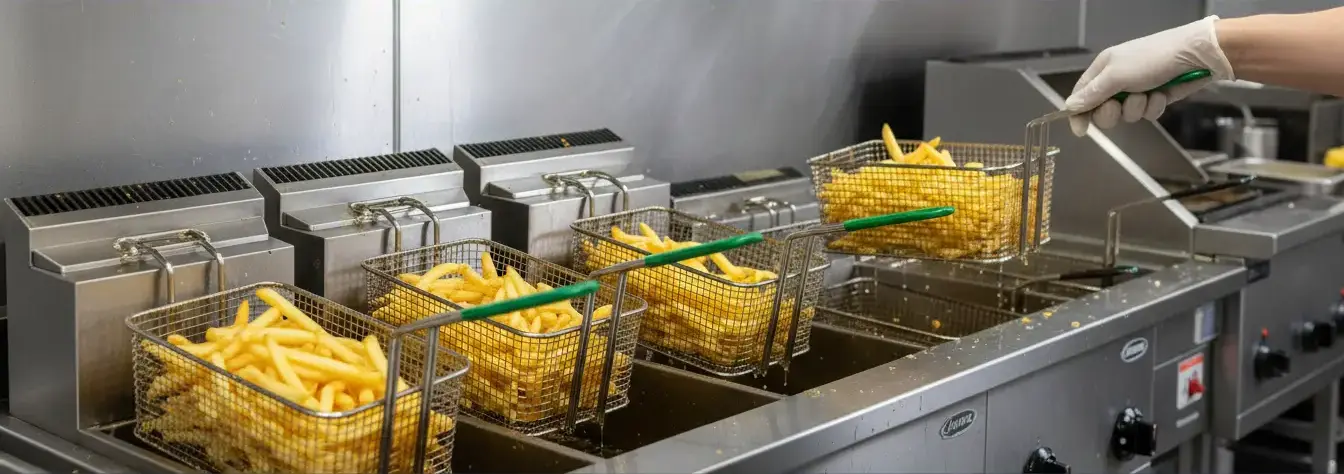
Find the Best Used Cooking Oil Collection Companies for Your Business
No obligation • Fast responses • Nationwide coverage

Why you can trust Restaurant Waste Disposal
Restaurant Waste Disposal is a leading U.S. resource for comparing restaurant composting, food-waste recycling, grease trap cleaning, and used cooking oil collection services. Our editorial team researches providers, checks credentials, and organizes unbiased information so operators can make informed decisions. Companies cannot pay to change ratings or placement.
Search providers near you
Top Used Cooking Oil Collection Companies in Bossier City, Louisiana Ranked
For restaurants and food service establishments in Bossier City, managing used cooking oil (UCO) is a critical operational and environmental responsibility. Properly collecting and recycling this waste product is not just about cleanliness; it's a key component of compliance with local and state regulations designed to protect the sewer system. By partnering with a professional grease collection service, businesses can transform a waste liability into a resource, contributing to the production of biofuels like biodiesel while avoiding potential fines and plumbing disasters. This guide outlines the essential steps for compliant UCO management, from local rules to selecting a service provider.
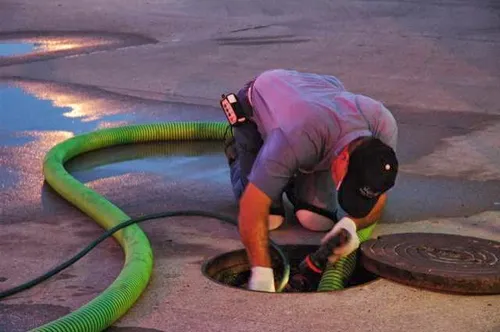
Understanding Local Fats, Oils, and Grease (FOG) Regulations
Bossier City, like many municipalities, has strict rules to prevent fats, oils, and grease from entering the public sewer system. The discharge of FOG into the Publicly Owned Treatment Works (POTW) is illegal, as it is a primary cause of sewer blockages, backups, and costly maintenance issues 1 2. Louisiana state law further mandates the proper recycling of used oil to prevent environmental harm, underscoring the importance of compliant disposal 3 4. Compliance isn't optional; it's a legal requirement for food service operations. The cornerstone of these regulations is the prohibition of pouring used fryer oil, greasy wastewater, or food scraps down any drain. Enforcement of these rules helps maintain the city's infrastructure and protects local waterways from pollution.
Key Compliance Requirements:
- Use Licensed Haulers: Businesses must contract with waste oil collection companies that hold proper state and local licensing for transporting and recycling used cooking oil.
- No Sewer Discharge: Knowingly introducing FOG into the sewer system is a violation that can result in significant fines.
- Secure Storage: Collected oil must be stored in approved, secure containers to prevent spills, theft, and contamination before pickup.
Best Practices for On-Site Oil Storage and Handling
Effective grease management starts in your kitchen. Proper handling and storage are vital for safety, maintaining oil quality for recycling, and ensuring smooth service from your collection provider.
Cooling and Transfer: Always allow cooking oil to cool to a safe temperature (below 120°F is a common guideline) before transferring it from fryers to storage containers. This minimizes burn risks and prevents damage to storage bins.
Choosing the Right Containers: Professional collection services typically provide dedicated, airtight containers. These are crucial for preventing contamination from water or food particles, which can degrade the oil's value for recycling. Containers are usually made of durable plastic or metal and come in various sizes, from 40-55 gallon drums for indoor use to larger 110-300 gallon outdoor collection bins.
Secure Storage Locations:
- Indoor Storage: Place smaller containers in a well-ventilated, designated area like a storage room or back kitchen corner, away from food prep zones and heat sources.
- Outdoor Storage: Larger, lockable outdoor bins should be positioned on a stable, paved surface near a back delivery door for easy access by both staff and collection drivers. Locks are essential to prevent unauthorized dumping or theft of oil, which has become a valuable commodity.
Integrated Grease Management: Remember that used cooking oil collection is one part of a complete FOG management program. It works in tandem with regular grease trap cleaning to ensure all grease waste from your operation is captured and handled properly, providing total compliance.
The Grease Recycling Process: From Collection to Biofuel
Engaging a professional service streamlines the entire process of waste oil disposal. Here's how it typically works from start to finish:
- Service Assessment: You contact a local provider (such as Grand Natural or Grease Connections). They will assess your establishment's oil usage volume and frequency to recommend a suitable service schedule and container size.
- Container Placement: The provider delivers and places the appropriate locked storage containers-often at no upfront cost-and provides guidance on proper use 5 6.
- Scheduled Pickups: Based on your needs, the company establishes a regular pickup schedule (weekly, bi-weekly, or monthly). A trained technician arrives, services your container, and leaves a clean, empty one if necessary 7.
- Transportation & Recycling: The collected UCO is transported to a processing facility. There, it is cleaned and refined to become a valuable feedstock. The primary end product is biodiesel, a renewable, cleaner-burning fuel alternative. It can also be used in the production of animal feed, cosmetics, and other industrial products, ensuring it is diverted from landfills 8 9.
This circular economy model turns a waste product into a resource, reducing environmental impact and fossil fuel dependence.
Find the perfect used cooking oil collection companies for your needs
Get personalized recommendations and expert advice
Financial Considerations: Costs, Rebates, and Value
Managing used cooking oil involves costs, but it can also present opportunities for revenue or cost-offsetting, depending on your volume and oil quality.
Understanding Service Fees: Most collection services charge a fee for pickup and recycling. For a small restaurant, monthly fees might range from $60 to $120. A medium-sized establishment with higher volume might see fees between $150 and $300 per month. These fees cover the logistics of collection, transportation, and processing.
Potential for Rebates: High-quality, uncontaminated used cooking oil is valuable to recyclers. Many providers offer rebate programs based on the volume and quality of oil you generate. Rebates can range from $0.10 to $0.65 per gallon 10. For a restaurant that goes through significant oil, these rebates can substantially offset the monthly service fee.
Net Cost Analysis: When rebates are applied, the net cost of UCO collection can be quite manageable. For example, a medium-volume business might have a gross service fee of $300 per month but receive a $140 rebate, resulting in a net cost of around $160 11. In some cases with high-volume, high-quality oil, the rebate may even cover the entire service cost. It's important to discuss pricing structures, potential rebates, and contract terms transparently with any service provider.
Selecting a Local Used Cooking Oil Collection Service in Bossier City
Choosing the right partner is crucial for reliable, compliant service. Here are key factors to consider and some providers known to operate in the area:
What to Look For in a Provider:
- Proper Licensing: Verify the company holds all required Louisiana state and local licenses for waste oil transportation.
- Service Reliability: Look for a provider with a reputation for consistent, on-time pickups.
- Container Quality: Ensure they provide sturdy, lockable, and clean containers appropriate for your space.
- Transparent Pricing: Understand all fees and the structure of any potential rebate program.
- Environmental Commitment: Choose a company that clearly recycles the oil into biodiesel or other sustainable products.
Local Service Examples: Research and contact providers to get quotes tailored to your business. Companies like Grand Natural offer services in Bossier City, providing free containers and scheduled pickups. Grease Connections is another example of a service that guides restaurants through the recycling process and how to maximize the value of their oil. Always confirm current service areas and offerings directly with the provider.
By establishing a professional used cooking oil collection system, Bossier City restaurants achieve more than just regulatory compliance. They contribute to a greener local economy, reduce their environmental footprint, and can turn a routine waste stream into a modest revenue source or a cost-effective operational necessity.
Frequently asked questions
Sources
Footnotes
-
Discover Louisiana's Waste Oil Laws - EnergyLogic - https://energylogic.com/louisiana-waste-oil-regulations-you-should-know/ ↩
-
proceedings of the city council of bossier city - https://www.bossiercity.org/AgendaCenter/ViewFile/Minutes/_06192018-182 ↩
-
Cooking Oil Collection & Grease Recycling Service - https://thegreasecompany.com/oilcollection.html ↩
-
Louisiana Revised Statutes § 30:30:2417 - Used oil; collection ... - https://law.justia.com/codes/louisiana/revised-statutes/title-30/rs-30-2417/ ↩
-
Used Cooking Oil Pickup and Recycling Services in Bossier City - https://www.grandnatural.com/locations/used-cooking-oil-recycling-in-bossier-city.html ↩
-
Used Cooking Oil Disposal: Complete Guide to Grease Pickups - https://greaseconnections.com/used-cooking-oil-disposal-guide-grease-pickups/ ↩
-
Grease Collection Service: What is it - Grand Natural Inc - https://www.grandnaturalinc.com/blog/what-is-grease-collection-service.html ↩
-
Restaurant Oil Disposal: Explained - Eazy Grease - https://eazygrease.com/how-do-restaurants-get-rid-of-their-oil/ ↩
-
Used Cooking Oil (UCO) Collection Service For Restaurants - https://thegreasecompany.com/blog/restaurant-used-cooking-oil-collection/ ↩
-
Restaurant Used Cooking Oil Recycling & Disposal Guide - https://greaseconnections.com/restaurant-used-cooking-oil-disposal-recycling-revenue-guide/ ↩
-
Used Cooking Oil Pickup vs Drop-Off - GreasePros Recycling - https://www.greaseprosrecycling.com/used-cooking-oil-pickup-vs-drop-off/ ↩