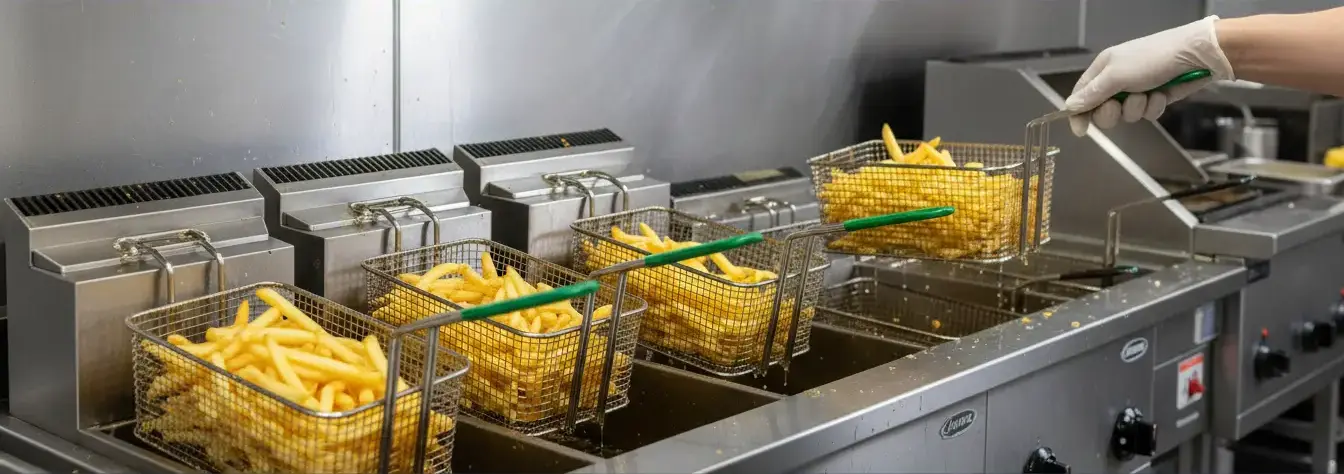
Find the Best Used Cooking Oil Collection Companies for Your Business
No obligation • Fast responses • Nationwide coverage

Why you can trust Restaurant Waste Disposal
Restaurant Waste Disposal is a leading U.S. resource for comparing restaurant composting, food-waste recycling, grease trap cleaning, and used cooking oil collection services. Our editorial team researches providers, checks credentials, and organizes unbiased information so operators can make informed decisions. Companies cannot pay to change ratings or placement.
Search providers near you
Best Used Cooking Oil Collection Companies in Louisiana Ranked
For Louisiana restaurants, proper management of used cooking oil (UCO) is a critical operational and environmental responsibility. State regulations strictly govern how this material must be handled, stored, and collected to protect public health and Louisiana's unique ecosystems. Non-compliance can lead to significant penalties, while proper management can even become a source of revenue. This guide outlines the essential rules, best practices, and economic considerations for UCO collection in the Pelican State.
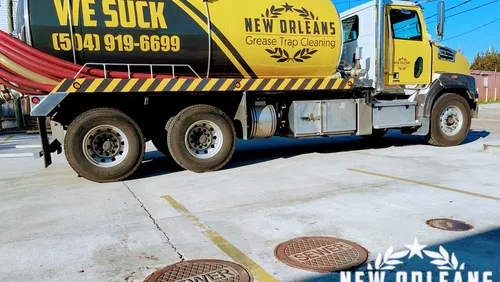
New Orleans Grease Trap Cleaning
New Orleans, LA
New Orleans Grease Trap Cleaning provides grease trap cleaning, used cooking oil recycling, and liquid waste disposal services in New Orleans, LA, and the greater Southeast Louisiana area. Their offerings include grease trap pumping, interior scraping, washout, and inspection of inlet and outlet pipes. They also provide a complimentary annual FOG 16.5 inspection report required by the Sewerage and Water Board of New Orleans. The company can service grease traps of any size or location and refers customers to licensed plumbers and specialized providers for repairs, drain cleaning, and water jetting. New Orleans Grease Trap Cleaning operates with 24/7 support and is locally owned.
Cooking Oil Solutions, LLC
90 Glen Ct, Pearl River, LA 70452
Cooking Oil Solutions, LLC provides used cooking oil collection services in New Orleans, LA. They specialize in eco-friendly disposal and recycling of used cooking oil for businesses. The company has experience serving clients for over a year, focusing on convenient and responsible oil management.
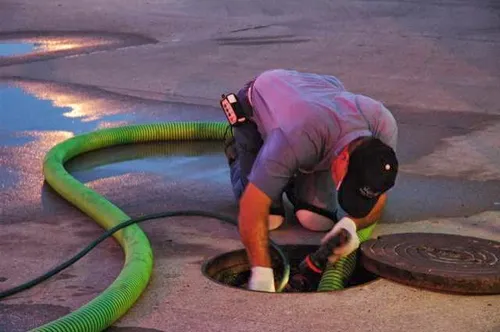
Liquid Environmental Solutions
437 Fortson St, Shreveport, LA 71107
Liquid Environmental Solutions is a non-hazardous liquid waste management company based in Shreveport, LA. They provide services such as used cooking oil collection, grease trap and interceptor cleaning, oil water separator and grit trap cleaning, and wastewater disposal. The company serves industries including restaurants, grocery stores, convenience stores, automotive services, and environmental services. Founded over twenty years ago, Liquid Environmental Solutions focuses on recycling a high percentage of the food waste they collect and maintaining compliance for their clients.
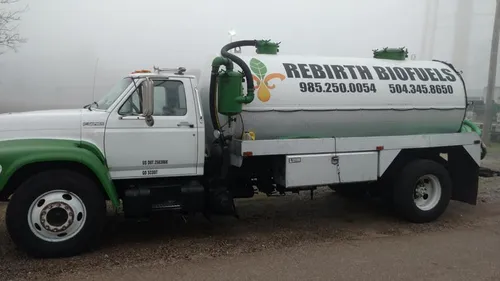
Rebirth Biofuels
252 E Willow St, Ponchatoula, LA 70454
Rebirth Biofuels is a used cooking oil collection and grease trap cleaning company based in New Orleans, LA. They serve a wide area including Greater New Orleans and surrounding cities such as Baton Rouge, Chalmette, and Lafayette. The company offers used cooking oil recycling, grease trap services, and cooking oil management systems. Their process supports sustainability by converting used cooking oil into biodiesel fuel. Rebirth Biofuels emphasizes reliability with scheduled pickups, spill-resistant equipment, and biannual cleaning of service areas to maintain facility appearance.
Louisiana's Regulatory Framework for UCO
The Louisiana Department of Environmental Quality (DEQ) is the primary agency overseeing used oil management. State law is clear: used cooking oil is a regulated material that cannot be treated as ordinary waste. The foundational rule is that no person may collect, transport, store, or dispose of UCO in any manner that endangers public health or the environment 1.
Key Prohibitions:
- Illegal Disposal: It is illegal to discharge UCO into sewers, storm drains, septic systems, or any state waters or lands. Pouring oil down a drain is a direct violation.
- Landfill Ban: UCO may not be mixed with solid waste for disposal in a landfill unless explicitly approved by the DEQ.
- On-Site Burning: Burning UCO on-site is only permitted if specifically approved by the DEQ and must comply with air quality regulations.
The mandatory path for disposal is through a permitted used oil collection facility or a licensed collector. This ensures the oil enters the proper recycling stream, typically for conversion into biodiesel or other industrial uses.
On-Site Storage Requirements
Before scheduled pickup, restaurants must store UCO safely and in compliance with state rules. Proper storage prevents spills, odors, pests, and regulatory violations.
Container and Tank Standards:
- All containers and tanks must be in good condition-free from severe rust, deterioration, and leaks.
- Every container must be clearly labeled with the words "Used Oil" 2.
- Common restaurant solutions include fire-rated barrels or secure, dedicated caddies placed in a designated area.
Secondary Containment: Storage facilities must have a secondary containment system. This is a critical safety measure to contain any leaks or spills from the primary storage unit. The system can be dikes, berms, or retaining walls with an impervious floor, and it must be capable of holding 110% of the volume of the largest single container or 10% of the total aggregate volume, whichever is greater 3.
Working with a Licensed Collector
Choosing a reputable, licensed collector is the most important step in achieving compliance. These providers handle the logistics, transportation, and final recycling of your UCO.
What to Verify:
- Licensing & Permits: Ensure the collector is licensed by the state of Louisiana to transport used oil.
- EPA ID Number: Legitimate transporters must have an EPA identification number.
- Destination: The collector should provide information on the permitted processing or re-refining facility where your oil will be delivered.
A professional service will manage the entire process, from supplying appropriate containers to providing documentation (often called a "bill of lading" or manifest) that proves your oil was collected and destined for recycling. This paperwork is your proof of compliance.
Find the perfect used cooking oil collection companies for your needs
Get personalized recommendations and expert advice
Understanding Costs and Potential Revenue
The economics of UCO collection in Louisiana are unique because the material has value as a feedstock for biofuel. Therefore, cost structures are often based on volume.
Typical Pricing Models:
- Free Pickup: For establishments generating under approximately 100 gallons of UCO per month, many collectors offer free pickup as a service. The value they recoup from recycling the oil covers their service cost.
- Revenue Generation: For restaurants with higher volume output, the used oil can become a revenue stream. Collectors may pay for the oil because larger quantities are more efficient and profitable for biodiesel producers.
- 100-300 gallons/month: May yield $0.10 - $0.25 per gallon.
- 300-500 gallons/month: May yield $0.25 - $0.40 per gallon.
- Over 500 gallons/month: May yield $0.40 - $0.65 per gallon 4.
These figures are estimates, and actual agreements depend on market conditions for biodiesel and the specific terms offered by local collectors. It's always advisable to get quotes from multiple licensed providers.
Spill Prevention and Response
Accidents can happen, so having a plan is crucial. State regulations require transporters to take immediate action to contain and clean up any spill during transport and to notify the National Response Center if necessary 5. Restaurants should also be prepared.
Best Practices for Spill Response:
- Contain: Use absorbent pads, socks, or other materials to stop the spread. Your secondary containment area should prevent the spill from leaving your property.
- Clean Up: Safely collect the spilled oil and contaminated materials. These must be handled as used oil waste and given to your licensed collector.
- Document: Note the date, time, cause, and corrective actions taken. Inform your collection provider.
- Report: For any significant spill that reaches a storm drain or waterway, you must contact the DEQ and the National Response Center immediately.
Compliance and Consequences
The DEQ has the authority to levy penalties for non-compliance with state and federal used oil laws 6 7. Violations can result in substantial fines. Regular inspections may check for proper labeling, storage conditions, secondary containment, and documentation of oil transfers.
Staying Compliant:
- Maintain clear, labeled storage containers.
- Keep your storage area clean and within a proper containment structure.
- Only use a licensed collector and keep all pickup records on file.
- Train staff on proper UCO handling and spill procedures.
For specific regulatory questions, businesses can contact the Louisiana DEQ Permits Division directly at (800) 305-6621 or (225) 219-3421 8.
The Environmental Benefit in Louisiana
Proper UCO collection directly benefits Louisiana's environment. When recycled into biodiesel, used cooking oil reduces the demand for fossil fuels and associated greenhouse gas emissions. More immediately, keeping this oil out of drains prevents sewer blockages, reduces the burden on wastewater treatment plants, and protects local waterways-from the Mississippi River to the coastal bayous-from pollution and the associated harm to wildlife 9 10. By partnering with a responsible collector, Louisiana restaurants contribute to a circular economy and help safeguard the state's natural resources.
Frequently asked questions
Sources
Footnotes
-
Louisiana Revised Statutes Tit. 30, § 2417 - Codes - FindLaw - https://codes.findlaw.com/la/revised-statutes/la-rev-stat-tit-30-sect-2417/ ↩
-
Managing Used Oil: Answers to Frequent Questions for ... - EPA - https://www.epa.gov/hw/managing-used-oil-answers-frequent-questions-businesses ↩
-
La. Admin. Code tit. 33, § V-4035 - Used Oil Storage at ... - https://www.law.cornell.edu/regulations/louisiana/La-Admin-Code-tit-33-SS-V-4035 ↩
-
Restaurant Used Cooking Oil Recycling & Disposal Guide - https://greaseconnections.com/restaurant-used-cooking-oil-disposal-recycling-revenue-guide/ ↩
-
La. Admin. Code tit. 33, § V-4031 - Used Oil Transportation - https://www.law.cornell.edu/regulations/louisiana/La-Admin-Code-tit-33-SS-V-4031 ↩
-
Louisiana Revised Statutes § 30:30:2417 - Used oil; collection ... - https://law.justia.com/codes/louisiana/revised-statutes/title-30/rs-30-2417/ ↩
-
Discover Louisiana's Waste Oil Laws - EnergyLogic - https://energylogic.com/louisiana-waste-oil-regulations-you-should-know/ ↩
-
Used Oil FAQs - Louisiana Department of Environmental Quality - https://www.deq.louisiana.gov/faq/category/11 ↩
-
Cooking Oil Recycling - Rebirth Biofuels - https://rebirthbiofuels.com/oil-collection/ ↩
-
How used cooking oil can fuel a greener future - https://www.hotelierindia.com/fb/the-untapped-potential-of-used-cooking-oil ↩