Find the Best Used Cooking Oil Collection Companies for Your Business
No obligation • Fast responses • Nationwide coverage

Why you can trust Restaurant Waste Disposal
Restaurant Waste Disposal is a leading U.S. resource for comparing restaurant composting, food-waste recycling, grease trap cleaning, and used cooking oil collection services. Our editorial team researches providers, checks credentials, and organizes unbiased information so operators can make informed decisions. Companies cannot pay to change ratings or placement.
Search providers near you
Top Used Cooking Oil Collection Companies in Lenexa, Kansas Ranked
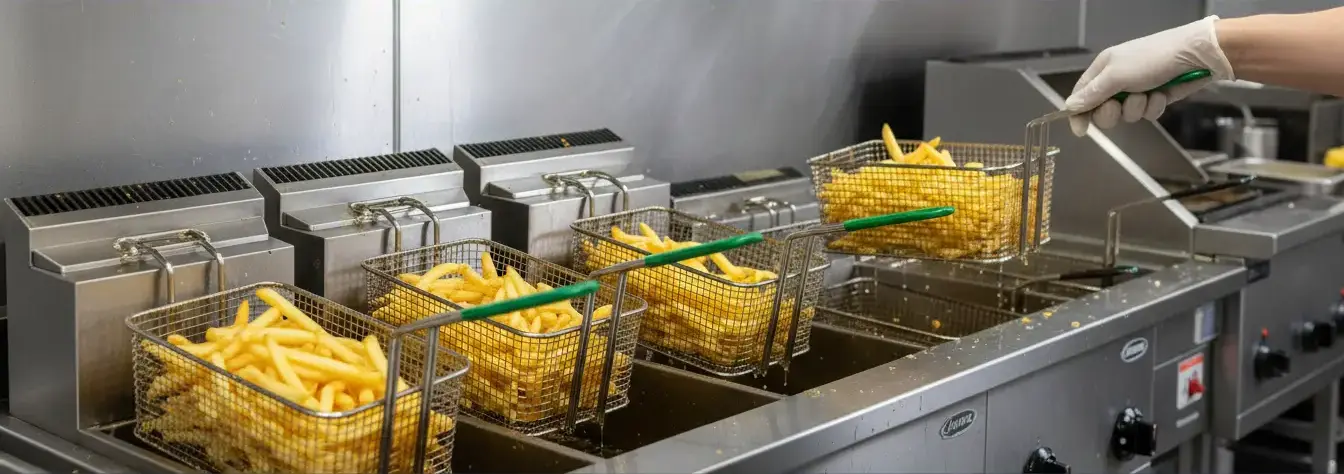
For restaurants and food service establishments in Lenexa, managing used cooking oil (UCO) is a critical operational and environmental responsibility. Proper collection and recycling of this waste stream not only helps businesses comply with local ordinances but also transforms a potential liability into a resource for renewable energy. Unlike residential trash services, commercial grease and oil collection in Lenexa is handled through a network of private, licensed haulers who specialize in safe pickup and responsible recycling, often converting the material into biodiesel or other products. Navigating this process effectively requires understanding storage best practices, scheduling logistics, and selecting a reputable service provider to ensure a clean, compliant, and efficient kitchen operation.
DAR PRO Solutions
685 Adams St, Kansas City, KS 66105
DAR PRO Solutions is a company based in Kansas City, MO, specializing in used cooking oil collection and grease trap cleaning. They provide services to businesses needing proper disposal and maintenance of cooking oil waste and grease traps. The company is known for handling waste cooking oil disposal and grease trap cleaning efficiently.
Restaurant Technologies
22318 W 167th St, Olathe, KS 66062
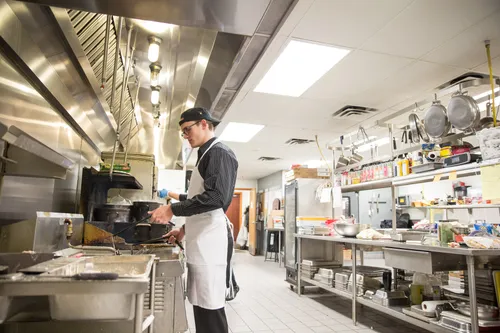
Restaurant Technologies is a used cooking oil collection company based in Olathe, KS. They offer an automatic cooking oil management system that includes bulk oil delivery, filtration, and recycling services designed to reduce the hazards and labor associated with manual oil handling. Their closed-loop system installs tanks and automatic controls in commercial kitchens to safely manage fresh and waste oil, with service trucks handling deliveries and pickups without entering the premises. The company operates from a depot in Kansas City, Kansas, and supports sustainability initiatives by providing safer and more efficient oil management solutions.
Brooks Grease Service
3901 Fairbanks Ave, Kansas City, KS 66106
Brooks Grease Service is a company based in Kansas City, MO, specializing in used cooking oil collection and grease trap cleaning. They provide services to help manage and dispose of cooking oil and grease waste efficiently. Their expertise includes grease trap cleaning to maintain proper kitchen sanitation.
Understanding Lenexa's Regulations for Grease and Oil
The City of Lenexa mandates specific rules for commercial establishments to protect the municipal sewer system from Fats, Oils, and Grease (FOG). These regulations are designed to prevent costly clogs and sewer overflows, which can lead to significant fines for non-compliance 1 2. While the city does not provide collection services for this commercial waste stream, it requires businesses to properly manage it through licensed private haulers 3 2.
Key regulatory focuses include:
- Grease Trap Maintenance: Installing and maintaining properly sized grease interceptors is a fundamental requirement for most food service operations. These traps capture FOG before it enters the wastewater system.
- Proper Storage: Used cooking oil must be stored in designated, secure containers to prevent leaks, spills, and unauthorized access.
- Licensed Transport: All grease and used cooking oil leaving your premises must be collected by a transporter licensed with the state of Kansas, ensuring it is tracked and recycled appropriately.
Adhering to these guidelines is the first step in establishing a compliant and hassle-free oil collection program.
Best Practices for On-Site Storage and Handling
Safe and efficient handling begins in your kitchen. Proper protocols protect your staff, your property, and the quality of the oil, which can impact recycling value.
Cooling is Critical: Never transfer hot oil. Allow all used cooking oil to cool below 120°F before handling to prevent severe burns and damage to storage containers. Scrape food solids from fryers and cooking surfaces into the trash before pouring the cooled liquid oil into your collection container.
Choosing the Right Container: Haulers typically provide specialized containers, ranging from 40 to 300 gallons, designed for grease and oil. These are airtight and sealable to contain odors and prevent pests. You have two primary options:
- Outdoor Storage Bins: Larger, locked containers placed in a service alley or dumpster corral. These reduce clutter inside the kitchen and are designed for high-volume producers.
- Indoor Collection Bins: Smaller containers kept in the kitchen for daily collection, which are then emptied into a larger outdoor tank. This method minimizes the risk of outdoor theft or vandalism.
Security Measures: Used cooking oil has value on the commodities market, making it a target for theft. Using locked, tamper-resistant containers provided by your hauler and opting for indoor storage when possible are effective deterrents.
The Collection and Recycling Process
Once your oil is safely stored, the collection process is managed by your chosen service provider. A typical cycle involves scheduling, pickup, transportation, and transformation.
- Scheduling Pickups: Service frequency depends entirely on your volume. High-output restaurants may need weekly pickups, while others might schedule on-demand or monthly service. Reliable haulers work with you to create a schedule that prevents overflow and maintains kitchen cleanliness.
- Licensed Hauler Pickup: On the scheduled day, a licensed transporter will arrive to service your container. They will pump out the contents, clean up any minor spills, and leave you with an empty, clean container. For businesses with significant grease trap waste, some providers offer coordinated collection of both grease trap contents and used cooking oil, streamlining waste management 4.
- Transportation and Processing: The collected oil is transported to a processing facility. Here, it undergoes filtration to remove impurities and water.
- Recycling into New Products: The purified oil is then sold as a feedstock for various industries. The primary end product is biodiesel, a renewable, cleaner-burning fuel alternative. It can also be used in the production of animal feed, industrial lubricants, and soaps.
This circular economy model ensures that your kitchen waste is diverted from landfills and given a productive second life.
Find the perfect used cooking oil collection companies for your needs
Get personalized recommendations and expert advice
Costs and Potential Revenue for Your Business
The financial model for used cooking oil collection can vary. Many haulers offer free pickup and recycling services for establishments, as they generate revenue by selling the processed oil to recyclers. This is particularly common for standard volumes.
For restaurants that generate very high volumes of clean, well-maintained oil, there may be an opportunity to earn revenue. Payment rates are not fixed and depend on market conditions, but industry examples can range from $0.10 to $0.65 per gallon for volumes exceeding 100 gallons per month 5 6. The key factors that influence this are:
- Volume: The total gallons you generate regularly.
- Oil Quality: Oil that is free of excessive water, food solids, and other contaminants is more valuable.
- Market Prices: Commodity prices for recycled oils and biodiesel feedstock fluctuate.
When evaluating service providers, be sure to discuss the complete fee structure-whether it's a straightforward free service, a fee-for-service model, or a potential revenue-sharing arrangement based on your output.
How to Choose a Licensed Collection Service
Selecting the right partner is essential for reliable service and compliance. Here are the key criteria to consider:
- Verify State Licensing: Always confirm that the hauler is properly licensed with the state of Kansas for transporting grease and used cooking oil. This is a non-negotiable requirement for legal and responsible disposal.
- Review Service Offerings: Look for a provider that offers the specific services you need, whether that's used cooking oil collection, grease trap cleaning, or a bundled package. Consider their container options, pickup scheduling flexibility, and service area coverage in Lenexa 7 8.
- Request Documentation: A reputable hauler will provide detailed documentation, often called a "manifest" or trip ticket, for every pickup. This paperwork details the quantity collected and its destination, which is crucial for your records and demonstrating compliance with environmental regulations 9 10.
- Prioritize Safety and Reliability: Choose a company with a proven track record of on-time service, professional conduct, and a commitment to safety standards for their drivers and your property.
By taking these steps, you establish a partnership that keeps your kitchen running smoothly and your waste management fully compliant.
Frequently asked questions
Sources
Footnotes
-
Used Cooking Oil Disposal: Complete Guide to Grease Pickups - https://greaseconnections.com/used-cooking-oil-disposal-guide-grease-pickups/ ↩
-
Trash & Recycling - City of Lenexa, KS - https://www.lenexa.com/Your-Residence/Trash-Utilities/Trash-Recycling ↩ ↩2
-
Used Cooking Oil Pick Up & Recycling Service in Kansas City - https://www.mahoneyes.com/waste-oil-pickup-recycling-kansas-city/ ↩
-
Grease Collection Service: What is it - Grand Natural Inc - https://www.grandnaturalinc.com/blog/what-is-grease-collection-service.html ↩
-
Used Cooking Oil (UCO) Collection Service For Restaurants - https://thegreasecompany.com/blog/restaurant-used-cooking-oil-collection/ ↩
-
Restaurant Used Cooking Oil Recycling & Disposal Guide - https://greaseconnections.com/restaurant-used-cooking-oil-disposal-recycling-revenue-guide/ ↩
-
Cooking Oil Collection & Grease Recycling Service - https://thegreasecompany.com/oilcollection.html ↩
-
Used Cooking Oil Collection Kansas City - https://www.grandnaturalinc.com/locations/used-cooking-oil-recycling-in-kansas-city.html ↩
-
Navigating Legal Requirements for Used Cooking Oil Disposal - https://bakercommodities.com/blog/2024/02/08/legal-requirement-used-cooking-grease/ ↩
-
Commercial Cooking Oil Disposal & Recycling Options (2025 Guide) - https://greaseconnections.com/commercial-cooking-oil-disposal-recycling-options/ ↩