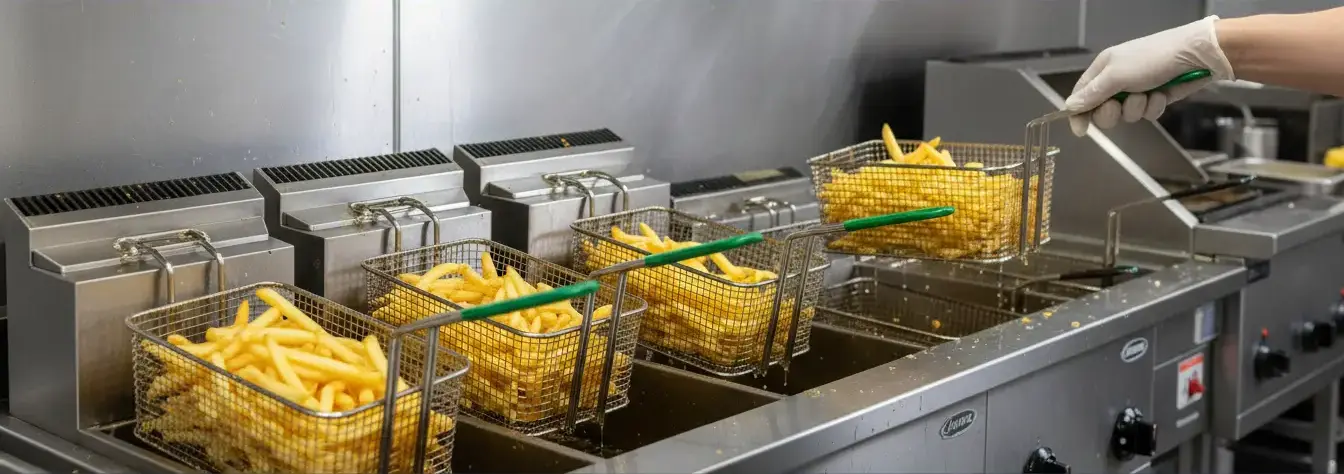
Find the Best Used Cooking Oil Collection Companies for Your Business
No obligation • Fast responses • Nationwide coverage

Why you can trust Restaurant Waste Disposal
Restaurant Waste Disposal is a leading U.S. resource for comparing restaurant composting, food-waste recycling, grease trap cleaning, and used cooking oil collection services. Our editorial team researches providers, checks credentials, and organizes unbiased information so operators can make informed decisions. Companies cannot pay to change ratings or placement.
Search providers near you
Best Used Cooking Oil Collection Companies in Kansas Ranked
For Kansas restaurants, managing used cooking oil (UCO) is a critical operational and environmental responsibility. Proper collection and recycling prevent costly sewer blockages, ensure compliance with state and local health codes, and can even turn a waste product into a source of revenue or cost offset. Navigating the rules for storage, handling, and choosing a service provider is essential for a smooth, compliant kitchen operation. This guide outlines the key steps, regulations, and practical considerations for effective used cooking oil management across the Sunflower State.
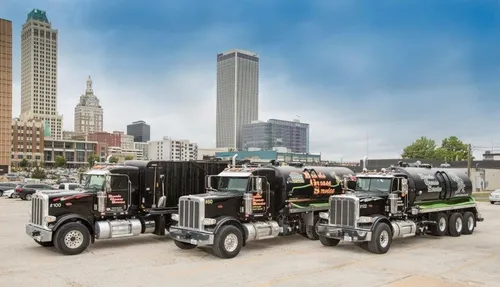
Brooks Grease Service
1401 S Buckner St, Derby, KS 67037
Brooks Grease Service is a family-owned company based in Wichita, KS, specializing in grease trap cleaning and used cooking oil collection. Serving the Central US and Northern Texas, they provide comprehensive grease trap maintenance, emergency cleanouts, and cooking oil recycling to support kitchen efficiency and environmental sustainability. Established in 1957, Brooks Grease Service has over six decades of experience managing grease trap challenges and offers 24/7 emergency services to ensure continuous business operations.

Restaurant Technologies
22318 W 167th St, Olathe, KS 66062
Restaurant Technologies is a used cooking oil collection company based in Olathe, KS. They offer an automatic cooking oil management system that includes bulk oil delivery, filtration, and recycling services designed to reduce the hazards and labor associated with manual oil handling. Their closed-loop system installs tanks and automatic controls in commercial kitchens to safely manage fresh and waste oil, with service trucks handling deliveries and pickups without entering the premises. The company operates from a depot in Kansas City, Kansas, and supports sustainability initiatives by providing safer and more efficient oil management solutions.
Understanding Kansas Regulations for Used Oil
Kansas state regulations, overseen by the Kansas Department of Health and Environment (KDHE), classify used cooking oil as a "used oil" that must be managed properly to protect public health and the environment. While the state does not require specific permits for businesses that are solely generators of used oil (like restaurants), it places clear responsibilities on these establishments to ensure the oil is handled correctly from the fryer to the recycler.
The core state rules focus on preventing contamination. Generators must ensure used oil does not mix with hazardous wastes and is stored and transported in a way that prevents releases into the environment. Crucially, used cooking oil must never be poured down drains, as it solidifies and is a leading cause of sewer line blockages and sanitary sewer overflows.
Local city ordinances often build upon these state rules with more specific requirements. For instance, municipalities like Lawrence and Wichita have detailed codes mandating grease traps or interceptors for food service establishments to prevent fats, oils, and grease (FOG) from entering the public sewer system. Non-compliance with these local ordinances can result in significant fines and enforcement actions.
Proper Storage and Handling Practices
Safe and compliant storage is the first line of defense in used cooking oil management. Following best practices not only keeps your facility in line with regulations but also simplifies the collection process.
- Containers and Tanks: Used oil must be stored in structurally sound, leak-proof containers or tanks that are in good condition 1. Common setups include dedicated collection barrels or above-ground storage tanks provided by your recycling service. Pits, lagoons, or unlined surface impoundments are not acceptable for storage.
- Labeling: All containers and tanks must be clearly labeled or marked with the words "Used Oil". This simple step is a key regulatory requirement and helps prevent accidental misuse or improper disposal by staff.
- Spill Prevention and Response: Storage areas should be designed to contain any potential spills or leaks. In the event of a spill, it must be cleaned up immediately using methods that do not wash the oil into storm drains or the soil 2. Having absorbent materials on hand is a prudent part of any kitchen's spill response plan.
- Grease Trap Maintenance: While related to liquid grease in wastewater, maintaining your grease trap is a complementary and often legally required practice. Regular cleaning and pumping of grease traps by a licensed service are mandated by many Kansas cities to prevent sewer line clogs 3 4.
The Step-by-Step Collection Process
Partnering with a professional used cooking oil collector streamlines compliance and ensures the oil is recycled properly. Here's how the typical process works:
- Contact a Licensed Recycler: Research and select a reputable, licensed used oil recycling service that operates in your area of Kansas. Providers like Mahoney Environmental or Grease Connections offer services throughout the state, including in Kansas City, Wichita, and Topeka.
- Schedule Service: Based on your oil production volume-whether you generate 50 gallons a month or 500-you and the provider will establish a pickup schedule. This could be weekly, bi-weekly, or monthly.
- Collection: On the scheduled day, a technician will pump the used oil from your storage container into their specialized collection truck. Many services provide and maintain the storage container for you.
- Documentation: You should receive a receipt or manifest for the collected oil. This documentation serves as your proof of proper disposal for regulatory compliance purposes 5.
- Recycling: The collector transports the oil to a processing facility where it is filtered and converted into valuable products, primarily biodiesel-a renewable fuel that reduces overall carbon emissions.
Find the perfect used cooking oil collection companies for your needs
Get personalized recommendations and expert advice
Cost Structure and Potential Value
The economics of used cooking oil collection in Kansas are not one-size-fits-all; they are primarily driven by your monthly generation volume and market conditions for recycled oils and biofuels.
- Small Volumes (e.g., under 100 gallons/month): Restaurants with lower output may pay a modest service fee for pickup or may receive the service for free, as the collector's cost is offset by the value of the recycled material 6.
- Medium Volumes (e.g., 100-300 gallons/month): At this scale, pricing often shifts to a per-gallon model. You might see costs ranging from $0.10 to $0.25 per gallon collected, though some arrangements may still be fee-free or offer a small rebate.
- Large Volumes (e.g., 500+ gallons/month): High-volume generators, such as large restaurants, institutional kitchens, or food processing plants, are typically in a position to receive a rebate or payment for their oil. Payments can vary with market prices but have historically ranged from $0.40 to $0.65 per gallon 7 8. This transforms a waste product into a minor revenue stream.
It's important to get clear, written details on pricing, fees, and any potential rebates when contracting with a service provider.
Benefits of Professional Recycling Services
Choosing a professional used cooking oil collection service offers advantages beyond simple waste removal.
- Regulatory Compliance: Licensed recyclers understand state and local Kansas regulations. They handle the transportation with proper documentation, giving you peace of mind and a paper trail for inspections 9.
- Environmental Stewardship: Recycling UCO into biodiesel significantly reduces the carbon footprint associated with waste disposal and fossil fuel use. It's a tangible step toward sustainability goals.
- Operational Efficiency and Safety: Regular, scheduled pickups prevent storage overflows and messy, hazardous conditions in your kitchen or storage area. It eliminates the need for staff to handle hot, heavy oil improperly.
- Prevention of Costly Problems: Professional collection is the most effective way to ensure oil never enters your drains, protecting you from expensive plumbing emergencies, sewer backup fines, and damage to municipal infrastructure 10.
Frequently asked questions
Sources
Footnotes
-
Managing Used Oil: Answers to Frequent Questions for ... - EPA - https://www.epa.gov/hw/managing-used-oil-answers-frequent-questions-businesses ↩
-
Complying with Kansas used-oil regulations - SBEAP - https://www.sbeap.org/sites/sbeap/files/publications/used_oil.pdf ↩
-
Chapter 9 - HEALTH AND SANITATION | Code of Ordinances - https://library.municode.com/ks/lawrence/codes/code_of_ordinances?nodeId=COOR_CH9HESA_ARTIVCOHADISOWA_S9-402DE ↩
-
CHAPTER 16.24. | Code of Ordinances | Wichita, KS - https://librarystage.municode.com/ks/wichita/codes/code_of_ordinances?nodeId=TIT16SESEDIDR_CH16.24COFAOIGRFOSEES ↩
-
Used Cooking Oil (UCO) Collection Service For Restaurants - https://thegreasecompany.com/blog/restaurant-used-cooking-oil-collection/ ↩
-
Used Cooking Oil Pickup vs Drop-Off-What's Best for Restaurants? - https://www.greaseprosrecycling.com/used-cooking-oil-pickup-vs-drop-off/ ↩
-
Used Cooking Oil Disposal: Complete Guide to Grease Pickups - https://greaseconnections.com/used-cooking-oil-disposal-guide-grease-pickups/ ↩
-
Restaurant Used Cooking Oil Recycling & Disposal Guide - https://greaseconnections.com/restaurant-used-cooking-oil-disposal-recycling-revenue-guide/ ↩
-
Navigating Legal Requirements for Used Cooking Oil Disposal - https://bakercommodities.com/blog/2024/02/08/legal-requirement-used-cooking-grease/ ↩
-
Restaurant Grease Pick Up and Disposal Services in Kansas City - https://www.mahoneyes.com/fryer-oil-disposal-recycling-kansas-city/ ↩