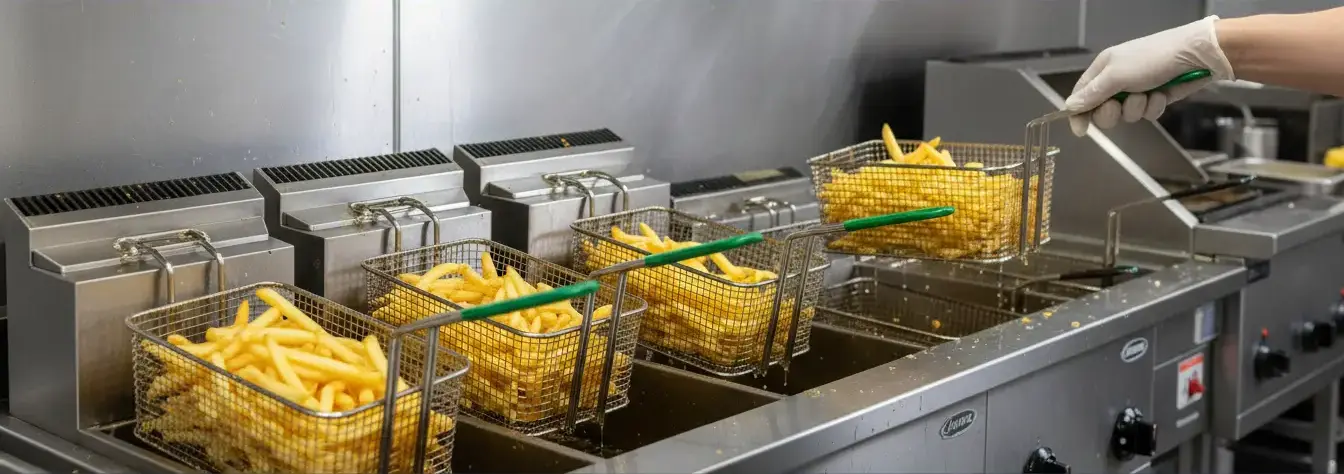
Find the Best Used Cooking Oil Collection Companies for Your Business
No obligation • Fast responses • Nationwide coverage

Why you can trust Restaurant Waste Disposal
Restaurant Waste Disposal is a leading U.S. resource for comparing restaurant composting, food-waste recycling, grease trap cleaning, and used cooking oil collection services. Our editorial team researches providers, checks credentials, and organizes unbiased information so operators can make informed decisions. Companies cannot pay to change ratings or placement.
Search providers near you
Top Used Cooking Oil Collection Companies in Lawrence, Kansas Ranked
For restaurants and food service establishments in Lawrence, managing used cooking oil is a critical operational and environmental responsibility. Proper collection and recycling of this waste stream are governed by local Fats, Oils, and Grease (FOG) regulations designed to protect the city's sewer infrastructure and waterways. By partnering with a licensed hauler, businesses can ensure compliance, avoid significant penalties, and contribute to the circular economy by transforming waste into clean-burning biodiesel fuel.
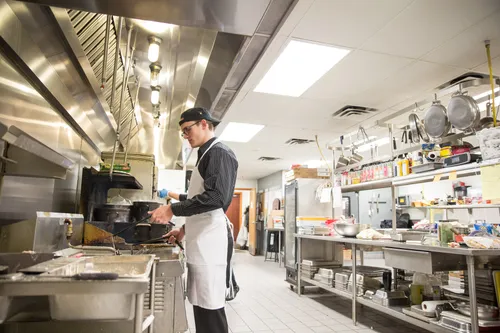
Understanding Lawrence's FOG Ordinance
The cornerstone of proper grease management in Lawrence is City Ordinance No. 9887 1. This regulation mandates specific practices for handling FOG to prevent blockages in sanitary sewers and pollution in stormwater systems. Non-compliance can result in fines and enforcement actions, making understanding these rules essential for every kitchen manager.
Key requirements under the ordinance include:
- Leak-Proof Storage: All used cooking oil must be stored in containers that are leak-proof and have tight-fitting lids to prevent spills and overflows.
- Designated Storage Areas: Containers should be kept in a clean, designated area, away from storm drains and sanitary sewer cleanouts.
- Spill Response: Any spills must be cleaned up immediately using dry methods (like cat litter or absorbent pads) to prevent grease from entering any drain.
- Staff Training: Kitchen staff must be trained on proper disposal procedures and spill response to maintain daily compliance 2 3.
Best Practices for Oil Handling and Storage
Before oil even reaches a collection container, proper handling is crucial for safety, efficiency, and maintaining oil quality. Following these steps ensures a smoother process from fryer to recycling facility.
Cooling and Filtering: Always allow oil to cool to a safe temperature, ideally below 120°F, before transferring it. Pouring the cooled oil through a screen or filter to remove food debris is a recommended practice, as cleaner oil is more valuable for recycling and less likely to cause issues in storage tanks.
Choosing a Collection System: Most professional haulers provide storage equipment. Options typically include:
- Indoor Collection Bins: Standard, lidded bins for manual pouring, suitable for lower-volume operations.
- Outdoor Storage Tanks: Larger, often heated tanks that prevent oil from solidifying in colder Kansas weather.
- Direct Connection Systems: Piping that allows oil to be pumped directly from the fryer into a storage tank, minimizing handling and spill risk.
The Professional Collection and Recycling Process
Once you have a system in place, a licensed hauler manages the logistics. These providers are familiar with Lawrence's specific codes and handle the oil's journey from your back door to its new life as biofuel.
Scheduled Pickups: Haulers work on a scheduled route, providing reliable, regular service to ensure your storage never overflows. They will pump out your full tank or swap out full containers for clean, empty ones 4.
From Waste to Fuel: The collected oil is transported to a processing facility. There, it undergoes a purification process to remove impurities and water. The end product is a valuable feedstock for the production of biodiesel, a renewable, clean-burning diesel replacement 5. By participating in this program, Lawrence businesses directly support regional renewable energy initiatives.
Find the perfect used cooking oil collection companies for your needs
Get personalized recommendations and expert advice
Cost Structure and Potential Value
The cost for used cooking oil collection is not one-size-fits-all and can sometimes be offset by the value of the material itself. Understanding the factors at play helps in evaluating service providers.
Pricing often depends on the volume of oil generated and the quality of the material. Some common structures include:
- Rebate Programs: Establishments that generate large volumes of well-maintained, clean oil may qualify for rebate checks, effectively turning a waste product into a minor revenue stream.
- Fee-for-Service: Smaller-volume generators might pay a pickup fee, which covers the cost of equipment rental, collection, and transportation 6.
- Comprehensive Service: Many providers bundle the cost of equipment maintenance, regular pickups, and compliance assurance into a single service fee, offering predictability for businesses.
Benefits Beyond Compliance
While adhering to Ordinance No. 9887 is the primary motivator, effective used cooking oil management offers additional advantages. It significantly reduces the risk of grease-related kitchen fires and pest infestations by removing this attractive nuisance from your property. Furthermore, it enhances your establishment's sustainability profile, a factor increasingly important to the Lawrence community. Proper recycling demonstrates a commitment to environmental stewardship by reducing landfill waste and supporting renewable fuel production.
Selecting a Service Provider in Lawrence
Choosing the right partner is key. Look for a hauler licensed to operate in Lawrence with a proven track record of reliability. They should provide clear agreements outlining service frequency, cost structure, and equipment maintenance responsibilities. A good provider will also be a resource, helping you train your staff on best practices to ensure seamless, compliant operations day in and day out 7 8 9.
Frequently asked questions
Sources
Footnotes
-
Fats, Oils & Grease (FOG) - https://lawrenceks.gov/mso/fog/ ↩
-
FATS, OILS AND GREASE (FOG) PERMIT - https://www.cityoflawrence.com/550/Fats-Oils-Grease-Permit-PDF ↩
-
Fat, Oil Grease Restaurants - City of Lawrence, Kansas - https://lawrenceks.org/fat-oil-and-grease-bmp-restaurants/ ↩
-
Used Cooking Oil Disposal: Complete Guide to Grease Pickups - https://greaseconnections.com/used-cooking-oil-disposal-guide-grease-pickups/ ↩
-
Recycling Used Cooking Oil With Green Grease Environmental - https://www.youtube.com/watch?v=KP05Yx-GkHk ↩
-
Used Cooking Oil Pick Up & Recycling Service in Kansas City - https://www.mahoneyes.com/waste-oil-pickup-recycling-kansas-city/ ↩
-
Restaurant Used Cooking Oil Recycling & Disposal Guide - https://greaseconnections.com/restaurant-used-cooking-oil-disposal-recycling-revenue-guide/ ↩
-
FOG Reduction - Restaurants & Businesses - https://lawrenceks.gov/mso/fog-restaurants/ ↩
-
Used Cooking Oil Pickup vs Drop-Off-What's Best for Restaurants? - https://www.greaseprosrecycling.com/used-cooking-oil-pickup-vs-drop-off/ ↩