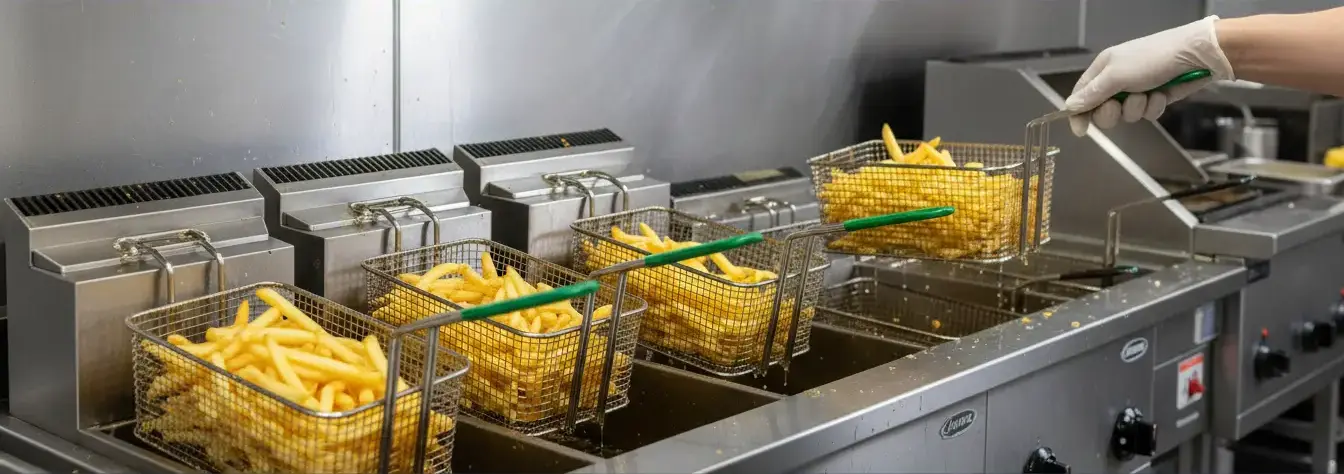
Find the Best Used Cooking Oil Collection Companies for Your Business
No obligation • Fast responses • Nationwide coverage

Why you can trust Restaurant Waste Disposal
Restaurant Waste Disposal is a leading U.S. resource for comparing restaurant composting, food-waste recycling, grease trap cleaning, and used cooking oil collection services. Our editorial team researches providers, checks credentials, and organizes unbiased information so operators can make informed decisions. Companies cannot pay to change ratings or placement.
Search providers near you
Top Used Cooking Oil Collection Companies in West Hartford, Connecticut Ranked
For restaurants and food service businesses in West Hartford, managing used cooking oil (UCO) is more than just a waste disposal task-it's an opportunity for environmental stewardship and financial benefit. By partnering with licensed collection services, local establishments can ensure this valuable byproduct is securely collected and converted into renewable biofuels like biodiesel or "Bioheat," aligning with Connecticut's sustainability goals. This process not only simplifies compliance with state and local regulations but also transforms a potential disposal headache into a cleaner, greener revenue stream. Proper management of this waste stream is a critical component of responsible Fats, Oils, and Grease (FOG) handling for any commercial kitchen.
Why Recycle Used Cooking Oil in West Hartford?
Recycling your establishment's spent fryer oil offers a clear trifecta of advantages: environmental responsibility, regulatory compliance, and economic gain. When UCO is poured down drains, it solidifies in sewer lines, contributing to costly blockages and sanitary sewer overflows that can lead to fines and environmental damage 1. The state of Connecticut and local authorities like the Metropolitan District Commission (MDC) have strict rules against such disposal to protect municipal infrastructure 1 2.
Instead, recycling channels this waste into a productive lifecycle. Collected oil is processed into biodiesel, a cleaner-burning fuel that reduces reliance on fossil fuels and greenhouse gas emissions 3. For your business, this means turning a cost center into potential income, as many recyclers pay for quality, uncontaminated oil. Furthermore, by diverting UCO from your general waste stream, you may reduce the volume and frequency of trash pickups, leading to lower overall waste hauling fees.
Legal and Environmental Regulations for UCO
Navigating the rules for grease and oil disposal is essential for West Hartford businesses. The Connecticut Department of Energy and Environmental Protection (DEEP) classifies used cooking oil as a "recyclable material" with specific handling requirements to prevent it from becoming a pollutant. Key regulations mandate that UCO must never be disposed of in drains, dumpsters, on the ground, or in storm sewers.
Businesses are responsible for storing oil in a manner that prevents leaks, spills, and theft. This typically involves using sturdy, leak-proof containers provided by your licensed collection vendor 4. The MDC's FOG program for businesses emphasizes that proper management is not just a best practice but a legal necessity to avoid penalties and protect the community's water quality. Partnering with a reputable collector is the most straightforward way to ensure your operation remains in full compliance with these state and local mandates.
Best Practices for On-Site Oil Handling
Proper handling from fryer to storage container is crucial for safety, efficiency, and maximizing the value of your used oil. Implementing a few key steps in your kitchen's routine can prevent accidents and contamination.
- Cool Completely: Always allow oil to cool sufficiently before transferring it from fryers or cooking equipment. Handling hot oil is a significant safety hazard for staff.
- Use Designated Equipment: Employ dedicated, clean containers and funnels for oil transfer. Never use containers that held chemicals or other non-food substances.
- Prevent Contamination: Strain or filter oil to remove large food particles during transfer. The cleaner the oil is kept, the higher its value for recycling and the smoother the processing will be.
- Secure Storage: Store filled containers or tanks in a designated, accessible area, such as a back dock or a fenced enclosure. Containers should have tight-sealing lids and, where provided, anti-theft locks to secure this valuable commodity 5.
- Staff Training: Ensure all kitchen staff are trained on the proper cooling, transfer, and storage procedures. Clear protocols help maintain a safe workspace and protect the quality of the collected oil.
Find the perfect used cooking oil collection companies for your needs
Get personalized recommendations and expert advice
The Collection and Recycling Process
Engaging with a professional used cooking oil collection service in West Hartford streamlines the entire process from start to finish. It typically begins with a consultation or free assessment from a provider like Phibro RenewOil, Mahoney Environmental, or Eazy Grease, who will evaluate your volume and needs.
The service provider will then supply the necessary equipment, which often includes secure, spill-proof storage containers or larger outdoor tanks at no upfront cost 6. They establish a scheduled pickup routine based on your usage to prevent overflows. Many modern services also employ remote monitoring technology on tanks to track fill levels and optimize collection schedules, ensuring reliable service 6.
Once collected, the oil is transported to a processing facility. In Connecticut, this valuable resource is increasingly being converted into biodiesel or renewable heating oil, known as Bioheat. This closed-loop system ensures that waste from West Hartford kitchens contributes to local and regional renewable energy projects, creating a tangible circular economy.
Financial Considerations and Potential Revenue
A major incentive for restaurants to participate in UCO recycling is the potential for financial return. Unlike most waste streams that incur a disposal fee, used cooking oil can generate revenue. Collection companies often provide their containers and pickup services for free, generating their income from the sale of the oil to biofuel producers 7.
The payment to your restaurant is typically based on the volume and quality of oil you provide. While rates fluctuate with commodity markets, they can provide a meaningful offset to operational costs. Some industry guides note that payments can range significantly, often from a few cents to over half a dollar per gallon for establishments with high, consistent output 8. Beyond direct payment, the indirect financial benefits include avoiding potential fines for improper disposal and possibly lowering your solid waste disposal costs by reducing the overall volume of trash 9 10.
Choosing a Service Provider in West Hartford
Selecting the right partner for your used cooking oil collection is an important decision. Look for a provider that is fully licensed and insured to operate in Connecticut, with a strong track record of reliable service in Hartford County. Transparency is key; a good provider will clearly explain their fee or payment structure, pickup schedules, and what happens to your oil after collection.
Consider the level of customer support and the quality of equipment they supply. Robust, locked containers are a sign of a service focused on security and preventing messes. Finally, inquire about their environmental commitment-understanding that your oil is being converted into biofuel for local use can be a positive point for your restaurant's sustainability story.
Frequently asked questions
Sources
Footnotes
-
Fats, Oils & Grease Program for Businesses - The MDC - https://themdc.org/environment-health-safety/fats-oils-grease-program-for-businesses/ ↩ ↩2
-
Management of Used Oil - https://portal.ct.gov/deep/waste-management-and-disposal/management-of-used-oil ↩
-
Used Cooking Oil From Connecticut Restaurants, Along With ... - https://www.ctema.com/used-cooking-oil-from-connecticut-restaurants-along-with-other-food-waste-is-being-turned-into-fuel-to-heat-your-home/ ↩
-
Used Oil - CT.gov - https://portal.ct.gov/-/media/DEEP/p2/business_industry/PitStops/PS2014UsedOilpdf/PS2023-UsedOil_11823.pdf ↩
-
Used Cooking Oil Disposal: Complete Guide to Grease Pickups - https://greaseconnections.com/used-cooking-oil-disposal-guide-grease-pickups/ ↩
-
Recycling Tips for Cooking Oil Disposal in Food Courts - https://nwbiofuel.com/blog/used-cooking-oil-disposal-for-food-courts-responsible-recycling-tips/ ↩ ↩2
-
Used Cooking Oil Recycling Service in Connecticut - https://eazygrease.com/used-cooking-oil-recycling-service-connecticut/ ↩
-
Restaurant Used Cooking Oil Recycling & Disposal Guide - https://greaseconnections.com/restaurant-used-cooking-oil-disposal-recycling-revenue-guide/ ↩
-
Used Cooking Oil Collection in Hartford County CT - https://www.phibrorenewoil.com/service-locations/used-cooking-oil-collection-hartford-county-ct ↩
-
Food Scraps Drop-off Program - Town of West Hartford - https://www.westhartfordct.gov/town-departments/public-works/food-scraps-drop-off-program ↩