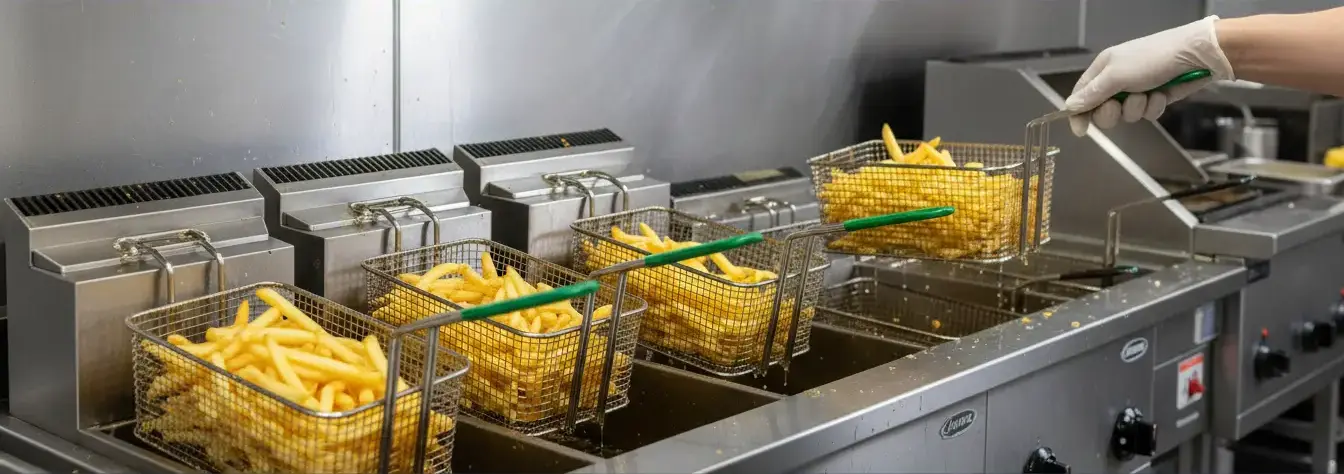
Find the Best Used Cooking Oil Collection Companies for Your Business
No obligation • Fast responses • Nationwide coverage

Why you can trust Restaurant Waste Disposal
Restaurant Waste Disposal is a leading U.S. resource for comparing restaurant composting, food-waste recycling, grease trap cleaning, and used cooking oil collection services. Our editorial team researches providers, checks credentials, and organizes unbiased information so operators can make informed decisions. Companies cannot pay to change ratings or placement.
Search providers near you
Top Used Cooking Oil Collection Companies in Waterbury, Connecticut Ranked
For restaurants and food service establishments in Waterbury, managing used cooking oil (UCO) is more than just a routine cleanup task-it's a state-mandated responsibility with significant environmental and financial implications. Connecticut law requires all commercial kitchens to properly recycle their waste oil, a regulation enforced to protect municipal sewer systems and local waterways from harmful fats, oils, and grease (FOG). Partnering with a licensed collection service transforms this regulatory obligation into a streamlined process, ensuring compliance while contributing to a circular economy where waste oil is converted into valuable products like biodiesel. This guide outlines everything Waterbury food service operators need to know about UCO recycling, from legal requirements to operational logistics.
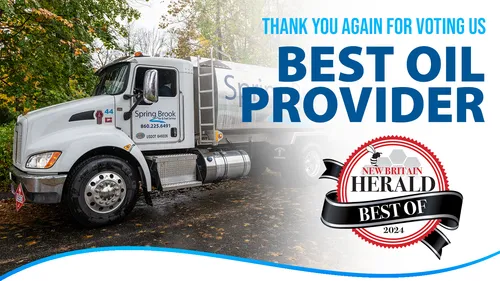
Spring Brook Ice & Fuel Service
19 Woodland St Ste 1, New Britain, CT 06051
Spring Brook Ice & Fuel Service has been serving Hartford, CT, and the surrounding areas for over 100 years. Originally known for harvesting ice from local ponds, the company now delivers packaged ice, fuel oil, and services heating and air conditioning equipment. They also provide Bioheat® fuel, a renewable blend made from ultra-low sulfur heating oil and biodiesel derived from organic materials like used cooking oils, supporting efforts to reduce carbon emissions. Established in 1918, Spring Brook continues to adapt its offerings to meet modern energy needs.
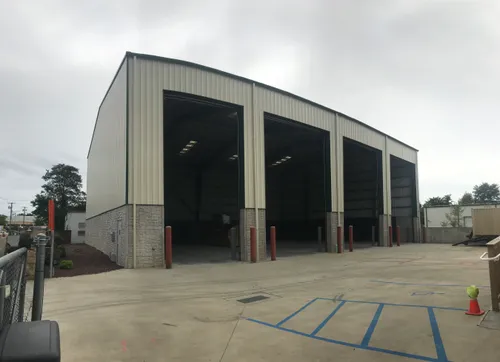
BPM RECYCLING, LLC (BPM)
155 Davenport St, Bridgeport, CT 06607
BPM RECYCLING, LLC (BPM) is a used cooking oil collection company based in Fairfield, CT. The company specializes in collecting used cooking oil for recycling purposes, serving businesses in the Fairfield area. BPM focuses on environmentally responsible disposal and recycling of cooking oil to support sustainability efforts.
Understanding Connecticut's Used Oil Recycling Mandate
Connecticut's Department of Energy and Environmental Protection (DEEP) has clear regulations for the management of used oil, which explicitly include used cooking oil from commercial establishments 1. The state's "Recycling for the Hospitality Industry" guidelines mandate that restaurants, inns, and other food service businesses arrange for the proper recycling of their waste cooking oil 2. While the City of Waterbury's Public Works department provides guidance for residential disposal, commercial compliance falls squarely under these state rules 3.
The primary goal of these regulations is to prevent FOG from entering the sewer system, where it can solidify, cause major blockages, and lead to costly and environmentally damaging sanitary sewer overflows 4. Non-compliance isn't just bad for infrastructure; it can result in substantial fines for your business. Adherence requires working with a licensed hauler who can provide the necessary documentation, such as waste manifests, to prove lawful recycling and disposal 5.
The Step-by-Step Process of Oil Collection and Recycling
Implementing a compliant used cooking oil management system involves a straightforward, recurring cycle.
1. On-Site Storage: The process begins with proper on-site containment. After filtering, cooled UCO is poured into a dedicated collection bin provided by your service company. These containers are typically lockable, covered, and sized to match your volume-common sizes range from 20 to 300 gallons. Proper storage prevents spills, contamination, and odors, and keeps the oil secure until pickup.
2. Scheduled Pickup: A licensed collection provider will establish a regular pickup schedule based on your oil production volume. When your bin is full, the hauler arrives to pump or swap out the container. This service ensures the oil is removed reliably, preventing overflow and maintaining a clean, safe kitchen environment.
3. Recycling and Repurposing: This is where waste becomes a resource. The collected oil is transported to a rendering or processing facility. Through various treatments, the used cooking oil is purified and converted into feedstocks for renewable biofuels like biodiesel, or into ingredients for soaps, animal feed, and other industrial products 6. This closed-loop process is a core benefit of proper UCO management.
Financial Considerations: Costs, Rebates, and Service Models
The economics of used cooking oil collection in Waterbury can vary, often turning a cost center into a potential revenue stream depending on your volume and oil quality.
- Low-Volume Establishments: For restaurants generating smaller amounts of oil (typically under 30-40 gallons per pickup period), many collection services offer the pickup at no charge. The service provider's revenue comes from selling the recycled oil to biofuel producers, making this a cost-neutral solution for the restaurant 7.
- High-Volume Establishments: If your kitchen produces significant, consistent quantities of clean, well-filtered oil, you may qualify for a rebate program. Providers may pay restaurants a per-gallon rate (often cited between $0.10 and $0.65 per gallon, though market prices fluctuate) for high-quality oil 8 9. This rebate can effectively offset other service costs or even generate a small income stream.
- Service Agreement Models: Common structures include:
- Free Bin & Pickup with Rebate: The provider supplies containers and scheduled pickups for free and shares a portion of the oil's resale value with you.
- Lease or Service Fee Model: Some agreements may involve a nominal fee for container leasing or service, which may be waived or covered if rebate earnings are sufficient.
It's essential to discuss these models directly with providers to understand the specific terms available for your business in Waterbury.
Find the perfect used cooking oil collection companies for your needs
Get personalized recommendations and expert advice
Choosing a Service Provider: Key Local and Regional Players
Selecting a reliable, licensed hauler is critical for compliance and operational ease. Several established companies service the Waterbury and greater Connecticut area. When evaluating providers, look for proper state licensing, clear contract terms regarding schedules and rebates, and a strong reputation for reliability. Examples of active service providers in the region include companies like Mahoney Environmental, Eazy Grease, and Grease Connections, all of which offer comprehensive UCO collection and recycling programs 10 11 12.
Actionable Next Step: The most important move for any Waterbury restaurant is to contact a licensed FOG management company for a site assessment. A representative can evaluate your kitchen's oil output, recommend appropriately sized containers, explain compliance documentation, and outline a pickup schedule and financial terms tailored to your needs 13.
Best Practices for On-Site Oil Management
Maximizing the efficiency and value of your UCO program starts in the kitchen.
- Filter Thoroughly: Strain oil after each use to remove food particles. Cleaner oil is more valuable for recycling and less likely to cause issues with your storage bin.
- Cool Before Transferring: Always allow oil to cool completely before pouring it into the collection container to prevent burns, damage to the bin, and fire hazards.
- Prevent Contamination: Never mix used cooking oil with water, chemicals, or other liquids. Contamination can render the entire batch unrecyclable and may violate your service agreement.
- Secure Your Bin: Keep your collection container locked and in a designated, accessible area to prevent unauthorized dumping or tampering.
- Maintain Records: Keep all service receipts and waste manifests provided by your hauler. This paperwork is your proof of compliance with CT DEEP regulations.
By integrating these practices, Waterbury restaurants can ensure their used cooking oil disposal process is safe, compliant, and optimized for potential financial return.
Frequently asked questions
Sources
Footnotes
-
Management of Used Oil - https://portal.ct.gov/deep/waste-management-and-disposal/management-of-used-oil ↩
-
Recycling for the Hospitality Industry - https://portal.ct.gov/DEEP/Reduce-Reuse-Recycle/Recycling-for-the-Hospitality-Industry ↩
-
How to dispose of or recycle Cooking grease - Waterburyct.org - https://www.waterburyct.org/services/public-works#!rc-cpage=200317 ↩
-
Restaurant Oil Disposal: Explained - Eazy Grease - https://eazygrease.com/how-do-restaurants-get-rid-of-their-oil/ ↩
-
Navigating Legal Requirements for Used Cooking Oil Disposal - https://bakercommodities.com/blog/2024/02/08/legal-requirement-used-cooking-grease/ ↩
-
Used Cooking Oil From Connecticut Restaurants, Along With Other ... - https://www.ctema.com/used-cooking-oil-from-connecticut-restaurants-along-with-other-food-waste-is-being-turned-into-fuel-to-heat-your-home/ ↩
-
Grease Collection Service: What is it - Grand Natural Inc - https://www.grandnaturalinc.com/blog/what-is-grease-collection-service.html ↩
-
Restaurant Used Cooking Oil Recycling & Disposal Guide - https://greaseconnections.com/restaurant-used-cooking-oil-disposal-recycling-revenue-guide/ ↩
-
Used Cooking Oil Containers | Everything You Need to Know - https://grease-cycle.com/used-cooking-oil-containers/ ↩
-
Used Cooking Oil Pick Up & Recycling Service in New England - https://www.mahoneyes.com/waste-oil-pickup-recycling-new-england/ ↩
-
Used Cooking Oil Recycling Service in Connecticut - https://eazygrease.com/used-cooking-oil-recycling-service-connecticut/ ↩
-
Restaurant Oil Disposal: Explained - https://eazygrease.com/how-do-restaurants-get-rid-of-their-oil/ ↩
-
Used Cooking Oil Disposal: Complete Guide to Grease Pickups - https://greaseconnections.com/used-cooking-oil-disposal-guide-grease-pickups/ ↩