Find the Best Used Cooking Oil Collection Companies for Your Business
No obligation • Fast responses • Nationwide coverage

Why you can trust Restaurant Waste Disposal
Restaurant Waste Disposal is a leading U.S. resource for comparing restaurant composting, food-waste recycling, grease trap cleaning, and used cooking oil collection services. Our editorial team researches providers, checks credentials, and organizes unbiased information so operators can make informed decisions. Companies cannot pay to change ratings or placement.
Search providers near you
Top Used Cooking Oil Collection Companies in Wallingford, Connecticut Ranked
For restaurants and food service establishments in Wallingford, managing used cooking oil (UCO) is more than just a routine cleanup task-it's a regulated environmental responsibility with potential economic benefits. Connecticut state law mandates the recycling of waste oil from all commercial kitchens, turning a potential waste stream into a valuable commodity for biofuel production. Proper grease trap and oil collection practices are essential not only for compliance but also for protecting local sewer systems from costly blockages. By partnering with a licensed hauler, Wallingford businesses can ensure their used fryer oil is collected efficiently, often generating rebates, while contributing to the production of renewable energy right here in Connecticut.
Spring Brook Ice & Fuel Service
19 Woodland St Ste 1, New Britain, CT 06051
Spring Brook Ice & Fuel Service has been serving Hartford, CT, and the surrounding areas for over 100 years. Originally known for harvesting ice from local ponds, the company now delivers packaged ice, fuel oil, and services heating and air conditioning equipment. They also provide Bioheat® fuel, a renewable blend made from ultra-low sulfur heating oil and biodiesel derived from organic materials like used cooking oils, supporting efforts to reduce carbon emissions. Established in 1918, Spring Brook continues to adapt its offerings to meet modern energy needs.
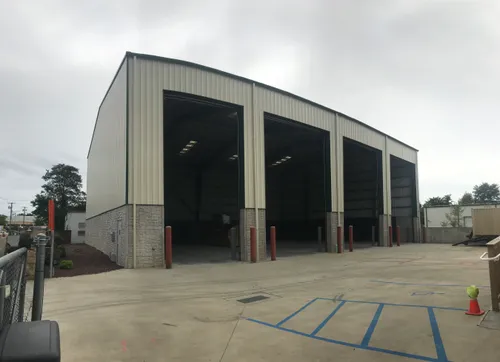
BPM RECYCLING, LLC (BPM)
155 Davenport St, Bridgeport, CT 06607
BPM RECYCLING, LLC (BPM) is a used cooking oil collection company based in Fairfield, CT. The company specializes in collecting used cooking oil for recycling purposes, serving businesses in the Fairfield area. BPM focuses on environmentally responsible disposal and recycling of cooking oil to support sustainability efforts.
Understanding Connecticut's Used Oil Regulations
Navigating the legal requirements is the first step for any Wallingford restaurant owner. The Connecticut Department of Energy and Environmental Protection (DEEP) classifies used cooking oil as a recyclable material, and its management is governed by specific regulations. Commercial recycling is mandatory, meaning your establishment cannot simply dispose of UCO with regular trash or, critically, pour it down the drain1.
The rationale behind these strict rules is the prevention of "Fats, Oils, and Grease" (FOG) from entering the sewer system. When FOG cools, it solidifies, creating massive blockages that lead to sewer overflows, environmental damage, and expensive municipal cleanup costs2. Wallingford, like other communities, emphasizes source control, requiring businesses to implement best practices for grease containment and disposal. It's important to note that while Wallingford operates a Waste Disposal Center for residents, this facility is not for commercial used cooking oil disposal from restaurants3. Compliance is achieved solely through contracts with private, state-licensed waste oil haulers and recyclers.
The Collection Process: From Your Kitchen to Biofuel
Once you understand the "why," the "how" of grease collection becomes straightforward. Reputable service providers manage a seamless process designed for the busy kitchen environment.
Step 1: On-Site Storage After use, oil should be cooled and then transferred to a dedicated, covered storage container. Common solutions include sealed 35- or 55-gallon drums, or specialized "caddies" provided by your collection company. The key is to keep the oil free from food debris and, most importantly, water. Rainwater or incidental moisture can significantly dilute the oil, reducing its quality and value for recycling. A clean, dedicated storage area that is easily accessible for the hauler's truck is ideal.
Step 2: Scheduled Pickup Licused haulers operate specialized vacuum trucks that can pump oil directly from larger storage tanks or manually collect sealed drums4 5. Service frequency is tailored to your volume-a high-volume restaurant may require weekly pickups, while a smaller establishment might be on a bi-weekly or monthly schedule. The hauler will transport the collected UCO to a certified processing facility.
Step 3: Recycling and Rebirth This is where the magic happens. At the processing plant, the oil undergoes filtration to remove any remaining impurities. The purified oil is then sold as a feedstock for bio-refineries, where it is transformed into renewable diesel or other sustainable biofuels6. This closed-loop process means the oil from your Wallingford kitchen can help power vehicles or heat homes, creating a circular economy that reduces reliance on fossil fuels.
Maximizing Value and Minimizing Cost
A well-managed UCO program shouldn't be a cost center; it can often be revenue-neutral or even generate income. The economics typically revolve around volume, quality, and your service agreement.
- Rebates and Pricing Models: High-quality, clean used cooking oil is a commodity. Many haulers offer rebate programs, paying restaurants a per-gallon rate that can range significantly based on market conditions 7. This rebate can often offset or completely cover the cost of collection services. For lower-volume producers, some companies may charge a modest pickup fee. It's crucial to get detailed quotes and understand the pricing structure from potential providers.
- The Importance of Oil Purity: The single biggest factor affecting your rebate is the purity of the oil you provide. Water and food solids are contaminants. Using fine mesh screens or filters when transferring oil, ensuring storage containers have tight-fitting lids, and never hosing out a grease container are all practices that preserve oil quality and maximize its value8 9.
- Service Considerations: When evaluating haulers, look beyond just price. Consider their reliability, scheduling flexibility, and the quality of their storage containers. A provider that offers locked, durable containers can also help prevent theft or vandalism of your oil, which has become a valuable asset.
Find the perfect used cooking oil collection companies for your needs
Get personalized recommendations and expert advice
Best Practices for Kitchen Grease Management
A successful oil collection program starts with daily habits in the kitchen. Integrating these practices protects your plumbing, ensures oil quality, and simplifies the hauling process.
- Pre-Filtration is Key: Always filter oil while it's still warm (but safe to handle) to remove food particles. This extends the usable life of the oil for cooking and results in a cleaner product for recycling.
- Implement "Dry" Wiping: Before washing, scrape and wipe grease from pots, pans, and dishes with a paper towel or rubber scraper. This simple step dramatically reduces the amount of FOG entering your grease trap and drains.
- Maintain Grease Traps and Interceptors: Your grease trap is the first line of defense for your plumbing. It must be cleaned and pumped regularly by a licensed service to function correctly. A overwhelmed grease trap will lead to clogs and potential regulatory violations.
- Educate Your Staff: Ensure every team member, from chefs to dishwashers, understands that no grease goes down the drain. Clear signage and training are effective, low-cost tools for compliance.
- Secure Your Storage: Place your collection container in a designated, accessible area, preferably on a concrete pad. Keep the area clean to avoid slips and ensure the hauler's driver has safe, easy access.
Choosing a Service Provider in Wallingford
Selecting the right partner for your grease trap and used oil needs is a business decision. Start by verifying that any hauler you consider is licensed by the CT DEEP to transport and recycle waste oil10. Reach out to several local providers, such as Eazy Grease, Mahoney Environmental, or other established regional companies, to request service quotes.
Prepare to discuss your average weekly oil volume, your current storage method, and desired pickup frequency. Ask specific questions about their container offerings, pricing models (fee vs. rebate), and insurance. A reputable company will be transparent about these details and happy to provide references from other local restaurants. Finally, always have a clear, written service agreement that outlines responsibilities, schedules, and financial terms.
Frequently asked questions
Sources
Footnotes
-
Recycling for the Hospitality Industry - https://portal.ct.gov/DEEP/Reduce-Reuse-Recycle/Recycling-for-the-Hospitality-Industry ↩
-
Fats, Oils & Grease Program for Residents | The MDC - https://themdc.org/environment-health-safety/fats-oils-grease-program-for-residents/ ↩
-
Waste Disposal Center for Residents | Town of Wallingford - https://www.wallingfordct.gov/residents/recycling-composting-and-waste-disposal/waste-disposal-center/ ↩
-
Used Cooking Oil Pickup vs Drop-Off - GreasePros Recycling - https://www.greaseprosrecycling.com/used-cooking-oil-pickup-vs-drop-off/ ↩
-
Restaurant Oil Disposal: Explained - Eazy Grease - https://eazygrease.com/how-do-restaurants-get-rid-of-their-oil/ ↩
-
Used Cooking Oil From Connecticut Restaurants, Along With Other ... - https://www.ctema.com/used-cooking-oil-from-connecticut-restaurants-along-with-other-food-waste-is-being-turned-into-fuel-to-heat-your-home/ ↩
-
Used Cooking Oil Recycling Service in Connecticut - https://eazygrease.com/used-cooking-oil-recycling-service-connecticut/ ↩
-
Restaurant Used Cooking Oil Recycling & Disposal Guide - https://greaseconnections.com/restaurant-used-cooking-oil-disposal-recycling-revenue-guide/ ↩
-
What Do Restaurants Do with Grease? - Mahoney Environmental - https://www.mahoneyes.com/what-do-restaurants-do-with-grease/ ↩
-
Management of Used Oil - https://portal.ct.gov/deep/waste-management-and-disposal/management-of-used-oil ↩