Find the Best Used Cooking Oil Collection Companies for Your Business
No obligation • Fast responses • Nationwide coverage

Why you can trust Restaurant Waste Disposal
Restaurant Waste Disposal is a leading U.S. resource for comparing restaurant composting, food-waste recycling, grease trap cleaning, and used cooking oil collection services. Our editorial team researches providers, checks credentials, and organizes unbiased information so operators can make informed decisions. Companies cannot pay to change ratings or placement.
Search providers near you
Top Used Cooking Oil Collection Companies in New Haven, Connecticut Ranked
For restaurants and food service establishments in New Haven, managing used cooking oil (UCO) is a critical operational and environmental responsibility. Proper grease disposal and recycling are not just best practices; they are mandated by state and local regulations designed to protect the city's sewer infrastructure and public health. By partnering with a licensed hauler, businesses can transform a waste product into valuable commodities like biodiesel, often turning a compliance necessity into a potential revenue stream. This guide outlines the essential steps, rules, and benefits of establishing a reliable UCO management system in the Elm City.
Spring Brook Ice & Fuel Service
19 Woodland St Ste 1, New Britain, CT 06051
Spring Brook Ice & Fuel Service has been serving Hartford, CT, and the surrounding areas for over 100 years. Originally known for harvesting ice from local ponds, the company now delivers packaged ice, fuel oil, and services heating and air conditioning equipment. They also provide Bioheat® fuel, a renewable blend made from ultra-low sulfur heating oil and biodiesel derived from organic materials like used cooking oils, supporting efforts to reduce carbon emissions. Established in 1918, Spring Brook continues to adapt its offerings to meet modern energy needs.
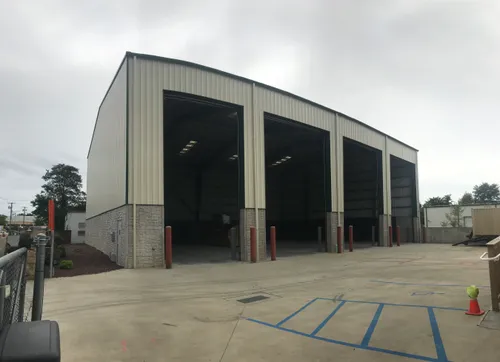
BPM RECYCLING, LLC (BPM)
155 Davenport St, Bridgeport, CT 06607
BPM RECYCLING, LLC (BPM) is a used cooking oil collection company based in Fairfield, CT. The company specializes in collecting used cooking oil for recycling purposes, serving businesses in the Fairfield area. BPM focuses on environmentally responsible disposal and recycling of cooking oil to support sustainability efforts.
Understanding New Haven's Regulations for Grease Disposal
Navigating the legal requirements is the first step for any food service business. In Connecticut, used cooking oil is classified as a commercial organic waste, and its disposal is strictly regulated.
Connecticut's Commercial Organics Recycling Law requires certain businesses to separate and recycle food scraps and other organic materials, including used fryer oil. While specific thresholds apply, the law underscores the state's commitment to diverting this material from landfills and incinerators. More directly for daily operations, absolutely no fats, oils, or grease (FOG) should ever be poured down drains, into dumpsters, or storm sewers. This practice is a leading cause of sewer blockages and can result in significant fines.
At the city level, the New Haven Solid Waste & Recycling Authority (NHSWRA) requires that any company collecting used cooking oil within city limits must hold a valid Collector's License. Before signing a contract with a grease collection service, restaurant managers should verify the hauler's licensing status to ensure full compliance. Working with an unlicensed vendor could leave your business liable for violations.
Best Practices for On-Site Oil Storage and Handling
Safe and compliant storage is the cornerstone of an effective used cooking oil program. Proper handling prevents accidents, maintains kitchen safety, and ensures the collected oil is of high quality for recycling.
- Use Dedicated Containers: Always store cooled UCO in dedicated, leak-proof containers, which are typically provided by your recycling company. These are distinct from grease interceptor bins and are designed for liquid oil collection 1.
- Prioritize Security and Placement: Opt for lockable containers to prevent theft, vandalism, or contamination. Containers should be placed in a secure, accessible location, such as near a rear delivery door, to facilitate easy pickup by haulers.
- Cool Before Transfer: Allow oil to cool to a safe temperature (below 120°F is a common guideline) before draining it from fryers into storage containers. This prevents burns to staff and damage to plastic storage vessels.
- Maintain a Schedule: Establish a regular pickup schedule with your hauler. Consistent service prevents overflow, reduces pest attraction, and helps you stay in good standing during health and safety inspections.
The Journey of Used Cooking Oil: From Fryer to Fuel
The recycling process for used vegetable oil is a clear example of a circular economy. Once it leaves your kitchen, it embarks on a journey to become a useful product.
- Collection & Preparation: After frying, staff should scrape food solids into compost or trash bins and allow the remaining liquid oil to cool. The cooled oil is then drained into the secure outdoor storage container2 3.
- Professional Pickup: On the scheduled service day, a licensed hauler will arrive to pump the oil from your container into their specialized tank truck. Reputable providers handle this cleanly and efficiently.
- Processing & Recycling: The collected oil is transported to a processing facility, known as a renderer. Here, it undergoes filtration and purification to remove water and food particles 4.
- New Life as Biofuel: The primary end product for clean, recycled cooking oil is biodiesel, a renewable fuel that can power vehicles and heating systems 5. It can also be refined into other industrial products or used in animal feed supplements.
Find the perfect used cooking oil collection companies for your needs
Get personalized recommendations and expert advice
Evaluating Service Providers and Potential Costs
Choosing the right partner for your grease recycling needs is crucial. In the New Haven area, providers such as Grand Natural and Eazy Grease offer collection services. When evaluating companies, consider their NHSWRA licensing, service reliability, container quality, and customer support.
The financial model for UCO collection is unique, as it can range from a free waste-removal service to a minor source of income. The key variable is your monthly volume.
- Low-Volume Generators: Restaurants producing smaller amounts (e.g., under 100 gallons per month) often benefit from free pickup and recycling services. Some providers may even offer a small rebate6.
- Medium to High-Volume Generators: Establishments with higher output (e.g., 100 to over 500 gallons monthly) typically enter a revenue-sharing model. The restaurant may be paid a per-gallon rebate, which can range from $0.10 to over $0.40 per gallon depending on market prices and volume7 8 9.
- Service Fees: It's important to note that while the oil itself may have value, some companies may charge separate service fees for related offerings, such as grease trap cleaning or if your volume is very low. Always clarify the complete pricing structure.
The Broader Impact: Environmental and Community Benefits
Beyond compliance and potential rebates, responsible used cooking oil management delivers significant benefits to New Haven. Diverting this material from landfills and sewers reduces municipal treatment costs and environmental pollution. The production of biodiesel from recycled oil lowers greenhouse gas emissions compared to fossil fuels, contributing to Connecticut's sustainability goals10. Furthermore, a well-managed program reflects positively on your business, demonstrating a commitment to environmental stewardship and community health-a valuable message for today's conscientious consumers.
Frequently asked questions
Sources
Footnotes
-
Used Cooking Oil Pickup and Recycling Services in New Haven - https://www.grandnatural.com/locations/used-cooking-oil-recycling-in-new-haven.html ↩
-
Used Cooking Oil Disposal: Complete Guide to Grease Pickups - https://greaseconnections.com/used-cooking-oil-disposal-guide-grease-pickups/ ↩
-
Recycling Used Cooking Oil With Green Grease Environmental - https://www.youtube.com/watch?v=KP05Yx-GkHk ↩
-
Commercial Hauler - New Haven Solid Waste & Recycling Authority - https://www.nhswra.com/commercial-hauler/ ↩
-
Fats, Oils & Grease Program for Businesses - The MDC - https://themdc.org/environment-health-safety/fats-oils-grease-program-for-businesses/ ↩
-
Used Cooking Oil Collection New Haven - https://www.grandnaturalinc.com/locations/used-cooking-oil-recycling-in-new-haven.html ↩
-
Used Cooking Oil Recycling Service in Connecticut - https://eazygrease.com/used-cooking-oil-recycling-service-connecticut/ ↩
-
Restaurant Used Cooking Oil Recycling & Disposal Guide - https://greaseconnections.com/restaurant-used-cooking-oil-disposal-recycling-revenue-guide/ ↩
-
Restaurant Grease & Cooking Oil Recycling Services - https://eazygrease.com/restaurant-grease-cooking-oil-recycling/ ↩
-
Commercial Organics Recycling Law - CT.gov - https://portal.ct.gov/deep/waste-management-and-disposal/organics-recycling/commercial-organics-recycling-law ↩