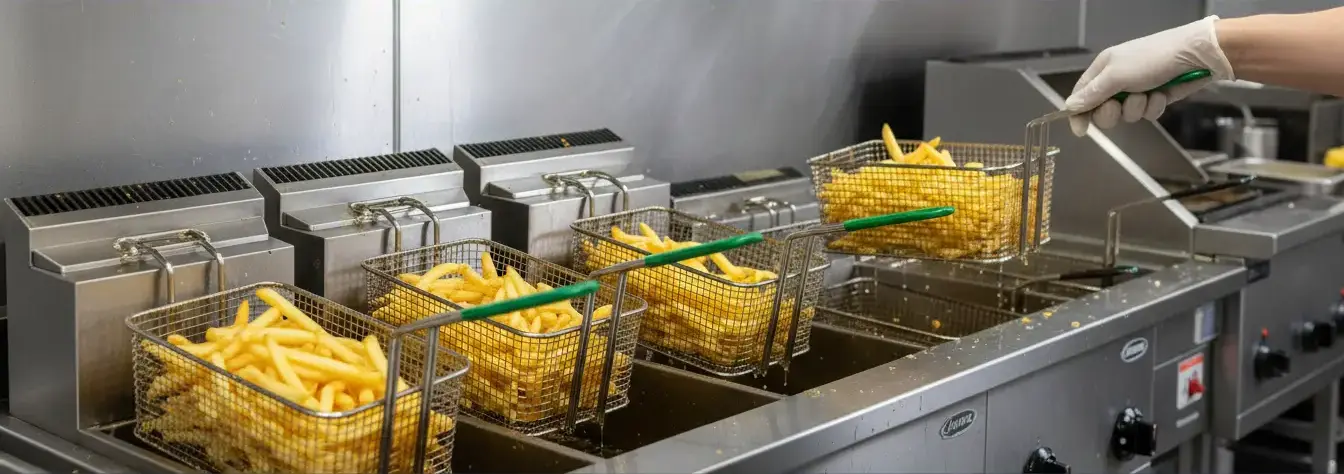
Find the Best Used Cooking Oil Collection Companies for Your Business
No obligation • Fast responses • Nationwide coverage

Why you can trust Restaurant Waste Disposal
Restaurant Waste Disposal is a leading U.S. resource for comparing restaurant composting, food-waste recycling, grease trap cleaning, and used cooking oil collection services. Our editorial team researches providers, checks credentials, and organizes unbiased information so operators can make informed decisions. Companies cannot pay to change ratings or placement.
Search providers near you
Top Used Cooking Oil Collection Companies in Hamden, Connecticut Ranked
For restaurants and food service businesses in Hamden, managing used cooking oil (UCO) is more than just a disposal task-it's a regulated, revenue-generating component of sustainable operations. Connecticut state law mandates the recycling of this material, turning what was once a messy waste product into a valuable commodity for biodiesel production. By partnering with a licensed collection service, Hamden establishments can ensure compliance, improve their environmental footprint, and often turn their used oil into a source of rebate income. This guide outlines the essential steps, benefits, and local considerations for effective UCO management in Hamden.
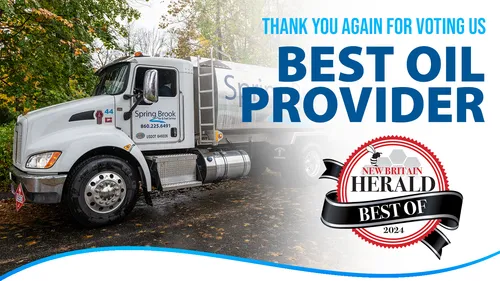
Spring Brook Ice & Fuel Service
19 Woodland St Ste 1, New Britain, CT 06051
Spring Brook Ice & Fuel Service has been serving Hartford, CT, and the surrounding areas for over 100 years. Originally known for harvesting ice from local ponds, the company now delivers packaged ice, fuel oil, and services heating and air conditioning equipment. They also provide Bioheat® fuel, a renewable blend made from ultra-low sulfur heating oil and biodiesel derived from organic materials like used cooking oils, supporting efforts to reduce carbon emissions. Established in 1918, Spring Brook continues to adapt its offerings to meet modern energy needs.
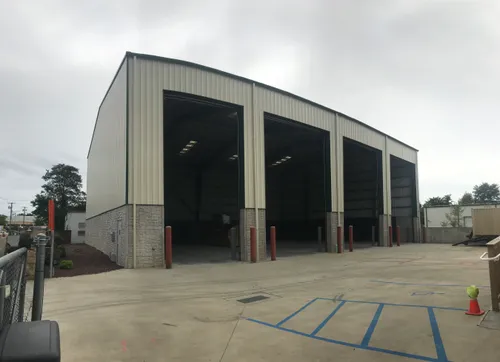
BPM RECYCLING, LLC (BPM)
155 Davenport St, Bridgeport, CT 06607
BPM RECYCLING, LLC (BPM) is a used cooking oil collection company based in Fairfield, CT. The company specializes in collecting used cooking oil for recycling purposes, serving businesses in the Fairfield area. BPM focuses on environmentally responsible disposal and recycling of cooking oil to support sustainability efforts.
Understanding Connecticut's Recycling Mandate
In Connecticut, used cooking oil is classified as a recyclable material, and businesses are legally required to ensure it is collected for recycling rather than disposed of as trash 1. This mandate is part of broader state efforts to reduce waste in landfills and promote renewable energy sources. For a Hamden restaurant, this means you cannot pour used fryer oil down drains, into grease traps, or into dumpsters. Improper disposal can lead to severe sewer blockages, environmental harm, and potential fines from local authorities 1. The law specifically requires that renderable fats, oils, and grease (FOG) be kept separate and collected by a licensed rendering or recycling company.
Best Practices for On-Site Oil Management
Proper handling before pickup is crucial for safety, compliance, and maximizing the value of your oil. Following established Best Management Practices (BMPs) protects your facility and ensures the oil remains high-quality for recycling.
- Cool Completely: Always allow oil to cool completely before transferring it. Handling hot oil is a safety hazard and can damage collection containers.
- Use Designated Containers: Pour cooled oil into sturdy, leak-proof containers. Many collection services provide dedicated, secure storage bins or carts. If using your own containers, such as original jugs, ensure they are in good condition.
- Prevent Contamination: Keep collection containers covered and in a dedicated storage area. This prevents rainwater from diluting the oil and stops contaminants like food debris or water from entering, which significantly lowers its value for recycling 2.
- Secure Storage: Place your collection bin in a secure, accessible location, such as a locked enclosure or a monitored area behind your establishment. This deters theft, which can be a problem due to the oil's value on the commodities market.
The Collection Process: From Your Kitchen to Biofuel
Once your oil is properly stored, a licensed service provider will handle the logistics. The typical collection process involves several key steps:
- Scheduled Pickup: Your service provider will establish a pickup schedule based on your volume of oil production. Many companies use automated routing software to optimize their collection routes for efficiency and reliability.
- Professional Collection: A trained technician will arrive with a specialized truck equipped to pump the oil from your storage bin directly into the vehicle. This is a clean, closed-loop process that minimizes spills and mess.
- Transportation & Processing: The collected oil is transported to a processing facility. In Connecticut, a significant portion of this used cooking oil is refined into biodiesel, a clean-burning renewable fuel used for heating and transportation 3.
- Documentation & Reporting: Reputable providers offer transparent reporting, often through an online portal, detailing pickup dates and volumes collected, which helps with your own record-keeping for compliance.
Financial Implications: Cost vs. Revenue
A common misconception is that used cooking oil collection is purely an expense. In reality, the financial model is often designed to benefit the restaurant, especially for those generating significant volumes.
- For Lower Volume Producers: Businesses generating less than 100 gallons of oil per month may qualify for free pickup services, as the collection company's revenue comes entirely from selling the recycled commodity.
- For Medium to High Volume Producers: Restaurants that produce more oil can actually earn a rebate. The rebate rate depends on the market price for recycled oil and, critically, the quality of the oil you provide. Clean, water-free, and uncontaminated oil commands the highest price.
- The Rebate Range: Rebates can vary but often range from $0.10 to $0.65 per gallon collected 4. For a busy restaurant, this rebate can completely offset any service fees and even generate a modest profit stream, transforming a waste product into a revenue center.
The key takeaway is that quality directly impacts compensation. Well-managed, clean oil creates revenue, while contaminated oil becomes a cost.
Find the perfect used cooking oil collection companies for your needs
Get personalized recommendations and expert advice
Environmental and Community Benefits
Participating in a formal used cooking oil recycling program extends benefits far beyond your kitchen. By ensuring your oil is converted into biodiesel, you are directly contributing to a circular economy. Biodiesel burns cleaner than petroleum diesel, reducing greenhouse gas emissions and particulate matter 5. This means the oil from your Hamden restaurant can help power cleaner municipal vehicles or provide renewable heating oil for local homes. Furthermore, proper collection prevents FOG from entering Hamden's sewer system, reducing the risk of costly and disruptive blockages and overflows that affect the entire community 6.
Choosing a Service Provider in Hamden
When selecting a used cooking oil collection partner, consider the following factors to ensure a reliable and beneficial relationship:
- Licensing and Compliance: Verify that the provider is a licensed renderer or recycler authorized to operate in Connecticut.
- Service Offerings: Look for companies that provide secure, locking collection bins to prevent theft and contamination. Inquire about their pickup reliability and scheduling flexibility.
- Transparency and Technology: Opt for providers that offer clear, detailed reporting on collections and rebates. Some utilize customer portals for easy tracking.
- Local Knowledge: A provider familiar with Hamden and Connecticut regulations can be a valuable partner in maintaining compliance.
Frequently asked questions
Sources
Footnotes
-
Business & Commercial Recycling | Hamden, CT - https://www.hamden.com/224/Business-Commercial-Recycling ↩ ↩2
-
Used Cooking Oil Recycling | Solid Waste Authority of Palm Beach ... - https://www.swa.org/173/Used-Cooking-Oil ↩
-
Used Cooking Oil Recycling Service in Connecticut - https://eazygrease.com/used-cooking-oil-recycling-service-connecticut/ ↩
-
Restaurant Used Cooking Oil Recycling & Disposal Guide - https://greaseconnections.com/restaurant-used-cooking-oil-disposal-recycling-revenue-guide/ ↩
-
Used Cooking Oil From Connecticut Restaurants, Along With Other ... - https://www.ctema.com/used-cooking-oil-from-connecticut-restaurants-along-with-other-food-waste-is-being-turned-into-fuel-to-heat-your-home/ ↩
-
Fats, Oils & Grease Program for Businesses - The MDC - https://themdc.org/environment-health-safety/fats-oils-grease-program-for-businesses/ ↩